
Frost Entomological Museum
About Frost Entomological Museum
Description
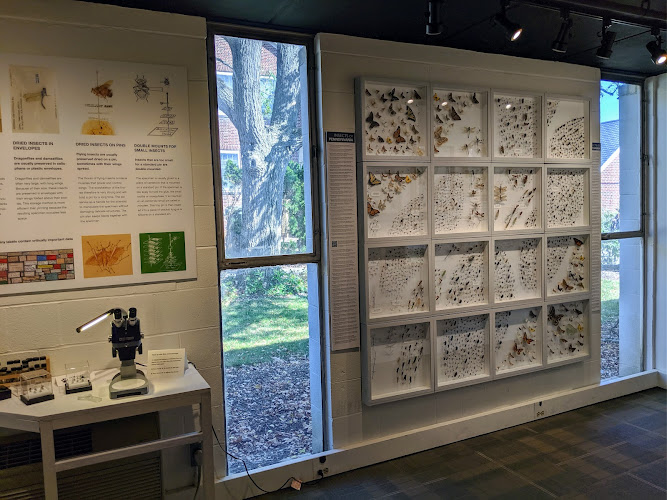
The Frost Entomological Museum is a fascinating spot that might just surprise you with how much it offers beyond just bugs in jars. Located on the Pennsylvania State University campus, this museum is a treasure trove for anyone curious about the tiny creatures that buzz, crawl, and flutter all around us. With over a million specimens, it’s not your average museum stroll—it's more like stepping into a vast, intricate world where insects tell stories of evolution, ecology, and even human culture.
What really stands out here is how the museum balances serious scientific research with public education. It’s part of Penn State’s Department of Entomology, so you know the collections are top-notch and constantly growing. But don’t let that intimidate you if you’re not a bug expert. The exhibits are designed to engage visitors of all ages, including kids who might be a little squeamish at first but end up fascinated by the diversity and beauty of these creatures.
Accessibility is thoughtfully handled, which is a big plus. The entrance and restrooms are wheelchair accessible, making it easier for everyone to explore without hassle. While there’s no restaurant on site (so pack a snack or plan to eat nearby), the museum does provide clean restrooms and a welcoming atmosphere that encourages lingering and learning.
One thing I personally appreciate is how the Frost Museum doesn’t just display insects as static specimens. There’s a real sense of life and discovery, with educational spaces and rotating exhibits that keep things fresh. Whether you’re a traveler with a casual interest or a budding entomologist, the museum offers a unique peek into a world most people overlook. And trust me, once you start noticing the incredible variety of insects here, you’ll find yourself looking at the world outside differently.
Key Features
- Home to more than 1,000,000 insect specimens, making it one of the largest collections in the region
- Active research institution linked to Penn State’s Department of Entomology, ensuring up-to-date scientific insights
- Public exhibition and educational spaces designed to engage visitors of all ages, including kids
- Wheelchair accessible entrance and restrooms, promoting inclusivity for all visitors
- Clean and well-maintained facilities, with restroom amenities available on site
- Rotating exhibits and special displays that highlight different aspects of insect life and research
- Opportunity to learn about insect preservation, labeling, and collection techniques—great for hobbyists and students
Best Time to Visit
Honestly, the Frost Entomological Museum is a year-round destination, but if you want to catch some of the special exhibits or educational programs, spring and fall tend to be the best bets. That’s when the university is buzzing with activity, and the museum often hosts events tied to the academic calendar. Plus, visiting during these seasons means you avoid the summer crowds that flock to the campus for other attractions.
Winter visits can be cozy and quiet, perfect if you want a more intimate experience without the hustle and bustle. Since it’s an indoor museum, weather won’t really mess with your plans, but keep in mind that some university events might affect opening hours or parking availability.
How to Get There
The Frost Entomological Museum is situated on the flagship campus of Pennsylvania State University in University Park. If you’re driving, it’s pretty straightforward to find, and there’s parking available on campus, though it can get busy during peak university hours. Pro tip: arrive early in the day to snag a good parking spot without the stress.
If you’re coming by public transport, there are bus routes that serve the campus area, making it accessible even if you don’t have a car. Walking or biking is also a nice option if you’re staying nearby or just want to soak up the college town vibe. The campus itself is quite walkable, so once you’re there, it’s easy to navigate your way to the museum.
Tips for Visiting
- Plan to spend at least an hour or two—there’s a lot to see, and rushing through won’t do the exhibits justice.
- Bring a camera (without flash) if you want to capture some of the incredible insect specimens. Trust me, some of these critters look like tiny works of art.
- Wear comfortable shoes because you might want to explore the campus a bit before or after your visit.
- Check the museum’s schedule before you go, especially if you want to catch special exhibits or educational talks.
- If you’re visiting with kids, encourage them to ask questions and explore the hands-on parts of the exhibits—this place can spark a lifelong curiosity.
- Since there’s no food service on site, pack a snack or plan to grab a bite nearby. The campus has some great spots that you might want to check out.
- Don’t be shy about chatting with the staff or researchers if they’re around—they’re usually passionate and can share some fascinating insect stories.
Key Features
- Home to more than 1,000,000 insect specimens, making it one of the largest collections in the region
- Active research institution linked to Penn State’s Department of Entomology, ensuring up-to-date scientific insights
- Public exhibition and educational spaces designed to engage visitors of all ages, including kids
- Wheelchair accessible entrance and restrooms, promoting inclusivity for all visitors
- Clean and well-maintained facilities, with restroom amenities available on site
- Rotating exhibits and special displays that highlight different aspects of insect life and research
- Opportunity to learn about insect preservation, labeling, and collection techniques—great for hobbyists and students
- Plan to spend at least an hour or two—there’s a lot to see, and rushing through won’t do the exhibits justice.
More Details
Updated July 13, 2025
Table of Contents
Description
The Frost Entomological Museum is a fascinating spot that might just surprise you with how much it offers beyond just bugs in jars. Located on the Pennsylvania State University campus, this museum is a treasure trove for anyone curious about the tiny creatures that buzz, crawl, and flutter all around us. With over a million specimens, it’s not your average museum stroll—it’s more like stepping into a vast, intricate world where insects tell stories of evolution, ecology, and even human culture.
What really stands out here is how the museum balances serious scientific research with public education. It’s part of Penn State’s Department of Entomology, so you know the collections are top-notch and constantly growing. But don’t let that intimidate you if you’re not a bug expert. The exhibits are designed to engage visitors of all ages, including kids who might be a little squeamish at first but end up fascinated by the diversity and beauty of these creatures.
Accessibility is thoughtfully handled, which is a big plus. The entrance and restrooms are wheelchair accessible, making it easier for everyone to explore without hassle. While there’s no restaurant on site (so pack a snack or plan to eat nearby), the museum does provide clean restrooms and a welcoming atmosphere that encourages lingering and learning.
One thing I personally appreciate is how the Frost Museum doesn’t just display insects as static specimens. There’s a real sense of life and discovery, with educational spaces and rotating exhibits that keep things fresh. Whether you’re a traveler with a casual interest or a budding entomologist, the museum offers a unique peek into a world most people overlook. And trust me, once you start noticing the incredible variety of insects here, you’ll find yourself looking at the world outside differently.
Key Features
- Home to more than 1,000,000 insect specimens, making it one of the largest collections in the region
- Active research institution linked to Penn State’s Department of Entomology, ensuring up-to-date scientific insights
- Public exhibition and educational spaces designed to engage visitors of all ages, including kids
- Wheelchair accessible entrance and restrooms, promoting inclusivity for all visitors
- Clean and well-maintained facilities, with restroom amenities available on site
- Rotating exhibits and special displays that highlight different aspects of insect life and research
- Opportunity to learn about insect preservation, labeling, and collection techniques—great for hobbyists and students
Best Time to Visit
Honestly, the Frost Entomological Museum is a year-round destination, but if you want to catch some of the special exhibits or educational programs, spring and fall tend to be the best bets. That’s when the university is buzzing with activity, and the museum often hosts events tied to the academic calendar. Plus, visiting during these seasons means you avoid the summer crowds that flock to the campus for other attractions.
Winter visits can be cozy and quiet, perfect if you want a more intimate experience without the hustle and bustle. Since it’s an indoor museum, weather won’t really mess with your plans, but keep in mind that some university events might affect opening hours or parking availability.
How to Get There
The Frost Entomological Museum is situated on the flagship campus of Pennsylvania State University in University Park. If you’re driving, it’s pretty straightforward to find, and there’s parking available on campus, though it can get busy during peak university hours. Pro tip: arrive early in the day to snag a good parking spot without the stress.
If you’re coming by public transport, there are bus routes that serve the campus area, making it accessible even if you don’t have a car. Walking or biking is also a nice option if you’re staying nearby or just want to soak up the college town vibe. The campus itself is quite walkable, so once you’re there, it’s easy to navigate your way to the museum.
Tips for Visiting
- Plan to spend at least an hour or two—there’s a lot to see, and rushing through won’t do the exhibits justice.
- Bring a camera (without flash) if you want to capture some of the incredible insect specimens. Trust me, some of these critters look like tiny works of art.
- Wear comfortable shoes because you might want to explore the campus a bit before or after your visit.
- Check the museum’s schedule before you go, especially if you want to catch special exhibits or educational talks.
- If you’re visiting with kids, encourage them to ask questions and explore the hands-on parts of the exhibits—this place can spark a lifelong curiosity.
- Since there’s no food service on site, pack a snack or plan to grab a bite nearby. The campus has some great spots that you might want to check out.
- Don’t be shy about chatting with the staff or researchers if they’re around—they’re usually passionate and can share some fascinating insect stories.
Key Highlights
- Home to more than 1,000,000 insect specimens, making it one of the largest collections in the region
- Active research institution linked to Penn State’s Department of Entomology, ensuring up-to-date scientific insights
- Public exhibition and educational spaces designed to engage visitors of all ages, including kids
- Wheelchair accessible entrance and restrooms, promoting inclusivity for all visitors
- Clean and well-maintained facilities, with restroom amenities available on site
- Rotating exhibits and special displays that highlight different aspects of insect life and research
- Opportunity to learn about insect preservation, labeling, and collection techniques—great for hobbyists and students
- Plan to spend at least an hour or two—there’s a lot to see, and rushing through won’t do the exhibits justice.
Location
Places to Stay Near Frost Entomological Museum
Find and Book a Tour
Explore More Travel Guides
No reviews found! Be the first to review!
Traveler Reviews for Frost Entomological Museum
There are no reviews yet. Be the first one to write one.
Have you visited Frost Entomological Museum? Help other travelers by sharing your review.
You Might Also Like

Happy Valley Vineyard and Winery

Rothrock State Forest

H.O. Smith Botanic Gardens
Find Accommodations Nearby
Recommended Tours & Activities
Visitor Reviews
There are no reviews yet. Be the first one to write one.
Share Your Experience
Have you visited Frost Entomological Museum? Help other travelers by leaving a review.