
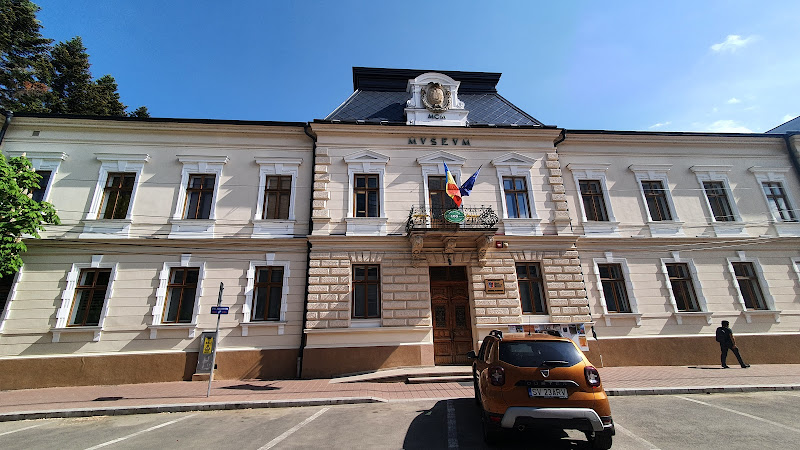
National Museum of Bucovina
About National Museum of Bucovina
Description
The National Museum of Bucovina stands as a proud guardian of the region’s rich history and cultural tapestry. Housed in an elegant building dating back to the early 1900s, this museum is more than just a collection of artifacts—it’s a window into the soul of Suceava County. The architecture itself is a treat, blending neoclassical and baroque styles that give the place an old-world charm. Walking through its halls, you get this sense that you’re stepping back in time, surrounded by stories that shaped the region.
What’s cool about this museum is how it manages to balance being educational without feeling like a snooze fest. The exhibits cover everything from ancient times to more recent history, so whether you’re a history buff or just a curious traveler, there’s something that’ll catch your eye. Plus, it’s pretty kid-friendly, which is a huge plus if you’re traveling with the little ones. The displays are thoughtfully curated, and the way the museum spaces are designed makes it easy to navigate without feeling overwhelmed.
One thing I really appreciated is the accessibility. It’s not always a given in historic buildings, but here they’ve made sure that wheelchair users can get around comfortably, with accessible entrances, restrooms, and parking. That kind of attention to detail shows a real commitment to making history available to everyone.
Now, it’s not perfect—some visitors have pointed out that certain areas could use a refresh or that the signage isn’t always super clear. But honestly, those minor hiccups don’t overshadow the overall experience. The staff are friendly and knowledgeable, often ready to share little anecdotes that bring the exhibits to life. And if you’re into photography, the building’s facade and the interior’s period details offer some fantastic shots.
Key Features
- Historic building from 1902-1903 combining neoclassical and baroque architecture
- Extensive collections covering Bucovina’s history from ancient times to modern day
- Wheelchair accessible entrance, restrooms, and parking facilities
- Family-friendly environment with exhibits suitable for children
- Paid parking available nearby for convenient access
- Helpful and knowledgeable staff ready to enhance your visit
- Central location in Suceava, making it easy to combine with other city explorations
- Quiet, contemplative atmosphere perfect for history lovers and casual visitors alike
Best Time to Visit
Timing your visit to the National Museum of Bucovina can make a big difference in how much you enjoy it. If you’re like me and prefer a quieter, more relaxed experience, weekdays are your best bet—especially in the morning right after opening. The museum tends to get busier on weekends and during Romanian national holidays, so if you’re looking to avoid crowds, steer clear of those times.
Spring and early autumn are fantastic seasons to visit Suceava in general, and by extension, the museum. The weather is mild, and the city isn’t swamped with tourists, which means you can enjoy the museum and the town without feeling rushed or cramped. Summer can be a bit hectic, especially July and August, when everyone’s on holiday, but if you don’t mind a bit of bustle, it’s still worth it.
Winter visits have their own charm, too. The museum’s cozy interiors offer a warm retreat from the chilly weather outside, and the festive season in Suceava adds a special touch to your trip. Just remember to bundle up for the walk between sights!
How to Get There
Getting to the National Museum of Bucovina is pretty straightforward, whether you’re coming from within Romania or abroad. If you’re flying in, the closest major airport is Suceava Airport, which has connections to several European cities. From there, a taxi or local bus can get you right into the heart of Suceava city center where the museum is located.
If you’re traveling by train, Suceava’s main railway station is well connected to other Romanian cities like Bucharest, Iași, and Cluj-Napoca. From the station, it’s a quick taxi ride or a leisurely 15-20 minute walk to the museum. For those who love road trips (I’m definitely one of those), driving to Suceava is a scenic adventure. Just keep in mind there’s paid parking available near the museum, so plan accordingly.
Once you’re in Suceava, the museum’s central location means you can easily combine your visit with a stroll through the city’s historic streets or a stop at a local café. Trust me, wandering around after soaking up some history is a great way to digest all the new info!
Tips for Visiting
Alright, here’s the scoop from someone who’s been there more than once: plan at least two hours for your visit. The museum’s collection is quite extensive, and rushing through it won’t do justice to the stories and artifacts on display. Take your time, soak it all in, and maybe even chat with the staff if you’re curious about something—they’re usually pretty eager to share insider tidbits.
Wear comfortable shoes, because while the museum isn’t huge, you’ll be on your feet more than you think. And don’t forget your camera! The building’s architecture and some of the exhibits make for great photos, but be sure to check if photography is allowed in certain sections.
If you’re visiting with kids, keep an eye out for interactive displays or sections designed to engage younger visitors. It’s a nice way to keep them interested without turning the trip into a battle of wills. Also, bring a small notebook or download a museum app if available—jotting down or bookmarking info can help you remember the cool facts you’ll pick up.
One last thing: the museum doesn’t have a restaurant on site, so if you’re planning to spend a good chunk of the day there, grab a snack or meal beforehand or plan to hit one of Suceava’s local eateries afterward. The city has some charming spots where you can unwind and chat about what you’ve just seen.
In short, the National Museum of Bucovina isn’t just a stop on your itinerary—it’s an experience that connects you to a region with a deep and fascinating past. It’s the kind of place that sticks with you long after you’ve left, making you want to dig even deeper into the stories of Bucovina and its people.
Key Features
- Historic building from 1902-1903 combining neoclassical and baroque architecture
- Extensive collections covering Bucovina’s history from ancient times to modern day
- Wheelchair accessible entrance, restrooms, and parking facilities
- Family-friendly environment with exhibits suitable for children
- Paid parking available nearby for convenient access
- Helpful and knowledgeable staff ready to enhance your visit
- Central location in Suceava, making it easy to combine with other city explorations
- Quiet, contemplative atmosphere perfect for history lovers and casual visitors alike
More Details
Updated July 16, 2025
Table of Contents
Description
The National Museum of Bucovina stands as a proud guardian of the region’s rich history and cultural tapestry. Housed in an elegant building dating back to the early 1900s, this museum is more than just a collection of artifacts—it’s a window into the soul of Suceava County. The architecture itself is a treat, blending neoclassical and baroque styles that give the place an old-world charm. Walking through its halls, you get this sense that you’re stepping back in time, surrounded by stories that shaped the region.
What’s cool about this museum is how it manages to balance being educational without feeling like a snooze fest. The exhibits cover everything from ancient times to more recent history, so whether you’re a history buff or just a curious traveler, there’s something that’ll catch your eye. Plus, it’s pretty kid-friendly, which is a huge plus if you’re traveling with the little ones. The displays are thoughtfully curated, and the way the museum spaces are designed makes it easy to navigate without feeling overwhelmed.
One thing I really appreciated is the accessibility. It’s not always a given in historic buildings, but here they’ve made sure that wheelchair users can get around comfortably, with accessible entrances, restrooms, and parking. That kind of attention to detail shows a real commitment to making history available to everyone.
Now, it’s not perfect—some visitors have pointed out that certain areas could use a refresh or that the signage isn’t always super clear. But honestly, those minor hiccups don’t overshadow the overall experience. The staff are friendly and knowledgeable, often ready to share little anecdotes that bring the exhibits to life. And if you’re into photography, the building’s facade and the interior’s period details offer some fantastic shots.
Key Features
- Historic building from 1902-1903 combining neoclassical and baroque architecture
- Extensive collections covering Bucovina’s history from ancient times to modern day
- Wheelchair accessible entrance, restrooms, and parking facilities
- Family-friendly environment with exhibits suitable for children
- Paid parking available nearby for convenient access
- Helpful and knowledgeable staff ready to enhance your visit
- Central location in Suceava, making it easy to combine with other city explorations
- Quiet, contemplative atmosphere perfect for history lovers and casual visitors alike
Best Time to Visit
Timing your visit to the National Museum of Bucovina can make a big difference in how much you enjoy it. If you’re like me and prefer a quieter, more relaxed experience, weekdays are your best bet—especially in the morning right after opening. The museum tends to get busier on weekends and during Romanian national holidays, so if you’re looking to avoid crowds, steer clear of those times.
Spring and early autumn are fantastic seasons to visit Suceava in general, and by extension, the museum. The weather is mild, and the city isn’t swamped with tourists, which means you can enjoy the museum and the town without feeling rushed or cramped. Summer can be a bit hectic, especially July and August, when everyone’s on holiday, but if you don’t mind a bit of bustle, it’s still worth it.
Winter visits have their own charm, too. The museum’s cozy interiors offer a warm retreat from the chilly weather outside, and the festive season in Suceava adds a special touch to your trip. Just remember to bundle up for the walk between sights!
How to Get There
Getting to the National Museum of Bucovina is pretty straightforward, whether you’re coming from within Romania or abroad. If you’re flying in, the closest major airport is Suceava Airport, which has connections to several European cities. From there, a taxi or local bus can get you right into the heart of Suceava city center where the museum is located.
If you’re traveling by train, Suceava’s main railway station is well connected to other Romanian cities like Bucharest, Iași, and Cluj-Napoca. From the station, it’s a quick taxi ride or a leisurely 15-20 minute walk to the museum. For those who love road trips (I’m definitely one of those), driving to Suceava is a scenic adventure. Just keep in mind there’s paid parking available near the museum, so plan accordingly.
Once you’re in Suceava, the museum’s central location means you can easily combine your visit with a stroll through the city’s historic streets or a stop at a local café. Trust me, wandering around after soaking up some history is a great way to digest all the new info!
Tips for Visiting
Alright, here’s the scoop from someone who’s been there more than once: plan at least two hours for your visit. The museum’s collection is quite extensive, and rushing through it won’t do justice to the stories and artifacts on display. Take your time, soak it all in, and maybe even chat with the staff if you’re curious about something—they’re usually pretty eager to share insider tidbits.
Wear comfortable shoes, because while the museum isn’t huge, you’ll be on your feet more than you think. And don’t forget your camera! The building’s architecture and some of the exhibits make for great photos, but be sure to check if photography is allowed in certain sections.
If you’re visiting with kids, keep an eye out for interactive displays or sections designed to engage younger visitors. It’s a nice way to keep them interested without turning the trip into a battle of wills. Also, bring a small notebook or download a museum app if available—jotting down or bookmarking info can help you remember the cool facts you’ll pick up.
One last thing: the museum doesn’t have a restaurant on site, so if you’re planning to spend a good chunk of the day there, grab a snack or meal beforehand or plan to hit one of Suceava’s local eateries afterward. The city has some charming spots where you can unwind and chat about what you’ve just seen.
In short, the National Museum of Bucovina isn’t just a stop on your itinerary—it’s an experience that connects you to a region with a deep and fascinating past. It’s the kind of place that sticks with you long after you’ve left, making you want to dig even deeper into the stories of Bucovina and its people.
Key Highlights
- Historic building from 1902-1903 combining neoclassical and baroque architecture
- Extensive collections covering Bucovina’s history from ancient times to modern day
- Wheelchair accessible entrance, restrooms, and parking facilities
- Family-friendly environment with exhibits suitable for children
- Paid parking available nearby for convenient access
- Helpful and knowledgeable staff ready to enhance your visit
- Central location in Suceava, making it easy to combine with other city explorations
- Quiet, contemplative atmosphere perfect for history lovers and casual visitors alike
Location
Places to Stay Near National Museum of Bucovina
Find and Book a Tour
Explore More Travel Guides
No reviews found! Be the first to review!
Traveler Reviews for National Museum of Bucovina
There are no reviews yet. Be the first one to write one.
Have you visited National Museum of Bucovina? Help other travelers by sharing your review.
You Might Also Like
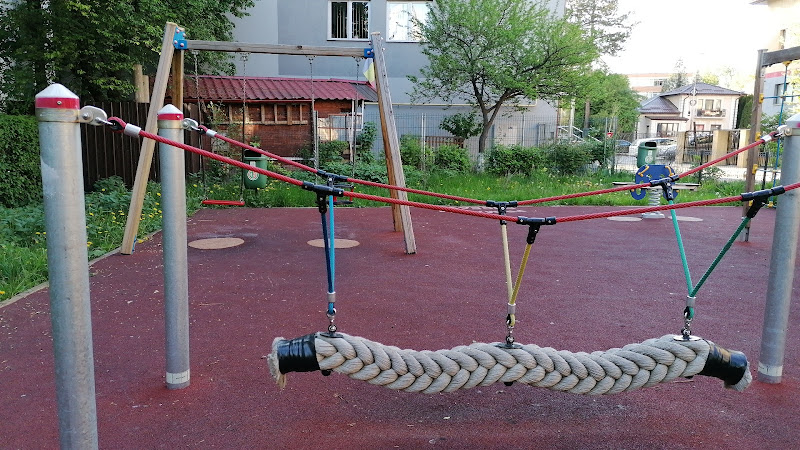
Loc de joaca

Museum of Natural Sciences
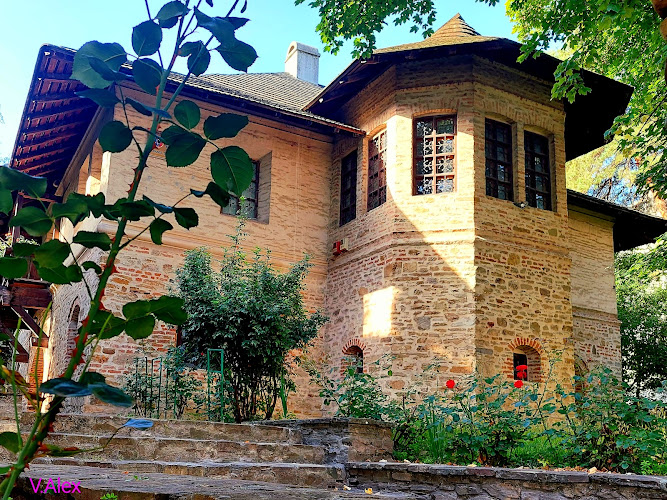
Hanul Domnesc
Find Accommodations Nearby
Recommended Tours & Activities
Visitor Reviews
There are no reviews yet. Be the first one to write one.
Share Your Experience
Have you visited National Museum of Bucovina? Help other travelers by leaving a review.