
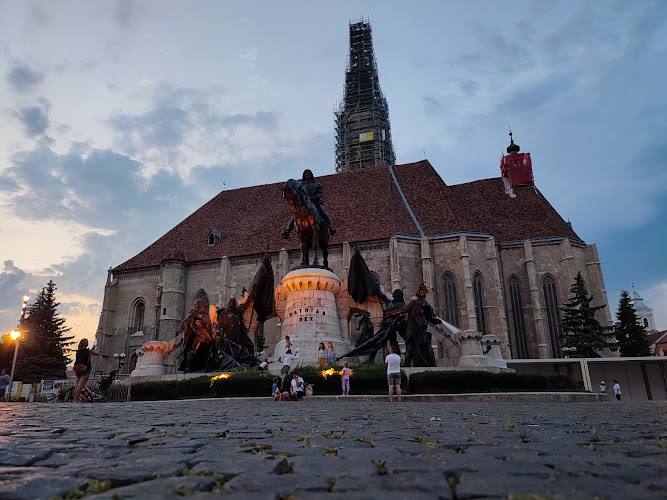
Romania
About Romania
Description
Romania is one of those places that sneaks up on you in the best way possible. It’s not just the usual European tourist hotspots that everyone’s heard about; Romania offers a kind of raw, authentic charm that’s hard to put into words. The country sits in southeastern Europe, hugged by the Carpathian Mountains, which means if you like your landscapes with a bit of drama—think dense forests, rugged peaks, and misty valleys—you’re in for a treat. Transylvania, the most famous region, isn’t just about Dracula and spooky legends (though those add a certain flair). It’s a real place with medieval towns like Sighişoara that feel like stepping into a time machine, complete with cobbled streets, colorful houses, and a vibe that’s both eerie and enchanting.
Now, Bran Castle often steals the spotlight because of its Dracula connection, but don’t let that be the only reason you visit. The castle itself is perched on a cliff, offering jaw-dropping views and a glimpse into Romania’s feudal past. And if castles aren’t your thing, Bucharest, the capital, is a fascinating mix of old and new. The Palatul Parlamentului—the massive government building from the Communist era—is almost absurdly huge, and walking around it feels like wandering through a colossal monument to a very different time in history.
What’s really cool about Romania is how it balances its medieval roots with modern life. You’ll find lively cities with buzzing cafes and nightlife, but just a short drive away, you’re surrounded by nature that feels untouched. The fortified churches scattered across the countryside are unexpected gems, showcasing a blend of Gothic and Renaissance architecture that tells stories of centuries-old conflicts and cultures mingling. This isn’t a place where you just tick off the tourist checklist—it’s a country that invites you to slow down, explore, and maybe get a little lost in its winding alleyways and forest trails.
Key Features
- Transylvania’s medieval towns like Sighişoara, a UNESCO World Heritage site with vibrant history and charm
- Bran Castle, famously linked to the Dracula legend, offering dramatic views and a peek into Romanian folklore
- The Carpathian Mountains, perfect for hiking, wildlife spotting (yes, bears!), and escaping the crowds
- Bucharest’s Palatul Parlamentului, one of the largest administrative buildings in the world, showcasing Communist-era architecture
- Fortified churches scattered throughout the countryside, blending history, art, and defense from medieval times
- Rich cultural traditions, including folk music, crafts, and festivals that bring local communities to life
- Delicious and hearty Romanian cuisine, from sarmale (cabbage rolls) to mici (grilled sausages), that’s a treat for food lovers
- Affordable travel experience compared to many Western European destinations, making it great for budget-conscious adventurers
Best Time to Visit
Picking the best time to visit Romania depends a lot on what you want to do. If you’re a fan of winter sports or just want to see the mountains dusted with snow, December through February is your window. The ski resorts in the Carpathians get pretty lively, and there’s a cozy charm to the mountain villages wrapped in white.
But if you’re more into hiking, exploring castles, and wandering medieval towns without freezing your toes off, late spring through early autumn (May to September) is ideal. Summer can be warm, sometimes even hot, especially in Bucharest, but the countryside stays refreshingly cool thanks to the altitude. Plus, this is when festivals kick into gear, and you can catch everything from medieval fairs to traditional music performances.
One quirk to keep in mind: Romanian weather can be a bit unpredictable. I remember visiting in October once, expecting crisp autumn days, and instead getting a surprise snowstorm in the mountains. So packing layers and being flexible with your plans is a smart move.
How to Get There
Romania is pretty accessible, though it might not pop up on your radar as quickly as some other European spots. The main gateway is Bucharest’s Henri Coandă International Airport, which handles flights from most major European cities. From there, you can hop on trains or buses to other parts of the country. The train system is decent, and while it might not be the fastest, it’s a great way to see the countryside roll by.
If you’re feeling adventurous, renting a car is a fantastic way to explore Romania on your own terms. Roads are generally in good shape, especially around tourist areas, but do be prepared for some quirky driving habits and occasional potholes—hey, it keeps things interesting! Driving through the Carpathians, with winding roads and breathtaking views, is an experience in itself.
For those coming from neighboring countries like Hungary or Bulgaria, there are also cross-border train and bus options. And if you’re already traveling around Eastern Europe, Romania fits nicely into multi-country itineraries.
Tips for Visiting
First off, don’t just stick to the big cities or the usual Dracula hype. Romania’s real magic lies in its lesser-known spots and everyday moments. I once stumbled upon a tiny village festival in Maramureș, where locals invited me to join in traditional dances and share homemade plum brandy. Moments like that stick with you.
Language can be a bit of a hurdle—Romanian is a Romance language, but English isn’t universally spoken outside tourist areas. Learning a few basic phrases or having a translation app handy can go a long way and often earns you a smile from locals.
Cash is king in many places, especially outside Bucharest, so keep some lei (the local currency) on you. ATMs are common in cities but less so in rural areas. Credit cards are accepted in bigger hotels and restaurants but not everywhere.
Also, be ready for a slower pace. Romania isn’t about rushing from one attraction to the next. It’s more about soaking in the atmosphere, chatting with locals, and savoring the unexpected. And if you’re driving, watch out for animals on the road—horses, dogs, even the occasional wandering cow can appear without warning.
Lastly, don’t overlook Romanian food. It’s hearty and comforting, perfect after a day of exploring. Try mici at a street stall, sip on some local wine, and if you get the chance, sample a traditional ciorbă (sour soup). Food here tells a story of the land and its people, and it’s worth every bite.
So, if you’re craving a trip that mixes history, nature, and a splash of mystery, Romania might just surprise you. It’s a place that rewards curiosity and a willingness to wander off the beaten path. And trust me, once you’ve been, you’ll find yourself telling stories about that time you got lost in a medieval town or hiked through a forest where bears roam free. That kind of travel sticks with you.
Key Features
- Transylvania’s medieval towns like Sighişoara, a UNESCO World Heritage site with vibrant history and charm
- Bran Castle, famously linked to the Dracula legend, offering dramatic views and a peek into Romanian folklore
- The Carpathian Mountains, perfect for hiking, wildlife spotting (yes, bears!), and escaping the crowds
- Bucharest’s Palatul Parlamentului, one of the largest administrative buildings in the world, showcasing Communist-era architecture
- Fortified churches scattered throughout the countryside, blending history, art, and defense from medieval times
- Rich cultural traditions, including folk music, crafts, and festivals that bring local communities to life
- Delicious and hearty Romanian cuisine, from sarmale (cabbage rolls) to mici (grilled sausages), that’s a treat for food lovers
- Affordable travel experience compared to many Western European destinations, making it great for budget-conscious adventurers
More Details
Updated July 16, 2025
Table of Contents
Description
Romania is one of those places that sneaks up on you in the best way possible. It’s not just the usual European tourist hotspots that everyone’s heard about; Romania offers a kind of raw, authentic charm that’s hard to put into words. The country sits in southeastern Europe, hugged by the Carpathian Mountains, which means if you like your landscapes with a bit of drama—think dense forests, rugged peaks, and misty valleys—you’re in for a treat. Transylvania, the most famous region, isn’t just about Dracula and spooky legends (though those add a certain flair). It’s a real place with medieval towns like Sighişoara that feel like stepping into a time machine, complete with cobbled streets, colorful houses, and a vibe that’s both eerie and enchanting.
Now, Bran Castle often steals the spotlight because of its Dracula connection, but don’t let that be the only reason you visit. The castle itself is perched on a cliff, offering jaw-dropping views and a glimpse into Romania’s feudal past. And if castles aren’t your thing, Bucharest, the capital, is a fascinating mix of old and new. The Palatul Parlamentului—the massive government building from the Communist era—is almost absurdly huge, and walking around it feels like wandering through a colossal monument to a very different time in history.
What’s really cool about Romania is how it balances its medieval roots with modern life. You’ll find lively cities with buzzing cafes and nightlife, but just a short drive away, you’re surrounded by nature that feels untouched. The fortified churches scattered across the countryside are unexpected gems, showcasing a blend of Gothic and Renaissance architecture that tells stories of centuries-old conflicts and cultures mingling. This isn’t a place where you just tick off the tourist checklist—it’s a country that invites you to slow down, explore, and maybe get a little lost in its winding alleyways and forest trails.
Key Features
- Transylvania’s medieval towns like Sighişoara, a UNESCO World Heritage site with vibrant history and charm
- Bran Castle, famously linked to the Dracula legend, offering dramatic views and a peek into Romanian folklore
- The Carpathian Mountains, perfect for hiking, wildlife spotting (yes, bears!), and escaping the crowds
- Bucharest’s Palatul Parlamentului, one of the largest administrative buildings in the world, showcasing Communist-era architecture
- Fortified churches scattered throughout the countryside, blending history, art, and defense from medieval times
- Rich cultural traditions, including folk music, crafts, and festivals that bring local communities to life
- Delicious and hearty Romanian cuisine, from sarmale (cabbage rolls) to mici (grilled sausages), that’s a treat for food lovers
- Affordable travel experience compared to many Western European destinations, making it great for budget-conscious adventurers
Best Time to Visit
Picking the best time to visit Romania depends a lot on what you want to do. If you’re a fan of winter sports or just want to see the mountains dusted with snow, December through February is your window. The ski resorts in the Carpathians get pretty lively, and there’s a cozy charm to the mountain villages wrapped in white.
But if you’re more into hiking, exploring castles, and wandering medieval towns without freezing your toes off, late spring through early autumn (May to September) is ideal. Summer can be warm, sometimes even hot, especially in Bucharest, but the countryside stays refreshingly cool thanks to the altitude. Plus, this is when festivals kick into gear, and you can catch everything from medieval fairs to traditional music performances.
One quirk to keep in mind: Romanian weather can be a bit unpredictable. I remember visiting in October once, expecting crisp autumn days, and instead getting a surprise snowstorm in the mountains. So packing layers and being flexible with your plans is a smart move.
How to Get There
Romania is pretty accessible, though it might not pop up on your radar as quickly as some other European spots. The main gateway is Bucharest’s Henri Coandă International Airport, which handles flights from most major European cities. From there, you can hop on trains or buses to other parts of the country. The train system is decent, and while it might not be the fastest, it’s a great way to see the countryside roll by.
If you’re feeling adventurous, renting a car is a fantastic way to explore Romania on your own terms. Roads are generally in good shape, especially around tourist areas, but do be prepared for some quirky driving habits and occasional potholes—hey, it keeps things interesting! Driving through the Carpathians, with winding roads and breathtaking views, is an experience in itself.
For those coming from neighboring countries like Hungary or Bulgaria, there are also cross-border train and bus options. And if you’re already traveling around Eastern Europe, Romania fits nicely into multi-country itineraries.
Tips for Visiting
First off, don’t just stick to the big cities or the usual Dracula hype. Romania’s real magic lies in its lesser-known spots and everyday moments. I once stumbled upon a tiny village festival in Maramureș, where locals invited me to join in traditional dances and share homemade plum brandy. Moments like that stick with you.
Language can be a bit of a hurdle—Romanian is a Romance language, but English isn’t universally spoken outside tourist areas. Learning a few basic phrases or having a translation app handy can go a long way and often earns you a smile from locals.
Cash is king in many places, especially outside Bucharest, so keep some lei (the local currency) on you. ATMs are common in cities but less so in rural areas. Credit cards are accepted in bigger hotels and restaurants but not everywhere.
Also, be ready for a slower pace. Romania isn’t about rushing from one attraction to the next. It’s more about soaking in the atmosphere, chatting with locals, and savoring the unexpected. And if you’re driving, watch out for animals on the road—horses, dogs, even the occasional wandering cow can appear without warning.
Lastly, don’t overlook Romanian food. It’s hearty and comforting, perfect after a day of exploring. Try mici at a street stall, sip on some local wine, and if you get the chance, sample a traditional ciorbă (sour soup). Food here tells a story of the land and its people, and it’s worth every bite.
So, if you’re craving a trip that mixes history, nature, and a splash of mystery, Romania might just surprise you. It’s a place that rewards curiosity and a willingness to wander off the beaten path. And trust me, once you’ve been, you’ll find yourself telling stories about that time you got lost in a medieval town or hiked through a forest where bears roam free. That kind of travel sticks with you.
Key Highlights
- Transylvania’s medieval towns like Sighişoara, a UNESCO World Heritage site with vibrant history and charm
- Bran Castle, famously linked to the Dracula legend, offering dramatic views and a peek into Romanian folklore
- The Carpathian Mountains, perfect for hiking, wildlife spotting (yes, bears!), and escaping the crowds
- Bucharest’s Palatul Parlamentului, one of the largest administrative buildings in the world, showcasing Communist-era architecture
- Fortified churches scattered throughout the countryside, blending history, art, and defense from medieval times
- Rich cultural traditions, including folk music, crafts, and festivals that bring local communities to life
- Delicious and hearty Romanian cuisine, from sarmale (cabbage rolls) to mici (grilled sausages), that’s a treat for food lovers
- Affordable travel experience compared to many Western European destinations, making it great for budget-conscious adventurers
Location
Places to Stay Near Romania
Find and Book a Tour
Explore More Travel Guides
No reviews found! Be the first to review!
Traveler Reviews for Romania
There are no reviews yet. Be the first one to write one.
Have you visited Romania? Help other travelers by sharing your review.
You Might Also Like
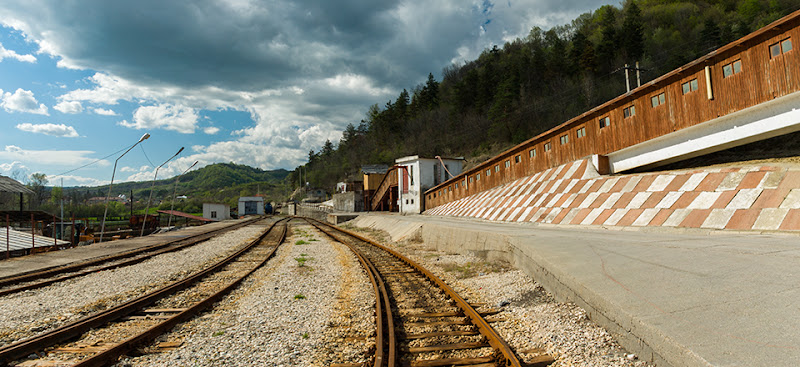
Ocnele Mari Salt Mine
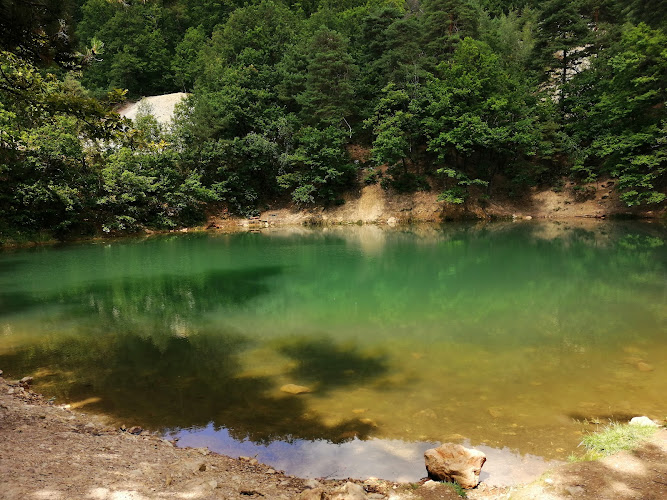
Blue Lake

Semenic - Cheile Carasului National Park
Find Accommodations Nearby
Recommended Tours & Activities
Visitor Reviews
There are no reviews yet. Be the first one to write one.
Share Your Experience
Have you visited Romania? Help other travelers by leaving a review.