
Havana Castle of the Royal Force
About Havana Castle of the Royal Force
Key Features
More Details
Updated April 15, 2024
# Havana Castle of the Royal Force (Castillo de la Real Fuerza): a practical, history-first visit guide
If you want one Havana site that explains why this city became a fortified port, start at the Castle of the Royal Force—known locally as Castillo de la Real Fuerza—on the edge of Plaza de Armas in Habana Vieja (Old Havana). It’s among the earliest major Spanish colonial fortifications built in the Americas, and today it functions as a museum space tied to Havana’s maritime and defensive story. Planet
## Quick facts (from your dataset + stable references)
– Name: Havana Castle of the Royal Force (Castillo de la Real Fuerza) Planet
– Type: Fortress / tourist attraction
– Where: By Plaza de Armas, Old Havana (Habana Vieja) Planet
– Address (plus code): 4MR2+C4R, O’Reilly, La Habana, Cuba (as provided)
– Coordinates: 23.1410265, -82.3495216 (as provided)
– Rating: 4.5 (as provided)
## Why the site matters in Havana’s story
Old Havana developed as a strategic port for Spain’s Atlantic routes, and the historic center—together with its defense system—was recognized by UNESCO as “Old Havana and its Fortification System” (inscribed 1982). The Castle of the Royal Force is widely described as part of that broader fortifications context. World Heritage Centre
What you’re seeing here isn’t a decorative “castle.” It’s a bastion-style fort designed for artillery-era defense, built during a period when Havana faced repeated attacks by privateers and rival European powers in the Caribbean. Planet
## A brief, reliable timeline
### Built in the 1500s—on the site of an earlier fort
Multiple mainstream references place construction between 1558 and 1577, and note it replaced an earlier fortification that had been destroyed in a mid-1500s raid. Planet
### Defensive intent, imperfect placement
A recurring point in historical summaries is that the fort’s position—set back inside the harbor—limited its effectiveness as a first line of defense at the bay entrance.
## What to look for on-site (architecture + details that are easy to miss)
Even if you don’t step into every exhibit room, the structure itself is the main artifact:
– Bastioned design intended to cover angles of approach with artillery fire (a hallmark of early modern fort engineering).
– A moat (foso) and drawbridge are frequently cited features of the fort’s defensive layout.
– Upper levels / tower elements associated with surveillance and signaling—worth noting because they shape how the fort functioned day-to-day.
If you’re photographing, the geometry is the point: thick walls, angular bastions, and the relationship between the fort and Plaza de Armas (Havana’s oldest main square) create the best “this is a fortified port city” framing. Planet
## La Giraldilla: Havana’s emblem in bronze (and what’s original vs replica)
One of the most recognizable details is La Giraldilla, a bronze weathervane figure associated with the fort’s tower. Several Cuban cultural/municipal sources emphasize two key facts:
– The figure visible on the fort is a replica. del ciudadano de La Habana
– The original is preserved in the Museum of the City, housed in the former Palacio de los Capitanes Generales, also on/near Plaza de Armas. del ciudadano de La Habana
You’ll see the Giraldilla discussed alongside a popular legend linking the figure to Isabel (Inés) de Bobadilla. The legend is culturally important, but versions vary by source; what stays consistent in official/municipal writing is the replica/original distinction and the figure’s status as a Havana symbol. del ciudadano de La Habana
## The museum use today (what it has been in recent decades)
In Havana, historic structures often cycle through different institutional roles. For this site, there are clear references to a major restoration and museum framing in 2008 connected to Havana’s heritage institutions:
– The Office of the Historian of Havana (OHCH) timeline notes the museum inauguration in June 2008 and highlights the Giraldilla as an emblem at the entrance, with the replica placed on one of the towers.
– Habana Radio describes the building becoming a museum associated with “Tesoros Sumergidos” (treasures recovered from underwater contexts) after a general restoration in 2008. Radio
– Havana’s municipal site has recent writing (2024) discussing Cuba’s underwater cultural heritage and museum exhibition of recovered pieces, which aligns with the “treasures” framing around maritime history. del ciudadano de La Habana
## Visiting notes (only what stays accurate)
### Location and navigation
All reliable descriptions place the fortress adjacent to Plaza de Armas in Old Havana, which means it pairs naturally with nearby historic squares and museums in Habana Vieja. Planet
If you’re building out your Havana plan, you can contextualize this stop with:
– Havana overview: /places/havana/
– A nearby Old Havana anchor square: /places/plaza-de-la-catedral/ Journey Travels
### Hours, ticketing, and “outdated data” flags
Be cautious with exact opening hours and ticket prices you see online. Some pages still quote admission in CUC, Cuba’s former convertible peso. Cuba’s monetary unification process began January 1, 2021, and included withdrawing the CUC, leaving the CUP as the official currency—so any “CUC” pricing is, at minimum, outdated. of Italy
Best practice for factual accuracy: treat hours/fees as variable and confirm locally (posted at the entrance or through official local channels) rather than relying on a single third-party listing.
## What this site is “best for” (grounded, non-hype take)
– Colonial military architecture you can read with your eyes (bastions, moat, heavy masonry).
– Havana’s fortified-port logic in one compact stop—especially if you’re also visiting other defensive sites tied to the UNESCO “fortification system” concept. World Heritage Centre
– Maritime / underwater-heritage museum narratives that connect Havana to shipbuilding, trade routes, and the realities of Caribbean navigation. Radio
If you only have time for one fort-related stop in Habana Vieja, this is the one that sits directly inside the city’s administrative-history core—steps from the institutions and plazas that shaped colonial Havana. World Heritage Centre
Table of Contents
Key Highlights
Havana Castle of the Royal Force
Location
Places to Stay Near Havana Castle of the Royal Force
Find and Book a Tour
Explore More Travel Guides
No reviews found! Be the first to review!
Traveler Reviews for Havana Castle of the Royal Force
There are no reviews yet. Be the first one to write one.
Have you visited Havana Castle of the Royal Force? Help other travelers by sharing your review.
You Might Also Like
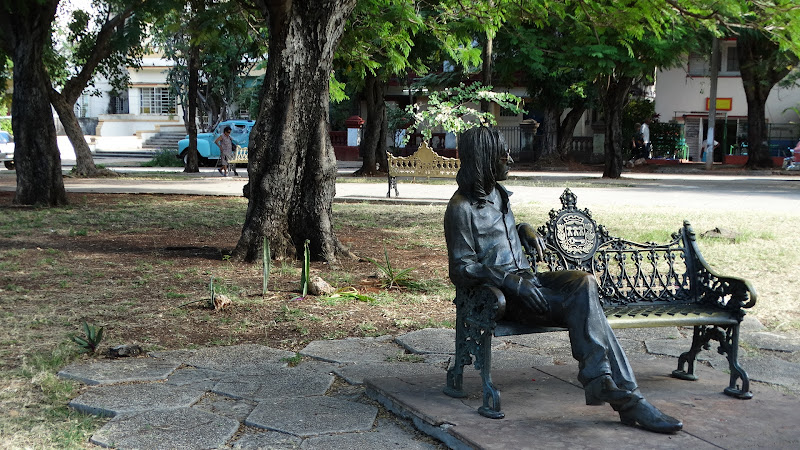
John Lennon Park
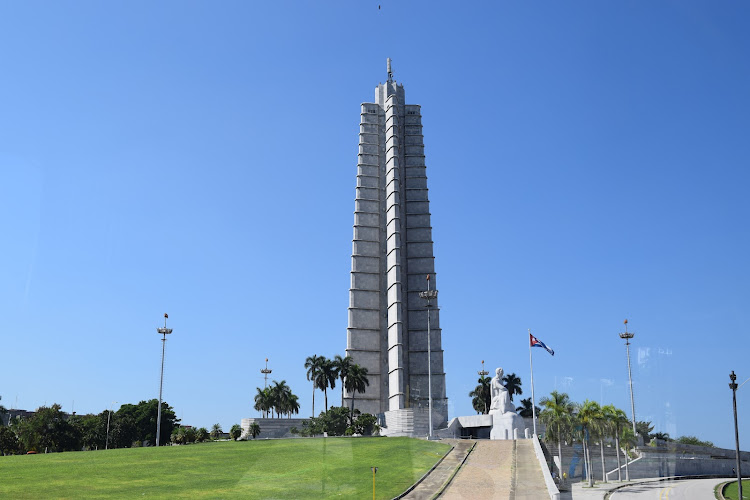
José Martí Memorial
Havana, Old City
Find Accommodations Nearby
Recommended Tours & Activities
Visitor Reviews
There are no reviews yet. Be the first one to write one.
Share Your Experience
Have you visited Havana Castle of the Royal Force? Help other travelers by leaving a review.