
Museum of Pilgrimage
About Museum of Pilgrimage
Description
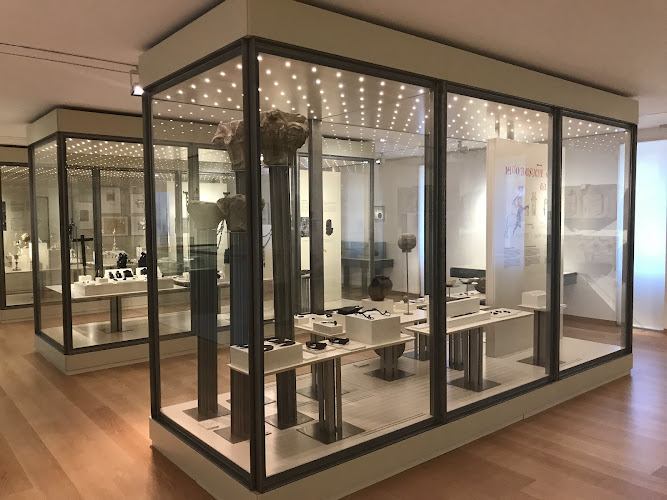
The Museum of Pilgrimage offers a fascinating dive into one of Europe’s most enduring spiritual journeys—the pilgrimage to Santiago de Compostela. If you’ve ever wondered what draws thousands of travelers from all corners of the world to this ancient route, this museum peels back the layers with a rich collection of art, exhibits, and artifacts that tell the story of the pilgrimage’s history, culture, and impact. It’s not just a bunch of dusty relics; the place breathes life into centuries-old tales, connecting you to the footsteps of countless pilgrims who made their way to the famed cathedral in Spain.
Walking through the museum, you get a real sense of the pilgrimage’s evolution—from medieval times to the present day. The exhibits showcase everything from old maps and religious iconography to personal belongings of pilgrims and even multimedia installations that bring the experience to life. It’s a bit like stepping into a time machine, but one that’s grounded in human stories and emotions rather than just dates and facts.
One thing that struck me was how the museum balances its historical depth with accessibility. It’s thoughtfully laid out so families with kids can enjoy it, and those with mobility challenges won’t feel left out thanks to wheelchair-accessible entrances and restrooms. Although parking for wheelchair users is a bit limited, the overall experience is welcoming and inclusive.
Don’t expect a fancy restaurant inside—there isn’t one—but you’ll find clean restrooms and plenty of spots nearby to grab a bite after you’ve soaked up the history. The museum’s vibe is more about reflection and learning than commercial hustle, which I personally found refreshing in today’s tourist-heavy world.
Key Features
- Extensive collection of artifacts related to the pilgrimage to Santiago de Compostela, including medieval relics and contemporary items.
- Interactive exhibits that help visitors understand the cultural and spiritual significance of the pilgrimage.
- Wheelchair accessible entrance and restrooms, ensuring comfort for visitors with mobility needs.
- Family-friendly environment with exhibits designed to engage children and spark curiosity about history.
- Informative displays on the art, literature, and religious practices tied to the pilgrimage route.
- Multimedia presentations that bring the pilgrimage experience to life beyond static displays.
- Quiet, contemplative spaces ideal for reflection, making it more than just a sightseeing stop.
- Located conveniently within reach of other historical and cultural attractions, perfect for a day of exploration.
Best Time to Visit
Timing your visit can really enhance the experience. Spring and early autumn tend to be the sweet spots—milder weather, fewer crowds, and a calm atmosphere that suits the museum’s reflective nature. Summers can get a bit hectic, especially since the pilgrimage season peaks then, drawing hordes of visitors not just to the route but to the museum as well. If you’re like me and prefer to avoid elbow-to-elbow touring, aim for weekdays during the shoulder seasons.
Winter visits have their own charm, too. The museum feels quieter, almost intimate, and you can take your time absorbing the exhibits without feeling rushed. Just keep in mind that some nearby amenities might be limited during the off-season, so plan accordingly.
How to Get There
Getting to the Museum of Pilgrimage is pretty straightforward, whether you’re coming by public transport or driving. It’s situated close to the main pilgrimage routes, making it a natural pit stop for those trekking the Camino or just tourists exploring the region’s rich heritage.
If you’re relying on public transit, local buses connect the museum with nearby towns and city centers. The stops are usually within a short walking distance, and the routes are frequent enough to fit most travel schedules. For those who prefer the freedom of a car, there’s parking available, though it’s worth noting that accessible parking spots for wheelchair users are limited, so plan ahead if that applies to you.
Once you arrive, the museum’s location makes it easy to combine your visit with other nearby historical sites or scenic walks. I remember one trip where I hopped off a bus, wandered through the museum, and then strolled along part of the pilgrimage trail itself—talk about a day well spent!
Tips for Visiting
Here’s the lowdown from someone who’s been there a couple of times: wear comfortable shoes. The museum isn’t huge, but you’ll want to take your time exploring every nook and cranny without feeling rushed or sore. Also, bring a little notebook or use your phone to jot down any interesting tidbits or questions that pop up—there’s a surprising amount of detail that can spark your curiosity.
Don’t hesitate to chat with the staff if you have questions. They’re pretty knowledgeable and genuinely enthusiastic about the pilgrimage’s history. I once struck up a conversation with a guide who shared some lesser-known stories about specific artifacts that weren’t in the main exhibits. Those little extras made the visit feel special.
If you’re traveling with kids, the museum does a good job of keeping them engaged, but a quick heads-up: some exhibits are quite text-heavy or contemplative, so having a few interactive apps or activities lined up might help keep younger visitors interested.
Lastly, try to carve out at least a couple of hours for your visit. Rushing through means missing out on the layers of history and the emotional weight that the pilgrimage carries. And trust me, once you start connecting the dots between the artifacts and the stories, you’ll find yourself thinking about the pilgrims’ journeys long after you leave.
Key Features
- Extensive collection of artifacts related to the pilgrimage to Santiago de Compostela, including medieval relics and contemporary items.
- Interactive exhibits that help visitors understand the cultural and spiritual significance of the pilgrimage.
- Wheelchair accessible entrance and restrooms, ensuring comfort for visitors with mobility needs.
- Family-friendly environment with exhibits designed to engage children and spark curiosity about history.
- Informative displays on the art, literature, and religious practices tied to the pilgrimage route.
- Multimedia presentations that bring the pilgrimage experience to life beyond static displays.
- Quiet, contemplative spaces ideal for reflection, making it more than just a sightseeing stop.
- Located conveniently within reach of other historical and cultural attractions, perfect for a day of exploration.
More Details
Updated July 17, 2025
Table of Contents
Description
The Museum of Pilgrimage offers a fascinating dive into one of Europe’s most enduring spiritual journeys—the pilgrimage to Santiago de Compostela. If you’ve ever wondered what draws thousands of travelers from all corners of the world to this ancient route, this museum peels back the layers with a rich collection of art, exhibits, and artifacts that tell the story of the pilgrimage’s history, culture, and impact. It’s not just a bunch of dusty relics; the place breathes life into centuries-old tales, connecting you to the footsteps of countless pilgrims who made their way to the famed cathedral in Spain.
Walking through the museum, you get a real sense of the pilgrimage’s evolution—from medieval times to the present day. The exhibits showcase everything from old maps and religious iconography to personal belongings of pilgrims and even multimedia installations that bring the experience to life. It’s a bit like stepping into a time machine, but one that’s grounded in human stories and emotions rather than just dates and facts.
One thing that struck me was how the museum balances its historical depth with accessibility. It’s thoughtfully laid out so families with kids can enjoy it, and those with mobility challenges won’t feel left out thanks to wheelchair-accessible entrances and restrooms. Although parking for wheelchair users is a bit limited, the overall experience is welcoming and inclusive.
Don’t expect a fancy restaurant inside—there isn’t one—but you’ll find clean restrooms and plenty of spots nearby to grab a bite after you’ve soaked up the history. The museum’s vibe is more about reflection and learning than commercial hustle, which I personally found refreshing in today’s tourist-heavy world.
Key Features
- Extensive collection of artifacts related to the pilgrimage to Santiago de Compostela, including medieval relics and contemporary items.
- Interactive exhibits that help visitors understand the cultural and spiritual significance of the pilgrimage.
- Wheelchair accessible entrance and restrooms, ensuring comfort for visitors with mobility needs.
- Family-friendly environment with exhibits designed to engage children and spark curiosity about history.
- Informative displays on the art, literature, and religious practices tied to the pilgrimage route.
- Multimedia presentations that bring the pilgrimage experience to life beyond static displays.
- Quiet, contemplative spaces ideal for reflection, making it more than just a sightseeing stop.
- Located conveniently within reach of other historical and cultural attractions, perfect for a day of exploration.
Best Time to Visit
Timing your visit can really enhance the experience. Spring and early autumn tend to be the sweet spots—milder weather, fewer crowds, and a calm atmosphere that suits the museum’s reflective nature. Summers can get a bit hectic, especially since the pilgrimage season peaks then, drawing hordes of visitors not just to the route but to the museum as well. If you’re like me and prefer to avoid elbow-to-elbow touring, aim for weekdays during the shoulder seasons.
Winter visits have their own charm, too. The museum feels quieter, almost intimate, and you can take your time absorbing the exhibits without feeling rushed. Just keep in mind that some nearby amenities might be limited during the off-season, so plan accordingly.
How to Get There
Getting to the Museum of Pilgrimage is pretty straightforward, whether you’re coming by public transport or driving. It’s situated close to the main pilgrimage routes, making it a natural pit stop for those trekking the Camino or just tourists exploring the region’s rich heritage.
If you’re relying on public transit, local buses connect the museum with nearby towns and city centers. The stops are usually within a short walking distance, and the routes are frequent enough to fit most travel schedules. For those who prefer the freedom of a car, there’s parking available, though it’s worth noting that accessible parking spots for wheelchair users are limited, so plan ahead if that applies to you.
Once you arrive, the museum’s location makes it easy to combine your visit with other nearby historical sites or scenic walks. I remember one trip where I hopped off a bus, wandered through the museum, and then strolled along part of the pilgrimage trail itself—talk about a day well spent!
Tips for Visiting
Here’s the lowdown from someone who’s been there a couple of times: wear comfortable shoes. The museum isn’t huge, but you’ll want to take your time exploring every nook and cranny without feeling rushed or sore. Also, bring a little notebook or use your phone to jot down any interesting tidbits or questions that pop up—there’s a surprising amount of detail that can spark your curiosity.
Don’t hesitate to chat with the staff if you have questions. They’re pretty knowledgeable and genuinely enthusiastic about the pilgrimage’s history. I once struck up a conversation with a guide who shared some lesser-known stories about specific artifacts that weren’t in the main exhibits. Those little extras made the visit feel special.
If you’re traveling with kids, the museum does a good job of keeping them engaged, but a quick heads-up: some exhibits are quite text-heavy or contemplative, so having a few interactive apps or activities lined up might help keep younger visitors interested.
Lastly, try to carve out at least a couple of hours for your visit. Rushing through means missing out on the layers of history and the emotional weight that the pilgrimage carries. And trust me, once you start connecting the dots between the artifacts and the stories, you’ll find yourself thinking about the pilgrims’ journeys long after you leave.
Key Highlights
- Extensive collection of artifacts related to the pilgrimage to Santiago de Compostela, including medieval relics and contemporary items.
- Interactive exhibits that help visitors understand the cultural and spiritual significance of the pilgrimage.
- Wheelchair accessible entrance and restrooms, ensuring comfort for visitors with mobility needs.
- Family-friendly environment with exhibits designed to engage children and spark curiosity about history.
- Informative displays on the art, literature, and religious practices tied to the pilgrimage route.
- Multimedia presentations that bring the pilgrimage experience to life beyond static displays.
- Quiet, contemplative spaces ideal for reflection, making it more than just a sightseeing stop.
- Located conveniently within reach of other historical and cultural attractions, perfect for a day of exploration.
Location
Places to Stay Near Museum of Pilgrimage
Find and Book a Tour
Explore More Travel Guides
No reviews found! Be the first to review!
Traveler Reviews for Museum of Pilgrimage
There are no reviews yet. Be the first one to write one.
Have you visited Museum of Pilgrimage? Help other travelers by sharing your review.
You Might Also Like

Parroquia de Nosa Señora la Antigua da Corticela

O Peregrino Escondido
Parque da Alameda
Find Accommodations Nearby
Recommended Tours & Activities
Visitor Reviews
There are no reviews yet. Be the first one to write one.
Share Your Experience
Have you visited Museum of Pilgrimage? Help other travelers by leaving a review.