
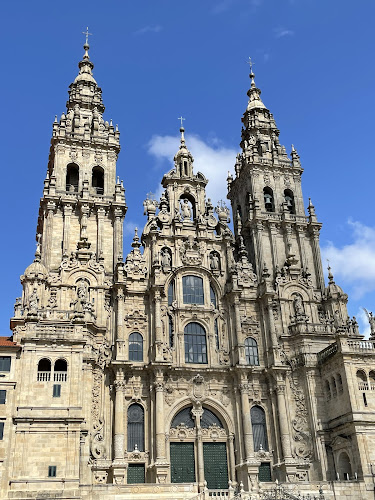
Cathedral of Santiago de Compostela
About Cathedral of Santiago de Compostela
Description
The Cathedral of Santiago de Compostela stands as a monumental testament to centuries of faith, art, and pilgrimage. This isn’t just any old church — it’s the heart and soul of the Camino de Santiago, the legendary pilgrimage route that’s drawn travelers from all corners of the world for over a millennium. You might think it’s just about religion, but honestly, it’s so much more. It’s a living piece of history, a place where stone and spirit collide, and where every nook and cranny tells a story.
Built primarily in the Romanesque style, the cathedral’s architecture is a breathtaking blend of solidity and grace. The soaring arches and thick stone walls give it that fortress-like feel, but then you get to the intricate details — like Master Mateo’s carved arched portico — and it suddenly softens, revealing a delicate craftsmanship that’s nothing short of awe-inspiring. That portico alone is worth lingering over; the carvings depict biblical scenes with such life and emotion, you could swear they’d start moving if you stared long enough.
Inside, the atmosphere shifts to something almost otherworldly. The air is thick with centuries of whispered prayers, footsteps of countless pilgrims, and the faint scent of incense. One of the cathedral’s most famous features is the Botafumeiro, a giant thurible that swings majestically across the nave during certain ceremonies. Watching it in motion is like witnessing a piece of theatrical magic — it’s huge, it’s dramatic, and it’s a reminder of the cathedral’s living traditions.
Accessibility here is thoughtfully handled, too. The cathedral has a wheelchair-accessible entrance, which is a big plus if you or someone in your group needs easier access. And yes, there’s paid parking nearby, so you don’t have to stress about where to leave your car if you’re driving in. But honestly, the best way to arrive is on foot, soaking in the anticipation that so many pilgrims have felt before you.
Key Features
- Master Mateo’s intricately carved Romanesque portico — a masterpiece of medieval sculpture
- The Botafumeiro — one of the largest swinging incense burners in the world, a spectacular sight during special masses
- Reputed burial site of Saint James the Great, one of Jesus Christ’s apostles, making it a major pilgrimage destination
- Architectural blend of Romanesque, Gothic, and Baroque elements reflecting centuries of additions and renovations
- Wheelchair accessible entrance ensuring inclusivity for all visitors
- Onsite services available for visitor support and information
- Paid parking facilities close to the cathedral for convenience
- Part of the UNESCO World Heritage Site, enriching its cultural and historical significance
Best Time to Visit
Picking the right time to visit the Cathedral of Santiago de Compostela can totally shape your experience. Summer months, especially July and August, are buzzing with pilgrims and tourists alike. The energy is palpable, but so is the crowd — expect lines and busy plazas. If you’re after a quieter, more reflective vibe, spring (April to June) or early autumn (September to October) are your best bets. The weather is still pleasant, and the cathedral feels a bit more intimate without the throngs.
For those who want to catch the Botafumeiro in action, try to time your visit around the major religious festivals. The Feast of Saint James on July 25th is the highlight of the year, with special masses and ceremonies that bring the cathedral to life in a way that’s hard to put into words. Just a heads-up though — it gets packed, so patience is key.
How to Get There
Getting to the Cathedral of Santiago de Compostela is part of the adventure, especially if you’re one of those brave souls tackling the Camino routes. Whether you arrive by foot, bike, or car, the city is well connected. If you’re flying in, Santiago de Compostela Airport is just a short ride away from the city center. From there, taxis and buses will drop you off near the cathedral.
If you’re coming by train or bus from other parts of Spain or Europe, the city’s main station is conveniently located within walking distance of the cathedral. And, if you’re driving, remember there’s paid parking nearby, but it’s a good idea to check availability in advance during peak seasons. The narrow streets around the old town can be a bit tricky for first-timers, so give yourself extra time to navigate.
Tips for Visiting
Alright, so you’re planning your visit — here are a few nuggets of wisdom from someone who’s been there and done that. First off, wear comfy shoes. The cathedral and its surroundings are best explored on foot, and the cobblestones can be unforgiving. Also, don’t rush. The beauty of this place is in the details, so take your time soaking it all in.
Try to catch a mass or a service if you can — the atmosphere inside is something you won’t find just by sightseeing. And if you’re lucky enough to witness the Botafumeiro swinging, prepare to be amazed. It’s a bit of a spectacle that really brings the cathedral’s history to life.
Photography is allowed in most areas, but be respectful — this is a place of worship, after all. Early morning visits can be magical, with softer light and fewer crowds. And if you’re curious about the history and art, consider joining a guided tour. It’s amazing how much more you pick up when someone knowledgeable is pointing out the hidden gems and telling the stories behind the stone.
Lastly, if you’re on the pilgrimage, don’t forget to stop by the Pilgrim’s Office nearby to get your Compostela certificate — a lovely memento of your journey. And bring a little patience and an open heart. This cathedral isn’t just a building; it’s a crossroads of countless human stories, yours included.
Key Features
- Master Mateo’s intricately carved Romanesque portico — a masterpiece of medieval sculpture
- The Botafumeiro — one of the largest swinging incense burners in the world, a spectacular sight during special masses
- Reputed burial site of Saint James the Great, one of Jesus Christ’s apostles, making it a major pilgrimage destination
- Architectural blend of Romanesque, Gothic, and Baroque elements reflecting centuries of additions and renovations
- Wheelchair accessible entrance ensuring inclusivity for all visitors
- Onsite services available for visitor support and information
- Paid parking facilities close to the cathedral for convenience
- Part of the UNESCO World Heritage Site, enriching its cultural and historical significance
More Details
Updated July 17, 2025
Table of Contents
- Description
- Key Features
- Best Time to Visit
- How to Get There
- Tips for Visiting
- Key Highlights
- Location
- Places to Stay Near Cathedral of Santiago de Compostela
- Find and Book a Tour
- Explore More Travel Guides
- Nearby Places You Might Like
- Traveler Reviews for Cathedral of Santiago de Compostela
- Share Your Experience
Description
The Cathedral of Santiago de Compostela stands as a monumental testament to centuries of faith, art, and pilgrimage. This isn’t just any old church — it’s the heart and soul of the Camino de Santiago, the legendary pilgrimage route that’s drawn travelers from all corners of the world for over a millennium. You might think it’s just about religion, but honestly, it’s so much more. It’s a living piece of history, a place where stone and spirit collide, and where every nook and cranny tells a story.
Built primarily in the Romanesque style, the cathedral’s architecture is a breathtaking blend of solidity and grace. The soaring arches and thick stone walls give it that fortress-like feel, but then you get to the intricate details — like Master Mateo’s carved arched portico — and it suddenly softens, revealing a delicate craftsmanship that’s nothing short of awe-inspiring. That portico alone is worth lingering over; the carvings depict biblical scenes with such life and emotion, you could swear they’d start moving if you stared long enough.
Inside, the atmosphere shifts to something almost otherworldly. The air is thick with centuries of whispered prayers, footsteps of countless pilgrims, and the faint scent of incense. One of the cathedral’s most famous features is the Botafumeiro, a giant thurible that swings majestically across the nave during certain ceremonies. Watching it in motion is like witnessing a piece of theatrical magic — it’s huge, it’s dramatic, and it’s a reminder of the cathedral’s living traditions.
Accessibility here is thoughtfully handled, too. The cathedral has a wheelchair-accessible entrance, which is a big plus if you or someone in your group needs easier access. And yes, there’s paid parking nearby, so you don’t have to stress about where to leave your car if you’re driving in. But honestly, the best way to arrive is on foot, soaking in the anticipation that so many pilgrims have felt before you.
Key Features
- Master Mateo’s intricately carved Romanesque portico — a masterpiece of medieval sculpture
- The Botafumeiro — one of the largest swinging incense burners in the world, a spectacular sight during special masses
- Reputed burial site of Saint James the Great, one of Jesus Christ’s apostles, making it a major pilgrimage destination
- Architectural blend of Romanesque, Gothic, and Baroque elements reflecting centuries of additions and renovations
- Wheelchair accessible entrance ensuring inclusivity for all visitors
- Onsite services available for visitor support and information
- Paid parking facilities close to the cathedral for convenience
- Part of the UNESCO World Heritage Site, enriching its cultural and historical significance
Best Time to Visit
Picking the right time to visit the Cathedral of Santiago de Compostela can totally shape your experience. Summer months, especially July and August, are buzzing with pilgrims and tourists alike. The energy is palpable, but so is the crowd — expect lines and busy plazas. If you’re after a quieter, more reflective vibe, spring (April to June) or early autumn (September to October) are your best bets. The weather is still pleasant, and the cathedral feels a bit more intimate without the throngs.
For those who want to catch the Botafumeiro in action, try to time your visit around the major religious festivals. The Feast of Saint James on July 25th is the highlight of the year, with special masses and ceremonies that bring the cathedral to life in a way that’s hard to put into words. Just a heads-up though — it gets packed, so patience is key.
How to Get There
Getting to the Cathedral of Santiago de Compostela is part of the adventure, especially if you’re one of those brave souls tackling the Camino routes. Whether you arrive by foot, bike, or car, the city is well connected. If you’re flying in, Santiago de Compostela Airport is just a short ride away from the city center. From there, taxis and buses will drop you off near the cathedral.
If you’re coming by train or bus from other parts of Spain or Europe, the city’s main station is conveniently located within walking distance of the cathedral. And, if you’re driving, remember there’s paid parking nearby, but it’s a good idea to check availability in advance during peak seasons. The narrow streets around the old town can be a bit tricky for first-timers, so give yourself extra time to navigate.
Tips for Visiting
Alright, so you’re planning your visit — here are a few nuggets of wisdom from someone who’s been there and done that. First off, wear comfy shoes. The cathedral and its surroundings are best explored on foot, and the cobblestones can be unforgiving. Also, don’t rush. The beauty of this place is in the details, so take your time soaking it all in.
Try to catch a mass or a service if you can — the atmosphere inside is something you won’t find just by sightseeing. And if you’re lucky enough to witness the Botafumeiro swinging, prepare to be amazed. It’s a bit of a spectacle that really brings the cathedral’s history to life.
Photography is allowed in most areas, but be respectful — this is a place of worship, after all. Early morning visits can be magical, with softer light and fewer crowds. And if you’re curious about the history and art, consider joining a guided tour. It’s amazing how much more you pick up when someone knowledgeable is pointing out the hidden gems and telling the stories behind the stone.
Lastly, if you’re on the pilgrimage, don’t forget to stop by the Pilgrim’s Office nearby to get your Compostela certificate — a lovely memento of your journey. And bring a little patience and an open heart. This cathedral isn’t just a building; it’s a crossroads of countless human stories, yours included.
Key Highlights
- Master Mateo’s intricately carved Romanesque portico — a masterpiece of medieval sculpture
- The Botafumeiro — one of the largest swinging incense burners in the world, a spectacular sight during special masses
- Reputed burial site of Saint James the Great, one of Jesus Christ’s apostles, making it a major pilgrimage destination
- Architectural blend of Romanesque, Gothic, and Baroque elements reflecting centuries of additions and renovations
- Wheelchair accessible entrance ensuring inclusivity for all visitors
- Onsite services available for visitor support and information
- Paid parking facilities close to the cathedral for convenience
- Part of the UNESCO World Heritage Site, enriching its cultural and historical significance
Location
Places to Stay Near Cathedral of Santiago de Compostela
Find and Book a Tour
Explore More Travel Guides
No reviews found! Be the first to review!
Traveler Reviews for Cathedral of Santiago de Compostela
There are no reviews yet. Be the first one to write one.
Have you visited Cathedral of Santiago de Compostela? Help other travelers by sharing your review.
You Might Also Like

As Duas Marias
Praza de Cervantes, 22

Pazo de Xelmírez
Find Accommodations Nearby
Recommended Tours & Activities
Visitor Reviews
There are no reviews yet. Be the first one to write one.
Share Your Experience
Have you visited Cathedral of Santiago de Compostela? Help other travelers by leaving a review.