
Torbat-e-Jam
About Torbat-e-Jam
Description
Torbat-e-Jam sits quietly in Iran's Razavi Khorasan province, and honestly? Most travelers have never heard of it. But that's exactly what makes this place special. While everyone flocks to Isfahan or Shiraz, you'll find yourself exploring a city where ancient Persian culture still breathes through every cobblestone and archway.
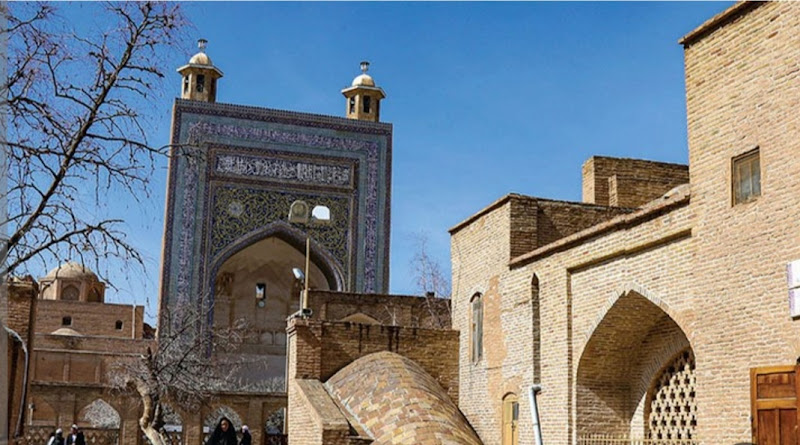
This isn't your typical tourist destination - and I mean that in the best possible way. The 12th-century Jameh Mosque stands as the crown jewel here, with tilework so intricate it'll make you wonder how craftsmen centuries ago achieved such perfection without modern tools. The soaring minarets catch the light differently throughout the day, creating shadows that dance across the courtyard in patterns you won't see replicated anywhere else.
What struck me most about Torbat-e-Jam is how it feels like stepping into a living museum. The traditional bazaars aren't put on for show - they're where locals actually shop for their daily needs. You'll hear the call to prayer echoing from multiple mosques, smell saffron and cardamom wafting from spice stalls, and watch craftsmen working with techniques passed down through generations.
The architecture here tells stories that guidebooks often miss. Every building seems to have weathered centuries of history, from Mongol invasions to Persian renaissance periods. And unlike some of Iran's more famous cities, Torbat-e-Jam hasn't been overly restored or modernized - it retains an authentic character that's becoming increasingly rare.
Key Features
Torbat-e-Jam offers several distinctive attractions that set it apart from other Iranian destinations:
- The 12th Century Jameh Mosque - Features exceptional tilework and architectural details that showcase medieval Persian craftsmanship at its finest
- Traditional Covered Bazaars - Authentic marketplaces where local artisans still practice centuries-old crafts and trading methods
- Historical Monuments - Multiple sites spanning different eras of Persian history, each offering unique architectural styles
- Cultural Heritage Sites - Well-preserved examples of traditional Iranian urban planning and residential architecture
- Local Handicraft Workshops - Opportunities to observe traditional carpet weaving, metalwork, and pottery making techniques
- Regional Cuisine Specialties - Unique Khorasani dishes and sweets that reflect the area's position along ancient trade routes
- Desert Landscape Views - Striking natural scenery that contrasts beautifully with the city's historical architecture
- Peaceful Atmosphere - Limited tourist crowds allow for genuine interactions with locals and unhurried exploration
Best Time to Visit
Timing your visit to Torbat-e-Jam can make or break your experience, and trust me on this one - I learned the hard way about Iranian weather patterns. The absolute sweet spot is during spring (March to May) and autumn (September to November) when temperatures hover around 20-25°C during the day.
Spring brings something magical to the region. The desert landscapes around the city bloom with wildflowers, and the weather is perfect for walking through those ancient bazaars without breaking into a sweat every five minutes. But here's what travel guides don't always mention - spring also coincides with Nowruz celebrations, so you'll get to experience authentic Persian New Year traditions alongside your sightseeing.
Autumn might actually be even better, especially if you're planning to spend considerable time exploring outdoor sites. The summer heat finally breaks in September, and you get these gorgeous golden-hour moments where the mosque minarets seem to glow against the clear desert sky. October is particularly lovely - warm enough during the day for comfortable exploration, but cool enough in the evenings that you'll actually enjoy sitting in courtyard cafes.
Avoid summer at all costs unless you're particularly fond of 40°C+ temperatures. I've been to Torbat-e-Jam in July, and let me tell you - even the locals stay indoors during midday hours. Winter can be surprisingly cold and occasionally snowy, which creates beautiful scenes but might limit your ability to fully explore the outdoor architectural sites.
For the best photography and most comfortable exploration, aim for late April through early May, or the entire month of October. During these periods, you'll find clear skies, comfortable temperatures, and excellent lighting conditions for capturing the intricate details of the historical monuments.
How to Get There
Getting to Torbat-e-Jam requires a bit of planning, but it's definitely more straightforward than you might expect for such an off-the-beaten-path destination. Your journey will likely start in Mashhad, which is the nearest major city and serves as the region's transportation hub.
Flying into Mashhad International Airport is your best bet if you're coming from Tehran or other major Iranian cities. From there, you have several options to reach Torbat-e-Jam, which sits about 150 kilometers southeast of Mashhad. The most reliable option is taking a bus from Mashhad's main bus terminal - services run several times daily and the journey takes approximately 2.5 to 3 hours.
If you prefer more flexibility (and I always do when exploring lesser-known places), renting a car in Mashhad opens up your options considerably. The drive to Torbat-e-Jam takes you through some stunning desert landscapes and smaller towns where you can stop for authentic meals and photo opportunities. Just make sure you're comfortable driving on Iranian roads and have your international driving permit sorted out beforehand.
Shared taxis (savari) operate between Mashhad and Torbat-e-Jam as well, though they can be less predictable in terms of timing. They're cheaper than private transport but you'll need to wait until the taxi fills up with other passengers. For solo travelers or those on tight budgets, this can be a good way to meet locals and practice your Persian phrases.
Train connections to the immediate area are limited, but Iran's rail network does connect Mashhad to major cities like Tehran, Isfahan, and Yazd if you're planning a multi-city trip. From Mashhad's train station, you'd still need to arrange ground transport to Torbat-e-Jam.
One thing I always recommend - don't try to rush the journey. The landscapes between Mashhad and Torbat-e-Jam are part of the experience, and you'll see traditional Iranian rural life that provides great context for understanding the region's history and culture.
Tips for Visiting
Visiting Torbat-e-Jam successfully requires some insider knowledge that you won't find in typical guidebooks. First and foremost - English really isn't widely spoken here, and that's actually part of its charm. But it also means you need to come prepared. Download a good translation app and learn basic Persian phrases for "hello," "thank you," and "how much?" Your efforts will be genuinely appreciated by locals.
Dress code is important, especially when visiting religious sites like the Jameh Mosque. Women need to cover their hair and wear long sleeves and pants. Men should wear long pants and avoid sleeveless shirts. I always pack a lightweight scarf and cardigan regardless of the weather - it's better to be prepared than to miss out on seeing important sites.
Cash is king in Torbat-e-Jam. International credit cards don't work due to sanctions, and ATMs that accept foreign cards are essentially non-existent. Bring enough Iranian rials to cover your entire stay, including meals, transportation, and souvenir shopping. You can exchange money in Mashhad before making the trip, or in Tehran if you're starting there.
Photography etiquette matters more than you might think. While the architecture is stunning and begs to be photographed, always ask permission before taking pictures of people. Many locals are happy to pose or don't mind being in the background, but showing respect by asking goes a long way toward positive interactions.
Food experiences here are incredible if you approach them right. The local specialties include various rice dishes with saffron, grilled meats, and regional sweets that you won't find elsewhere in Iran. Don't be afraid to eat at small, local restaurants - they often serve the most authentic food. Just point at what other customers are eating if you can't read the menu.
Timing your mosque visits around prayer times can enhance your experience significantly. Arriving just before or after prayers lets you observe the spiritual aspects of daily life while still having access for touring. The acoustics during the call to prayer are particularly impressive in the Jameh Mosque.
Finally, embrace the slower pace. Torbat-e-Jam isn't a place where you rush from attraction to attraction. The real magic happens when you sit in a courtyard, sip tea, and watch daily life unfold around centuries-old architecture. Some of my best travel memories from Iran happened during these quiet moments of observation and reflection.
Key Features
- Key Features
- Best Time to Visit
- How to Get There
- Tips for Visiting
More Details
Updated September 24, 2025
Table of Contents
Description
Torbat-e-Jam sits quietly in Iran’s Razavi Khorasan province, and honestly? Most travelers have never heard of it. But that’s exactly what makes this place special. While everyone flocks to Isfahan or Shiraz, you’ll find yourself exploring a city where ancient Persian culture still breathes through every cobblestone and archway.
This isn’t your typical tourist destination – and I mean that in the best possible way. The 12th-century Jameh Mosque stands as the crown jewel here, with tilework so intricate it’ll make you wonder how craftsmen centuries ago achieved such perfection without modern tools. The soaring minarets catch the light differently throughout the day, creating shadows that dance across the courtyard in patterns you won’t see replicated anywhere else.
What struck me most about Torbat-e-Jam is how it feels like stepping into a living museum. The traditional bazaars aren’t put on for show – they’re where locals actually shop for their daily needs. You’ll hear the call to prayer echoing from multiple mosques, smell saffron and cardamom wafting from spice stalls, and watch craftsmen working with techniques passed down through generations.
The architecture here tells stories that guidebooks often miss. Every building seems to have weathered centuries of history, from Mongol invasions to Persian renaissance periods. And unlike some of Iran’s more famous cities, Torbat-e-Jam hasn’t been overly restored or modernized – it retains an authentic character that’s becoming increasingly rare.
Key Features
Torbat-e-Jam offers several distinctive attractions that set it apart from other Iranian destinations:
- The 12th Century Jameh Mosque – Features exceptional tilework and architectural details that showcase medieval Persian craftsmanship at its finest
- Traditional Covered Bazaars – Authentic marketplaces where local artisans still practice centuries-old crafts and trading methods
- Historical Monuments – Multiple sites spanning different eras of Persian history, each offering unique architectural styles
- Cultural Heritage Sites – Well-preserved examples of traditional Iranian urban planning and residential architecture
- Local Handicraft Workshops – Opportunities to observe traditional carpet weaving, metalwork, and pottery making techniques
- Regional Cuisine Specialties – Unique Khorasani dishes and sweets that reflect the area’s position along ancient trade routes
- Desert Landscape Views – Striking natural scenery that contrasts beautifully with the city’s historical architecture
- Peaceful Atmosphere – Limited tourist crowds allow for genuine interactions with locals and unhurried exploration
Best Time to Visit
Timing your visit to Torbat-e-Jam can make or break your experience, and trust me on this one – I learned the hard way about Iranian weather patterns. The absolute sweet spot is during spring (March to May) and autumn (September to November) when temperatures hover around 20-25°C during the day.
Spring brings something magical to the region. The desert landscapes around the city bloom with wildflowers, and the weather is perfect for walking through those ancient bazaars without breaking into a sweat every five minutes. But here’s what travel guides don’t always mention – spring also coincides with Nowruz celebrations, so you’ll get to experience authentic Persian New Year traditions alongside your sightseeing.
Autumn might actually be even better, especially if you’re planning to spend considerable time exploring outdoor sites. The summer heat finally breaks in September, and you get these gorgeous golden-hour moments where the mosque minarets seem to glow against the clear desert sky. October is particularly lovely – warm enough during the day for comfortable exploration, but cool enough in the evenings that you’ll actually enjoy sitting in courtyard cafes.
Avoid summer at all costs unless you’re particularly fond of 40°C+ temperatures. I’ve been to Torbat-e-Jam in July, and let me tell you – even the locals stay indoors during midday hours. Winter can be surprisingly cold and occasionally snowy, which creates beautiful scenes but might limit your ability to fully explore the outdoor architectural sites.
For the best photography and most comfortable exploration, aim for late April through early May, or the entire month of October. During these periods, you’ll find clear skies, comfortable temperatures, and excellent lighting conditions for capturing the intricate details of the historical monuments.
How to Get There
Getting to Torbat-e-Jam requires a bit of planning, but it’s definitely more straightforward than you might expect for such an off-the-beaten-path destination. Your journey will likely start in Mashhad, which is the nearest major city and serves as the region’s transportation hub.
Flying into Mashhad International Airport is your best bet if you’re coming from Tehran or other major Iranian cities. From there, you have several options to reach Torbat-e-Jam, which sits about 150 kilometers southeast of Mashhad. The most reliable option is taking a bus from Mashhad’s main bus terminal – services run several times daily and the journey takes approximately 2.5 to 3 hours.
If you prefer more flexibility (and I always do when exploring lesser-known places), renting a car in Mashhad opens up your options considerably. The drive to Torbat-e-Jam takes you through some stunning desert landscapes and smaller towns where you can stop for authentic meals and photo opportunities. Just make sure you’re comfortable driving on Iranian roads and have your international driving permit sorted out beforehand.
Shared taxis (savari) operate between Mashhad and Torbat-e-Jam as well, though they can be less predictable in terms of timing. They’re cheaper than private transport but you’ll need to wait until the taxi fills up with other passengers. For solo travelers or those on tight budgets, this can be a good way to meet locals and practice your Persian phrases.
Train connections to the immediate area are limited, but Iran’s rail network does connect Mashhad to major cities like Tehran, Isfahan, and Yazd if you’re planning a multi-city trip. From Mashhad’s train station, you’d still need to arrange ground transport to Torbat-e-Jam.
One thing I always recommend – don’t try to rush the journey. The landscapes between Mashhad and Torbat-e-Jam are part of the experience, and you’ll see traditional Iranian rural life that provides great context for understanding the region’s history and culture.
Tips for Visiting
Visiting Torbat-e-Jam successfully requires some insider knowledge that you won’t find in typical guidebooks. First and foremost – English really isn’t widely spoken here, and that’s actually part of its charm. But it also means you need to come prepared. Download a good translation app and learn basic Persian phrases for “hello,” “thank you,” and “how much?” Your efforts will be genuinely appreciated by locals.
Dress code is important, especially when visiting religious sites like the Jameh Mosque. Women need to cover their hair and wear long sleeves and pants. Men should wear long pants and avoid sleeveless shirts. I always pack a lightweight scarf and cardigan regardless of the weather – it’s better to be prepared than to miss out on seeing important sites.
Cash is king in Torbat-e-Jam. International credit cards don’t work due to sanctions, and ATMs that accept foreign cards are essentially non-existent. Bring enough Iranian rials to cover your entire stay, including meals, transportation, and souvenir shopping. You can exchange money in Mashhad before making the trip, or in Tehran if you’re starting there.
Photography etiquette matters more than you might think. While the architecture is stunning and begs to be photographed, always ask permission before taking pictures of people. Many locals are happy to pose or don’t mind being in the background, but showing respect by asking goes a long way toward positive interactions.
Food experiences here are incredible if you approach them right. The local specialties include various rice dishes with saffron, grilled meats, and regional sweets that you won’t find elsewhere in Iran. Don’t be afraid to eat at small, local restaurants – they often serve the most authentic food. Just point at what other customers are eating if you can’t read the menu.
Timing your mosque visits around prayer times can enhance your experience significantly. Arriving just before or after prayers lets you observe the spiritual aspects of daily life while still having access for touring. The acoustics during the call to prayer are particularly impressive in the Jameh Mosque.
Finally, embrace the slower pace. Torbat-e-Jam isn’t a place where you rush from attraction to attraction. The real magic happens when you sit in a courtyard, sip tea, and watch daily life unfold around centuries-old architecture. Some of my best travel memories from Iran happened during these quiet moments of observation and reflection.
Key Highlights
- Key Features
- Best Time to Visit
- How to Get There
- Tips for Visiting
Location
Places to Stay Near Torbat-e-Jam
Find and Book a Tour
Explore More Travel Guides
No reviews found! Be the first to review!
Traveler Reviews for Torbat-e-Jam
There are no reviews yet. Be the first one to write one.
Have you visited Torbat-e-Jam? Help other travelers by sharing your review.
You Might Also Like
Tomb of Sheikh Ahmad-e Jam

Noor Park
University of Torbat-e Jam, Torbat-e Jam, Iran
Find Accommodations Nearby
Recommended Tours & Activities
Visitor Reviews
There are no reviews yet. Be the first one to write one.
Share Your Experience
Have you visited Torbat-e-Jam? Help other travelers by leaving a review.