
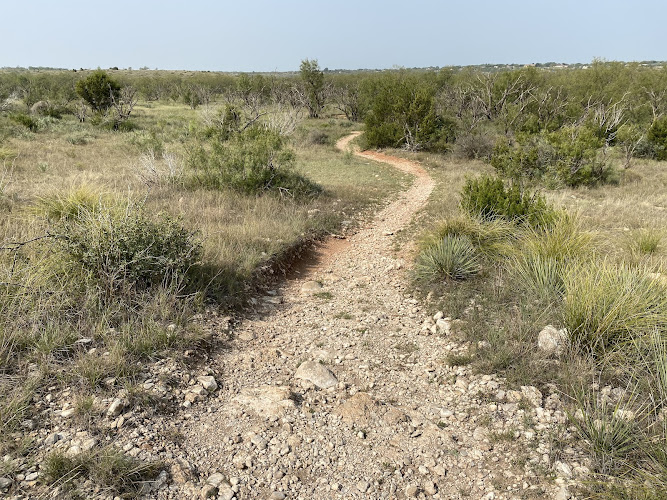
San Angelo State Park, South Entrance
About San Angelo State Park, South Entrance
Description
San Angelo State Park's South Entrance serves as a gateway to one of Texas's most underappreciated natural treasures. Unlike the more crowded northern sections, this southern access point offers visitors a quieter, more intimate experience with the raw beauty of West Texas landscape. The park sprawls across 7,677 acres along the shores of O.C. Fisher Reservoir, and honestly, the south entrance feels like discovering a secret that most tourists haven't figured out yet. What strikes you first when entering through the south gate is the immediate sense of space and solitude. While other Texas state parks can feel overrun during peak seasons, this entrance seems to filter out some of the crowds, leaving you with miles of trails, fishing spots, and camping areas that don't feel like you're waiting in line for nature. The landscape here tells the story of Texas in layers - red sandstone bluffs, mesquite-dotted hills, and that endless sky that makes you understand why people fall in love with this state. The park's location in Tom Green County puts it right in the heart of Texas, making it surprisingly accessible from major cities while maintaining that authentic West Texas feel. And let me tell you, there's something about the light here - especially in the late afternoon when it hits those red rocks - that makes even amateur photographers feel like they're capturing something magical.Key Features
The South Entrance of San Angelo State Park offers distinctive features that set it apart from other outdoor destinations in the region: • **Miles of hiking trails** ranging from easy walks suitable for families to more challenging routes that reward hikers with panoramic views of the reservoir and surrounding hill country • **Wheelchair accessible facilities** including the entrance, parking areas, and select trail sections, making outdoor recreation available to visitors of all mobility levels • **Dog-friendly environment** where four-legged family members can explore alongside their humans on designated trails and camping areas • **Dedicated cycling lanes** that wind through diverse terrain, offering mountain bikers and casual cyclists safe passage through the park's varied landscape • **Strategically placed picnic areas** with tables and grills positioned to take advantage of shade trees and scenic overlooks • **Clean, well-maintained restroom facilities** located at convenient intervals throughout the park grounds • **Kid-friendly trail options** designed with shorter distances and engaging natural features that keep young explorers interested and motivated • **Prime fishing access** to O.C. Fisher Reservoir, known for its bass, catfish, and crappie populations • **Primitive camping sites** that offer a more authentic outdoor experience away from RV crowds • **Wildlife viewing opportunities** including white-tailed deer, wild turkeys, and over 200 bird speciesBest Time to Visit
Timing your visit to San Angelo State Park's South Entrance can make the difference between a good trip and an absolutely memorable one. From my experience exploring Texas parks, the sweet spot here runs from October through April when temperatures hover in that perfect 60-80 degree range that makes you want to spend entire days outdoors. Fall months, particularly October and November, offer what I consider the ideal conditions. The brutal Texas summer heat finally breaks, but you still get plenty of warm, sunny days perfect for hiking and camping. Wildlife becomes more active too - you'll spot more deer and birds during these cooler months since they're not hiding out during the scorching midday heat. Winter months bring their own charm, though you'll need to pack layers. Daytime temperatures often reach comfortable levels, but nights can dip into the 30s. But here's the thing - winter camping in Texas is actually pretty fantastic if you're prepared. Clear skies, minimal humidity, and that crisp air that makes campfires feel extra cozy. Spring arrives early in this part of Texas, usually by March, and brings wildflower displays that can be absolutely stunning depending on winter rainfall. However, spring also means potential for severe weather, so keep an eye on forecasts and have backup plans. Summer visits require serious heat management strategies. We're talking temperatures regularly exceeding 100 degrees, which makes hiking dangerous during midday hours. If you must visit between June and September, plan activities for early morning or evening hours, bring way more water than you think you'll need, and honestly consider whether indoor activities in nearby San Angelo might be a better option during peak heat hours.How to Get There
Getting to San Angelo State Park's South Entrance requires a bit more navigation than simply following highway signs, but that's part of what keeps it relatively uncrowded. The park sits about seven miles northwest of downtown San Angelo, and while GPS will get you in the general area, knowing the specific route helps avoid confusion. From San Angelo, travelers typically take US Highway 87 north, but accessing the south entrance specifically requires turning west onto Mercedes Street, which becomes a county road as it heads toward the reservoir. The route isn't as clearly marked as some state park entrances, so paying attention to road signs becomes important - especially since there are multiple ways to access different sections of the park. For visitors coming from Austin or San Antonio, the drive takes roughly three hours via US Highway 87 north. The route passes through small Texas towns that offer good stopping points for fuel and snacks. From Dallas or Fort Worth, expect about a four-hour drive, typically routing through Abilene and then south on US 87. Air travelers can fly into San Angelo Regional Airport, located about 20 miles from the park. Car rental availability at the airport is limited, so booking ahead is essential. Alternatively, larger airports in Austin or Dallas offer more rental options but obviously require longer drives. One thing to keep in mind - this part of Texas doesn't have the same density of gas stations and convenience stores you might expect coming from urban areas. Fuel up in San Angelo before heading to the park, especially if you're planning to do any exploring in the surrounding area.Tips for Visiting
After spending considerable time exploring various entrances to San Angelo State Park, I've learned that the South Entrance rewards visitors who come prepared and approach it with realistic expectations. This isn't a highly developed tourist destination - it's a place where preparation and flexibility matter more than fancy gear. Water management becomes critical here, regardless of season. Even during cooler months, the West Texas sun and low humidity can dehydrate you faster than expected. Pack at least twice as much water as you think you'll need, and don't count on finding water sources along trails. The park has facilities, but carrying your own supply for hiking is non-negotiable. Footwear choices can make or break your experience. The terrain includes loose rocks, sand, and occasional thorny vegetation. Sturdy hiking boots provide better protection than trail runners, particularly if you plan to explore off the main paths. And speaking of thorny vegetation - this is mesquite and cactus country, so watch where you sit and step. Timing your activities matters more here than at many other parks. Early morning and late afternoon offer the best conditions for hiking and wildlife viewing. Middle-of-the-day hours work well for fishing or just relaxing at your campsite, but hiking during peak sun hours - especially in summer - ranges from unpleasant to dangerous. The park's wildlife adds to its appeal, but also requires awareness. Rattlesnakes are present, particularly during warmer months, so make noise while hiking and watch where you place hands and feet. Most snakes avoid human contact, but surprises benefit no one. Wild hogs also inhabit the area and can be aggressive if cornered or protecting young. Cell phone coverage can be spotty throughout the park, which some visitors find frustrating but others consider a feature. Download maps to your phone before arriving, let someone know your planned activities and expected return times, and consider carrying a basic first aid kit. Fishing enthusiasts should check current regulations and lake conditions before assuming good fishing. O.C. Fisher Reservoir's water levels fluctuate significantly based on rainfall and water management needs, which affects fish populations and access points. The park office or local bait shops can provide current conditions. Weather in this part of Texas changes quickly, particularly during spring months. What starts as a pleasant morning can turn into severe thunderstorms by afternoon. Pack rain gear even when forecasts look clear, and have plans for seeking shelter if needed. Lastly, embrace the pace and character of this place rather than fighting it. San Angelo State Park's South Entrance doesn't offer the dramatic scenery of Big Bend or the amenities of more developed parks. But it provides something increasingly rare - space, quiet, and a chance to experience Texas landscapes without crowds and commercialization. Approach it with that mindset, and you'll likely find it exceeds expectations in ways you didn't anticipate.Key Features
- Key Features
- Best Time to Visit
- How to Get There
- Tips for Visiting
More Details
Updated September 14, 2025
Table of Contents
- Description
- Key Features
- Best Time to Visit
- How to Get There
- Tips for Visiting
- Key Highlights
- Location
- Places to Stay Near San Angelo State Park, South Entrance
- Find and Book a Tour
- Explore More Travel Guides
- Nearby Places You Might Like
- Traveler Reviews for San Angelo State Park, South Entrance
- Share Your Experience
Description
San Angelo State Park’s South Entrance serves as a gateway to one of Texas’s most underappreciated natural treasures. Unlike the more crowded northern sections, this southern access point offers visitors a quieter, more intimate experience with the raw beauty of West Texas landscape. The park sprawls across 7,677 acres along the shores of O.C. Fisher Reservoir, and honestly, the south entrance feels like discovering a secret that most tourists haven’t figured out yet.
What strikes you first when entering through the south gate is the immediate sense of space and solitude. While other Texas state parks can feel overrun during peak seasons, this entrance seems to filter out some of the crowds, leaving you with miles of trails, fishing spots, and camping areas that don’t feel like you’re waiting in line for nature. The landscape here tells the story of Texas in layers – red sandstone bluffs, mesquite-dotted hills, and that endless sky that makes you understand why people fall in love with this state.
The park’s location in Tom Green County puts it right in the heart of Texas, making it surprisingly accessible from major cities while maintaining that authentic West Texas feel. And let me tell you, there’s something about the light here – especially in the late afternoon when it hits those red rocks – that makes even amateur photographers feel like they’re capturing something magical.
Key Features
The South Entrance of San Angelo State Park offers distinctive features that set it apart from other outdoor destinations in the region:
• **Miles of hiking trails** ranging from easy walks suitable for families to more challenging routes that reward hikers with panoramic views of the reservoir and surrounding hill country
• **Wheelchair accessible facilities** including the entrance, parking areas, and select trail sections, making outdoor recreation available to visitors of all mobility levels
• **Dog-friendly environment** where four-legged family members can explore alongside their humans on designated trails and camping areas
• **Dedicated cycling lanes** that wind through diverse terrain, offering mountain bikers and casual cyclists safe passage through the park’s varied landscape
• **Strategically placed picnic areas** with tables and grills positioned to take advantage of shade trees and scenic overlooks
• **Clean, well-maintained restroom facilities** located at convenient intervals throughout the park grounds
• **Kid-friendly trail options** designed with shorter distances and engaging natural features that keep young explorers interested and motivated
• **Prime fishing access** to O.C. Fisher Reservoir, known for its bass, catfish, and crappie populations
• **Primitive camping sites** that offer a more authentic outdoor experience away from RV crowds
• **Wildlife viewing opportunities** including white-tailed deer, wild turkeys, and over 200 bird species
Best Time to Visit
Timing your visit to San Angelo State Park’s South Entrance can make the difference between a good trip and an absolutely memorable one. From my experience exploring Texas parks, the sweet spot here runs from October through April when temperatures hover in that perfect 60-80 degree range that makes you want to spend entire days outdoors.
Fall months, particularly October and November, offer what I consider the ideal conditions. The brutal Texas summer heat finally breaks, but you still get plenty of warm, sunny days perfect for hiking and camping. Wildlife becomes more active too – you’ll spot more deer and birds during these cooler months since they’re not hiding out during the scorching midday heat.
Winter months bring their own charm, though you’ll need to pack layers. Daytime temperatures often reach comfortable levels, but nights can dip into the 30s. But here’s the thing – winter camping in Texas is actually pretty fantastic if you’re prepared. Clear skies, minimal humidity, and that crisp air that makes campfires feel extra cozy.
Spring arrives early in this part of Texas, usually by March, and brings wildflower displays that can be absolutely stunning depending on winter rainfall. However, spring also means potential for severe weather, so keep an eye on forecasts and have backup plans.
Summer visits require serious heat management strategies. We’re talking temperatures regularly exceeding 100 degrees, which makes hiking dangerous during midday hours. If you must visit between June and September, plan activities for early morning or evening hours, bring way more water than you think you’ll need, and honestly consider whether indoor activities in nearby San Angelo might be a better option during peak heat hours.
How to Get There
Getting to San Angelo State Park’s South Entrance requires a bit more navigation than simply following highway signs, but that’s part of what keeps it relatively uncrowded. The park sits about seven miles northwest of downtown San Angelo, and while GPS will get you in the general area, knowing the specific route helps avoid confusion.
From San Angelo, travelers typically take US Highway 87 north, but accessing the south entrance specifically requires turning west onto Mercedes Street, which becomes a county road as it heads toward the reservoir. The route isn’t as clearly marked as some state park entrances, so paying attention to road signs becomes important – especially since there are multiple ways to access different sections of the park.
For visitors coming from Austin or San Antonio, the drive takes roughly three hours via US Highway 87 north. The route passes through small Texas towns that offer good stopping points for fuel and snacks. From Dallas or Fort Worth, expect about a four-hour drive, typically routing through Abilene and then south on US 87.
Air travelers can fly into San Angelo Regional Airport, located about 20 miles from the park. Car rental availability at the airport is limited, so booking ahead is essential. Alternatively, larger airports in Austin or Dallas offer more rental options but obviously require longer drives.
One thing to keep in mind – this part of Texas doesn’t have the same density of gas stations and convenience stores you might expect coming from urban areas. Fuel up in San Angelo before heading to the park, especially if you’re planning to do any exploring in the surrounding area.
Tips for Visiting
After spending considerable time exploring various entrances to San Angelo State Park, I’ve learned that the South Entrance rewards visitors who come prepared and approach it with realistic expectations. This isn’t a highly developed tourist destination – it’s a place where preparation and flexibility matter more than fancy gear.
Water management becomes critical here, regardless of season. Even during cooler months, the West Texas sun and low humidity can dehydrate you faster than expected. Pack at least twice as much water as you think you’ll need, and don’t count on finding water sources along trails. The park has facilities, but carrying your own supply for hiking is non-negotiable.
Footwear choices can make or break your experience. The terrain includes loose rocks, sand, and occasional thorny vegetation. Sturdy hiking boots provide better protection than trail runners, particularly if you plan to explore off the main paths. And speaking of thorny vegetation – this is mesquite and cactus country, so watch where you sit and step.
Timing your activities matters more here than at many other parks. Early morning and late afternoon offer the best conditions for hiking and wildlife viewing. Middle-of-the-day hours work well for fishing or just relaxing at your campsite, but hiking during peak sun hours – especially in summer – ranges from unpleasant to dangerous.
The park’s wildlife adds to its appeal, but also requires awareness. Rattlesnakes are present, particularly during warmer months, so make noise while hiking and watch where you place hands and feet. Most snakes avoid human contact, but surprises benefit no one. Wild hogs also inhabit the area and can be aggressive if cornered or protecting young.
Cell phone coverage can be spotty throughout the park, which some visitors find frustrating but others consider a feature. Download maps to your phone before arriving, let someone know your planned activities and expected return times, and consider carrying a basic first aid kit.
Fishing enthusiasts should check current regulations and lake conditions before assuming good fishing. O.C. Fisher Reservoir’s water levels fluctuate significantly based on rainfall and water management needs, which affects fish populations and access points. The park office or local bait shops can provide current conditions.
Weather in this part of Texas changes quickly, particularly during spring months. What starts as a pleasant morning can turn into severe thunderstorms by afternoon. Pack rain gear even when forecasts look clear, and have plans for seeking shelter if needed.
Lastly, embrace the pace and character of this place rather than fighting it. San Angelo State Park’s South Entrance doesn’t offer the dramatic scenery of Big Bend or the amenities of more developed parks. But it provides something increasingly rare – space, quiet, and a chance to experience Texas landscapes without crowds and commercialization. Approach it with that mindset, and you’ll likely find it exceeds expectations in ways you didn’t anticipate.
Key Highlights
- Key Features
- Best Time to Visit
- How to Get There
- Tips for Visiting
Location
Places to Stay Near San Angelo State Park, South Entrance
Find and Book a Tour
Explore More Travel Guides
No reviews found! Be the first to review!
Traveler Reviews for San Angelo State Park, South Entrance
There are no reviews yet. Be the first one to write one.
Have you visited San Angelo State Park, South Entrance? Help other travelers by sharing your review.
You Might Also Like
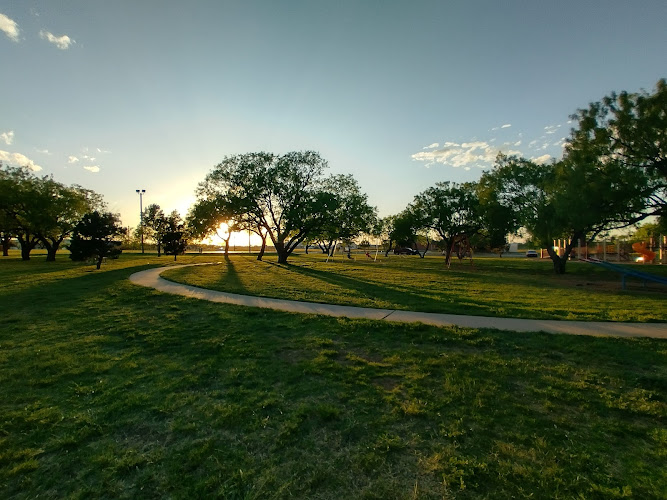
Mountainview Park
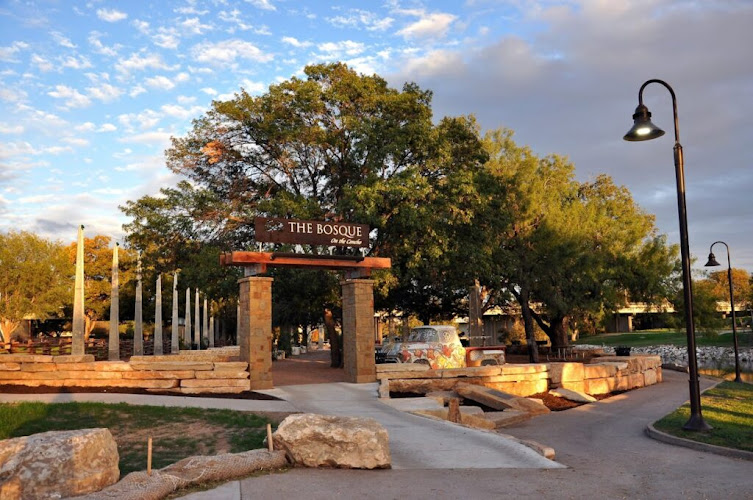
The Bosque along the Concho River
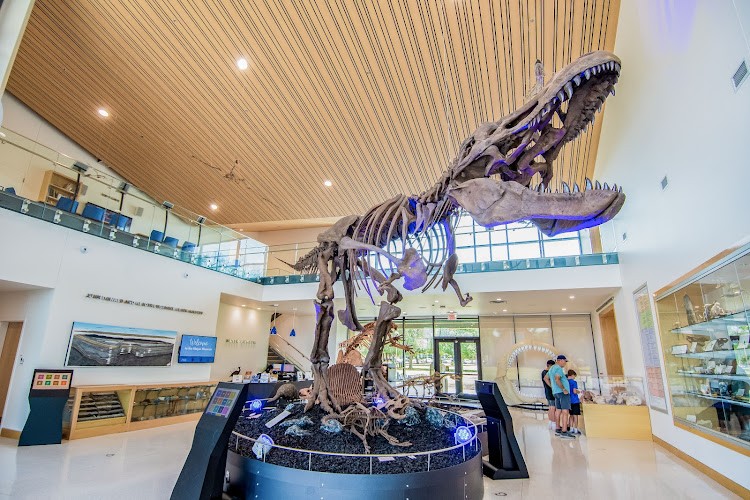
ASU Mayer Museum
Find Accommodations Nearby
Recommended Tours & Activities
Visitor Reviews
There are no reviews yet. Be the first one to write one.
Share Your Experience
Have you visited San Angelo State Park, South Entrance? Help other travelers by leaving a review.