
Baptistry
About Baptistry
Key Features
More Details
Updated April 16, 2024
## Baptistry at Sabratha (Libya): What It Is, Where to Find It, and How to Read the Ruins
Sabratha’s baptistry is one of North Africa’s most evocative traces of late antique Christianity—a purpose-built structure for full-immersion baptism attached to a basilica inside the UNESCO-listed archaeological zone west of Tripoli. You’re looking at a rare survival: a dedicated baptistery with a sunken font, added when the city’s civic buildings were being repurposed as churches under Byzantine rule. World Heritage Centre
### Quick orientation
– Where: Inside the Archaeological Site of Sabratha (Tripolitania), about 70 km west of Tripoli on the Mediterranean coast. The whole city—forum, theater, baths, temples—forms a single protected area.
– What: A late antique/Byzantine baptistry attached to a Christian basilica (often associated in descriptions with the Basilica of Apuleus/Justinian’s basilica). The baptistry served as the architectural stage for baptism, the central initiation rite of the early church.
– Conservation status: Sabratha has been on UNESCO’s List of World Heritage in Danger since 2016 due to conflict-related threats and conservation risks. Access conditions and on-site protections can change. World Heritage Centre
—
## What to look for at the baptistry
The plan and the font. Behind the basilica’s apsidal end you’ll find the baptistry chamber with a full-immersion baptismal font. Descriptions from field observers note a cross-shaped basin reached by three descending steps—a symbolic triad that’s widely attested in late antique North Africa. If you can see the steps and arms of the cross in situ, you’re standing at the spot where catechumens were immersed and anointed.
Placement matters. The baptistry’s location behind the apse (or to the north side in other reconstructions) reflects a late antique preference to attach the ritual space to, but distinct from, the church proper—close enough for processions yet acoustically and spatially separate for instruction and the rites of initiation. The positioning at Sabratha matches broader Mediterranean practice.
Reading the walls. In several areas around Sabratha’s Christian complexes, archaeologists have recorded inscribed graves and monogram crosses (though notably not the Chi-Rho form here), including near an early baptistry courtyard. These epigraphic traces help date phases of Christianization and show how burial, commemoration, and baptism clustered around church precincts. of Libya
A living palimpsest. Many late antique churches at Sabratha recycle Roman architectural elements. Literary and archaeological syntheses note that the Justinianic basilica drew on spolia from earlier monuments, reflecting both theological re-signification and pragmatic reuse during sixth-century contraction of the city within new Byzantine walls. The baptistry belongs to this same transformation: a Christian layer woven into earlier civic fabric.
—
## Why this baptistry is significant
North African baptismal culture. In late antiquity, North Africa developed a rich immersion-font tradition: deep basins, often cruciform, with stairs for candidates and attendants. Sabratha’s font typology—cruciform, stepped, and integrated with an apsed basilica—fits this wider regional pattern, anchoring the site within the liturgical geography of the western Mediterranean.
Urban Christianization in context. Scholarship on Sabratha highlights how multiple churches were inserted into the former civic center, repurposing the forum zone. A standalone baptistry signals a mature Christian community with catechetical cycles, Easter/Pentecost baptisms, and the administrative capacity to build specialized liturgical spaces rather than improvising within a nave. University Press & Assessment
—
## Locating it on the ground
Within the site’s forum/basilica cluster, look for the basilica ruin commonly associated with Apuleus/Justinian in guides and captions; the baptistry chamber lies directly behind the apse. Photo archives and on-site captions label this area as the “Byzantine baptistery” connected to the basilica. From the Capitolium and theater, you can visually orient to the basilica massing and then step behind the apse to identify the baptismal room. Commons
—
## Conservation, access, and what’s changed
– In-danger listing (since 2016). UNESCO’s danger inscription underscores risks tied to security, conflict, and conservation capacity. Practical fallout includes intermittent site access, reduced services, and uneven signage/guarding. Always verify current conditions through official or in-country channels before planning a visit. World Heritage Centre
– Environmental stress. Independent studies and reports flag coastal erosion and weathering of Sabratha’s calcarenite masonry—especially baths and seafront structures. Even interior features are vulnerable through salt spray and rising seas, compounding the need for careful site management. Expect areas cordoned off or altered by stabilization works.
Outdated data to flag: Many pre-2011 guidebooks list regular opening hours, ticket prices, museum displays, and unrestricted movement across the ruins. Given the 2016–present danger status and shifting security environment, treat those details as outdated until independently confirmed. World Heritage Centre
—
## How to read the space during your visit
– Stand at the apse and trace the rite. Picture catechumens descending the steps into the cross-shaped font, sponsors at their side, presbyters anointing, and the newly baptized processing through the apse back into the assembly. The architecture choreographs that story.
– Scan for reused pieces (spolia). Column drums, capitals, and re-cut blocks reveal the Byzantine rebuilding phase. The baptistry’s masonry may mix earlier Roman stone with late antique brick/patching—typical of sixth-century church works recorded at Sabratha.
– Look beyond the room. Nearby inscriptions and burial areas around the church precinct highlight how initiation, memory, and liturgy overlapped in the late antique cityscape. of Libya
—
## Practical notes (be cautious and current)
– Permissions & escorts: Requirements can vary; on-the-ground realities shift. Confirm current access protocols and local guidance before travel. (This is not travel advice—conditions change and must be checked locally.) World Heritage Centre
– Site etiquette: This is a sacred archaeological context. Avoid stepping into the font or climbing conserved features; follow local custodian guidance where present.
– Combine with context: If access allows, pair the baptistry with Sabratha’s theater, forum, and baths to see how late antique worship spaces were inserted into a Roman urban core.
—
### Summary for researchers and enthusiasts
The Sabratha baptistry encapsulates a late antique program of Christianization: adaptive reuse of a civic basilica; addition of a dedicated immersion space behind the apse; integration with burial/inscription zones; and survival today within a fragile coastal ruin field. Its form and placement mirror broader North African and eastern Mediterranean trends, while its conservation story tracks Libya’s recent upheavals—making any on-site observation contingent on security and preservation updates.
Note on inclusivity & accuracy: Names vary across sources (e.g., “Apuleus,” “Apuleius”; “baptistry,” “baptistery”). Spellings here follow common English-language references; alternate transliterations in Arabic and Italian exist in site signage and archives. All on-the-ground logistics should be re-verified due to the site’s current in-danger status. World Heritage Centre
Table of Contents
Key Highlights
Baptistry
Location
Places to Stay Near Baptistry
Find and Book a Tour
Explore More Travel Guides
No reviews found! Be the first to review!
Traveler Reviews for Baptistry
There are no reviews yet. Be the first one to write one.
Have you visited Baptistry? Help other travelers by sharing your review.
You Might Also Like
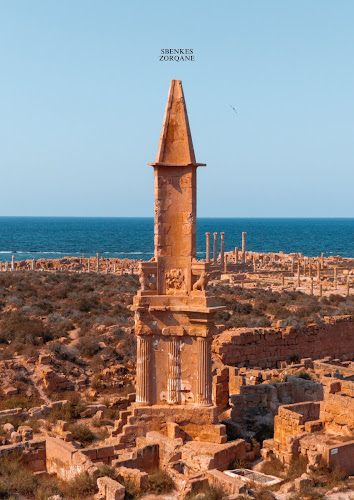
Mausoleum of Bes
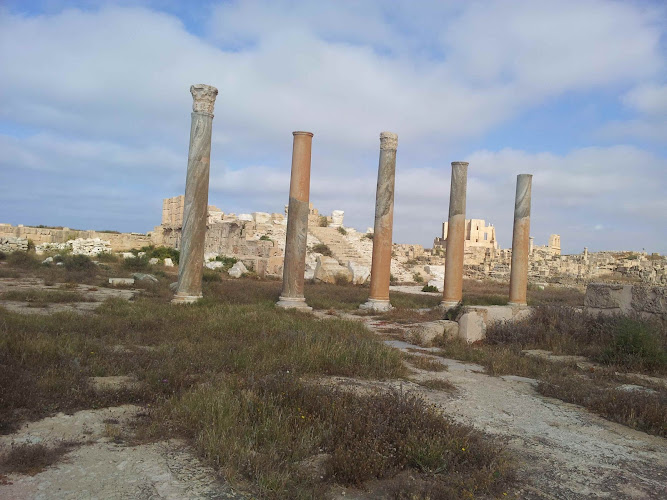
Judicial Basilica

Sabratha Ancient Theatre
Find Accommodations Nearby
Recommended Tours & Activities
Visitor Reviews
There are no reviews yet. Be the first one to write one.
Share Your Experience
Have you visited Baptistry? Help other travelers by leaving a review.