
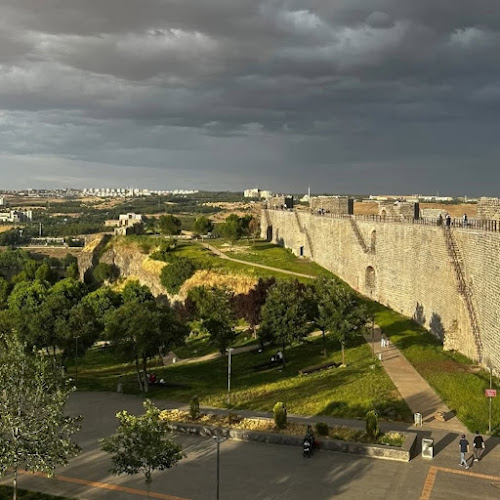
Historic Walls of Diyarbakir
About Historic Walls of Diyarbakir
Description
The Historic Walls of Diyarbakır stand as one of the most remarkable fortifications you'll ever encounter in Turkey – and honestly, probably anywhere in the world. These ancient barriers stretch over 5.5 kilometers around the old city, creating what feels like a journey through time itself. I've always been fascinated by how these walls manage to tell such a complex story, weaving together Roman engineering, Byzantine modifications, and centuries of Kurdish heritage into one continuous narrative.
What makes these walls truly extraordinary isn't just their impressive scale – though at 12 meters high and 5 meters thick, they're certainly imposing. It's the way they've managed to survive virtually intact for nearly two millennia. When Emperor Constantine ordered their reconstruction in the 4th century AD, building upon even earlier Hurrian foundations, he probably didn't imagine travelers would still be walking alongside them in the 21st century.
The fortress encompasses the entire historic core of Diyarbakır, serving as a living boundary between ancient Mesopotamia and Anatolia. And let me tell you, this isn't some sterile museum piece behind velvet ropes. These walls pulse with everyday life – locals still live within their embrace, children play in their shadows, and the old city continues to thrive just as it has for generations.
The craftsmanship is absolutely stunning. Built primarily from dark basalt stone that gives the walls their distinctive black appearance, they create an almost mystical atmosphere, especially during golden hour. The locals affectionately call them "Ben û Sen," which roughly translates to "me and you" – a poetic reference that captures how intertwined these walls are with the city's identity.
Key Features
The Historic Walls of Diyarbakır offer visitors an incredible array of architectural and historical elements that showcase centuries of military engineering and cultural evolution:
- Longest surviving pre-modern city walls globally – At over 5 kilometers in circumference, these represent the most extensive intact ancient fortification system still standing
- 82 defensive towers strategically positioned along the perimeter, each telling its own story through unique architectural details and inscriptions
- Four main gates that served as the primary entry points into the ancient city, including the famous Mardin Gate and Urfa Gate
- Dual wall system with both outer fortifications and an inner citadel area that provided multiple layers of defense
- Ancient inscriptions and reliefs carved directly into the stone, featuring text in multiple languages including Arabic, Kurdish, and Turkish
- Underground passages and chambers that connected different sections of the fortress and provided escape routes during sieges
- Panoramic viewing points offering spectacular vistas across the Tigris River valley and surrounding Mesopotamian plains
- Integration with historic mosques and churches built directly into or against the wall structure over the centuries
- Original Roman construction techniques still visible in the foundational layers, showcasing ancient engineering methods
- UNESCO World Heritage designation recognizing the walls' outstanding universal value to human civilization
Best Time to Visit
Timing your visit to the Historic Walls of Diyarbakır can make the difference between a good experience and an absolutely unforgettable one. Spring (April through June) is arguably the sweet spot – the weather's perfect for walking those 5.5 kilometers, and you'll find the surrounding landscape beautifully green without the scorching heat that comes later.
But here's something most guidebooks won't tell you: early autumn (September and October) might actually be even better. The summer crowds have thinned out, temperatures have dropped to comfortable levels, and there's this golden quality to the light that makes the dark basalt stones absolutely glow. I've found that October mornings are particularly magical – crisp air, soft light, and you'll often have entire sections of the walls practically to yourself.
Summer visits require some strategy. July and August can be brutal, with temperatures soaring well above 35°C (95°F). If you're visiting during these months, start early – I'm talking sunrise early. By 7 AM, you'll have incredible lighting for photos and comfortable temperatures for walking. Plus, you'll experience the walls waking up with the city, which has its own special charm.
Winter shouldn't be completely written off, though the weather can be unpredictable. December through February brings occasional snow, which transforms the walls into something almost mystical. Just dress warmly and be prepared for shorter daylight hours.
For the absolute best experience regardless of season, plan to spend both early morning and late afternoon here. The walls look completely different in morning versus evening light, and you'll want time to explore both the exterior perimeter and climb up onto the ramparts where access is available.
How to Get There
Getting to the Historic Walls of Diyarbakır is refreshingly straightforward, especially considering you're dealing with a 1,700-year-old monument. The walls essentially ring the old city center, so once you're in Diyarbakır proper, you really can't miss them.
Flying into Diyarbakır Airport is your most convenient option if you're coming from elsewhere in Turkey or internationally. The airport sits about 8 kilometers from the city center, and taxis are readily available – expect to pay around 30-40 Turkish Lira for the ride. Some hotels offer shuttle services, so check when you're booking accommodation.
If you're the adventurous type, the bus system in Turkey is excellent. Diyarbakır's main bus terminal (otogar) connects to virtually every major city in the country. From the terminal, local buses or a short taxi ride will get you to the old city walls. The bus terminal can feel overwhelming at first, but staff are generally helpful, and most speak at least basic English.
Driving gives you maximum flexibility, though parking near the walls can be tricky during busy periods. The old city streets are narrow – some dating back centuries – so larger vehicles might struggle. There are several parking areas around the perimeter, with the most convenient being near the main gates.
Once you're in the vicinity, navigation becomes intuitive. The walls form a complete circuit, so you can start from any point and work your way around. Most visitors begin at either the Mardin Gate or Urfa Gate, where you'll find information panels and usually other travelers getting oriented.
Local dolmuş (shared minibuses) are an authentic way to get around the city, though they can be confusing for first-time visitors. Ask your hotel receptionist to write down your destination in Turkish – this simple step will save you considerable confusion and time.
Tips for Visiting
Walking the complete perimeter of these walls is no casual stroll – we're talking about 5.5 kilometers of uneven terrain, stairs, and varying elevation. Comfortable walking shoes are absolutely essential. I learned this the hard way during my first visit, wearing completely inappropriate footwear and regretting it by kilometer two.
Bring more water than you think you'll need, especially during warmer months. There are a few small shops and cafes along the route, but don't count on them being open or having cold drinks available. A small backpack with water, snacks, and perhaps a light jacket for evening visits will make your experience much more comfortable.
Photography enthusiasts should plan for multiple visits or a very long single visit. The walls offer incredible photo opportunities, but lighting conditions change dramatically throughout the day. Those dark basalt stones can be challenging to photograph in harsh midday sun but absolutely stunning during golden hour.
Don't try to rush the complete circuit. This isn't just about covering distance – these walls deserve contemplation. Set aside at least 3-4 hours for a thorough exploration, longer if you want to really absorb the atmosphere and perhaps enjoy a meal in the old city.
Learn a few basic Kurdish phrases before visiting. While Turkish is widely spoken, showing respect for the local Kurdish culture will be appreciated. Simple greetings like "Silav" (hello) can open doors to conversations and recommendations you might otherwise miss.
The walls are generally family-friendly, and kids often find the towers and gates fascinating. However, some sections involve climbing stairs or walking along elevated ramparts where supervision is important. The good news is that children often spot details that adults miss – those ancient inscriptions and architectural quirks that make these walls so special.
Consider hiring a local guide for at least part of your visit. The historical layers here are incredibly complex, spanning Romans, Byzantines, various Islamic dynasties, and Ottoman periods. A knowledgeable guide can point out details and share stories that transform stones into living history.
Respect the fact that this is a living neighborhood, not just a tourist attraction. People live within these walls, run businesses here, and go about their daily lives. Be mindful when taking photos and remember that you're a guest in their community.
Key Features
- Over 5.5 km of largely intact basalt city walls encircling Sur
- Numerous towers and fortified gates (e.g., Dağkapı, Urfa Gate)
- Stone inscriptions and reliefs spanning Roman, Byzantine, Islamic and Ottoman periods
- Inner citadel (İçkale) and views over the Hevsel Gardens and Tigris valley
- UNESCO-listed cultural landscape with strong historical continuity
More Details
Updated September 22, 2025
Table of Contents
Description
The Historic Walls of Diyarbakır stand as one of the most remarkable fortifications you’ll ever encounter in Turkey – and honestly, probably anywhere in the world. These ancient barriers stretch over 5.5 kilometers around the old city, creating what feels like a journey through time itself. I’ve always been fascinated by how these walls manage to tell such a complex story, weaving together Roman engineering, Byzantine modifications, and centuries of Kurdish heritage into one continuous narrative.
What makes these walls truly extraordinary isn’t just their impressive scale – though at 12 meters high and 5 meters thick, they’re certainly imposing. It’s the way they’ve managed to survive virtually intact for nearly two millennia. When Emperor Constantine ordered their reconstruction in the 4th century AD, building upon even earlier Hurrian foundations, he probably didn’t imagine travelers would still be walking alongside them in the 21st century.
The fortress encompasses the entire historic core of Diyarbakır, serving as a living boundary between ancient Mesopotamia and Anatolia. And let me tell you, this isn’t some sterile museum piece behind velvet ropes. These walls pulse with everyday life – locals still live within their embrace, children play in their shadows, and the old city continues to thrive just as it has for generations.
The craftsmanship is absolutely stunning. Built primarily from dark basalt stone that gives the walls their distinctive black appearance, they create an almost mystical atmosphere, especially during golden hour. The locals affectionately call them “Ben û Sen,” which roughly translates to “me and you” – a poetic reference that captures how intertwined these walls are with the city’s identity.
Key Features
The Historic Walls of Diyarbakır offer visitors an incredible array of architectural and historical elements that showcase centuries of military engineering and cultural evolution:
- Longest surviving pre-modern city walls globally – At over 5 kilometers in circumference, these represent the most extensive intact ancient fortification system still standing
- 82 defensive towers strategically positioned along the perimeter, each telling its own story through unique architectural details and inscriptions
- Four main gates that served as the primary entry points into the ancient city, including the famous Mardin Gate and Urfa Gate
- Dual wall system with both outer fortifications and an inner citadel area that provided multiple layers of defense
- Ancient inscriptions and reliefs carved directly into the stone, featuring text in multiple languages including Arabic, Kurdish, and Turkish
- Underground passages and chambers that connected different sections of the fortress and provided escape routes during sieges
- Panoramic viewing points offering spectacular vistas across the Tigris River valley and surrounding Mesopotamian plains
- Integration with historic mosques and churches built directly into or against the wall structure over the centuries
- Original Roman construction techniques still visible in the foundational layers, showcasing ancient engineering methods
- UNESCO World Heritage designation recognizing the walls’ outstanding universal value to human civilization
Best Time to Visit
Timing your visit to the Historic Walls of Diyarbakır can make the difference between a good experience and an absolutely unforgettable one. Spring (April through June) is arguably the sweet spot – the weather’s perfect for walking those 5.5 kilometers, and you’ll find the surrounding landscape beautifully green without the scorching heat that comes later.
But here’s something most guidebooks won’t tell you: early autumn (September and October) might actually be even better. The summer crowds have thinned out, temperatures have dropped to comfortable levels, and there’s this golden quality to the light that makes the dark basalt stones absolutely glow. I’ve found that October mornings are particularly magical – crisp air, soft light, and you’ll often have entire sections of the walls practically to yourself.
Summer visits require some strategy. July and August can be brutal, with temperatures soaring well above 35°C (95°F). If you’re visiting during these months, start early – I’m talking sunrise early. By 7 AM, you’ll have incredible lighting for photos and comfortable temperatures for walking. Plus, you’ll experience the walls waking up with the city, which has its own special charm.
Winter shouldn’t be completely written off, though the weather can be unpredictable. December through February brings occasional snow, which transforms the walls into something almost mystical. Just dress warmly and be prepared for shorter daylight hours.
For the absolute best experience regardless of season, plan to spend both early morning and late afternoon here. The walls look completely different in morning versus evening light, and you’ll want time to explore both the exterior perimeter and climb up onto the ramparts where access is available.
How to Get There
Getting to the Historic Walls of Diyarbakır is refreshingly straightforward, especially considering you’re dealing with a 1,700-year-old monument. The walls essentially ring the old city center, so once you’re in Diyarbakır proper, you really can’t miss them.
Flying into Diyarbakır Airport is your most convenient option if you’re coming from elsewhere in Turkey or internationally. The airport sits about 8 kilometers from the city center, and taxis are readily available – expect to pay around 30-40 Turkish Lira for the ride. Some hotels offer shuttle services, so check when you’re booking accommodation.
If you’re the adventurous type, the bus system in Turkey is excellent. Diyarbakır’s main bus terminal (otogar) connects to virtually every major city in the country. From the terminal, local buses or a short taxi ride will get you to the old city walls. The bus terminal can feel overwhelming at first, but staff are generally helpful, and most speak at least basic English.
Driving gives you maximum flexibility, though parking near the walls can be tricky during busy periods. The old city streets are narrow – some dating back centuries – so larger vehicles might struggle. There are several parking areas around the perimeter, with the most convenient being near the main gates.
Once you’re in the vicinity, navigation becomes intuitive. The walls form a complete circuit, so you can start from any point and work your way around. Most visitors begin at either the Mardin Gate or Urfa Gate, where you’ll find information panels and usually other travelers getting oriented.
Local dolmuş (shared minibuses) are an authentic way to get around the city, though they can be confusing for first-time visitors. Ask your hotel receptionist to write down your destination in Turkish – this simple step will save you considerable confusion and time.
Tips for Visiting
Walking the complete perimeter of these walls is no casual stroll – we’re talking about 5.5 kilometers of uneven terrain, stairs, and varying elevation. Comfortable walking shoes are absolutely essential. I learned this the hard way during my first visit, wearing completely inappropriate footwear and regretting it by kilometer two.
Bring more water than you think you’ll need, especially during warmer months. There are a few small shops and cafes along the route, but don’t count on them being open or having cold drinks available. A small backpack with water, snacks, and perhaps a light jacket for evening visits will make your experience much more comfortable.
Photography enthusiasts should plan for multiple visits or a very long single visit. The walls offer incredible photo opportunities, but lighting conditions change dramatically throughout the day. Those dark basalt stones can be challenging to photograph in harsh midday sun but absolutely stunning during golden hour.
Don’t try to rush the complete circuit. This isn’t just about covering distance – these walls deserve contemplation. Set aside at least 3-4 hours for a thorough exploration, longer if you want to really absorb the atmosphere and perhaps enjoy a meal in the old city.
Learn a few basic Kurdish phrases before visiting. While Turkish is widely spoken, showing respect for the local Kurdish culture will be appreciated. Simple greetings like “Silav” (hello) can open doors to conversations and recommendations you might otherwise miss.
The walls are generally family-friendly, and kids often find the towers and gates fascinating. However, some sections involve climbing stairs or walking along elevated ramparts where supervision is important. The good news is that children often spot details that adults miss – those ancient inscriptions and architectural quirks that make these walls so special.
Consider hiring a local guide for at least part of your visit. The historical layers here are incredibly complex, spanning Romans, Byzantines, various Islamic dynasties, and Ottoman periods. A knowledgeable guide can point out details and share stories that transform stones into living history.
Respect the fact that this is a living neighborhood, not just a tourist attraction. People live within these walls, run businesses here, and go about their daily lives. Be mindful when taking photos and remember that you’re a guest in their community.
Key Highlights
- Over 5.5 km of largely intact basalt city walls encircling Sur
- Numerous towers and fortified gates (e.g., Dağkapı, Urfa Gate)
- Stone inscriptions and reliefs spanning Roman, Byzantine, Islamic and Ottoman periods
- Inner citadel (İçkale) and views over the Hevsel Gardens and Tigris valley
- UNESCO-listed cultural landscape with strong historical continuity
Location
Places to Stay Near Historic Walls of Diyarbakir
Find and Book a Tour
Explore More Travel Guides
No reviews found! Be the first to review!
Traveler Reviews for Historic Walls of Diyarbakir
There are no reviews yet. Be the first one to write one.
Have you visited Historic Walls of Diyarbakir? Help other travelers by sharing your review.
Nearby Attractions
You Might Also Like
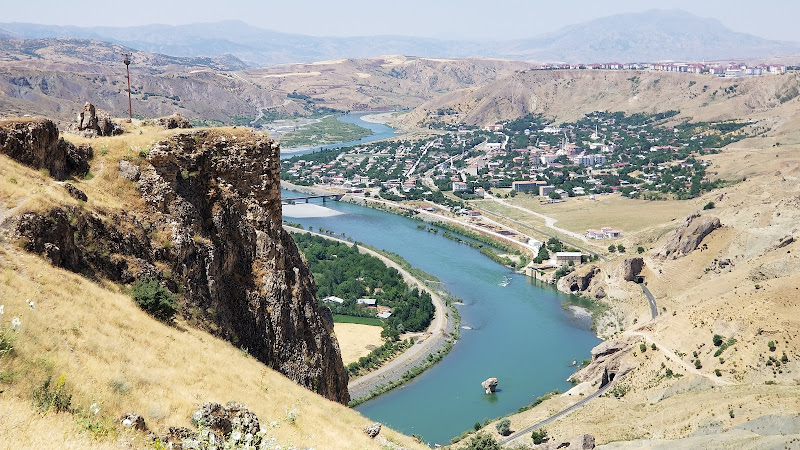
Palu Kalesi
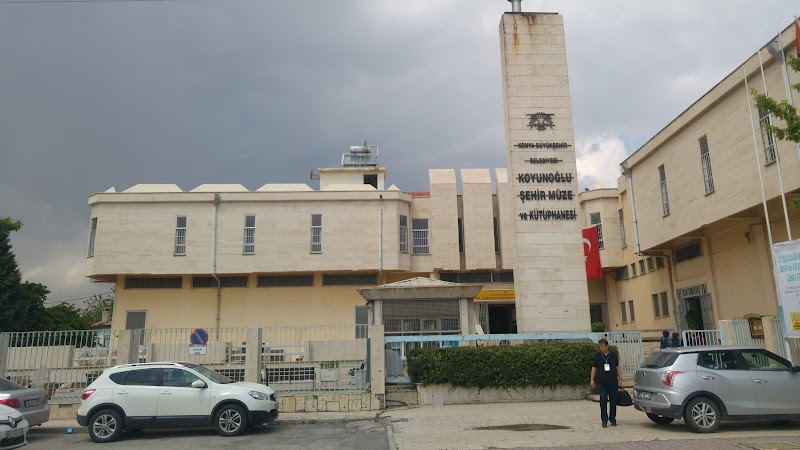
Konya İzzet Koyunoğlu Şehir Müzesi

Zerzevan Kalesi
Find Accommodations Nearby
Recommended Tours & Activities
Visitor Reviews
There are no reviews yet. Be the first one to write one.
Share Your Experience
Have you visited Historic Walls of Diyarbakir? Help other travelers by leaving a review.