
Albaicín, Granada
About Albaicín, Granada
Key Features
More Details
Updated June 10, 2025
## Albaicín, Granada: the Moorish hillside quarter with world-class views (and a few smart ways to explore it)
Coordinates: 37.1815923, −3.5887193 (around Cuesta del Chapiz, the Albaicín–Sacromonte ridge).
UNESCO status: The Albayzín/Albaicín forms part of the Alhambra, Generalife and Albayzín, Granada World Heritage property. The Alhambra/Generalife were inscribed in 1984; the Albayzín was added in 1994 as an extension.
### Why the Albaicín matters
The Albaicín (also spelled Albayzín) is Granada’s historic Moorish neighborhood, built across a steep hill north of the Darro River and famous for its medieval street plan from the Nasrid period (13th–15th c.), miradores (viewpoints), small squares, and whitewashed houses. It retains a labyrinth of narrow, cobbled lanes and key monuments while having changed demographically since 1492.
### Essential viewpoints & streets (with precise, recent context)
– Mirador de San Nicolás – Granada’s classic panorama: the Alhambra backed by the Sierra Nevada. It’s the sunset scene and gets crowded; arrive early to secure a spot.
– Carrera del Darro → Paseo de los Tristes – A photogenic riverside walk below the Alhambra’s walls, lined with 16th-century houses and small bridges; it continues to one of Granada’s most atmospheric promenades. Note: the roadway isn’t fully pedestrian—watch for taxis/minibuses squeezing through.
### The “living history” stops that add depth
– El Bañuelo (Baño del Nogal) – Granada’s best-preserved Islamic hammam outside the Alhambra complex, on the Carrera del Darro. Scholars date it either to the 11th or 12th century; it shows classic cold–warm–hot room sequencing and star-shaped skylights. Accessibility is generally possible inside (with slight slopes). Flag for readers: dating varies by source (11th vs 12th c.).
– Dar al-Horra – A small Nasrid palace near the hilltop once associated with Aixa (Aisha al-Horra), mother of Boabdil, Granada’s last Nasrid ruler. The house centers on a courtyard with a reflecting pool and retains fine stucco details. (Some narratives trace earlier origins; consensus places the standing palace in the 15th century.)
– Casa de Zafra (Albaicín Interpretation Centre) – A 14th-century Nasrid house now used to explain the neighborhood’s history and urban evolution, with vantage points toward the Alhambra.
### Understand the “cármenes” (you’ll notice them)
A carmen is the Albaicín’s signature home-and-garden typology: a freestanding house enclosed by high white walls, with a productive garden (often vines/fruit trees)—the term derives from the Arabic karm (“vineyard”). Today many survive across the Albaicín and nearby Realejo.
—
## Practical guide: getting in, getting around, staying respectful
### Transit that works on steep hills
– C31 (Albaicín–Centro), C32 (Alhambra–Albaicín), C34 (Sacromonte–Centro) are the small city minibuses built for the old town’s tight streets; they loop via Plaza Nueva and the hill neighborhoods. These routes are current in municipal and local transport pages from mid-2025.
### Accessibility & footing—what’s realistic
– Expect steep grades, steps, and cobblestones. Many lanes are not wheelchair-friendly; specialized operators route accessible tours through the lower Albaicín and along flatter segments like parts of Carrera del Darro. If wheels are essential, consider adapted vehicles for hilltop viewpoints.
– City guidance highlights that most Albaicín streets aren’t suitable for pushchairs/wheelchairs; it also lists bus/taxi points and encourages avoiding peak bus times so residents can commute—good etiquette in a lived-in quarter. 360 Travel
### Safety & common hassles (so you keep your day pleasant)
– Around Granada (including the cathedral area and old town), you may encounter the “rosemary/bracelet” hustle—someone presses a sprig or starts a “free” fortune or bracelet, then demands payment. It’s annoying, not dangerous; decline and keep moving. This pattern is documented by local forums and photo guides; it’s also widely reported across Spain.
### When to go
– Sunset at San Nicolás is peak-crowd time; early morning delivers similar clarity with far fewer people. (Crowd notes echoed in recent practical guides.)
—
## A smart 2–3 hour loop (minimize backtracking)
1. Plaza Nueva → Carrera del Darro (flat, scenic warm-up under Alhambra’s walls).
2. El Bañuelo (quick read on Islamic Granada’s daily life).
3. Paseo de los Tristes (extend the river walk).
4. Climb via Cuesta del Chapiz toward San Nicolás (pace yourself; it’s steep).
5. Detour to Casa de Zafra (interpretive center) en route across the upper lanes.
6. Optional capstone: Dar al-Horra for an intimate Nasrid palace space.
7. Return by C31/C32 down to the center from Plaza San Nicolás / Plaza Nueva.
—
## Context that improves your read of the place
– Two hills, one story: The Alhambra/Generalife occupy one ridge; the Albaicín occupies the opposite hill. The Darro River valley separates them. This twin-hill composition is exactly why San Nicolás delivers such an aligned view.
– Post-1492 shifts: After the Reconquista, mosques were replaced or adapted, demographics changed, and some houses merged—one reason cármenes became common inside the quarter, not just on its edges.
– Protected landscapes around the Darro: In 2024 the Valle del Darro—covering zones touching Alhambra, Albaicín and Sacromonte—received BIC (Bien de Interés Cultural) protection as a “Patrimonial Zone,” reinforcing conservation of both cultural and natural values along the valley. SER
—
## Quick answers to things people ask
– Is San Nicolás worth it if I’m short on time? Yes—the view pairs Alhambra + Sierra Nevada in one frame.
– Best “feel” street? Carrera del Darro for water, bridges, and old façades; continue to Paseo de los Tristes.
– One small museum that explains what I’m seeing? Casa de Zafra, the Albaicín Interpretation Centre. Granada
– One palace that isn’t the Alhambra? Dar al-Horra—compact, quiet, textbook Nasrid domestic architecture.
—
## Accuracy & currency checks (so you’re not caught out)
– UNESCO dates above reflect the official record: 1984 listing with the 1994 Albayzín extension.
– Bus route labels (C31/C32/C34) and functions are taken from the city’s mobility site and recent route guides from mid-2025; check on the day for any works or detours.
– El Bañuelo dating varies between 11th and 12th century in reputable sources; plan your narrative accordingly if you’re captioning photos.
—
### Inclusivity note
The Albaicín is a lived-in neighborhood with narrow lanes and limited transit capacity. Yield to residents on minibuses, keep noise down at night, and skip blocking doorways and steps for photos—local guidance specifically asks visitors to avoid crowding peak buses so families can get to school and work. 360 Travel
—
If you’re building out related coverage, natural companion pieces include guides to the Alhambra/Generalife and Sacromonte (caves/flamenco history), plus an in-depth piece on cármenes—all cross-link beautifully from this page.
Table of Contents
Key Highlights
Albaicín, Granada
Location
Places to Stay Near Albaicín, Granada"... stuff but it's not free (ask yourself if they are painting why do they ..."
Find and Book a Tour
Explore More Travel Guides
No reviews found! Be the first to review!
Traveler Reviews for Albaicín, Granada
There are no reviews yet. Be the first one to write one.
Have you visited Albaicín, Granada? Help other travelers by sharing your review.
You Might Also Like
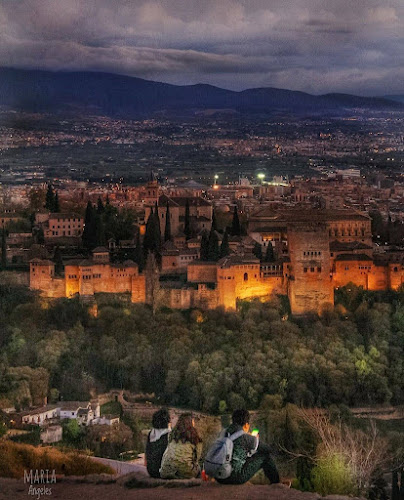
San Miguel Alto viewpoint
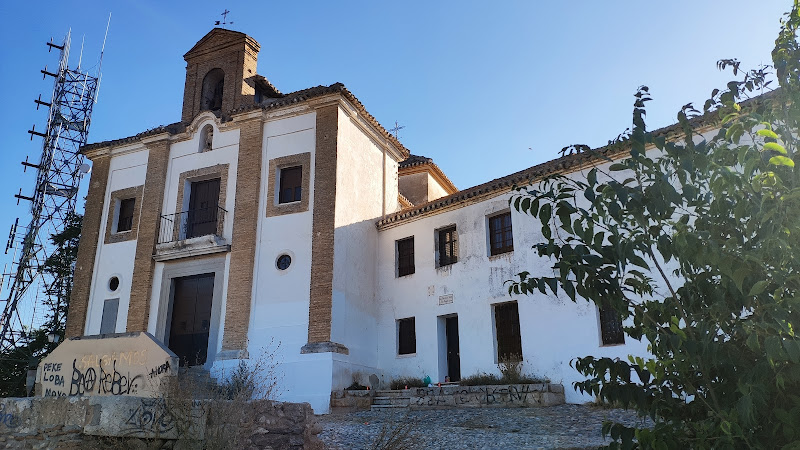
Ermita de San Miguel Alto
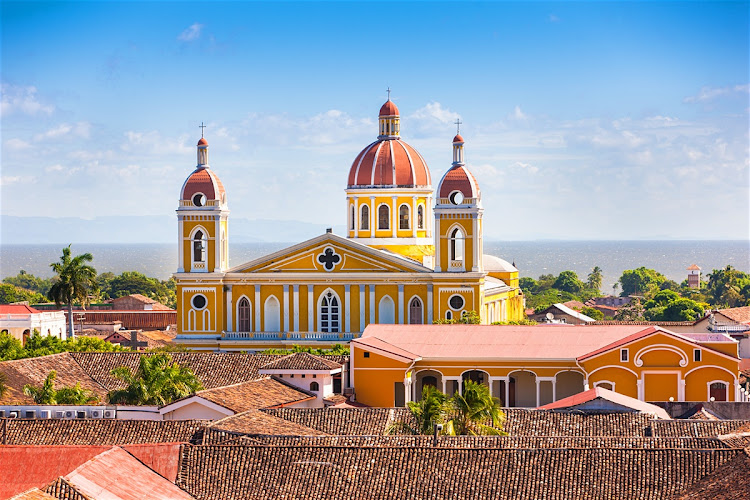
Immaculate Conception of Mary Cathedral Church
Find Accommodations Nearby
Recommended Tours & Activities
Visitor Reviews
There are no reviews yet. Be the first one to write one.
Share Your Experience
Have you visited Albaicín, Granada? Help other travelers by leaving a review.