

Himalayan Tibet Museum
About Himalayan Tibet Museum
Description
The Himalayan Tibet Museum in Darjeeling is one of those places that quietly surprises you. It doesn’t scream for attention the way some attractions do, but once you step inside, you realize it’s a real gem for anyone curious about Tibetan culture, history, and the broader Himalayan way of life. The museum was inaugurated in 2015, so it’s relatively new compared to some of the town’s older institutions, but that freshness works in its favor. The exhibits feel thoughtfully curated, and you can sense that the people behind it genuinely care about preserving and sharing Tibetan heritage.
Inside, you’ll find everything from traditional costumes and religious artifacts to manuscripts and art pieces. One of the highlights is a detailed 3D model of the Himalayas, which always seems to draw a crowd. It’s not just for the geography nerds either—it’s fascinating to see the mountain range laid out like that, especially if you’ve just been gazing at the peaks from Tiger Hill or the Mall Road. The museum is family-friendly, and kids often enjoy the visual displays more than the text-heavy parts. That said, it’s not a massive place, so you won’t feel overwhelmed trying to see everything in one go.
What I personally like about this museum is that it doesn’t lean too heavily on the religious side of Tibetan life. Yes, you’ll see Buddhist artifacts, but the focus is broader—it’s about how Tibetans lived, how they dressed, what they valued, and how they adapted in the Himalayan belt. Some visitors might find it a bit modest compared to big city museums, but that’s also part of the charm. It feels approachable and human, not like you’re walking through endless sterile glass cases.
Key Features
- A 3D model of the Himalayas that gives a unique perspective on the region.
- Artifacts showcasing Tibetan clothing, tools, and daily life.
- Collections of religious items, manuscripts, and thangkas (traditional Tibetan paintings).
- Multimedia exhibits that help explain Tibetan traditions and history.
- Family-friendly environment, good for both adults and kids.
- Basic amenities like restrooms and Wi-Fi available on site.
- Focus on cultural heritage rather than just religious displays.
Best Time to Visit
Darjeeling itself is a year-round destination, but let’s be honest—your experience depends a lot on the weather. The museum is indoors, so technically you can visit anytime, rain or shine. Still, I’d recommend going during the spring (March to May) or autumn (September to November). During these months, the weather outside is pleasant, the skies are clearer, and you’ll likely be in the mood to explore both indoor and outdoor attractions.
Monsoons can be tricky. The museum will keep you dry, but navigating Darjeeling’s slippery roads and foggy conditions isn’t always fun. Winter has its charm too—imagine stepping into the museum after a chilly walk through town, warming up as you wander through centuries of history. Just keep in mind that Darjeeling winters can get quite cold, so layer up.
How to Get There
The Himalayan Tibet Museum is located right in the heart of Darjeeling, along Gandhi Road. If you’re staying near the clock tower or the Mall Road, it’s just a short walk away. Honestly, that’s one of the perks—you don’t need to hire a cab or trek uphill for hours to get there. For those staying a little further out, shared jeeps and taxis are easy to find, and drivers usually know the spot since it’s a recognized tourist attraction.
If you’re coming from the Darjeeling Himalayan Railway station, it’s also a manageable walk, though the town’s hilly terrain might make it feel longer than it looks on a map. Personally, I’d say walking is the best way to reach it if you’re able. You get to soak in the town’s atmosphere, pass by tea stalls, and maybe even stop for a momo snack on the way.
Tips for Visiting
Here are a few things I’ve learned (sometimes the hard way) that might help you make the most of your visit:
- Go early in the day. The museum isn’t usually crowded, but mornings are quieter and you’ll have more space to linger at exhibits without feeling rushed.
- Don’t skip the 3D Himalaya model. It’s the kind of thing you think will be quick, but you end up staring at it longer than expected, tracing mountain routes and spotting familiar peaks.
- Take your time with the artifacts. Some of the smaller items—like jewelry or old tools—tell bigger stories than you’d think at first glance.
- Combine it with nearby attractions. Since it’s centrally located, you can easily pair your museum trip with a stroll along Mall Road or a visit to Chowrasta square.
- Keep expectations balanced. If you’re used to huge, high-tech museums, you might find this one modest. But that’s part of its authenticity—you’re getting a grounded, local perspective.
- Bring kids along. The museum is small enough that they won’t get bored, and the colorful displays often catch their attention.
- Check amenities before you go. There are restrooms and Wi-Fi, but no restaurant inside, so grab a bite before or after your visit.
And one last thing—don’t rush through it. Even though it’s not a massive space, the stories behind the exhibits deserve a few extra minutes of your time. I once overheard a local guide explaining the significance of a thangka painting to a group of students, and it completely changed the way I looked at that piece. Sometimes the little details you pick up along the way end up being the most memorable part of the visit.
Key Features
- A 3D model of the Himalayas that gives a unique perspective on the region.
- Artifacts showcasing Tibetan clothing, tools, and daily life.
- Collections of religious items, manuscripts, and thangkas (traditional Tibetan paintings).
- Multimedia exhibits that help explain Tibetan traditions and history.
- Family-friendly environment, good for both adults and kids.
- Basic amenities like restrooms and Wi-Fi available on site.
- Focus on cultural heritage rather than just religious displays.
More Details
Updated September 9, 2025
Table of Contents
Description
The Himalayan Tibet Museum in Darjeeling is one of those places that quietly surprises you. It doesn’t scream for attention the way some attractions do, but once you step inside, you realize it’s a real gem for anyone curious about Tibetan culture, history, and the broader Himalayan way of life. The museum was inaugurated in 2015, so it’s relatively new compared to some of the town’s older institutions, but that freshness works in its favor. The exhibits feel thoughtfully curated, and you can sense that the people behind it genuinely care about preserving and sharing Tibetan heritage.
Inside, you’ll find everything from traditional costumes and religious artifacts to manuscripts and art pieces. One of the highlights is a detailed 3D model of the Himalayas, which always seems to draw a crowd. It’s not just for the geography nerds either—it’s fascinating to see the mountain range laid out like that, especially if you’ve just been gazing at the peaks from Tiger Hill or the Mall Road. The museum is family-friendly, and kids often enjoy the visual displays more than the text-heavy parts. That said, it’s not a massive place, so you won’t feel overwhelmed trying to see everything in one go.
What I personally like about this museum is that it doesn’t lean too heavily on the religious side of Tibetan life. Yes, you’ll see Buddhist artifacts, but the focus is broader—it’s about how Tibetans lived, how they dressed, what they valued, and how they adapted in the Himalayan belt. Some visitors might find it a bit modest compared to big city museums, but that’s also part of the charm. It feels approachable and human, not like you’re walking through endless sterile glass cases.
Key Features
- A 3D model of the Himalayas that gives a unique perspective on the region.
- Artifacts showcasing Tibetan clothing, tools, and daily life.
- Collections of religious items, manuscripts, and thangkas (traditional Tibetan paintings).
- Multimedia exhibits that help explain Tibetan traditions and history.
- Family-friendly environment, good for both adults and kids.
- Basic amenities like restrooms and Wi-Fi available on site.
- Focus on cultural heritage rather than just religious displays.
Best Time to Visit
Darjeeling itself is a year-round destination, but let’s be honest—your experience depends a lot on the weather. The museum is indoors, so technically you can visit anytime, rain or shine. Still, I’d recommend going during the spring (March to May) or autumn (September to November). During these months, the weather outside is pleasant, the skies are clearer, and you’ll likely be in the mood to explore both indoor and outdoor attractions.
Monsoons can be tricky. The museum will keep you dry, but navigating Darjeeling’s slippery roads and foggy conditions isn’t always fun. Winter has its charm too—imagine stepping into the museum after a chilly walk through town, warming up as you wander through centuries of history. Just keep in mind that Darjeeling winters can get quite cold, so layer up.
How to Get There
The Himalayan Tibet Museum is located right in the heart of Darjeeling, along Gandhi Road. If you’re staying near the clock tower or the Mall Road, it’s just a short walk away. Honestly, that’s one of the perks—you don’t need to hire a cab or trek uphill for hours to get there. For those staying a little further out, shared jeeps and taxis are easy to find, and drivers usually know the spot since it’s a recognized tourist attraction.
If you’re coming from the Darjeeling Himalayan Railway station, it’s also a manageable walk, though the town’s hilly terrain might make it feel longer than it looks on a map. Personally, I’d say walking is the best way to reach it if you’re able. You get to soak in the town’s atmosphere, pass by tea stalls, and maybe even stop for a momo snack on the way.
Tips for Visiting
Here are a few things I’ve learned (sometimes the hard way) that might help you make the most of your visit:
- Go early in the day. The museum isn’t usually crowded, but mornings are quieter and you’ll have more space to linger at exhibits without feeling rushed.
- Don’t skip the 3D Himalaya model. It’s the kind of thing you think will be quick, but you end up staring at it longer than expected, tracing mountain routes and spotting familiar peaks.
- Take your time with the artifacts. Some of the smaller items—like jewelry or old tools—tell bigger stories than you’d think at first glance.
- Combine it with nearby attractions. Since it’s centrally located, you can easily pair your museum trip with a stroll along Mall Road or a visit to Chowrasta square.
- Keep expectations balanced. If you’re used to huge, high-tech museums, you might find this one modest. But that’s part of its authenticity—you’re getting a grounded, local perspective.
- Bring kids along. The museum is small enough that they won’t get bored, and the colorful displays often catch their attention.
- Check amenities before you go. There are restrooms and Wi-Fi, but no restaurant inside, so grab a bite before or after your visit.
And one last thing—don’t rush through it. Even though it’s not a massive space, the stories behind the exhibits deserve a few extra minutes of your time. I once overheard a local guide explaining the significance of a thangka painting to a group of students, and it completely changed the way I looked at that piece. Sometimes the little details you pick up along the way end up being the most memorable part of the visit.
Key Highlights
- A 3D model of the Himalayas that gives a unique perspective on the region.
- Artifacts showcasing Tibetan clothing, tools, and daily life.
- Collections of religious items, manuscripts, and thangkas (traditional Tibetan paintings).
- Multimedia exhibits that help explain Tibetan traditions and history.
- Family-friendly environment, good for both adults and kids.
- Basic amenities like restrooms and Wi-Fi available on site.
- Focus on cultural heritage rather than just religious displays.
Location
Places to Stay Near Himalayan Tibet Museum
Find and Book a Tour
Explore More Travel Guides
No reviews found! Be the first to review!
Traveler Reviews for Himalayan Tibet Museum
There are no reviews yet. Be the first one to write one.
Have you visited Himalayan Tibet Museum? Help other travelers by sharing your review.
You Might Also Like
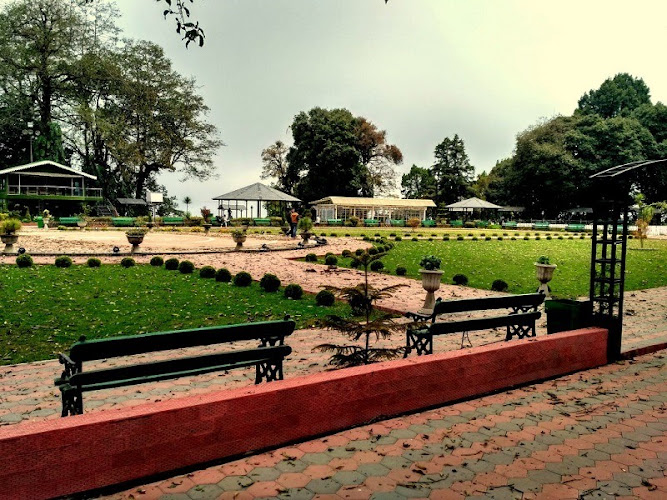
Shrubbery Nightingale Park
Chowrasta Darjeeling
Darjeeling Rangeet Valley Passenger Ropeway
Find Accommodations Nearby
Recommended Tours & Activities
Visitor Reviews
There are no reviews yet. Be the first one to write one.
Share Your Experience
Have you visited Himalayan Tibet Museum? Help other travelers by leaving a review.