
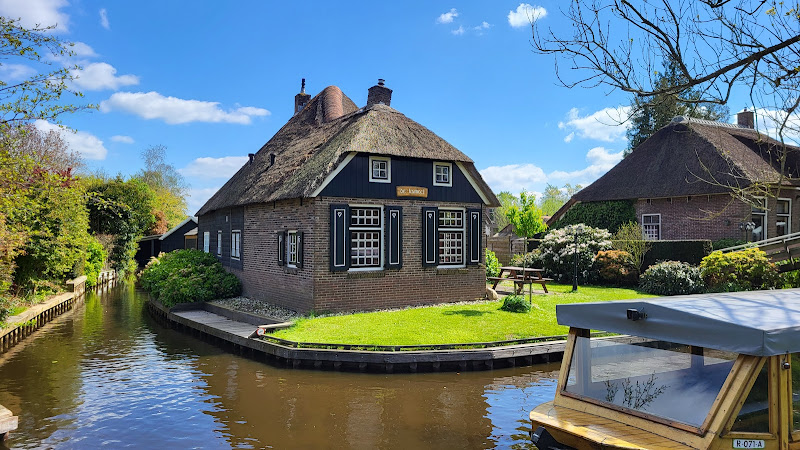
Nationaal Park Weerribben-Wieden
About Nationaal Park Weerribben-Wieden
Description
Nationaal Park Weerribben-Wieden is the kind of place that makes you slow down—whether you want to or not. This vast stretch of wetlands in the “Kop van Overijssel” is a living, breathing mosaic of lakes, winding canals, lowland fens, and quiet forest pockets. It’s not just pretty to look at—it’s alive with the rustle of reeds, the splash of an otter slipping into the water, and the chorus of birds you can’t always see but can definitely hear. The park is huge, and it feels huge. You can wander for hours without bumping into another soul, which is both liberating and a little humbling.
What makes it stand out is how it balances human use and wild nature. You’ll find picnic tables tucked into sunny clearings, kid-friendly trails that don’t skimp on scenery, and even a playground for when the little ones have had enough of spotting dragonflies. It’s one of those rare places where accessibility has been thoughtfully considered—wheelchair-accessible entrances and parking mean more people can enjoy it without the stress of tricky terrain. And while it’s undeniably peaceful, there’s always something happening if you look closely: a heron gliding low over the water, the sudden buzz of a kingfisher, or the way mist clings to the reeds on a cool morning. Sure, not every corner is pristine—some paths can get muddy, and a few areas feel a bit over-loved—but that’s part of the honest charm. It’s a place that’s real, not polished within an inch of its life.
Key Features
- Largest continuous peat bog in Northwestern Europe
- Labyrinth of lakes, canals, reed beds, and swamp forests
- Rich biodiversity, including rare otters and over 100 bird species
- Wheelchair-accessible entrances and parking
- Picnic areas with tables in scenic spots
- Kid-friendly hiking routes and a playground
- Opportunities for hiking, cycling, boating, and birdwatching
- Forested areas offering shade and shelter
- Payment-friendly facilities accepting debit cards and NFC mobile payments
Best Time to Visit
If you want the park at its most alive, late spring through early autumn is unbeatable. In May and June, the reed beds are lush, the meadows are sprinkled with wildflowers, and the bird activity is off the charts. Summer brings long, warm days perfect for paddling a canoe or taking leisurely walks along shaded trails. But autumn has its charms too—golden reeds swaying in the wind, fewer crowds, and that crisp air that makes you want to wrap your hands around a hot drink afterward. Winter is quieter still, and if you’re lucky, you might catch the waterways frozen, turning the park into a natural ice-skating wonderland. Just be prepared for some paths to be slippery or inaccessible in colder months. Personally, I like going in September—still warm enough for comfort, but with that first hint of change in the air.
How to Get There
Getting to Weerribben-Wieden isn’t complicated, but it does require a bit of planning. If you’re driving, the main entrances are well signposted from nearby towns, and parking is straightforward. Public transport is possible, though you’ll likely need to combine train and bus connections, and maybe a short taxi or bike ride depending on where you start. Cycling is a popular way to arrive if you’re already in the region—there are scenic routes that lead right into the park, and it feels like the most fitting way to approach such a nature-rich area. Just keep in mind that some smaller access points aren’t as easy to find without a map or GPS, so don’t rely solely on instinct unless you enjoy the occasional wrong turn (I’ve done it, and yes, it can be charming… eventually).
Tips for Visiting
First off, don’t rush. This isn’t the kind of place you “do” in a couple of hours. Give yourself a full day if you can, and bring layers—the weather can shift quickly, especially near the water. If you’re into photography, mornings and late afternoons are magic for light, and you’ll likely catch more wildlife then too. For families, the kid-friendly trails are a lifesaver, and the playground is a good carrot to dangle when little legs start to tire. If you’re boating, check the local rules—some areas are off-limits to protect wildlife, and trust me, it’s worth respecting those zones because they keep the park as wild as it is.
Snacks and water are a must, though there are a few cafés in nearby villages for when you’re ready for something heartier. And one last piece of advice: don’t just stick to the main routes. Some of the best moments here happen when you wander down a side path or take a quiet canal detour. That’s when you find the stillness, the hidden corners, and maybe even your own little patch of the park to remember.
Key Features
- Largest continuous peat bog in Northwestern Europe
- Labyrinth of lakes, canals, reed beds, and swamp forests
- Rich biodiversity, including rare otters and over 100 bird species
- Wheelchair-accessible entrances and parking
- Picnic areas with tables in scenic spots
- Kid-friendly hiking routes and a playground
- Opportunities for hiking, cycling, boating, and birdwatching
- Forested areas offering shade and shelter
More Details
Updated August 11, 2025
Table of Contents
Description
Nationaal Park Weerribben-Wieden is the kind of place that makes you slow down—whether you want to or not. This vast stretch of wetlands in the “Kop van Overijssel” is a living, breathing mosaic of lakes, winding canals, lowland fens, and quiet forest pockets. It’s not just pretty to look at—it’s alive with the rustle of reeds, the splash of an otter slipping into the water, and the chorus of birds you can’t always see but can definitely hear. The park is huge, and it feels huge. You can wander for hours without bumping into another soul, which is both liberating and a little humbling.
What makes it stand out is how it balances human use and wild nature. You’ll find picnic tables tucked into sunny clearings, kid-friendly trails that don’t skimp on scenery, and even a playground for when the little ones have had enough of spotting dragonflies. It’s one of those rare places where accessibility has been thoughtfully considered—wheelchair-accessible entrances and parking mean more people can enjoy it without the stress of tricky terrain. And while it’s undeniably peaceful, there’s always something happening if you look closely: a heron gliding low over the water, the sudden buzz of a kingfisher, or the way mist clings to the reeds on a cool morning. Sure, not every corner is pristine—some paths can get muddy, and a few areas feel a bit over-loved—but that’s part of the honest charm. It’s a place that’s real, not polished within an inch of its life.
Key Features
- Largest continuous peat bog in Northwestern Europe
- Labyrinth of lakes, canals, reed beds, and swamp forests
- Rich biodiversity, including rare otters and over 100 bird species
- Wheelchair-accessible entrances and parking
- Picnic areas with tables in scenic spots
- Kid-friendly hiking routes and a playground
- Opportunities for hiking, cycling, boating, and birdwatching
- Forested areas offering shade and shelter
- Payment-friendly facilities accepting debit cards and NFC mobile payments
Best Time to Visit
If you want the park at its most alive, late spring through early autumn is unbeatable. In May and June, the reed beds are lush, the meadows are sprinkled with wildflowers, and the bird activity is off the charts. Summer brings long, warm days perfect for paddling a canoe or taking leisurely walks along shaded trails. But autumn has its charms too—golden reeds swaying in the wind, fewer crowds, and that crisp air that makes you want to wrap your hands around a hot drink afterward. Winter is quieter still, and if you’re lucky, you might catch the waterways frozen, turning the park into a natural ice-skating wonderland. Just be prepared for some paths to be slippery or inaccessible in colder months. Personally, I like going in September—still warm enough for comfort, but with that first hint of change in the air.
How to Get There
Getting to Weerribben-Wieden isn’t complicated, but it does require a bit of planning. If you’re driving, the main entrances are well signposted from nearby towns, and parking is straightforward. Public transport is possible, though you’ll likely need to combine train and bus connections, and maybe a short taxi or bike ride depending on where you start. Cycling is a popular way to arrive if you’re already in the region—there are scenic routes that lead right into the park, and it feels like the most fitting way to approach such a nature-rich area. Just keep in mind that some smaller access points aren’t as easy to find without a map or GPS, so don’t rely solely on instinct unless you enjoy the occasional wrong turn (I’ve done it, and yes, it can be charming… eventually).
Tips for Visiting
First off, don’t rush. This isn’t the kind of place you “do” in a couple of hours. Give yourself a full day if you can, and bring layers—the weather can shift quickly, especially near the water. If you’re into photography, mornings and late afternoons are magic for light, and you’ll likely catch more wildlife then too. For families, the kid-friendly trails are a lifesaver, and the playground is a good carrot to dangle when little legs start to tire. If you’re boating, check the local rules—some areas are off-limits to protect wildlife, and trust me, it’s worth respecting those zones because they keep the park as wild as it is.
Snacks and water are a must, though there are a few cafés in nearby villages for when you’re ready for something heartier. And one last piece of advice: don’t just stick to the main routes. Some of the best moments here happen when you wander down a side path or take a quiet canal detour. That’s when you find the stillness, the hidden corners, and maybe even your own little patch of the park to remember.
Key Highlights
- Largest continuous peat bog in Northwestern Europe
- Labyrinth of lakes, canals, reed beds, and swamp forests
- Rich biodiversity, including rare otters and over 100 bird species
- Wheelchair-accessible entrances and parking
- Picnic areas with tables in scenic spots
- Kid-friendly hiking routes and a playground
- Opportunities for hiking, cycling, boating, and birdwatching
- Forested areas offering shade and shelter
Location
Places to Stay Near Nationaal Park Weerribben-Wieden
Find and Book a Tour
Explore More Travel Guides
No reviews found! Be the first to review!
Traveler Reviews for Nationaal Park Weerribben-Wieden
There are no reviews yet. Be the first one to write one.
Have you visited Nationaal Park Weerribben-Wieden? Help other travelers by sharing your review.
You Might Also Like

HuB.Bibliotheek Kerkrade
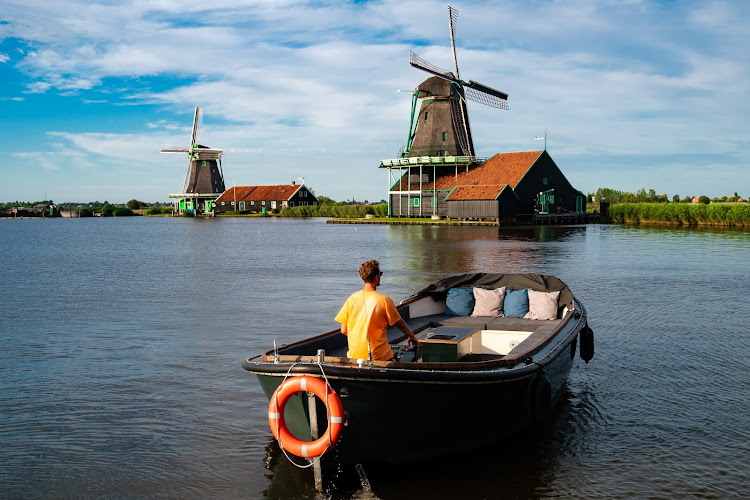
Dutch Boat Tours - Windmill Cruises
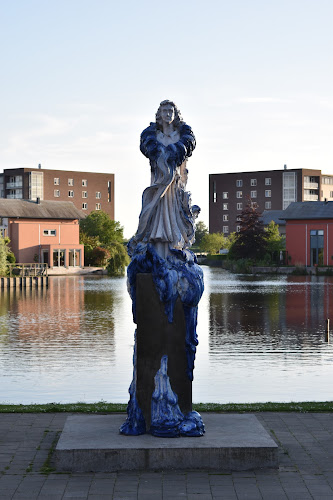
Beeld voor Carnisselande
Find Accommodations Nearby
Recommended Tours & Activities
Visitor Reviews
There are no reviews yet. Be the first one to write one.
Share Your Experience
Have you visited Nationaal Park Weerribben-Wieden? Help other travelers by leaving a review.