
Villa Harris Museum
About Villa Harris Museum
Description
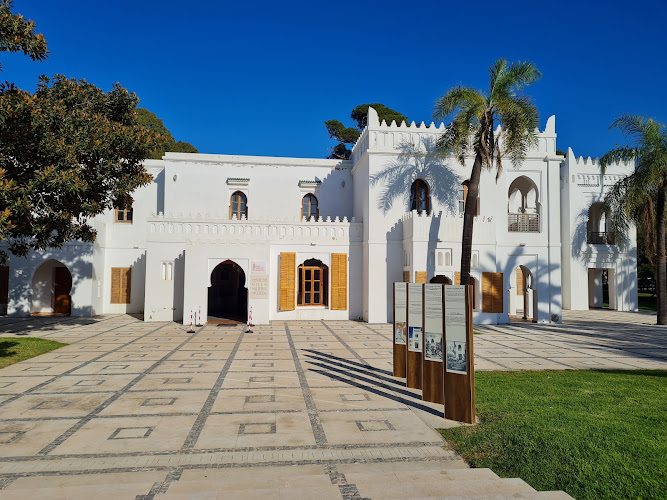
Villa Harris Museum in Tangier is more than just a gallery; it’s a storybook of the city’s layered history and Morocco’s artistic evolution. Originally built at the end of the 19th century by Walter Burton Harris, a British journalist who reported for The Times, the villa itself has a fascinating past. Perched facing the Mediterranean, the building once played host to Tangier’s cosmopolitan crowd during a time when the city was a magnet for diplomats, writers, and explorers. Today, it has been carefully restored and transformed into a museum dedicated to modern Moroccan art, yet it still carries that aura of old-world intrigue.
Inside, the museum feels intimate but not cramped. The collection spans two floors, weaving together works from early 20th-century European painters like Jacques Majorelle and Edy-Legrand with Moroccan pioneers such as Ben Ali R’bati, Mohamed Sarghini, Jilali Gharbaoui, and Farid Belkahia. You’ll also find pieces by Claudio Bravo and Frank Tapiro, bridging cultural perspectives in a way that feels uniquely “Tangier.” It’s not the sort of museum where you rush through; instead, you wander slowly, pausing at canvases that seem to whisper stories of Morocco’s shifting identity during the modern era.
What makes Villa Harris stand out is the setting. The museum is surrounded by lush gardens where kids can run around while adults linger under the shade of tall trees. It’s quiet, almost unexpectedly so, considering the bustle of Tangier outside its gates. And while most people rave about the art, I personally found the atmosphere of the villa itself just as memorable—the creak of the wooden floors, the way sunlight filters through tall windows, the occasional salty breeze drifting in from the sea. It’s these small sensory details that make a visit feel less like a checklist stop and more like an experience you carry with you.
Of course, not every visitor finds it perfect. Some note that the museum could benefit from more detailed explanations in English or French, while others wish for a small café on site. But the overwhelming impression is that of a hidden gem—a place where art, history, and nature all quietly coexist. If you’re the kind of traveler who enjoys peeling back the layers of a city rather than just ticking off the big-name attractions, Villa Harris Museum is worth the detour.
Key Features
- Historic 19th-century villa built by Walter Burton Harris, overlooking the Mediterranean
- Collection of Moroccan modern art alongside works by European painters fascinated by Morocco
- Artists featured include Jacques Majorelle, Claudio Bravo, Edy-Legrand, Ben Ali R’bati, and Farid Belkahia
- Two floors of exhibitions that trace Morocco’s artistic journey from early modernism to contemporary styles
- Peaceful gardens surrounding the villa, ideal for a stroll or a quiet break
- Wheelchair accessible entrance, restrooms, and parking lot
- Family-friendly environment with open spaces where children can enjoy themselves
Best Time to Visit
Tangier has a mild climate most of the year, but timing your visit can really shape your experience at Villa Harris Museum. Spring (March to May) is especially lovely—the gardens are green, flowers are in bloom, and the weather is warm without being too hot. Autumn (September to November) is another sweet spot, with fewer crowds in the city and pleasant temperatures that make wandering the villa’s grounds a joy.
If you go in summer, expect more visitors, but the shady gardens provide some relief from the heat. Winter can be quiet and atmospheric; the museum takes on a slightly moody charm with softer light and fewer tourists around. Personally, I’d avoid midday in July or August unless you’re heat-proof—it can get sticky, and you’ll probably want to linger outside as much as inside.
How to Get There
The museum is located in Tangier, not far from the city center. Taxis are the easiest way to reach it, especially if you’re not familiar with the city’s streets. From the medina, the ride is short and inexpensive. If you enjoy walking, it’s also possible to reach the villa on foot in about 20 to 30 minutes from central Tangier, depending on your pace. The walk itself isn’t particularly scenic, but it’s straightforward, and you’ll get a feel for the everyday rhythm of the city along the way.
For those driving, there’s accessible parking available, which makes it convenient if you’re exploring Tangier by car. Public buses are another option, though they can be tricky to navigate if you don’t speak Arabic or French. Honestly, unless you’re on a tight budget, I’d say a taxi is the simplest choice.
Tips for Visiting
A few practical notes can make your visit smoother and more enjoyable. First, bring some cash with you. The entrance fee is affordable, but card payments aren’t always guaranteed in smaller institutions like this. Second, give yourself at least an hour to explore—though if you’re someone who likes to linger over brushstrokes or sit in the garden afterward, two hours is even better.
The museum doesn’t have a café or restaurant, so plan to eat before or after your visit. Tangier has plenty of great spots nearby, from casual cafés serving mint tea to restaurants with hearty tagines. If you’re traveling with kids, the gardens are a real bonus; they can stretch their legs while you soak in the peaceful surroundings. And for those with mobility needs, the museum has made thoughtful efforts to be accessible, with wheelchair-friendly entrances, restrooms, and parking.
One little personal tip: take a moment to step outside the villa and look back at it framed by the gardens. It’s easy to get lost in the art inside, but the building itself—its architecture, its history, its place facing the Mediterranean—tells just as powerful a story. And if you’re like me, you might find yourself imagining the conversations that once echoed through its rooms when Tangier was one of the world’s most intriguing crossroads.
So, whether you’re an art lover, a history buff, or just someone who enjoys discovering places that feel a bit off the beaten path, Villa Harris Museum is a rewarding stop in Tangier. It’s not overwhelming or flashy, but it leaves a lasting impression—the kind you’ll think about long after you’ve left the city behind.
Key Features
- Historic 19th-century villa built by Walter Burton Harris, overlooking the Mediterranean
- Collection of Moroccan modern art alongside works by European painters fascinated by Morocco
- Artists featured include Jacques Majorelle, Claudio Bravo, Edy-Legrand, Ben Ali R’bati, and Farid Belkahia
- Two floors of exhibitions that trace Morocco’s artistic journey from early modernism to contemporary styles
- Peaceful gardens surrounding the villa, ideal for a stroll or a quiet break
- Wheelchair accessible entrance, restrooms, and parking lot
- Family-friendly environment with open spaces where children can enjoy themselves
More Details
Updated September 9, 2025
Table of Contents
Description
Villa Harris Museum in Tangier is more than just a gallery; it’s a storybook of the city’s layered history and Morocco’s artistic evolution. Originally built at the end of the 19th century by Walter Burton Harris, a British journalist who reported for The Times, the villa itself has a fascinating past. Perched facing the Mediterranean, the building once played host to Tangier’s cosmopolitan crowd during a time when the city was a magnet for diplomats, writers, and explorers. Today, it has been carefully restored and transformed into a museum dedicated to modern Moroccan art, yet it still carries that aura of old-world intrigue.
Inside, the museum feels intimate but not cramped. The collection spans two floors, weaving together works from early 20th-century European painters like Jacques Majorelle and Edy-Legrand with Moroccan pioneers such as Ben Ali R’bati, Mohamed Sarghini, Jilali Gharbaoui, and Farid Belkahia. You’ll also find pieces by Claudio Bravo and Frank Tapiro, bridging cultural perspectives in a way that feels uniquely “Tangier.” It’s not the sort of museum where you rush through; instead, you wander slowly, pausing at canvases that seem to whisper stories of Morocco’s shifting identity during the modern era.
What makes Villa Harris stand out is the setting. The museum is surrounded by lush gardens where kids can run around while adults linger under the shade of tall trees. It’s quiet, almost unexpectedly so, considering the bustle of Tangier outside its gates. And while most people rave about the art, I personally found the atmosphere of the villa itself just as memorable—the creak of the wooden floors, the way sunlight filters through tall windows, the occasional salty breeze drifting in from the sea. It’s these small sensory details that make a visit feel less like a checklist stop and more like an experience you carry with you.
Of course, not every visitor finds it perfect. Some note that the museum could benefit from more detailed explanations in English or French, while others wish for a small café on site. But the overwhelming impression is that of a hidden gem—a place where art, history, and nature all quietly coexist. If you’re the kind of traveler who enjoys peeling back the layers of a city rather than just ticking off the big-name attractions, Villa Harris Museum is worth the detour.
Key Features
- Historic 19th-century villa built by Walter Burton Harris, overlooking the Mediterranean
- Collection of Moroccan modern art alongside works by European painters fascinated by Morocco
- Artists featured include Jacques Majorelle, Claudio Bravo, Edy-Legrand, Ben Ali R’bati, and Farid Belkahia
- Two floors of exhibitions that trace Morocco’s artistic journey from early modernism to contemporary styles
- Peaceful gardens surrounding the villa, ideal for a stroll or a quiet break
- Wheelchair accessible entrance, restrooms, and parking lot
- Family-friendly environment with open spaces where children can enjoy themselves
Best Time to Visit
Tangier has a mild climate most of the year, but timing your visit can really shape your experience at Villa Harris Museum. Spring (March to May) is especially lovely—the gardens are green, flowers are in bloom, and the weather is warm without being too hot. Autumn (September to November) is another sweet spot, with fewer crowds in the city and pleasant temperatures that make wandering the villa’s grounds a joy.
If you go in summer, expect more visitors, but the shady gardens provide some relief from the heat. Winter can be quiet and atmospheric; the museum takes on a slightly moody charm with softer light and fewer tourists around. Personally, I’d avoid midday in July or August unless you’re heat-proof—it can get sticky, and you’ll probably want to linger outside as much as inside.
How to Get There
The museum is located in Tangier, not far from the city center. Taxis are the easiest way to reach it, especially if you’re not familiar with the city’s streets. From the medina, the ride is short and inexpensive. If you enjoy walking, it’s also possible to reach the villa on foot in about 20 to 30 minutes from central Tangier, depending on your pace. The walk itself isn’t particularly scenic, but it’s straightforward, and you’ll get a feel for the everyday rhythm of the city along the way.
For those driving, there’s accessible parking available, which makes it convenient if you’re exploring Tangier by car. Public buses are another option, though they can be tricky to navigate if you don’t speak Arabic or French. Honestly, unless you’re on a tight budget, I’d say a taxi is the simplest choice.
Tips for Visiting
A few practical notes can make your visit smoother and more enjoyable. First, bring some cash with you. The entrance fee is affordable, but card payments aren’t always guaranteed in smaller institutions like this. Second, give yourself at least an hour to explore—though if you’re someone who likes to linger over brushstrokes or sit in the garden afterward, two hours is even better.
The museum doesn’t have a café or restaurant, so plan to eat before or after your visit. Tangier has plenty of great spots nearby, from casual cafés serving mint tea to restaurants with hearty tagines. If you’re traveling with kids, the gardens are a real bonus; they can stretch their legs while you soak in the peaceful surroundings. And for those with mobility needs, the museum has made thoughtful efforts to be accessible, with wheelchair-friendly entrances, restrooms, and parking.
One little personal tip: take a moment to step outside the villa and look back at it framed by the gardens. It’s easy to get lost in the art inside, but the building itself—its architecture, its history, its place facing the Mediterranean—tells just as powerful a story. And if you’re like me, you might find yourself imagining the conversations that once echoed through its rooms when Tangier was one of the world’s most intriguing crossroads.
So, whether you’re an art lover, a history buff, or just someone who enjoys discovering places that feel a bit off the beaten path, Villa Harris Museum is a rewarding stop in Tangier. It’s not overwhelming or flashy, but it leaves a lasting impression—the kind you’ll think about long after you’ve left the city behind.
Key Highlights
- Historic 19th-century villa built by Walter Burton Harris, overlooking the Mediterranean
- Collection of Moroccan modern art alongside works by European painters fascinated by Morocco
- Artists featured include Jacques Majorelle, Claudio Bravo, Edy-Legrand, Ben Ali R’bati, and Farid Belkahia
- Two floors of exhibitions that trace Morocco’s artistic journey from early modernism to contemporary styles
- Peaceful gardens surrounding the villa, ideal for a stroll or a quiet break
- Wheelchair accessible entrance, restrooms, and parking lot
- Family-friendly environment with open spaces where children can enjoy themselves
Location
Places to Stay Near Villa Harris Museum
Find and Book a Tour
Explore More Travel Guides
No reviews found! Be the first to review!
Traveler Reviews for Villa Harris Museum
There are no reviews yet. Be the first one to write one.
Have you visited Villa Harris Museum? Help other travelers by sharing your review.
You Might Also Like
Tangier American Legation Museum
Villa Perdicaris
Plage municipale
Find Accommodations Nearby
Recommended Tours & Activities
Visitor Reviews
There are no reviews yet. Be the first one to write one.
Share Your Experience
Have you visited Villa Harris Museum? Help other travelers by leaving a review.