
Last modified June 17, 2025
Dreaming of white sands and turquoise waters? Zanzibar and the Maldives offer stunning beach getaways but deliver very different experiences. While the Maldives showcases secluded luxury with unparalleled snorkeling opportunities, Zanzibar brings a vibrant cultural experience at a more affordable price point.
The Maldives wins for luxury isolation and underwater beauty, while Zanzibar offers richer cultural experiences and better value for your money. In the Maldives, expect private island resorts with overwater bungalows where you can disconnect completely. Zanzibar, on the other hand, blends beautiful beaches with Stone Town’s fascinating history, spice tours, and local village experiences.
Zanzibar offers a broader variety of activities to keep travelers planning extended stays engaged. The island’s mix of African, Arab, and Indian influences creates a cultural tapestry that complements its natural beauty. However, the Maldives might justify its higher price if you prioritize pure relaxation and underwater adventures in a luxury setting.
Geographical Overview

Zanzibar and the Maldives offer stunning tropical getaways in the Indian Ocean, but their geographical makeup differs significantly. Zanzibar features a central island with historical towns, while the Maldives consists of thousands of small coral islands arranged in atolls.
Zanzibar’s Location and Landscape

Zanzibar is an archipelago located about 25 miles off the coast of Tanzania in East Africa. The archipelago consists of several islands, with Unguja (commonly called Zanzibar Island) and Pemba being the largest. Unguja spans about 53 miles long and 24 miles wide, offering a surprisingly diverse landscape.
Unlike the Maldives, Zanzibar rises significantly above sea level, with some inland areas reaching 390 feet. The island features stunning white-sand beaches along its coastline, particularly on the eastern shores. These beaches are often bordered by dramatic stone cliffs and walls that add character to the landscape.
Zanzibar’s interior contains small hills, fertzile plains, and tropical forests. The island also boasts mangrove swamps and coral reefs along its shores, making it an interesting mix of ecosystems in a relatively small area.
Maldives’ Archipelago and Atolls
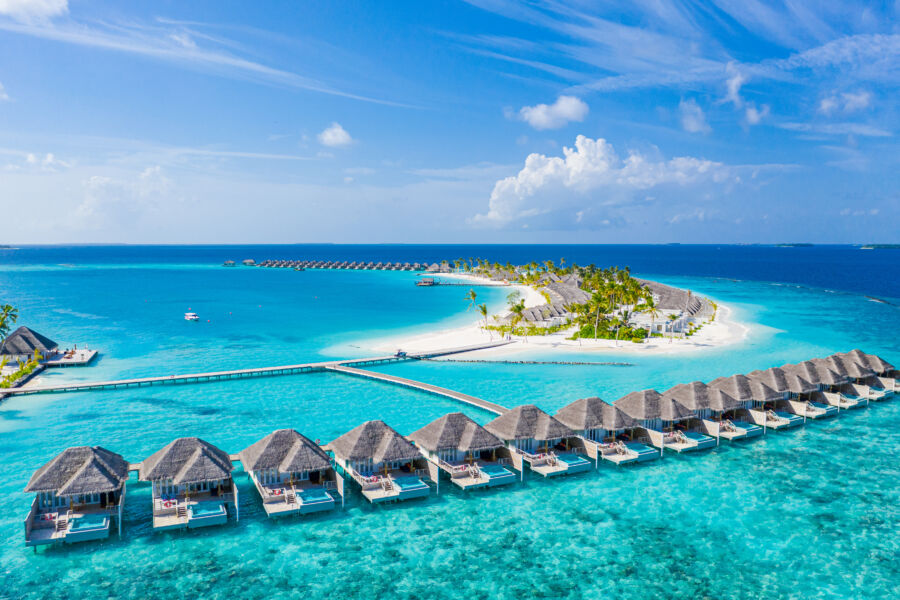
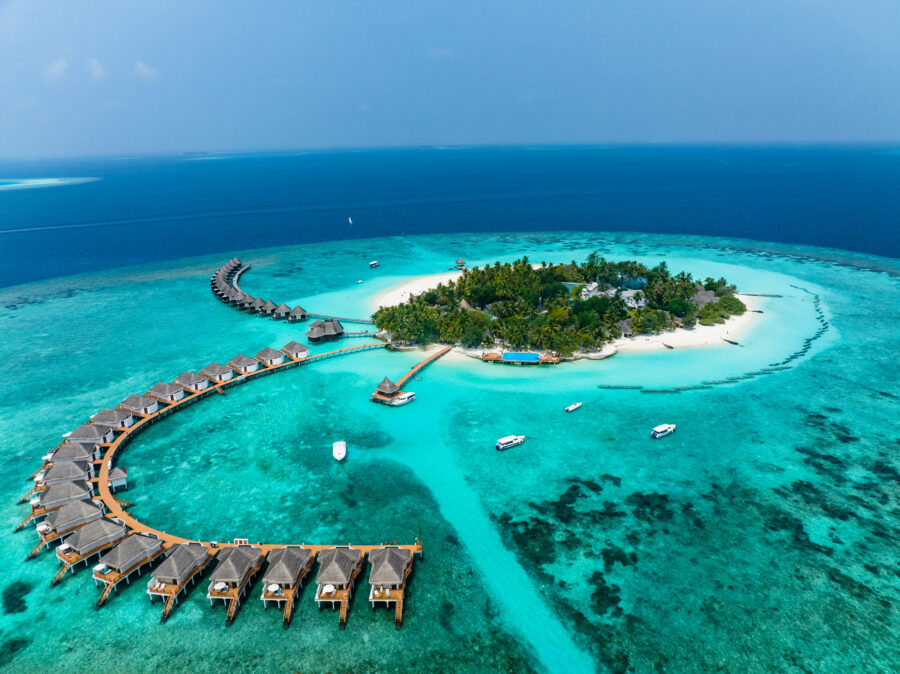
The Maldives is a nation of islands scattered across the Indian Ocean, located southwest of India and Sri Lanka. It consists of 26 natural atolls comprising about 1,190 coral islands. Only 200 islands are inhabited, and another 154 are dedicated resort islands.
What makes the Maldives unique is its extremely low elevation. The islands are on average 4-8 feet above sea level, making it the world’s lowest country. Each atoll forms a ring-like coral structure surrounding a lagoon. These formations create the picture-perfect isolated islands that the Maldives is famous for.
The islands themselves are small – most can be walked around in 30 minutes or less. They’re made entirely of coral sand, giving them their characteristic bright white beaches. The surrounding waters feature vibrant coral reefs teeming with marine life, making the underwater landscape as impressive as above.
Cultural Heritage and Attractions
Both destinations offer unique cultural experiences beyond their beautiful beaches. Zanzibar’s rich history as a trading hub has created a fascinating blend of African, Arab, and European influences. At the same time, the Maldives showcases its distinctive island culture through local traditions and crafts.
Historic Stone Town in Zanzibar
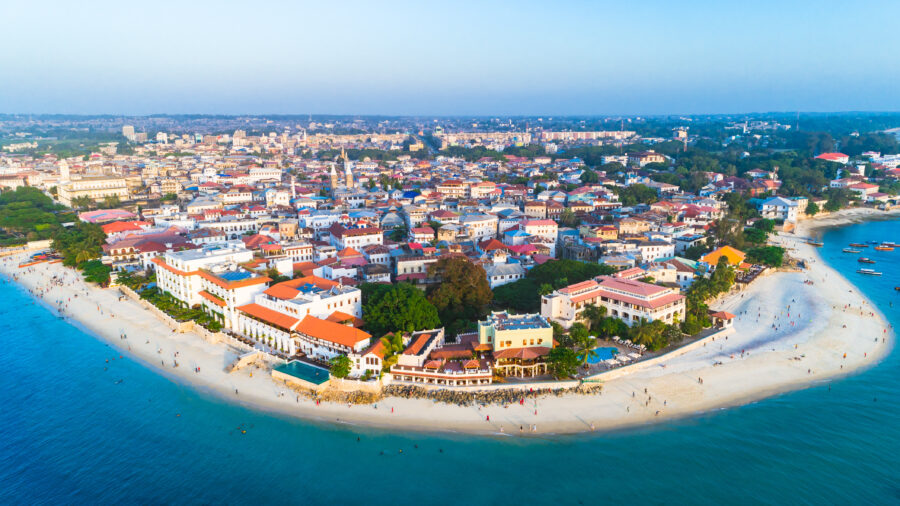
Stone Town, a UNESCO World Heritage site, is the cultural heart of Zanzibar. Walking through its narrow, winding streets feels like stepping back in time. The architecture is stunning – carved wooden doors with brass studs, buildings with intricate balconies, and historic sites at every turn.
Stone Town’s most prominent landmark is the House of Wonders (Beit-al-Ajaib). Once the tallest building in East Africa, it showcases the island’s fascinating history. Nearby, you’ll find the Old Fort and the former slave market, both powerful reminders of Zanzibar’s complex past.
Don’t miss the vibrant Darajani Market where locals shop for spices, fresh produce, and seafood. The air is filled with the scent of cloves, cinnamon, and other herbs that made Zanzibar famous as the “Spice Island.”
Maldivian Local Islands and Culture
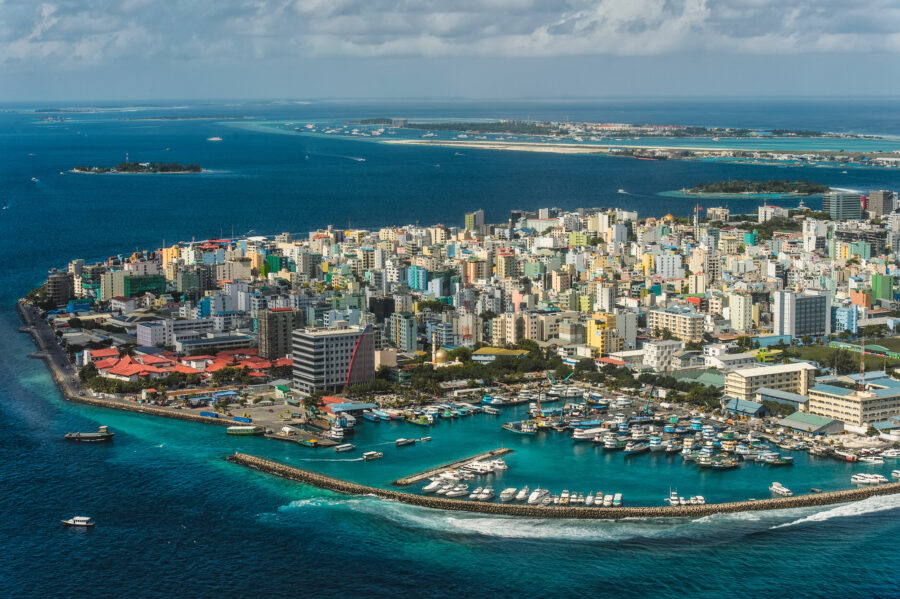
The Maldives offers cultural experiences beyond the luxury resorts. Local islands like Maafushi and Thulusdhoo give visitors a glimpse into authentic Maldivian life. Here, you can observe traditional “bodu beru” drum performances that showcase rhythmic music and dance dating back centuries.
Fishing remains central to Maldivian culture. Early morning fishing trips with locals offer insight into traditional techniques. Many islands have small museums displaying artifacts that tell the country’s maritime heritage story.
Maldivian craftsmanship is evident in handwoven mats called “thunder kunai” made from dried reeds. These colorful mats, featuring geometric patterns, take weeks to complete and represent an important cultural tradition.
Religious customs shape daily life in the Maldives. Beautiful mosques dot the islands, including the impressive Grand Friday Mosque in Malé with its golden dome and coral stone architecture.
See Related: Most Breathtaking Places to Visit in the World (Travel Guide)
Natural Beauty and Activities
Both destinations offer stunning natural beauty, but with distinct experiences. Zanzibar combines cultural richness with natural wonders, while the Maldives showcases pristine marine environments and luxury relaxation.
Zanzibar’s Spice Plantations and Nature

Zanzibar isn’t called the “Spice Island” for nothing! Visitors can explore lush spice plantations where cinnamon, cloves, nutmeg, and vanilla grow abundantly. These fragrant tours let you see, touch, and smell these exotic spices in their natural environment.
Beyond the spices, Zanzibar offers the Jozani Forest, home to the rare Red Colobus monkeys found nowhere else on Earth. This protected forest sanctuary provides a cool, shaded retreat from the beach heat.
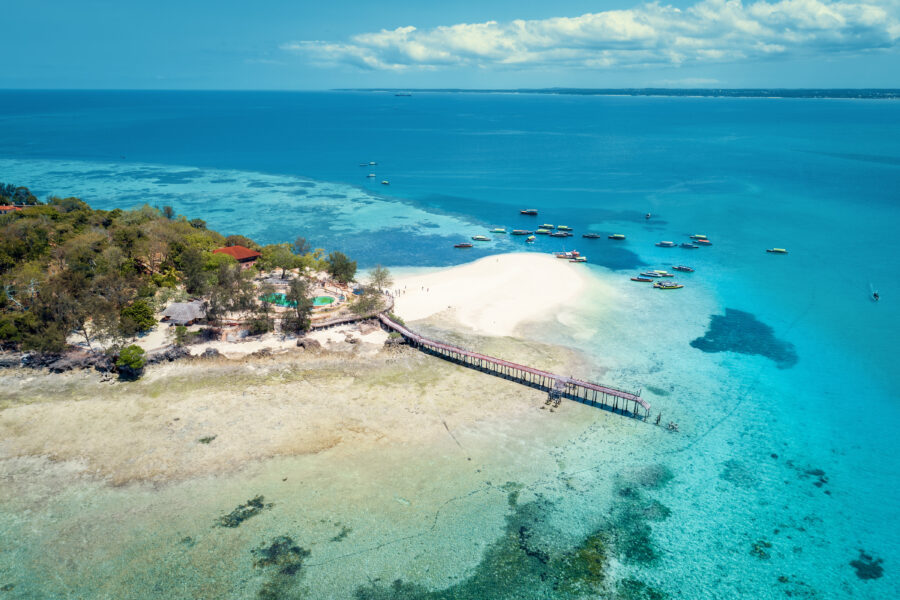
For nature lovers, Stone Town’s nearby islands and sandbars create perfect day-trip opportunities. Prison Island (Changuu) features giant tortoises and snorkeling spots, while the sandbanks that appear during low tide create temporary natural wonders perfect for photos and exploration.
Maldives’ Coral Reefs and Marine Life
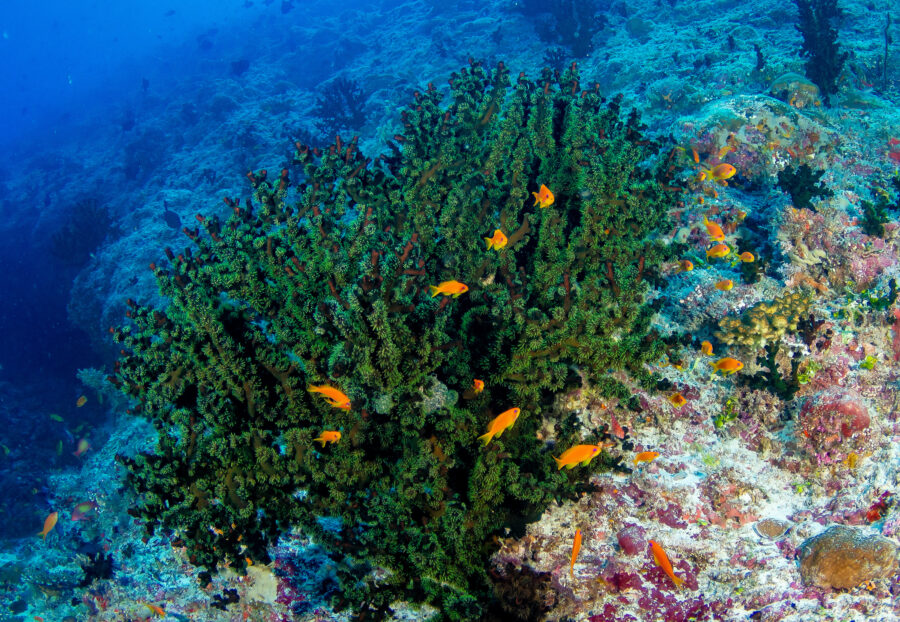
The Maldives shines underwater with its spectacular coral gardens and vibrant marine ecosystems. Nearly every resort offers easy access to house reefs teeming with colorful fish, sea turtles, and rays just steps from your accommodation.
For more adventurous travelers, boat excursions to deeper waters reveal manta rays, whale sharks, and dolphins in their natural habitat. Many resorts offer guided marine biologist tours to learn about conservation efforts protecting these fragile environments.
The bioluminescent beaches on islands like Vaadhoo create a magical “sea of stars” effect at night when the shoreline glows blue with natural phytoplankton. This rare natural phenomenon makes for unforgettable evening strolls.
Unlike Zanzibar’s varied landscape, the Maldives focuses almost exclusively on marine experiences. Privileged white sand beaches and crystal waters provide the backdrop for water-based activities.
Beach Experiences and Water Activities
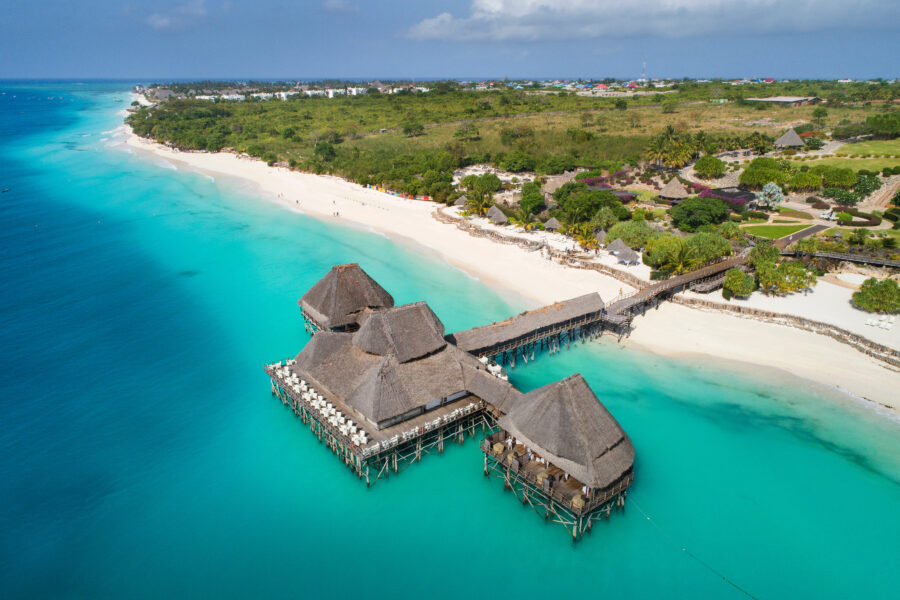
Both destinations offer stunning beaches and amazing water activities, but with distinct differences in atmosphere and available experiences. The crystal-clear waters in both locations provide perfect conditions for various beach activities and water sports.
Beach Life in Zanzibar
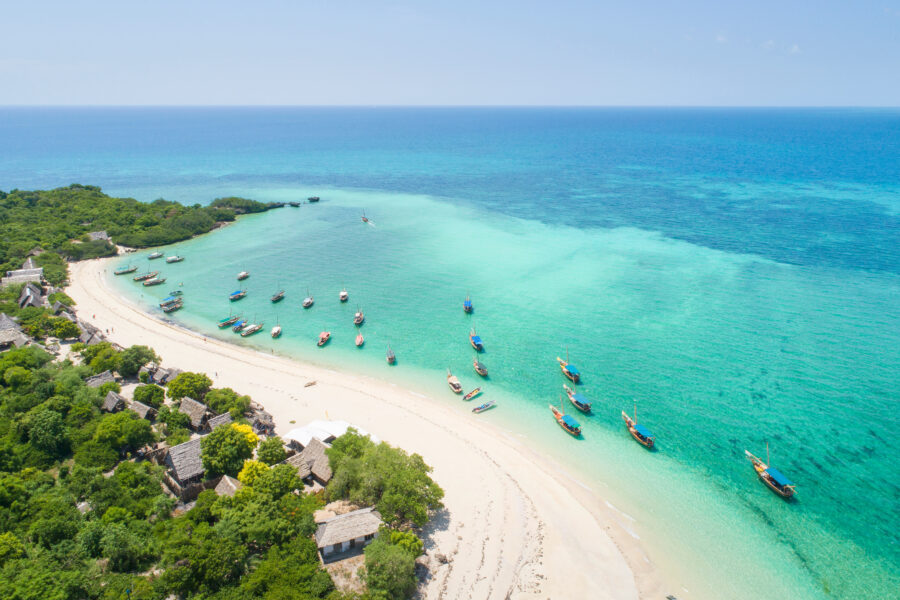
Zanzibar’s beaches offer a unique blend of natural beauty and cultural experiences. The island features wide, powder-white beaches with swaying palm trees bordering vibrant local villages. Unlike the private isolation of the Maldives, Zanzibar’s beaches often have a more social atmosphere.
Nungwi and Kendwa in the north offer swimming-friendly beaches without extreme tides. These areas are perfect for couples seeking a romantic honeymoon setting with stunning sunsets. Like Paje and Jambiani, the eastern beaches provide a different experience with dramatic tidal shifts.
Beach vendors selling local crafts and friendly locals create an authentic cultural touch you won’t find in the Maldives. You can easily walk from your resort to nearby beach bars or restaurants to sample local Swahili cuisine.
The beaches in Zanzibar also offer excellent swimming conditions, though you should be aware of the tidal patterns that can dramatically change the shoreline throughout the day.
Water Sports in the Maldives
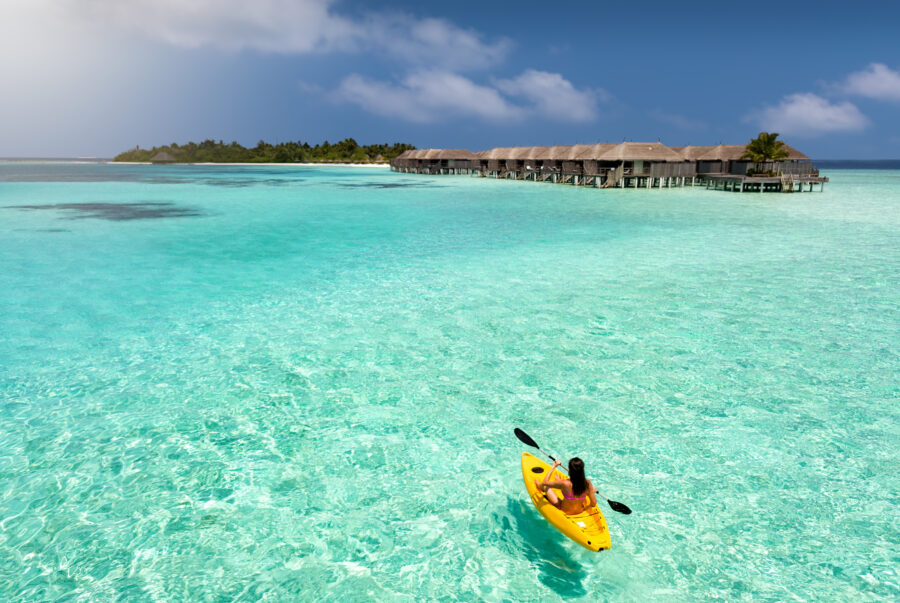
The Maldives excel in water activities, offering some of the world’s best snorkeling and diving opportunities. The coral reefs surrounding the atolls teem with colorful fish, reef sharks, manta rays, and, in certain seasons, whale sharks.
Nearly every resort offers equipment rentals and guided excursions for beginners and experienced divers. The underwater visibility is exceptional, often exceeding 30 meters, making it a paradise for underwater photography enthusiasts.
Beyond snorkeling and diving, the calm lagoons of the Maldives are perfect for kayaking, paddleboarding, and windsurfing. Many resorts offer these activities complimentary to guests.
For something truly special, try a night snorkeling trip to witness bioluminescent plankton illuminating the water. Fishing enthusiasts can enjoy traditional Maldivian sunset fishing trips or deep-sea fishing adventures. The private-island resort concept means beaches are rarely crowded, creating an intimate experience for honeymooners seeking seclusion and tranquility.
Accommodation and Honeymoon Options
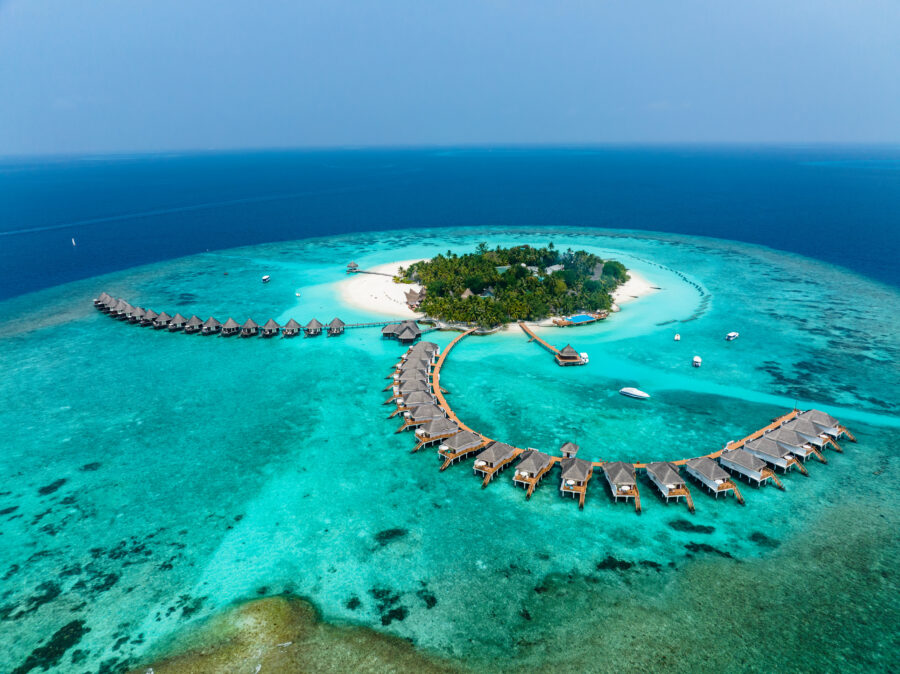
Both destinations offer distinct experiences when it comes to places to stay. Zanzibar provides cultural charm with diverse pricing options, while the Maldives focuses on exclusive luxury experiences.
Romantic Getaways in Zanzibar
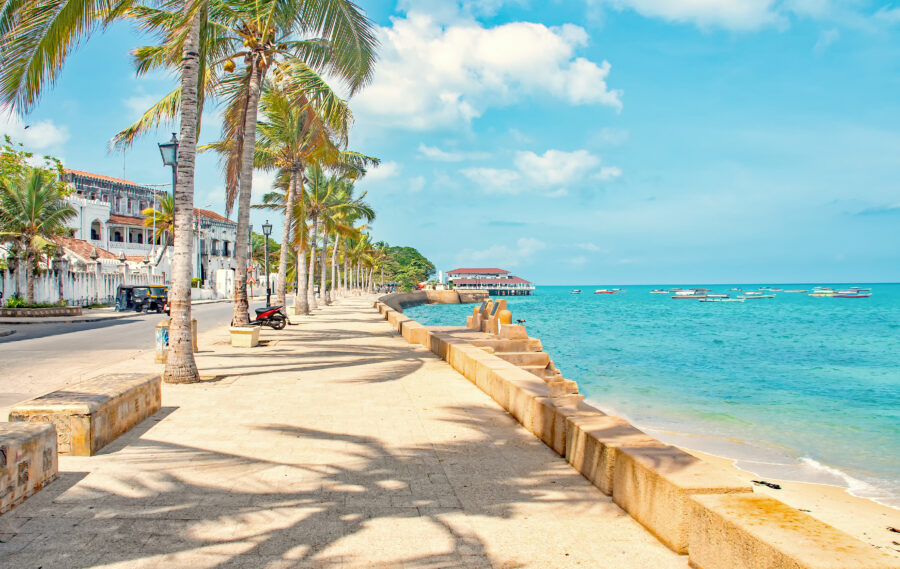
Zanzibar offers a wide range of accommodations to fit different budgets. Beautiful beachfront boutique hotels in Stone Town and along the east coast combine local Swahili architecture with modern comforts.
Many resorts offer special honeymoon packages, including private beach dinners, couples’ spa treatments, and sunset dhow cruises. Popular romantic spots include Matemwe and Nungwi beaches, where private villas often cost between $150 and $300 per night.
Budget-conscious couples can find charming guesthouses starting around $50-100 that still provide authentic Zanzibari charm. Many places feature traditional carved wooden furniture and colorful textiles.
What makes Zanzibar special is the blend of beach relaxation with cultural exploration. Couples can spend mornings on pristine beaches and afternoons wandering through Stone Town’s historic streets or visiting spice farms.
Luxury Resort Stays in the Maldives
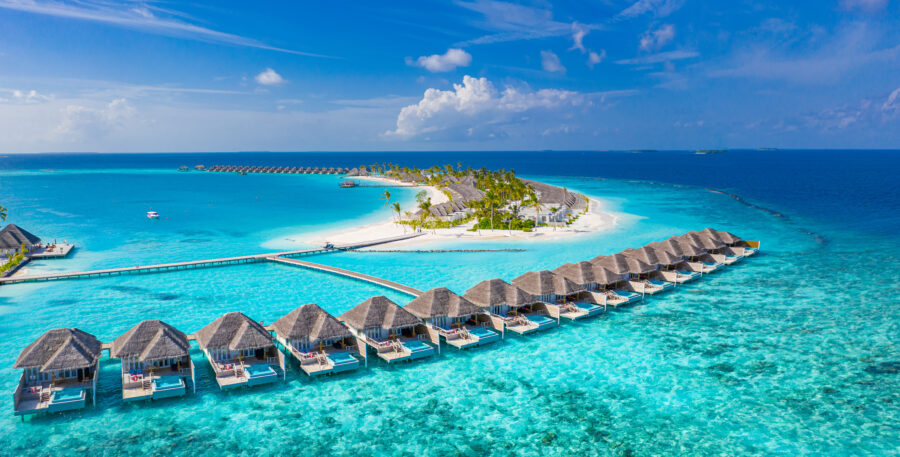
The Maldives has built its reputation on exclusive overwater bungalows and private island resorts. These iconic accommodations typically cost $500 per night and can exceed $2,000 for premium options.
Most Maldivian resorts operate on an all-inclusive basis, with packages covering meals, drinks, and some activities. For honeymooners, upgrades often include champagne on arrival, couples’ massages, and private dining experiences under the stars.
The signature “one island, one resort” concept guarantees privacy and personalized service. Many resorts have underwater restaurants, glass-floor sections in villas, and private infinity pools overlooking the ocean.
While luxury dominates, more affordable guesthouses have emerged on local islands in recent years. Starting around $100-150, these options provide a glimpse into Maldivian culture while maintaining access to stunning beaches and snorkeling spots.
Adventure and Exploration
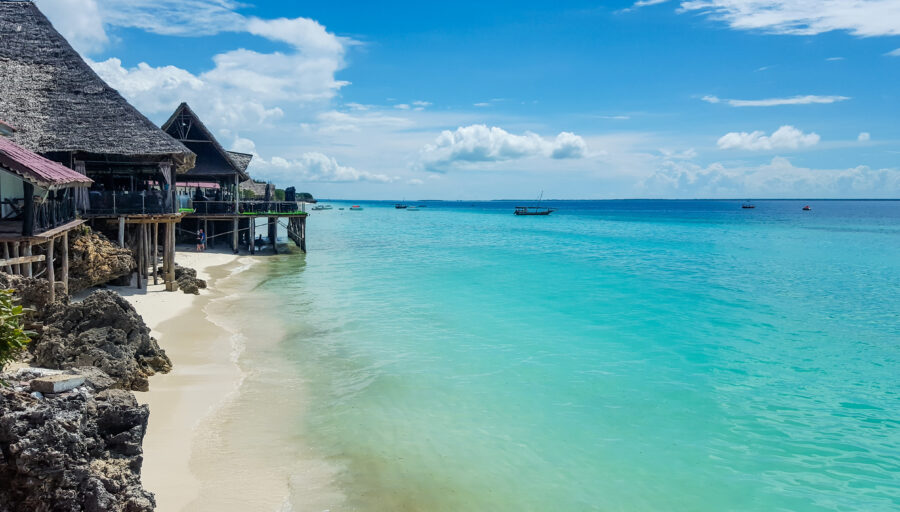
Both destinations offer unique adventures beyond beach lounging. Zanzibar provides land-based exploration with wildlife encounters, while the Maldives excels in water-based island adventures and marine discovery.
Safari and Hiking in Zanzibar
Zanzibar isn’t just about beaches—it’s a gateway to authentic African adventures. The island hosts Jozani Forest, home to the endangered Red Colobus monkeys found nowhere else on Earth. Many visitors consider watching these playful creatures swing through the canopy a highlight.
For hiking enthusiasts, the Ngezi Forest Reserve offers well-marked trails through pristine woodland. The diverse ecosystem supports numerous bird species, butterflies, and native plants, making each hike a discovery tour.
Stone Town’s labyrinthine streets create an urban safari of sorts. Getting lost among the ancient buildings, spice markets, and historical sites becomes an adventure. Many travelers recommend booking guided walking tours to appreciate the cultural significance fully.
Don’t miss the spice tours, which involve trekking through working plantations. You’ll see vanilla, cinnamon, and cloves growing naturally—a sensory exploration that’s uniquely Zanzibari.
Island-Hopping in the Maldives
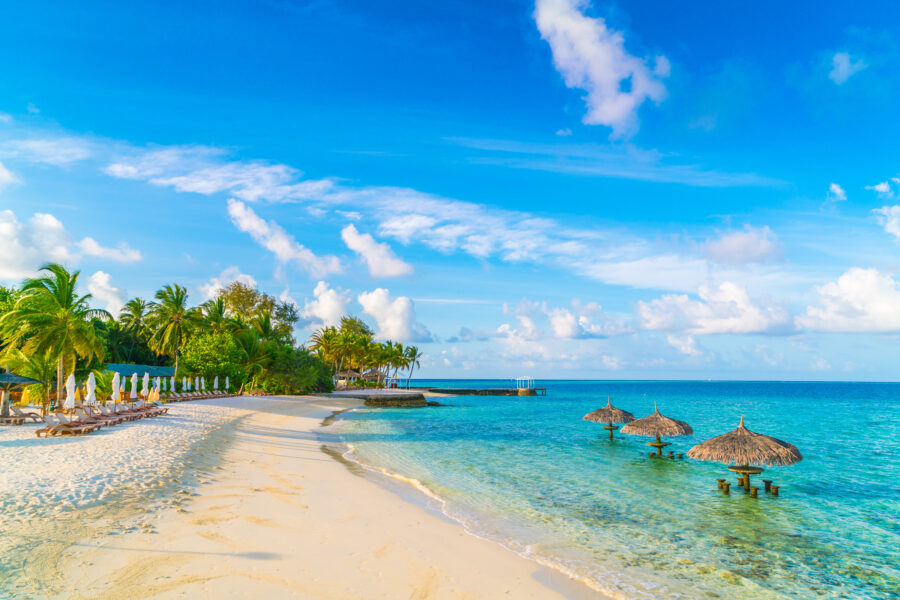
The Maldives’ scattered atolls create perfect conditions for island-hopping adventures. With over 1,000 coral islands, each resort typically occupies its private island, making exploration between them an exciting prospect.
Most resorts organize day trips to uninhabited islands where you can play Robinson Crusoe for a few hours. These excursions often include snorkeling stops at pristine reefs along the way.
Local islands like Maafushi and Dhigurah offer glimpses into authentic Maldivian life. The contrast between luxury resorts and these working communities creates a fascinating cultural adventure.
Marine adventures dominate Maldivian activities. Snorkeling excursions around manta ray cleaning stations or night snorkels with whale sharks create unforgettable moments.
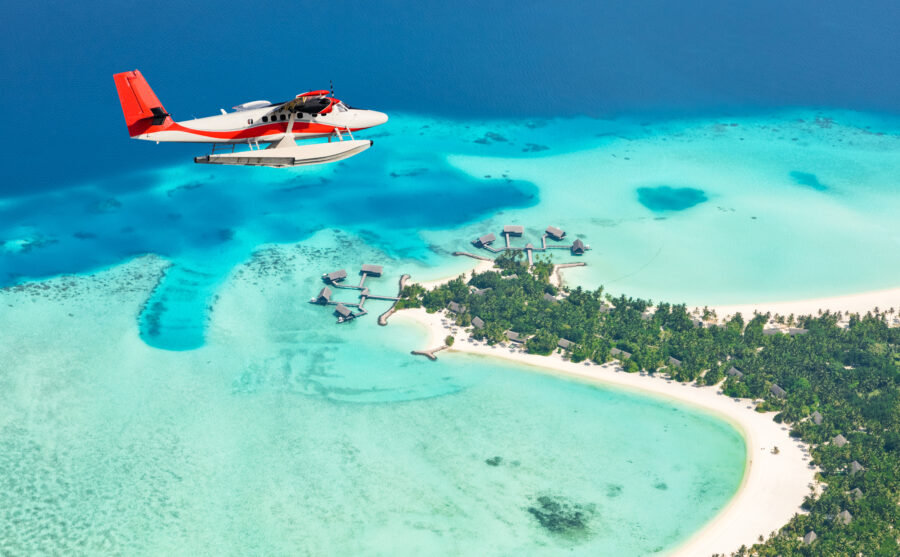
Seaplane transfers between islands aren’t just transportation—they’re adventures. The aerial views of turquoise rings surrounding emerald islands provide perspective on this unique geography that can’t be appreciated from ground level.
See Related: The Most Surreal Places in the World: Where Reality Feels Like a Dream
Wildlife and Marine Life
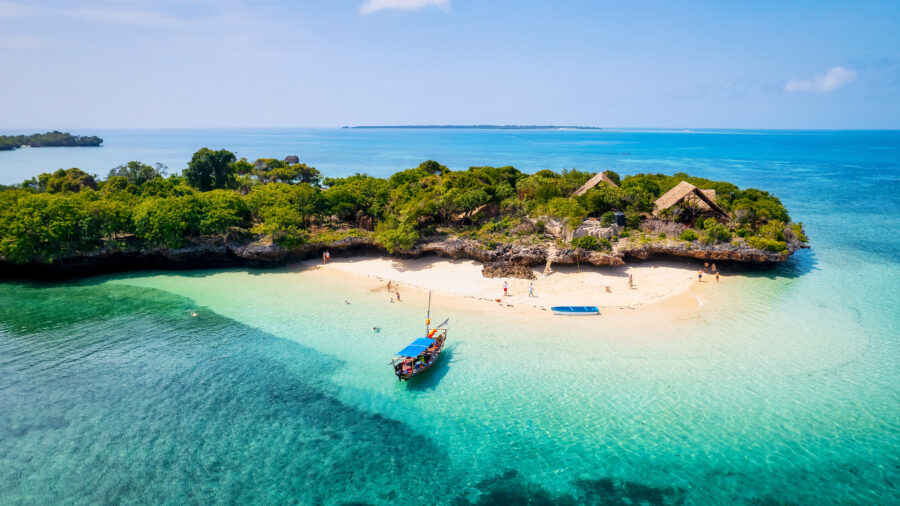
Both destinations offer incredible nature experiences, but they shine in different ways. Zanzibar combines terrestrial wildlife with marine environments, while the Maldives is renowned for its underwater paradise.
Fauna in Zanzibar
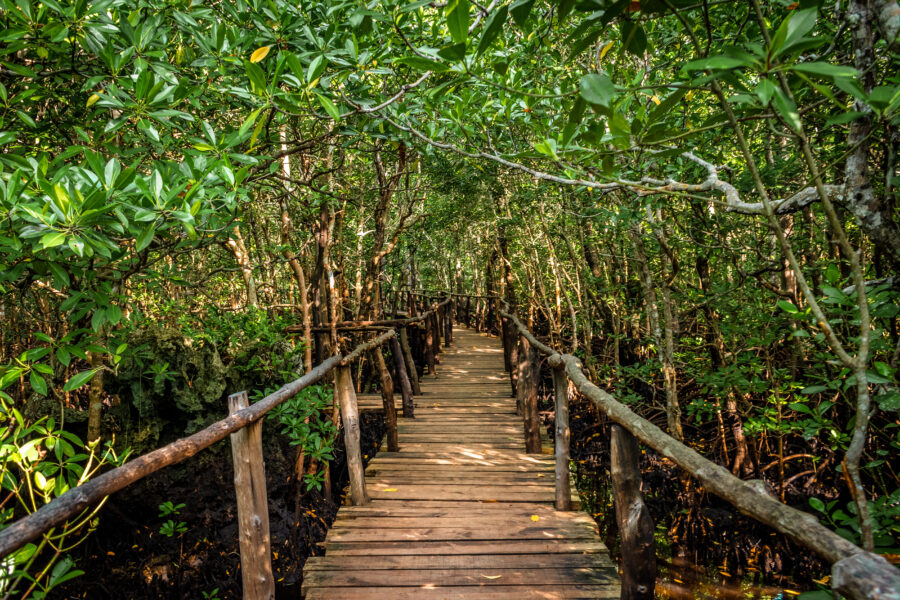
Zanzibar boasts a diverse ecosystem on land and underwater. The Jozani Forest is home to the rare Red Colobus monkeys, which are found nowhere else. These playful creatures with distinctive red caps swing through the trees and surprisingly tolerate human visitors.
The island also features Bush Babies, Sykes monkeys, and over 50 butterfly species. Bird enthusiasts will appreciate the 40+ bird species, including the striking Fischer’s Turaco.
Along Zanzibar’s coastline, you’ll spot dolphins, particularly in the Kizimkazi area. Boat tours offer chances to see bottlenose and humpback dolphins in their natural habitat. Some lucky visitors might even spot sea turtles nesting on the beaches during certain times of the year.
Underwater Discovery in the Maldives
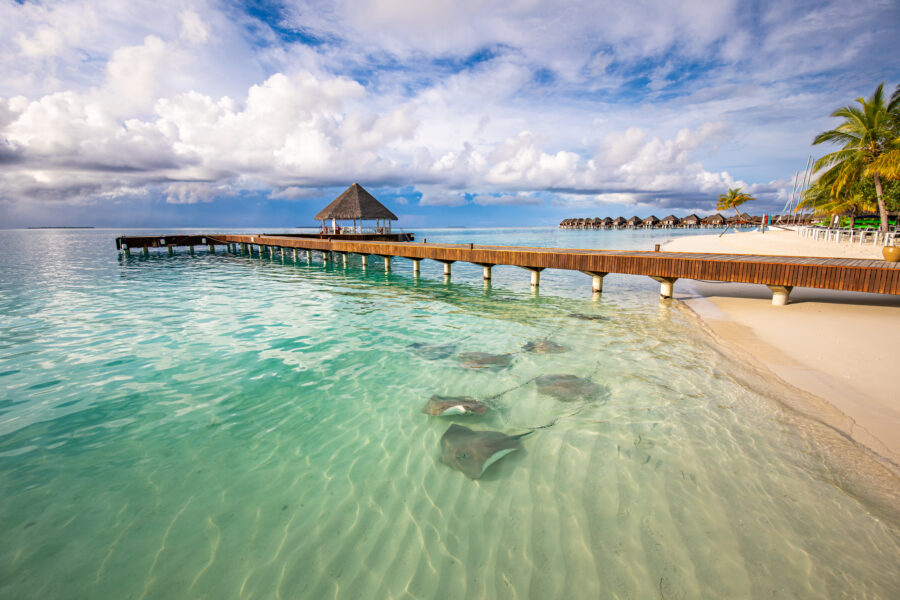
The Maldives is truly a marine life paradise with some of the most vibrant underwater ecosystems on the planet. The crystal-clear waters house over 2,000 fish species, from tiny reef dwellers to larger pelagic species.
Snorkelers can access house reefs directly from their resorts, making wildlife viewing incredibly convenient. You’ll regularly encounter colorful parrotfish, angelfish, and butterflyfish just steps from your accommodation.
For diving enthusiasts, the Maldives offers encounters with manta rays, whale sharks, and various shark species, including reef sharks. The coral formations, though affected by bleaching events, still provide homes to countless marine creatures.
Sea turtles, five of the world’s seven species, are familiar sights in Maldivian waters. Many resorts even participate in conservation programs to protect these magnificent creatures and their habitats.
Travel Logistics and Planning

Planning a trip to either Zanzibar or the Maldives requires careful consideration of timing and budget. Both destinations have distinct travel seasons and price points that can significantly impact your experience.
Best Time to Visit Zanzibar and the Maldives
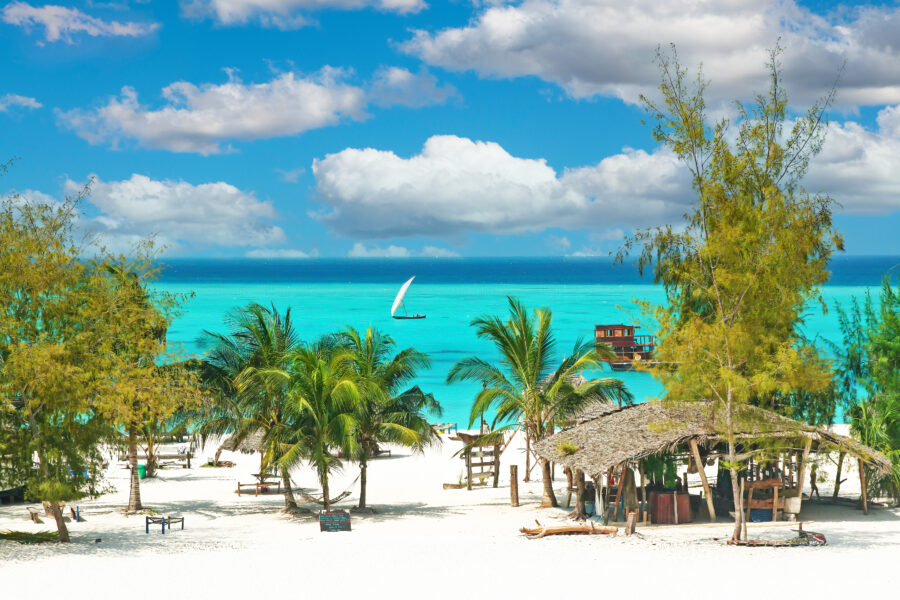
Zanzibar has two dry seasons ideal for visitors: June to October and December to February. These periods offer sunny days with little rainfall, perfect for beach activities and exploring. The warmest months are December through March, with temperatures around 28-34°C (82-93°F).
The Maldives enjoys pleasant weather year-round, but the best time to visit is between November and April. This dry season brings clear skies, calm seas, and excellent visibility for snorkeling and diving. May to October sees occasional rain showers, but prices drop significantly.
Travelers should avoid Zanzibar’s heavy rainy season (March-May) when some resorts close. Beware of the monsoon season (May-October) for the Maldives if water activities are your priority.
Budgeting for Your Trip

The Maldives is decidedly more expensive, with luxury resorts starting around $300-400 per night and easily reaching $1,000+ for premium overwater bungalows. Most resorts operate on an all-inclusive basis, which helps with budgeting but adds to the upfront cost.
Zanzibar offers significantly better value. Budget travelers can find guesthouses from $30-50 per night, while mid-range hotels range from $100-200 per night. Even luxury accommodations rarely exceed $500 per night.
Food costs vary dramatically, too. In the Maldives, you’re typically limited to resort restaurants with meals costing $50-100 per person daily. Zanzibar provides diverse options from $5 street food to $30 restaurant meals.
Transportation adds another layer of expenses. Flights to Zanzibar are generally cheaper, and local transportation is affordable. To reach your resort, the Maldives requires seaplane or speedboat transfers ($200-500 extra).
See Related: The Top Vacation Spot in the World: Discover the Ultimate Destination
Frequently Asked Questions

When planning a trip to either Zanzibar or the Maldives, travelers often have specific concerns about what makes each destination unique. Both islands offer stunning beaches and tropical experiences, but differ significantly in cost, culture, and overall vacation style.
What factors should one consider when choosing between Zanzibar and the Maldives as vacation destinations?
Budget is perhaps the most crucial factor to consider. Zanzibar generally offers more affordable accommodation, dining, and activity options than the Maldives, which is known for its luxury resorts and higher price points.
The type of experience also matters. With its historic Stone Town and local villages, Zanzibar blends beach relaxation and cultural exploration. The Maldives, on the other hand, focuses primarily on secluded island experiences and water activities.
Accessibility is another consideration. Zanzibar is part of a larger landmass (Tanzania), making combining with other destinations like safari trips easier. The Maldives consists of isolated islands; each resort typically occupies its private island.
How do the cultural experiences in Zanzibar compare to those in the Maldives?
Zanzibar offers rich cultural experiences with its blend of African, Arab, Indian, and European influences. Visitors can explore Stone Town, a UNESCO World Heritage site with narrow winding streets, historic buildings, and vibrant markets.
The island’s local communities are accessible, allowing travelers to visit villages and spice farms, interact with locals, and learn about Swahili culture. Many cultural tours and cooking classes are available.
The Maldives, by contrast, offer a more limited cultural offering to tourists. Most resorts are isolated on private islands, creating a bubble-like experience focused on relaxation rather than cultural immersion. Opportunities to experience authentic Maldivian culture are typically limited to day trips to inhabited islands or the capital, Male.
Can you discuss the differences in underwater exploration opportunities between Zanzibar and the Maldives?
The Maldives is world-renowned for its exceptional marine life and crystal-clear waters. The extensive and well-preserved coral reefs offer the best snorkeling and diving experiences globally.
Many Maldivian resorts have house reefs accessible directly from the beach, allowing guests to see colorful fish, reef sharks, rays, and turtles without needing a boat trip. The visibility underwater often exceeds 30 meters.
Zanzibar also offers good snorkeling and diving, particularly around Mnemba Atoll and Chumbe Island. While the marine biodiversity is impressive, the coral health and water visibility are generally less spectacular than in the Maldives.
Tides and runoff can sometimes affect Zanzibar’s waters, especially during rainy seasons. You need to take a boat trip to reach the best snorkeling spots.
In terms of honeymoon destinations, how do Zanzibar and the Maldives differ?
The Maldives is often considered the ultimate honeymoon destination, specializing in privacy and romance. Overwater bungalows, private dinners on the beach, and couples’ spa treatments are standard offerings.
Many Maldivian resorts cater specifically to honeymooners with adults-only policies and romantic amenities like private plunge pools and direct access to the ocean. The seclusion creates an intimate atmosphere perfect for newlyweds.
Zanzibar offers a more adventurous honeymoon experience that combines romance with exploration. Couples can enjoy beautiful beaches and luxury accommodations while venturing to experience local culture, spice tours, and wildlife.
Budget-conscious honeymooners often prefer Zanzibar, where luxury experiences come at a fraction of Maldivian prices. The various activities also make couples less likely to feel confined to their resort.jozani
Which destination suits travelers seeking luxury accommodations, Zanzibar or the Maldives?
The Maldives is the undisputed champion for luxury accommodations. The country has perfected the art of high-end island resorts with world-class amenities and service standards that consistently rank among the best globally.
Iconic overwater villas, underwater restaurants, private butlers, and exclusive experiences like submarine tours define Maldivian luxury. Many international luxury hotel brands have their flagship properties here.
Zanzibar has seen growth in its luxury segment, with beautiful beachfront resorts offering excellent amenities and service. Properties like Zuri Zanzibar and Mnemba Island Lodge provide high-end experiences.
However, even Zanzibar’s most exclusive properties typically lack the extravagance of top Maldivian resorts. Luxury in Zanzibar tends to be more understated and often comes at a significantly lower price point.
What are the best times of year to plan a visit to Zanzibar for optimal weather conditions?
The dry seasons in Zanzibar offer the most pleasant weather conditions. June through October is prime time with low rainfall, moderate temperatures, and good visibility for water activities.
December to February represents the second dry season. These months are slightly hotter than June to October, but they offer sunny days perfect for beach activities. This coincides with the Northern Hemisphere winter, making it popular with European visitors.
Travelers should avoid the long rainy season from March to May, when heavy downpours can limit beach time and water activities. Short afternoon showers are common in November during the brief rainy season.
Wind conditions also affect water clarity and comfort. July and August can be windy on the East Coast, making the sheltered West Coast beaches more appealing during these months.