
Last modified October 16, 2025
Choosing between Vienna and Amsterdam is no small feat—they each have their own kind of magic. Vienna’s got this polished, regal vibe: grand palaces, cozy cafés, a pace that lets you breathe. Amsterdam? It’s all about those lively canals, endless bikes, and a creative energy that just doesn’t quit. If you’re into art, history, and a bit of luxury without breaking the bank, Vienna’s hard to beat. But if you crave diversity, buzz, and a modern edge, Amsterdam’s probably calling your name.
You’ll feel the difference right away. Vienna welcomes you with classical music and the hum of coffeehouses; Amsterdam hits you with the scent of water and the constant whir of cyclists. Both cities promise a high quality of life—but in their own ways.
Key Takeaways
- Vienna’s timeless culture comes with a lower price tag.
- Amsterdam stands out for modern energy and creative freedom.
- The right choice really depends on your pace and personality.
Overall Cost of Living Comparison

Vienna is typically easier on your wallet than Amsterdam, especially when it comes to rent and getting around. Daily spending depends a lot on your habits—where you live, how often you eat out, and how much you move around.
Monthly Expenses Breakdown
Vienna usually runs about 20–25% cheaper than Amsterdam. Rent is the big one—living in Vienna can cost you nearly 40% less, especially outside the center.
A one-bedroom in central Vienna? Around €1,200. Amsterdam? You’re looking at €1,800 or more. Public transport in Vienna is also a bargain, with a monthly pass costing about half of Amsterdam’s.
If you’re budgeting, you’ll probably spend €2,100–€2,400 a month in Vienna (rent, food, utilities), while Amsterdam pushes closer to €3,000–€3,200. Of course, your own lifestyle will nudge these numbers up or down, but it’s a solid starting point.
Moving cities? Pack light and invest in some decent travel gear. It’ll make life easier, trust me.
Food and Grocery Prices
Groceries in Vienna are a bit cheaper, but not wildly so. Bread, milk, eggs—expect to pay 10–20% less than in Amsterdam. Eating out is where Vienna really pulls ahead: a decent mid-range meal will run you €15–€20 in Vienna, but €25–€30 in Amsterdam.
Rice? About €2.20 per kilo in Amsterdam, €1.80 in Vienna. Produce and meat are usually more affordable in Austria too.
Honestly, Vienna’s open-air markets like Naschmarkt offer fresher, better-value ingredients than most chain stores in Amsterdam. If you shop local and cook at home, you’ll eat well for less.
Utilities and Internet Costs
Utilities in Vienna—think electricity, heating, water—average €200–€250 per month for a small flat. In Amsterdam, you’re looking at €300–€350, especially when it’s cold.
Internet’s pretty similar in both places: high-speed connections for €35–€45 a month. The real difference is insulation—Viennese apartments tend to keep the heat in, which helps when winter hits.
If you’re staying a while but not forever, short-term travel insurance like VisitorsCoverage can be a lifesaver while you get settled.
Rent and Housing Market
Vienna’s rental scene is much friendlier to your bank account than Amsterdam’s. It’s not just about price—there’s more space, different building styles, and neighborhoods that really shape your daily life.
City Center Apartment Costs
Want to live in the thick of things? Be ready for some sticker shock in Amsterdam. In Vienna, central spots like Innere Stadt average €22–23/m²; nearby districts (Landstraße, Wieden) drop to €15–17/m².
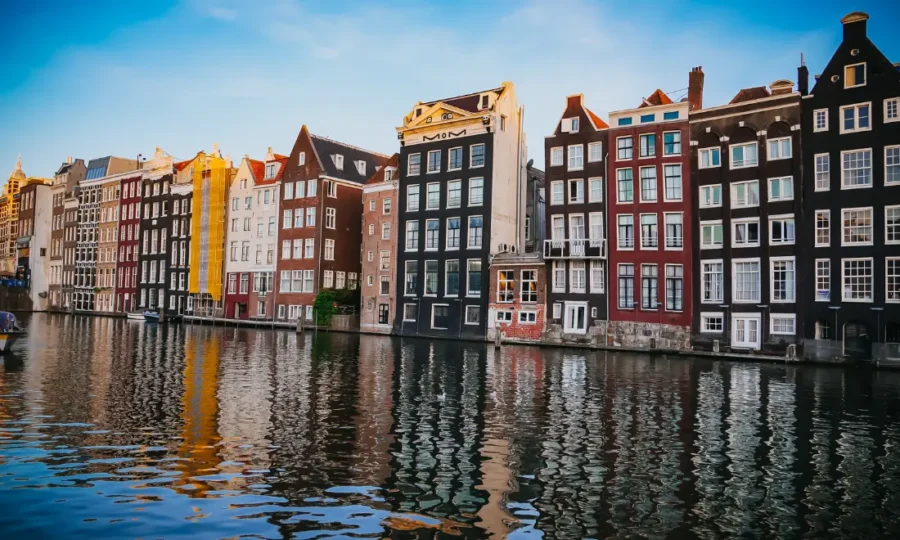
Amsterdam’s center? Often €30/m² or more. A small one-bedroom can easily hit €2,000 a month. Space is tight, and those lovely old canal houses? They come with steep stairs and not much storage.
Vienna’s central apartments often feature high ceilings, parquet floors, and solid insulation. You’re paying for old-world charm and location. In Amsterdam, it’s all about the canals and compact city life—though modern finishes aren’t guaranteed.
Suburban Living Options
Head out of Vienna’s center and things get much more affordable. Districts like Favoriten or Floridsdorf average €12–13/m² and offer good transit and newer buildings. You can snag a two-bedroom with a balcony for less than a tiny Amsterdam studio.
Amsterdam’s suburbs—Amstelveen, Diemen—are still pricey (€20–25/m²), but you do get more greenery and peace. Public transport’s excellent, but commuting can add up.
If space and tranquility matter to you, Vienna’s outer districts are a clear winner. You might get a modern kitchen, maybe a small garden, and you’ll never be far from a tram. Amsterdam’s suburbs feel more like a balancing act between cost and convenience.
Buying Property Insights
Buying is where things really split. Vienna’s average prices in up-and-coming areas are about €4,500 per m²; central luxury spots go over €10,000 per m². Mortgages run 3.5–4.5%, and you’ll need at least a 25–40% down payment if you’re investing.
Amsterdam’s market is tough—limited supply, strict mortgages, higher prices (€8,000–€12,000 per m²), even outside the center. Foreign buyers face more hoops, and bidding wars are just part of the deal.
If you’re thinking long-term, Vienna gives you stable yields (3–4% gross) and a solid rental market. Amsterdam? It’s dynamic, but you’ll need patience and deep pockets. I’ve seen friends wait months for a modest flat in Amsterdam, while in Vienna, things move quickly and feel more accessible.
Transportation and Getting Around
You don’t need a car in either Vienna or Amsterdam. Both cities are built for public transport, walking, and bikes. Vienna feels organized and efficient; Amsterdam is all about bikes and water.
Public Transport Systems

Vienna’s public transport is a dream—U-Bahn, trams, buses, all running like clockwork. Grab a 24-, 48-, or 72-hour pass and you’re set. The WienMobil app is handy for planning and digital tickets. Even late at night, Nightline buses keep you moving. The City Airport Train (CAT) gets you downtown in 16 minutes.
Amsterdam’s GVB network covers trams, buses, and ferries. It’s smaller but suits the city’s compact size. The OV-chipkaart works for everything—including trains to nearby towns. Ferries across the IJ River are free and frequent, especially if you’re staying north of the city.
Flying between the two? Cheap flights are easy to find and sometimes faster than the train.
Cycling and Walking Culture
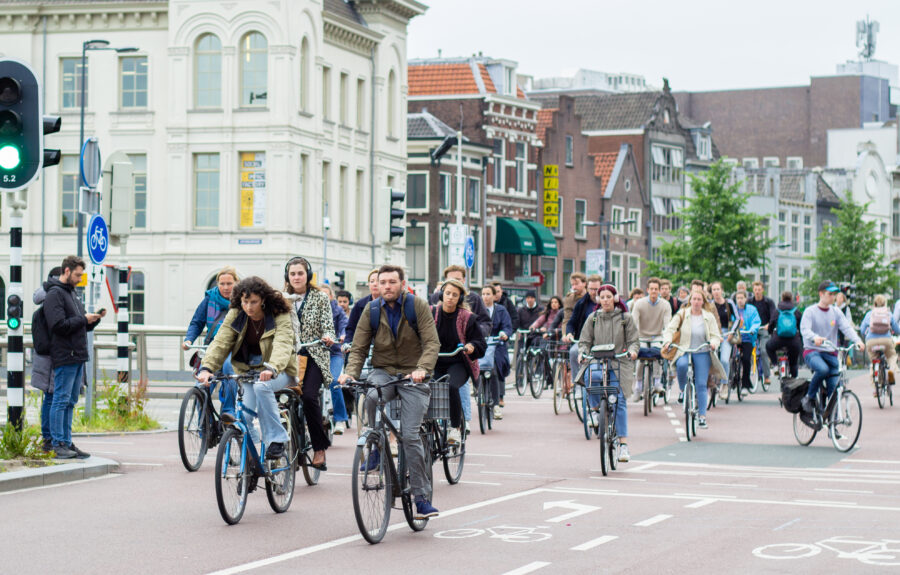
Amsterdam is the cycling capital—more bikes than cars, with dedicated lanes everywhere. Locals ride to work, school, dinner. Renting a bike is simple, but pay attention to local rules or you’ll get honked at.
Vienna’s cycling scene is smaller, but it’s growing. More lanes and bike-sharing stations are popping up, especially along the Danube and Ringstrasse. I once cycled from Belvedere Palace to Schönbrunn Gardens—flat, scenic, and refreshingly quiet.
Both cities are great for walking. Amsterdam’s canals and narrow streets are perfect for wandering, while Vienna’s wide boulevards and parks feel grand and open. Need to stash your bags before exploring? Try luggage storage near the main stations.
Taxi and Ride-Sharing Costs

Vienna’s taxis are metered and reliable, but not exactly cheap. Short rides run €10–15, airport trips about €35–40. You can book fixed-rate airport taxis ahead of time. Uber’s available, though it can be pricier at night.
Amsterdam’s taxis are some of the priciest in Europe—a quick ride across town might cost €25. Uber and Bolt are options, but late-night surges can sting.
Both cities push public transport and bikes over taxis. Still, if you’ve got luggage or it’s pouring rain, a cab might be worth it—especially after a long flight from Vienna to Amsterdam.
Lifestyle and Quality of Life

Vienna and Amsterdam both deliver high living standards, but their vibes are worlds apart. Vienna is calm and orderly; Amsterdam feels lively and creative. You’ll notice it in how people work, relax, and just go about their days.
Work-Life Balance
If you cherish your downtime, Vienna might be your spot. Austrians take work-life balance seriously—shops close early, and nobody’s in a rush to finish lunch. After work, people actually switch off. You’ll see families out for evening walks or friends lingering over coffee.
Amsterdam’s more flexible. Lots of folks work part-time or remotely, and cycling to meetings is just normal. There’s a real entrepreneurial vibe, but the pace is faster. Locals blend work and play—maybe a drink with coworkers, or a yoga class squeezed between Zoom calls.
Vienna is structured and predictable; Amsterdam leans into independence and freedom. If you like clear boundaries between work and rest, Vienna’s your friend. Prefer spontaneity and creative energy? Amsterdam’s got that in spades.
Safety and Cleanliness
Vienna is one of Europe’s cleanest, safest capitals. Streets are tidy, public transport’s reliable, and you rarely feel unsafe—even late at night. Locals take pride in keeping things orderly.
Amsterdam is safe, but busier and more chaotic. The center gets crowded, especially with tourists. You’ll see more litter, bikes everywhere, and a bit more hustle. Crime rates are still low, though, and police are around if you need them.
Watch out for those bike lanes in Amsterdam—cycling rules are strict, and the traffic can feel overwhelming if you’re new to it. Vienna’s slower pace makes it easier to settle in if you like things calm and predictable.
Green Spaces and Recreation
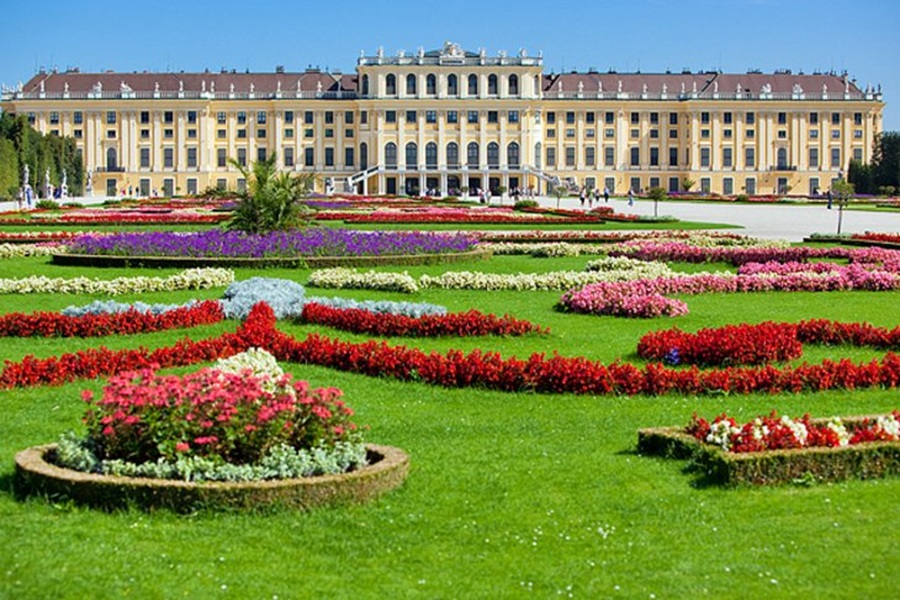
Vienna’s parks and gardens have this quietly regal vibe. Stadtpark, Prater, and Schönbrunn Gardens are perfect for spreading out a picnic blanket or jogging before work. You can even wander through vineyards inside the city—seriously, you’ll spot locals hiking among the vines after office hours.
Amsterdam’s green spaces are a bit smaller, but always full of life. Vondelpark and Westerpark buzz with music, cyclists, and friends lazing on the grass. The canals double as playgrounds—kayak, boat, or just dangle your feet over the edge with a snack.
If you’re after classic beauty and stillness, Vienna’s parks hit the mark. But if you love the energy of a city that never really sits still, Amsterdam’s open spaces feel more alive. Either way, both cities let you stay close to nature without ever leaving the urban core.
Dining and Local Food Scene
Vienna feels old-school and elegant when it comes to food—think slow meals and deep-rooted tradition. Amsterdam, meanwhile, leans casual and international. Both cities care about good ingredients, but the vibe at the table is totally different.
Dining Out: Price and Experience
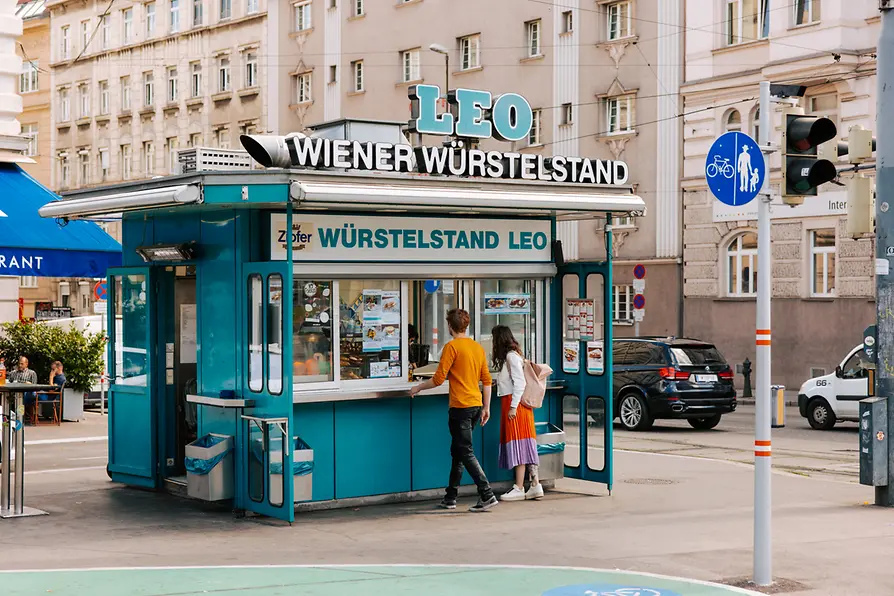
Vienna treats meals like mini-celebrations. You might linger for hours over schnitzel in a Beisl or sip coffee in a grand old café. Lunch deals (Mittagsmenüs) are a steal—three courses for €12–18. High-end spots like Steirereck turn Austrian classics into edible art, but even street sausage stands (Würstelstände) pack a punch of local flavor.
Amsterdam keeps things moving. You’ll stumble across Indonesian rijsttafel, vegan brunch spots, and canal-side bistros dishing out global mashups. Expect to pay more—dinners can run 20–40% higher than Vienna—but you’ll find more options for every diet. Locals eat out on a whim, share plates, or grab fries from a street vendor after midnight.
| Type of Meal | Vienna (avg €) | Amsterdam (avg €) |
|---|---|---|
| Budget Lunch | 10–15 | 15–20 |
| Mid‑Range Dinner | 25–40 | 35–50 |
| Coffee + Pastry | 5–8 | 6–9 |
Supermarket Staples and Specialties
If you like to cook or picnic, both cities make it easy. Vienna’s Billa and Spar stock plenty of local cheese, cured meats, and seasonal produce. You’ll see lots of Austrian apples, pumpkins, and dairy—regional stuff really fills the shelves.
In Amsterdam, Albert Heijn and Jumbo carry everything from Dutch staples to Asian rice varieties, a nod to the city’s trading history. Grab hagelslag (chocolate sprinkles), stroopwafels, and Dutch cheeses—perfect with fresh bread.
Markets are a big deal too. Vienna’s Naschmarkt overflows with fresh produce and spices. Amsterdam’s Albert Cuypmarkt tempts you with street snacks and cheap groceries. Both offer a real slice of daily life.
Economic Opportunities and Salaries
Vienna and Amsterdam both draw skilled folks, but the job scene, pay, and costs play out differently. Vienna has a reputation for stability and a balanced work-life approach. Amsterdam offers bigger paychecks—but you’ll pay more to live there.
Job Market Overview
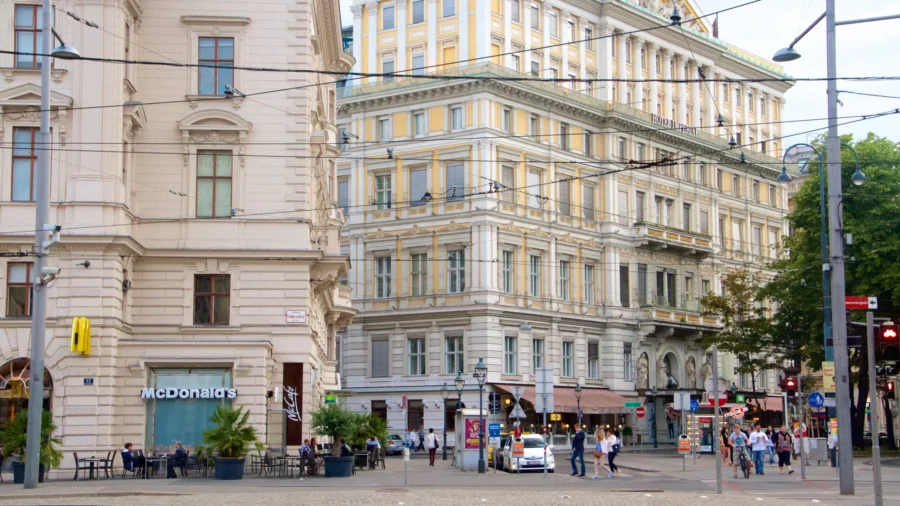
If you’re job-hunting in Europe, both cities have solid prospects, though they feel different on the ground. Vienna’s economy is steady and broad, fueled by services, public administration, and international groups. You’ll spot a lot of jobs in finance, education, and tourism. People here value long-term gigs and solid benefits.
Amsterdam comes off as more entrepreneurial and fast-paced. Tech, creative industries, and startups thrive. English dominates office chatter, which helps expats settle in. But landing a job can get competitive, especially in tech and marketing.
Some folks I’ve met say Vienna is more traditional but safe, while Amsterdam rewards people who move fast and take risks. Want predictability? Vienna’s your place. Hungry for innovation and quick growth? Amsterdam could be a better fit.
Average Salary Comparison
You’ll earn more in Amsterdam, but you’ll also spend more. To match a Vienna lifestyle at €5,400, you might need €7,000 in Amsterdam. That gap catches a lot of newcomers off guard.
| City | Average Monthly Cost (with rent) | Relative Salary Level |
|---|---|---|
| Amsterdam | High (~45% more than Vienna) | Higher gross pay |
| Vienna | Moderate | Lower pay, but better value |
A mid-level software developer in Amsterdam might pull in $70,000–$75,000 yearly. In Vienna, similar roles pay less, but you get lower taxes and cheaper apartments.
So, your money stretches further in Vienna, but Amsterdam hands you faster career moves and a global crowd. It really comes down to what matters more—comfort or momentum.
Frequently Asked Questions
Vienna and Amsterdam both charm in their own ways. From café rituals to canal rides, and from opera houses to bike lanes, each city’s rhythm shapes how you live—and visit.
What cultural differences should I expect when comparing Vienna and Amsterdam?
Vienna feels formal, shaped by centuries of empire. Locals care about etiquette, order, and taking things slow. You’ll see it in the way cafés let you linger over coffee and cake.
Amsterdam’s all about openness and ease. People speak their minds, dress down, and embrace diversity. It’s a city that champions freedom, so you’ll spot creative self-expression everywhere—from street art to politics.
Which city offers a better quality of life for expats, Vienna or Amsterdam?
Vienna almost always ranks up top for livability. It’s clean, safe, and efficient, with strong healthcare and public services. Housing is more affordable than in most Western European capitals, so settling in isn’t as stressful.
Amsterdam offers more buzz and energy, but it can feel crowded and expensive. Still, the international scene, English everywhere, and a good work-life balance attract people who like a faster pace and cosmopolitan feel.
How do the costs of living in Vienna and Amsterdam differ for residents and tourists?
Vienna’s easier on the wallet for both locals and visitors. Groceries, rent, and public transport all cost less, and eating out won’t break the bank.
Amsterdam’s pricier, especially for housing and meals. Tourists notice it fast when booking hotels or tours. Checking prices on Booking.com or KAYAK before your trip helps keep surprises to a minimum.
What are the unique attractions that define a visit to Vienna versus a trip to Amsterdam?
Vienna dazzles with imperial palaces like Schönbrunn and Belvedere, grand opera houses, and coffeehouses that feel like time capsules. Art, music, and history pop up everywhere.
Amsterdam’s magic is in its canals, skinny houses, and world-class museums like the Rijksmuseum and Van Gogh Museum. You can bike or boat around, or join tours via GetYourGuide or Viator to see corners most tourists miss.
Can you compare the public transportation experiences in Vienna and Amsterdam?
Vienna’s public transport is a dream—punctual, spotless, and cheap. U-Bahn, trams, and buses cover every neighborhood, and one ticket works everywhere. You’ll almost never need a car.
Amsterdam’s network is tight and well-connected. Trams and ferries are handy, but honestly, locals hop on bikes for speed. Just bring a raincoat—showers pop up when you least expect them.
What are the pros and cons of the nightlife in Vienna compared to Amsterdam?
Vienna’s nightlife? It’s got this classic charm—jazz clubs, cozy wine bars, late-night cafés where you can actually hear your friends talk. Sure, there are some lively spots, but honestly, the city tends to call it a night earlier than you might expect.
Amsterdam, on the other hand, just buzzes. Canal-side bars, wild dance clubs, gritty little underground spots—there’s always something going on, sometimes too much. The catch? Crowds can get a bit intense, especially on weekends, and if you’re not careful, your wallet will notice how fast those drink prices stack up.