
Zoo Tunis
About Zoo Tunis
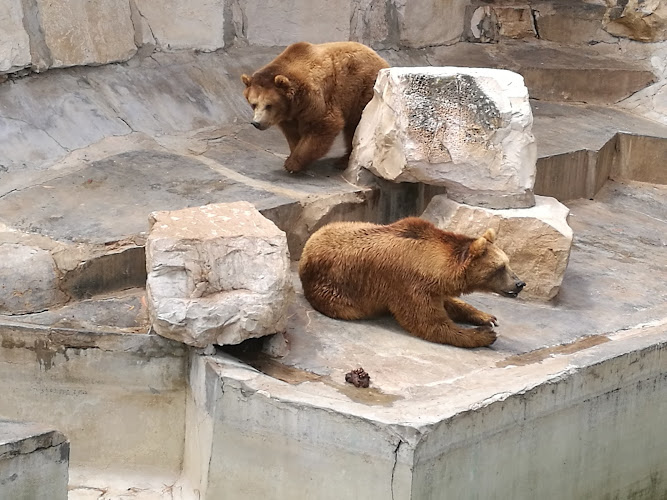
Look, I'll be straight with you - Zoo Tunis isn't your typical polished safari park, but that's exactly what makes it special. Having spent a day wandering its paths recently, I can tell you it's got this raw, authentic charm that bigger zoos sometimes lack. The zoo spreads across a decent chunk of land, giving the animals proper space to roam. You'll spot everything from majestic North African lions to playful monkeys doing their thing.
The grounds have this kind of old-school feel about them - sure, some areas could use a fresh coat of paint, but that's part of what makes it real. What really caught my attention was how the zoo focuses on species native to Tunisia and North Africa. It's like getting a crash course in local wildlife without having to venture into the Sahara.
Key Features
- Native North African wildlife collection including lions, gazelles, and various bird species
- Spacious animal enclosures that mimic natural habitats
- Educational signs in both Arabic and French
- Shaded walking paths throughout the grounds
- Dedicated children's area with smaller animals
- On-site café serving basic refreshments
- Multiple rest areas and picnic spots
- Special exhibits featuring local endangered species
- Interactive feeding sessions (scheduled times vary)
- Photography opportunities at designated viewing points
Best Time to Visit
Take it from someone who's made the rookie mistake of showing up at high noon in August - timing is everything at Zoo Tunis. The sweet spot for visiting is between March and May or September to November. The weather's just right then, and the animals are usually more active. If you're heading there in summer (like I did), aim for early morning, around 8-9 AM, when it's cooler and the animals are starting their day.
Weekdays are way less crowded than weekends. And here's a pro tip: avoid visiting during local school holidays unless you're cool with sharing the space with excited school groups. I've found that Tuesday and Wednesday mornings are particularly peaceful.
How to Get There
Getting to Zoo Tunis isn't complicated, but it does require a bit of planning. If you're staying in central Tunis, you've got several options. Taxis are your easiest bet - any driver will know where to go, and it's relatively affordable. Just make sure they use the meter!
The public bus system also serves the zoo area, though it might take a bit longer. And honestly? The journey's part of the experience. You'll get to see bits of Tunis that most tourists miss while you're en route. If you're driving yourself, there's plenty of parking available, though it can fill up quick on weekends.
Tips for Visiting
After a few visits (yeah, I'm kind of a regular now), I've picked up some handy tricks that'll make your zoo experience better. First off, bring water - lots of it. The café's there if you need it, but having your own supply is smart. Pack some snacks too, especially if you're bringing kids along.
Wear comfortable shoes because you'll be doing plenty of walking. The paths are mostly flat, but you'll want good support. Don't forget your camera - the morning light makes for amazing photos of the animals. And speaking of animals, some of them are most active during feeding times, so ask about the schedule when you arrive.
Oh, and this might sound obvious, but bring cash. While there's technically a card machine at the entrance, it can be temperamental (learned that one the hard way). The entry fee is pretty reasonable, making it one of the more budget-friendly attractions in Tunis.
In summer, definitely bring sunscreen and a hat - there's shade, but you'll be thankful for the extra protection. And if you're visiting with little ones, the children's area is usually less crowded in the morning hours.
Remember those signs I mentioned? They're mostly in Arabic and French, so downloading a translation app beforehand might come in handy if you don't speak either language. The staff are super friendly though, and many speak some English - don't be shy about asking questions!
One last thing - try to save some time for the North African species exhibits. They're not always the most flashy animals, but they're fascinating and give you a real sense of Tunisia's natural heritage. Trust me, watching the Barbary macaques go about their business is way more entertaining than you'd expect!
You Might Also Like
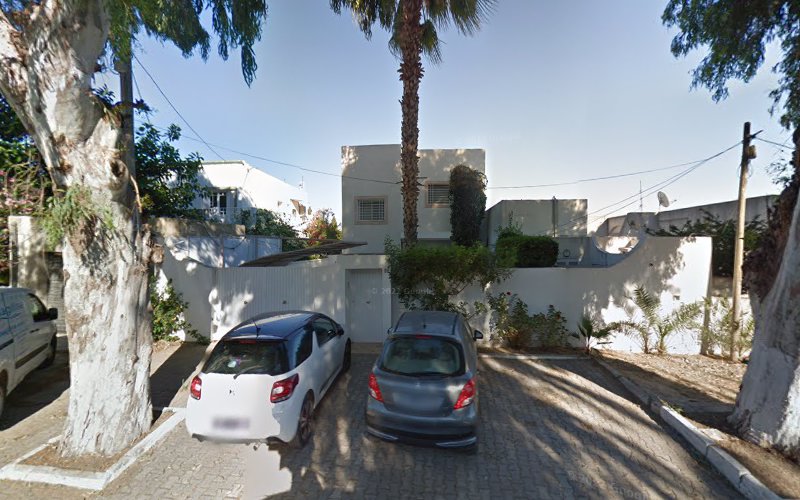
88 La Goulette Rd

Abdelliya Palace
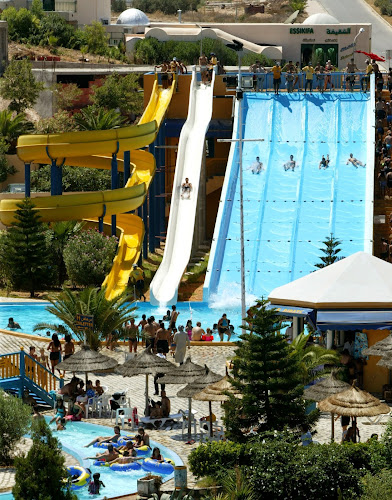
Acqua Palace
Tours & Activities
GetYourGuide provides this tour inventory. We may earn a commission if you book through it; verify current availability, prices, and terms with the provider.
Visitor Reviews
There are no reviews yet. Be the first one to write one.
Share Your Experience
Have you visited Zoo Tunis? Help other travelers by leaving a review.