
Yangjiabu
About Yangjiabu
Yangjiabu is a weifang, shandong, china located in Weifang, China.
Visiting Yangjiabu
Located in Weifang, China, Yangjiabu is a weifang, shandong, china that visitors to the area may find worth exploring.
Planning Your Visit
GPS coordinates: 36.396540, 119.399010. Check locally for current opening hours and any admission fees before visiting.
More Details
Updated April 5, 2026
Yangjiabu is a weifang, shandong, china located in Weifang, China.
Table of Contents
- Visiting Yangjiabu
- Planning Your Visit
- Location
- Places to Stay Near Yangjiabu
- Find and Book a Tour
- Explore More Travel Guides
- Key Takeaways
- About Yangjiabu
- History and Significance
- What Makes It Special
- What to See and Do
- Main Attractions and Highlights
- Best Time to Visit
- Visitor Information
- Location and How to Get There
- Tips for Visitors
- Nearby Places You Might Like
- Traveler Reviews for Yangjiabu
- Share Your Experience
Visiting Yangjiabu
Located in Weifang, China, Yangjiabu is a weifang, shandong, china that visitors to the area may find worth exploring.
Planning Your Visit
GPS coordinates: 36.396540, 119.399010. Check locally for current opening hours and any admission fees before visiting.
Location
Places to Stay Near Yangjiabu
Find and Book a Tour
Explore More Travel Guides
No reviews found! Be the first to review!
Tucked away in the Hanting district of Weifang, Shandong Province, Yangjiabu isn’t your typical tourist village.
This small community has been the beating heart of Chinese kite-making and woodblock New Year paintings for generations, offering you an authentic glimpse into folk traditions that have survived centuries.
Walking through Yangjiabu, you’ll spot craftspeople still carving, printing, and painting by hand.
Their techniques? Passed down through 18 generations—no exaggeration.
What really stands out about Yangjiabu is how open it feels.
You’re not gazing at staged shows or actors in costume.
These are real workshops, humming with families who’ve been at this since before the Qing Dynasty.
The village sits just outside downtown Weifang, so if you’re in the area, it’s a no-brainer detour.
And yes, you can actually try your hand at making your own kite or printing a traditional New Year painting.
The Yangjiabu Folk Art Grand View Garden is both a working factory and a visitor showcase, which means you get to see raw materials morph into colorful kites that now fly in over 50 countries.
Key Takeaways
-
Yangjiabu village specializes in traditional handmade kites and woodblock New Year paintings using centuries-old techniques.
-
The Folk Art Grand View Garden offers hands-on experiences where you can create your own traditional crafts.
-
Located in Weifang’s Hanting district, the village is still a living, breathing community of artisans—not a tourist trap.
About Yangjiabu
Yangjiabu sits in the Hanting District of Weifang, Shandong Province.
Traditional Chinese folk art has thrived here for over 600 years.
This village is famous across China for two crafts that totally define its cultural identity.
History and Significance
Yangjiabu’s kite-making roots stretch back more than six centuries.
The craft moved through generations, each refining the techniques you see today.
The village hit the national radar when the Yangjiabu Kite Factory opened in May 1986.
That grew into what’s now the Yangjiabu Folk Art Grand View Garden, a sprawling 160,000 square meters.
It’s actually China’s largest kite factory.
But kites are only part of the story.
Yangjiabu is one of just three traditional woodblock print production centers in China.
These New Year pictures involve hand-carved blocks and ink applied by hand at every step.
Weifang started hosting the International Kite Festival in 1984, which brought Yangjiabu even more attention.
The annual festival drew visitors from all over and cemented Weifang as the “kite capital of the world.”
Today, the garden is rated a National AAAA Tourist Attraction.
What Makes It Special
There are 61 steps—yes, I counted—to finish a single kite here.
From the first sketch to framing and painting, it’s all done by hand.
The craft is still a family affair.
Young artisans in their 30s represent the 14th generation of woodblock printers.
Families have started putting traditional designs on modern things—throw pillows, canvas bags, you name it.
When you visit, you can watch all of this happening in real working studios.
The garden draws nearly 1,000 visitors daily in the off-season, and way more during the busy months.
You’ll see workers engraving blocks, brushing on colored ink, and assembling bamboo kite frames using techniques that haven’t changed in centuries.
There are hands-on workshops, too.
You can try printing or kite painting yourself.
The kites here aren’t mass-produced souvenirs.
You’ll see classic themes like birds, fish, and mythical beasts, all painted in the old-school style.
What to See and Do
Yangjiabu sits just outside Weifang’s downtown.
The village packs about 600 years of folk art tradition into a pretty compact area.
You’ll find kite workshops, woodblock printing studios, and enough cultural activities to easily fill a day.
Main Attractions and Highlights
The Yangjiabu Folklore Garden is the main draw.
It started as a kite factory in 1986 and now stands as the biggest showcase of its kind in China.
You can watch artisans at work, making traditional kites with the same methods their ancestors used.
The woodblock New Year paintings workshop is where things get hands-on.
These aren’t just passive demos—you can actually try the ancient printing process yourself.
The carved wooden blocks are centuries old, and every color needs its own block and careful alignment.
Over 1,300 kites fill the exhibition halls.
Some are tiny enough to lose in your pocket; others take up entire rooms.
Those centipede kites? They can stretch over 100 feet long—wild.
Nearby, the Weifang Kite Museum in the city center is about 20 minutes away.
But honestly, Yangjiabu is where you’ll get your hands dirty.
Most tours here run around 7.5 hours and include a traditional lunch.
The workshops are accessible by paved paths, though a few older buildings have steps.
Best Time to Visit
April is when the International Kite Festival hits Weifang, and Yangjiabu gets packed.
The weather’s mild, and you’ll see the most kite action—but you’ll also be dealing with crowds.
If you can, visit between September and November.
The weather is pleasant, and the artisans aren’t rushed, so they’re more likely to chat or show you extra tricks.
Winter gets cold in Shandong, but the indoor workshops stay heated.
You might even have a painting studio all to yourself.
Summer? It’s hot and humid, so walking between outdoor exhibits isn’t much fun.
Opening hours shift with the seasons, so double-check locally.
Most workshops run Tuesday through Sunday and close Mondays for maintenance.
Visitor Information
Yangjiabu Folk Art Grand View Garden is in West Yangjiabu Village, Hanting District, about 4 kilometers from the city center.
Spring or fall is best for exploring the outdoor areas—trust me, you’ll thank yourself for skipping the extremes.
Location and How to Get There
You’ll find the garden in West Yangjiabu Village, Hanting District.
It’s an easy drive from downtown Weifang.
If you’re driving, take the Jiqing Expressway, exit at Weifang, and head east for about 4 kilometers until you spot the Yangjiabu archway.
Turn south there and continue another 600 meters.
Most visitors from Beijing or other big cities arrive at Weifang Railway Station first.
From there, just grab a taxi or hop on a local bus to reach the folk art garden.
The ride takes about 20-30 minutes, traffic depending.
Public transit exists, but it’s not as direct as driving.
A lot of travelers just arrange transportation through their hotel or join a tour that pairs the garden with other Weifang spots, like the World Kite Museum.
Tips for Visitors
Check locally for current opening hours before you make the trip—schedules in Yangjiabu seem to change with the seasons more than you’d expect. The garden sprawls across 160,000 square meters, so trust me, you’ll want comfortable shoes.
Give yourself at least a couple of hours, maybe three, if you like to linger. There’s just too much to see and do if you rush.
If you’re thinking about coming in spring, brace yourself for the Weifang International Kite Festival crowds. The whole place buzzes with energy, though you’ll be bumping elbows with plenty of other visitors.
On the other hand, weekdays in fall are a sweet spot. Fewer people, more space—perfect for actually getting a turn at the woodcut New Year picture or kite-making workshops without standing around forever.
Bring cash. Seriously, you’ll want to buy handmade kites and folk art right from the craftspeople.
The traditional workshops are a highlight. You get to make your own souvenirs, and honestly, they’re way more meaningful than something off a shelf.
Don’t just breeze past the New Year picture printing demos. The artisans here are working with techniques handed down for generations—it’s the kind of thing you won’t stumble on anywhere else.
Traveler Reviews for Yangjiabu
There are no reviews yet. Be the first one to write one.
Have you visited Yangjiabu? Help other travelers by sharing your review.
You Might Also Like
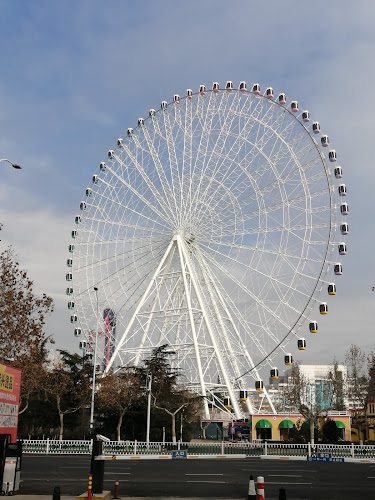
Fuhua Amusement Park
Mihe Park
Qingyun Lake
Find Accommodations Nearby
Recommended Tours & Activities
Visitor Reviews
There are no reviews yet. Be the first one to write one.
Share Your Experience
Have you visited Yangjiabu? Help other travelers by leaving a review.