
Wrigley Field
About Wrigley Field
History and Significance
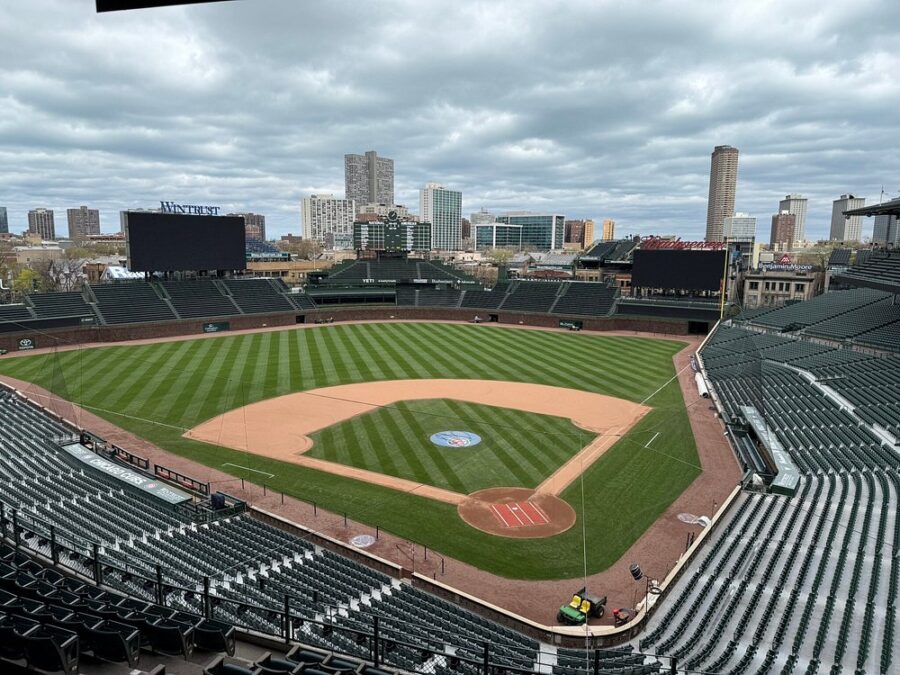
Stepping into Wrigley Field, you’re not just entering a stadium; you're stepping back in time. This iconic field first opened its gates in 1914, and by 1916, it became the beloved home of the Chicago Cubs. My first time here, I remember just gawking at the ivy-covered brick outfield walls – it’s a sight that embeds itself in your memory, a testament to its enduring charm. The ballpark’s rich history is palpable, a feeling you just don't get at newer, more modern venues. It’s a place where generations of Cubs fans have cheered, celebrated, and, yes, sometimes commiserated, forging a deep connection to their baseball team. And honestly, for a place that's seen so much, it looks remarkably well-preserved thanks to ongoing restoration efforts like the 1060 Project, which, in my opinion, skillfully blended modern amenities with its historic character.
Main Attractions and Activities
Beyond the baseball itself, there's so much to experience at Wrigley Field and its surrounding Wrigleyville neighborhood. Before or after a Cubs game at Wrigley Field, take a stroll through Gallagher Way, the public park adjacent to Wrigley Field. It's a fantastic spot that often hosts concerts, a winter rink, and various events, truly making it an attraction outside Wrigley Field. You might even catch a glimpse of the statue honoring Ryne Sandberg near the main entrance. For those coming for a game day, getting here is a breeze; the CTA Red Line stop is right there, an example of smart urban planning. And if you’re looking for a place to stay, Hotel Zachary, which is adjacent to Wrigley Field, offers a prime location and a great vibe, blending seamlessly with the vibrant atmosphere of Clark and Sheffield streets. You'll find vendors hawking their wares, making for a truly immersive Chicago experience.
Visitor Experience
My first time at Wrigley Field, I remember feeling a tangible buzz in the air, a kind of collective anticipation that's uniquely Chicago. And you, dear reader, will undoubtedly feel it too. The vibrant energy on a game day, especially when the Chicago Cubs play, is simply infectious. You'll witness generations of Cubs fans, from seasoned veterans who remember the 1916 glory days to wide-eyed youngsters, all united in their love for this baseball team and their iconic ballpark. It’s more than just a Major League Baseball game; it’s a shared cultural experience. My advice: arrive early. Not only does it give you ample time to soak in the atmosphere outside Wrigley Field, but it also allows for leisurely exploration of the Friendly Confines. Take a moment to appreciate the hand-operated scoreboard, a rare gem in modern sports venues.
Tips for Visitors
When planning your visit to Chicago and, by extension, Wrigley Field, a few practical tips can elevate your experience. First, securing your ticket in advance is paramount, especially for weekend home games or any time the Cubs are playing a big rival. Trust me, waiting until game day often means paying inflated prices from a vendor or missing out entirely. As for transportation, the CTA Red Line stop at Addison is unbelievably convenient, practically dropping you off at the stadium's doorstep. I’ve tried to park at Wrigley before, and let me tell you, it's not for the faint of heart or light of wallet. Consider staying at Hotel Zachary; its proximity to Wrigley Field means you can walk to the ballpark, avoiding all the traffic woes. And don't forget to explore Wrigleyville itself—it’s a dynamic neighborhood with plenty of pre- and post-game options.
Accessibility and Facilities
Wrigley Field, despite its venerable age, has made significant strides in accessibility, thanks in part to the 1060 Project restoration efforts. While it retains its historic charm, the ballpark now boasts enhanced facilities designed to accommodate all visitors. You'll find improved restrooms, wider concourses that make navigating the crowds much easier, and better access for those with mobility challenges. And the new video board, while a departure from tradition for some purists, undeniably enhances the viewing experience, providing replays and statistics that weren't possible in the old days. For those attending a concert at the venue, these upgrades also mean a more comfortable and enjoyable experience. The blending of the old with the new ensures that Wrigley Field remains a beloved attraction for everyone, preserving its legacy while embracing the needs of today's fans.
Unique Features
What truly sets Wrigley Field apart, beyond its ivy-covered walls, are the myriad of distinctive elements that give it a soul unlike any other ballpark. You'll quickly notice the iconic hand-operated scoreboard in center field, a true relic of baseball's past. My first time witnessing an out being manually marked on that board, I felt a genuine connection to the game's history. It’s a testament to the Friendly Confines’ commitment to tradition, a refusal to completely succumb to modern digital displays, though a new video board has been added. And don't forget the legendary marquee at the main entrance, a vibrant beacon that has welcomed Cubs fans for generations. These aren't just features; they're parts of the Wrigley Field experience, elements that contribute to the unique charm of this Chicago institution, making every game at Wrigley Field a step back in time.
Overall Impressions
My overall impression of Wrigley Field, even after countless visits, remains consistently one of profound appreciation for its authenticity and the palpable connection it fosters between the Chicago Cubs and their devoted Cubs fans. It’s not merely a stadium where baseball games are played; it’s a living, breathing entity deeply woven into the fabric of Chicago culture. The atmosphere on a game day, particularly when the Cubs play, is simply electric, a joyous cacophony of cheers, organ music, and the collective anticipation of a major league baseball victory. And you'll see it in the faces of everyone there, from the long-suffering loyalists to the giddy newcomers. It truly embodies the spirit of baseball, reminding you why this game is America's pastime. Honestly, if you're ever in Chicago during baseball season, experiencing a game at Wrigley Field is an absolute must-do; it transcends the ordinary.
Pros and Cons
Every venerable attraction, even one as beloved as Wrigley Field, comes with its own set of pros and cons, and it's only fair to lay them bare for you, the discerning traveler. On the "pro" side, the undeniable charm and historical significance of the ballpark are unparalleled. Walking into the Friendly Confines, you're enveloped by a sense of tradition and community that few modern stadiums can replicate. The location in the heart of Wrigleyville, with its vibrant array of bars and restaurants, is another massive plus; there's always something to do outside Wrigley Field before and after the game. The ease of transportation via the CTA Red Line is also a huge advantage. However, on the "con" side, the historic nature of the venue can mean narrower concourses and, at times, fewer modern amenities compared to newer parks. Tickets can be pricey, especially for a Cubs game, and parking near the field can be a nightmare. But for many, including me, the unique experience far outweighs these minor inconveniences.
Key Features
- History and Significance
- Main Attractions and Activities
- Visitor Experience
- Tips for Visitors
- Accessibility and Facilities
- Unique Features
Tours & Activities
GetYourGuide provides this tour inventory. We may earn a commission if you book through it; verify current availability, prices, and terms with the provider.
Visitor Reviews
There are no reviews yet. Be the first one to write one.
Share Your Experience
Have you visited Wrigley Field? Help other travelers by leaving a review.