
Vista Chinesa
About Vista Chinesa
Description
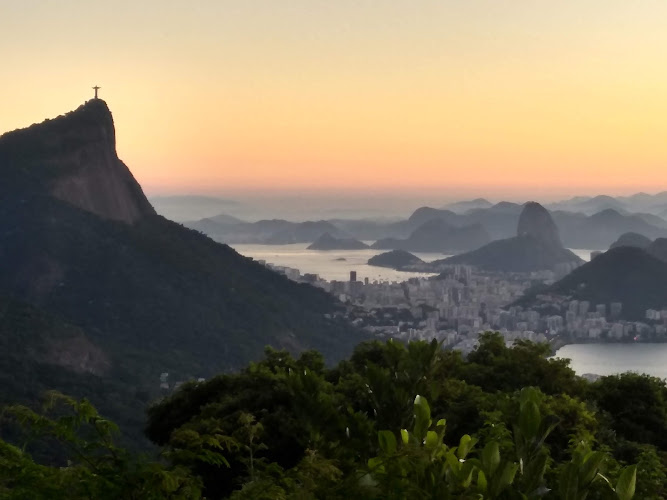
Vista Chinesa is one of those places in Rio de Janeiro that manages to feel both ancient and timeless at once. Perched about 380 meters above sea level, it offers one of the most captivating panoramic views in the city—mountains rolling into the sea, the skyline shimmering in the distance, and that unmistakable tropical light that makes everything look a bit more cinematic. Built in 1903, the Chinese-style pavilion stands as a quiet tribute to the influence of early Chinese immigrants who helped shape Brazil’s tea culture. It’s not just a lookout point; it’s a piece of history wrapped in serenity and framed by rainforest.
The structure itself is small, but it has a charm that’s hard to describe unless you’ve stood under its curved roof and felt the breeze drift through. The intricate wooden details and the tiled roof give it a delicate elegance, yet it feels sturdy—like it’s been watching over Rio for more than a century. And honestly, it has. Locals come here to catch their breath, photographers chase the sunrise, and travelers (like me, the first time I came here) end up staying longer than planned because the view keeps changing with every passing cloud.
What makes Vista Chinesa special isn’t just the view—it’s the feeling of standing between the chaos of the city and the calm of nature. You can hear the hum of the forest, the distant sound of the city below, and sometimes, if you’re lucky, the call of a toucan echoing through the trees. It’s a place that makes you pause, reflect, and realize how beautifully wild Rio really is. Sure, it can get crowded on weekends, but even then, there’s a certain peace about it. The kind that reminds you that some places don’t need to shout to be unforgettable.
Key Features
- Chinese-style pavilion built in 1903, symbolizing Brazil’s early tea culture.
- Elevation of 380 meters with sweeping views of the city, sea, and surrounding mountains.
- Located within the lush Tijuca National Park, offering access to hiking trails and waterfalls nearby.
- Wheelchair-accessible entrance and parking area, making it inclusive for all visitors.
- Free parking lot available, though spaces can fill quickly on weekends.
- Family-friendly environment with safe areas for children to explore under supervision.
- Popular among photographers and nature lovers for sunrise and sunset views.
Best Time to Visit
If there’s one thing I learned after a few visits, it’s that timing can completely change your experience at Vista Chinesa. Early mornings—around sunrise—are pure magic. The city below is still waking up, the air is cool, and the light hits the landscape in that golden way that makes even the most seasoned traveler pull out their camera. Midday can be busier and hotter, especially on weekends, but the visibility tends to be clear. Late afternoons are also lovely, though you might have to share the space with more people chasing that perfect sunset shot.
Avoid rainy days if you can. The road up gets slippery, and the view can disappear behind a curtain of mist (though, to be fair, even that has its own mysterious charm). Weekdays are generally quieter, making them ideal for those who prefer a more peaceful visit. And if you’re into photography or just want that postcard-perfect moment, plan your trip on a day with good visibility—after a light rain, for example, when the air is crisp and the colors pop.
How to Get There
Getting to Vista Chinesa is part of the adventure. The drive winds through Tijuca National Park—a dense, green maze of tropical trees, waterfalls, and winding roads that make you forget you’re minutes away from one of the world’s busiest cities. Most visitors come by car or taxi, which is the easiest way to reach the lookout since public transport doesn’t go all the way up. The road is paved but narrow, so drive carefully, especially around the curves. If you’re used to mountain roads, you’ll be fine. If not, take it slow and enjoy the scenery.
For the more adventurous, biking up is an option, though it’s quite a climb. I once tried it on a whim—let’s just say it was beautiful but exhausting. Still, reaching the top on your own power feels like a small victory. There are also hiking trails that connect parts of the park to the Vista, though they’re better suited for experienced hikers familiar with the terrain. Whichever way you go, the journey itself is half the reward.
Tips for Visiting
A few lessons learned from experience: bring water and snacks. There aren’t any cafes or vendors up there, and trust me, after the climb or drive, you’ll want something to sip while you take in the view. Sunscreen is a must, even if it’s cloudy—the tropical sun doesn’t play around. Comfortable shoes are also a good idea since the ground around the pavilion can be uneven.
If you’re visiting with kids, keep an eye on them near the edges, but overall, it’s a safe and open space for families. The area is wheelchair accessible, which is great to see, though some parts of the surrounding paths can be a bit bumpy. Parking is free, but it can fill up quickly, especially on weekends, so arriving early is smart. And if you’re into photography, bring a tripod—sunrise and sunset shots here are breathtaking.
One more thing: don’t rush. It’s tempting to snap a few photos and move on to the next attraction, but this place rewards patience. Sit for a while, listen to the forest, watch the clouds drift over the city. There’s something grounding about it. You’ll probably see locals jogging, couples taking engagement photos, and tourists like you just soaking it all in. It’s a reminder that Rio’s beauty isn’t just in its beaches—it’s in these quiet, elevated moments where the city feels both distant and deeply connected at the same time.
And maybe, if you’re lucky, you’ll get that perfect moment when the sun breaks through the haze, the Christ the Redeemer statue glows in the distance, and you realize why people keep coming back here. Vista Chinesa isn’t just a viewpoint—it’s a pause button in the middle of Rio’s rhythm. And every traveler deserves to press it at least once.
Key Features
- Chinese-style pavilion built in 1903, symbolizing Brazil’s early tea culture.
- Elevation of 380 meters with sweeping views of the city, sea, and surrounding mountains.
- Located within the lush Tijuca National Park, offering access to hiking trails and waterfalls nearby.
- Wheelchair-accessible entrance and parking area, making it inclusive for all visitors.
- Free parking lot available, though spaces can fill quickly on weekends.
- Family-friendly environment with safe areas for children to explore under supervision.
- Popular among photographers and nature lovers for sunrise and sunset views.
More Details
Updated October 10, 2025
Table of Contents
Description
Vista Chinesa is one of those places in Rio de Janeiro that manages to feel both ancient and timeless at once. Perched about 380 meters above sea level, it offers one of the most captivating panoramic views in the city—mountains rolling into the sea, the skyline shimmering in the distance, and that unmistakable tropical light that makes everything look a bit more cinematic. Built in 1903, the Chinese-style pavilion stands as a quiet tribute to the influence of early Chinese immigrants who helped shape Brazil’s tea culture. It’s not just a lookout point; it’s a piece of history wrapped in serenity and framed by rainforest.
The structure itself is small, but it has a charm that’s hard to describe unless you’ve stood under its curved roof and felt the breeze drift through. The intricate wooden details and the tiled roof give it a delicate elegance, yet it feels sturdy—like it’s been watching over Rio for more than a century. And honestly, it has. Locals come here to catch their breath, photographers chase the sunrise, and travelers (like me, the first time I came here) end up staying longer than planned because the view keeps changing with every passing cloud.
What makes Vista Chinesa special isn’t just the view—it’s the feeling of standing between the chaos of the city and the calm of nature. You can hear the hum of the forest, the distant sound of the city below, and sometimes, if you’re lucky, the call of a toucan echoing through the trees. It’s a place that makes you pause, reflect, and realize how beautifully wild Rio really is. Sure, it can get crowded on weekends, but even then, there’s a certain peace about it. The kind that reminds you that some places don’t need to shout to be unforgettable.
Key Features
- Chinese-style pavilion built in 1903, symbolizing Brazil’s early tea culture.
- Elevation of 380 meters with sweeping views of the city, sea, and surrounding mountains.
- Located within the lush Tijuca National Park, offering access to hiking trails and waterfalls nearby.
- Wheelchair-accessible entrance and parking area, making it inclusive for all visitors.
- Free parking lot available, though spaces can fill quickly on weekends.
- Family-friendly environment with safe areas for children to explore under supervision.
- Popular among photographers and nature lovers for sunrise and sunset views.
Best Time to Visit
If there’s one thing I learned after a few visits, it’s that timing can completely change your experience at Vista Chinesa. Early mornings—around sunrise—are pure magic. The city below is still waking up, the air is cool, and the light hits the landscape in that golden way that makes even the most seasoned traveler pull out their camera. Midday can be busier and hotter, especially on weekends, but the visibility tends to be clear. Late afternoons are also lovely, though you might have to share the space with more people chasing that perfect sunset shot.
Avoid rainy days if you can. The road up gets slippery, and the view can disappear behind a curtain of mist (though, to be fair, even that has its own mysterious charm). Weekdays are generally quieter, making them ideal for those who prefer a more peaceful visit. And if you’re into photography or just want that postcard-perfect moment, plan your trip on a day with good visibility—after a light rain, for example, when the air is crisp and the colors pop.
How to Get There
Getting to Vista Chinesa is part of the adventure. The drive winds through Tijuca National Park—a dense, green maze of tropical trees, waterfalls, and winding roads that make you forget you’re minutes away from one of the world’s busiest cities. Most visitors come by car or taxi, which is the easiest way to reach the lookout since public transport doesn’t go all the way up. The road is paved but narrow, so drive carefully, especially around the curves. If you’re used to mountain roads, you’ll be fine. If not, take it slow and enjoy the scenery.
For the more adventurous, biking up is an option, though it’s quite a climb. I once tried it on a whim—let’s just say it was beautiful but exhausting. Still, reaching the top on your own power feels like a small victory. There are also hiking trails that connect parts of the park to the Vista, though they’re better suited for experienced hikers familiar with the terrain. Whichever way you go, the journey itself is half the reward.
Tips for Visiting
A few lessons learned from experience: bring water and snacks. There aren’t any cafes or vendors up there, and trust me, after the climb or drive, you’ll want something to sip while you take in the view. Sunscreen is a must, even if it’s cloudy—the tropical sun doesn’t play around. Comfortable shoes are also a good idea since the ground around the pavilion can be uneven.
If you’re visiting with kids, keep an eye on them near the edges, but overall, it’s a safe and open space for families. The area is wheelchair accessible, which is great to see, though some parts of the surrounding paths can be a bit bumpy. Parking is free, but it can fill up quickly, especially on weekends, so arriving early is smart. And if you’re into photography, bring a tripod—sunrise and sunset shots here are breathtaking.
One more thing: don’t rush. It’s tempting to snap a few photos and move on to the next attraction, but this place rewards patience. Sit for a while, listen to the forest, watch the clouds drift over the city. There’s something grounding about it. You’ll probably see locals jogging, couples taking engagement photos, and tourists like you just soaking it all in. It’s a reminder that Rio’s beauty isn’t just in its beaches—it’s in these quiet, elevated moments where the city feels both distant and deeply connected at the same time.
And maybe, if you’re lucky, you’ll get that perfect moment when the sun breaks through the haze, the Christ the Redeemer statue glows in the distance, and you realize why people keep coming back here. Vista Chinesa isn’t just a viewpoint—it’s a pause button in the middle of Rio’s rhythm. And every traveler deserves to press it at least once.
Key Highlights
- Chinese-style pavilion built in 1903, symbolizing Brazil’s early tea culture.
- Elevation of 380 meters with sweeping views of the city, sea, and surrounding mountains.
- Located within the lush Tijuca National Park, offering access to hiking trails and waterfalls nearby.
- Wheelchair-accessible entrance and parking area, making it inclusive for all visitors.
- Free parking lot available, though spaces can fill quickly on weekends.
- Family-friendly environment with safe areas for children to explore under supervision.
- Popular among photographers and nature lovers for sunrise and sunset views.
Location
Places to Stay Near Vista Chinesa
Find and Book a Tour
Explore More Travel Guides
No reviews found! Be the first to review!
Traveler Reviews for Vista Chinesa
There are no reviews yet. Be the first one to write one.
Have you visited Vista Chinesa? Help other travelers by sharing your review.
You Might Also Like
Monumento à Princesa Isabel, a Redentora
Chiquinho Bar
Copacabana Fort
Find Accommodations Nearby
Recommended Tours & Activities
Visitor Reviews
There are no reviews yet. Be the first one to write one.
Share Your Experience
Have you visited Vista Chinesa? Help other travelers by leaving a review.