
Veer Bahadur Singh Planetarium (Taramandal)
About Veer Bahadur Singh Planetarium (Taramandal)
Description
Veer Bahadur Singh Planetarium, often called the Taramandal by locals, is one of those places that quietly surprises you. Located in Gorakhpur, Uttar Pradesh, it’s not just a building with a fancy dome—it’s a window into the vastness of space. The moment one steps inside, there’s this feeling of curiosity that takes over. The air smells faintly of science and excitement (if that makes sense). It’s the kind of place where both kids and adults end up staring at the ceiling, completely mesmerized by the simulated night sky. I still remember my first visit—sitting in that dimly lit dome, the lights dimming, and suddenly, stars bursting into view above me. It felt like being transported right into the cosmos.
What makes this planetarium stand out is its ability to make astronomy feel accessible. You don’t have to be an astrophysicist to enjoy it. The shows are designed to engage everyone—from the curious child who just learned about planets to the adult who secretly still wishes to be an astronaut. The visuals are stunning, and the narration (in both Hindi and English) manages to strike that perfect balance between educational and entertaining. The planetarium’s modern projection system creates an immersive experience that’s hard to forget. And yes, the seats are surprisingly comfortable—trust me, that matters when you’re gazing up for 45 minutes straight.
Beyond the dome, the atmosphere is calm and inviting. There’s a small garden area outside where families often hang out after the shows, chatting about what they just saw. It’s also a great place for school trips; you’ll often spot groups of students buzzing with excitement, trying to recall the names of constellations they just learned. The staff here are friendly and knowledgeable, always ready to answer questions or explain a concept again for the curious minds. While there are occasional complaints about ticket queues or show timings (a common issue in many public attractions), most visitors leave with smiles and wide eyes. It’s not just an outing—it’s an experience that sparks imagination and wonder.
Key Features
- State-of-the-art projection system: Offers a breathtaking 3D-like experience of space, stars, and galaxies.
- Educational shows: Regularly scheduled programs on astronomy, space missions, and the solar system suitable for all age groups.
- Accessibility: Wheelchair-accessible entrances, restrooms, parking, and seating ensure inclusivity for everyone.
- Family-friendly environment: Perfect for kids and school groups, with interactive learning opportunities.
- Well-maintained facilities: Clean restrooms, organized seating, and a pleasant outdoor area for relaxation.
- Affordable entry: Reasonably priced tickets make it accessible for both locals and travelers.
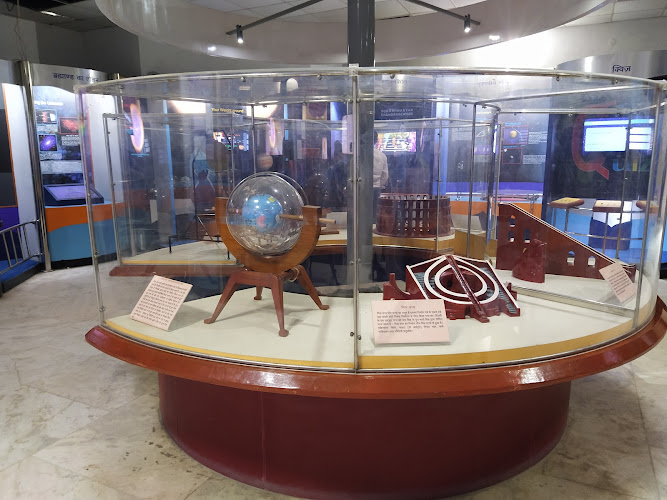
- Science-focused exhibits: Occasionally hosts exhibitions and workshops related to astronomy and space science.
Honestly, what I love most is how it manages to make science feel like play. You don’t just watch—you feel involved. The visuals are so vivid that even those who aren’t big on science start asking questions about black holes or galaxies afterward. That’s when you know a place has done its job well.
Best Time to Visit
If you ask me, the best time to visit the Veer Bahadur Singh Planetarium is during the cooler months—say, from November to February. The weather in Gorakhpur can get pretty warm during summer, and since you’ll likely want to stroll around the area before or after your show, cooler weather makes the experience much more pleasant. Weekdays are generally quieter, so if you prefer a more relaxed visit without the crowd chatter, that’s your best bet. On weekends and holidays, it tends to get busier with families and school groups.
Evening shows are particularly magical. There’s something about walking out after the show, looking up at the real night sky, and realizing how tiny we are in the grand scheme of things. It’s humbling and beautiful all at once.
How to Get There
Getting to the planetarium is fairly straightforward. Gorakhpur is well-connected by road and rail, so if you’re traveling from nearby cities like Lucknow or Varanasi, you can easily reach by train or bus. Once in the city, local transport options such as auto-rickshaws and cabs are readily available. Most drivers know “Taramandal” as a landmark—just mention that, and you’ll be dropped off right at the entrance.
For those driving their own vehicles, parking is available near the planetarium. The area around it is quite organized, so you won’t have to stress about finding a spot. If you’re staying in Gorakhpur for a few days, it’s worth adding this to your itinerary along with the Gorakhnath Temple and Ramgarh Tal Lake, which are also popular attractions nearby.
Tips for Visiting
Here’s where the little details make all the difference. Having been there a few times, I’ve picked up a few tips that can make your visit smoother and more enjoyable:
- Arrive early: Get your tickets at least 20–30 minutes before the show. The lines can get long, especially on weekends or school holidays.
- Check show timings: The planetarium usually runs multiple shows a day, but schedules can change. It’s smart to confirm the timings beforehand.
- Bring your curiosity: It sounds cliché, but the more curious you are, the more you’ll enjoy it. Don’t hesitate to ask questions or chat with the staff—they love sharing facts about space.
- Photography: Flash photography isn’t allowed inside the dome (for obvious reasons), but you can take photos outside the building and in the garden area.
- Travel light: Bags and large items aren’t ideal to carry inside. Keep it simple so you can relax and enjoy the show.
- Visit with kids: If you’re traveling with children, this is one of the most educational yet fun stops in Gorakhpur. Kids absolutely love the interactive nature of the experience.
- Plan for nearby attractions: Combine your visit with other nearby spots to make a full day of exploration.
And here’s a personal note—don’t rush through it. Take a moment after the show to just sit quietly and think about what you’ve seen. The vastness of space has a way of putting life into perspective. I remember sitting outside after one show, watching a group of kids pointing at the sky, trying to find Orion’s Belt. That joy, that curiosity—it’s contagious. It reminded me why places like this matter. They remind us that learning doesn’t stop when school ends. It’s everywhere, even in the stars above.
So, if you ever find yourself in Gorakhpur and want to do something a little different—something that sparks your imagination—head to the Veer Bahadur Singh Planetarium. It’s not just a tourist spot; it’s a small gateway to the infinite. Whether you’re a traveler, a parent, or just someone who loves to wonder about what’s out there, this place has a way of making you look up with a smile and think, “Wow, there’s so much more to see.”
Key Features
- Key Features
- Best Time to Visit
- How to Get There
- Tips for Visiting
More Details
Updated November 6, 2025
Table of Contents
- Description
- Key Features
- Best Time to Visit
- How to Get There
- Tips for Visiting
- Key Highlights
- Location
- Places to Stay Near Veer Bahadur Singh Planetarium (Taramandal)
- Find and Book a Tour
- Explore More Travel Guides
- Nearby Places You Might Like
- Traveler Reviews for Veer Bahadur Singh Planetarium (Taramandal)
- Share Your Experience
Description
Veer Bahadur Singh Planetarium, often called the Taramandal by locals, is one of those places that quietly surprises you. Located in Gorakhpur, Uttar Pradesh, it’s not just a building with a fancy dome—it’s a window into the vastness of space. The moment one steps inside, there’s this feeling of curiosity that takes over. The air smells faintly of science and excitement (if that makes sense). It’s the kind of place where both kids and adults end up staring at the ceiling, completely mesmerized by the simulated night sky. I still remember my first visit—sitting in that dimly lit dome, the lights dimming, and suddenly, stars bursting into view above me. It felt like being transported right into the cosmos.
What makes this planetarium stand out is its ability to make astronomy feel accessible. You don’t have to be an astrophysicist to enjoy it. The shows are designed to engage everyone—from the curious child who just learned about planets to the adult who secretly still wishes to be an astronaut. The visuals are stunning, and the narration (in both Hindi and English) manages to strike that perfect balance between educational and entertaining. The planetarium’s modern projection system creates an immersive experience that’s hard to forget. And yes, the seats are surprisingly comfortable—trust me, that matters when you’re gazing up for 45 minutes straight.
Beyond the dome, the atmosphere is calm and inviting. There’s a small garden area outside where families often hang out after the shows, chatting about what they just saw. It’s also a great place for school trips; you’ll often spot groups of students buzzing with excitement, trying to recall the names of constellations they just learned. The staff here are friendly and knowledgeable, always ready to answer questions or explain a concept again for the curious minds. While there are occasional complaints about ticket queues or show timings (a common issue in many public attractions), most visitors leave with smiles and wide eyes. It’s not just an outing—it’s an experience that sparks imagination and wonder.
Key Features
- State-of-the-art projection system: Offers a breathtaking 3D-like experience of space, stars, and galaxies.
- Educational shows: Regularly scheduled programs on astronomy, space missions, and the solar system suitable for all age groups.
- Accessibility: Wheelchair-accessible entrances, restrooms, parking, and seating ensure inclusivity for everyone.
- Family-friendly environment: Perfect for kids and school groups, with interactive learning opportunities.
- Well-maintained facilities: Clean restrooms, organized seating, and a pleasant outdoor area for relaxation.
- Affordable entry: Reasonably priced tickets make it accessible for both locals and travelers.
- Science-focused exhibits: Occasionally hosts exhibitions and workshops related to astronomy and space science.
Honestly, what I love most is how it manages to make science feel like play. You don’t just watch—you feel involved. The visuals are so vivid that even those who aren’t big on science start asking questions about black holes or galaxies afterward. That’s when you know a place has done its job well.
Best Time to Visit
If you ask me, the best time to visit the Veer Bahadur Singh Planetarium is during the cooler months—say, from November to February. The weather in Gorakhpur can get pretty warm during summer, and since you’ll likely want to stroll around the area before or after your show, cooler weather makes the experience much more pleasant. Weekdays are generally quieter, so if you prefer a more relaxed visit without the crowd chatter, that’s your best bet. On weekends and holidays, it tends to get busier with families and school groups.
Evening shows are particularly magical. There’s something about walking out after the show, looking up at the real night sky, and realizing how tiny we are in the grand scheme of things. It’s humbling and beautiful all at once.
How to Get There
Getting to the planetarium is fairly straightforward. Gorakhpur is well-connected by road and rail, so if you’re traveling from nearby cities like Lucknow or Varanasi, you can easily reach by train or bus. Once in the city, local transport options such as auto-rickshaws and cabs are readily available. Most drivers know “Taramandal” as a landmark—just mention that, and you’ll be dropped off right at the entrance.
For those driving their own vehicles, parking is available near the planetarium. The area around it is quite organized, so you won’t have to stress about finding a spot. If you’re staying in Gorakhpur for a few days, it’s worth adding this to your itinerary along with the Gorakhnath Temple and Ramgarh Tal Lake, which are also popular attractions nearby.
Tips for Visiting
Here’s where the little details make all the difference. Having been there a few times, I’ve picked up a few tips that can make your visit smoother and more enjoyable:
- Arrive early: Get your tickets at least 20–30 minutes before the show. The lines can get long, especially on weekends or school holidays.
- Check show timings: The planetarium usually runs multiple shows a day, but schedules can change. It’s smart to confirm the timings beforehand.
- Bring your curiosity: It sounds cliché, but the more curious you are, the more you’ll enjoy it. Don’t hesitate to ask questions or chat with the staff—they love sharing facts about space.
- Photography: Flash photography isn’t allowed inside the dome (for obvious reasons), but you can take photos outside the building and in the garden area.
- Travel light: Bags and large items aren’t ideal to carry inside. Keep it simple so you can relax and enjoy the show.
- Visit with kids: If you’re traveling with children, this is one of the most educational yet fun stops in Gorakhpur. Kids absolutely love the interactive nature of the experience.
- Plan for nearby attractions: Combine your visit with other nearby spots to make a full day of exploration.
And here’s a personal note—don’t rush through it. Take a moment after the show to just sit quietly and think about what you’ve seen. The vastness of space has a way of putting life into perspective. I remember sitting outside after one show, watching a group of kids pointing at the sky, trying to find Orion’s Belt. That joy, that curiosity—it’s contagious. It reminded me why places like this matter. They remind us that learning doesn’t stop when school ends. It’s everywhere, even in the stars above.
So, if you ever find yourself in Gorakhpur and want to do something a little different—something that sparks your imagination—head to the Veer Bahadur Singh Planetarium. It’s not just a tourist spot; it’s a small gateway to the infinite. Whether you’re a traveler, a parent, or just someone who loves to wonder about what’s out there, this place has a way of making you look up with a smile and think, “Wow, there’s so much more to see.”
Key Highlights
- Key Features
- Best Time to Visit
- How to Get There
- Tips for Visiting
Location
Places to Stay Near Veer Bahadur Singh Planetarium (Taramandal)
Find and Book a Tour
Explore More Travel Guides
No reviews found! Be the first to review!
Traveler Reviews for Veer Bahadur Singh Planetarium (Taramandal)
There are no reviews yet. Be the first one to write one.
Have you visited Veer Bahadur Singh Planetarium (Taramandal)? Help other travelers by sharing your review.
You Might Also Like
Find Accommodations Nearby
Recommended Tours & Activities
Visitor Reviews
There are no reviews yet. Be the first one to write one.
Share Your Experience
Have you visited Veer Bahadur Singh Planetarium (Taramandal)? Help other travelers by leaving a review.