
Vasi Falumúzeum
About Vasi Falumúzeum
Description
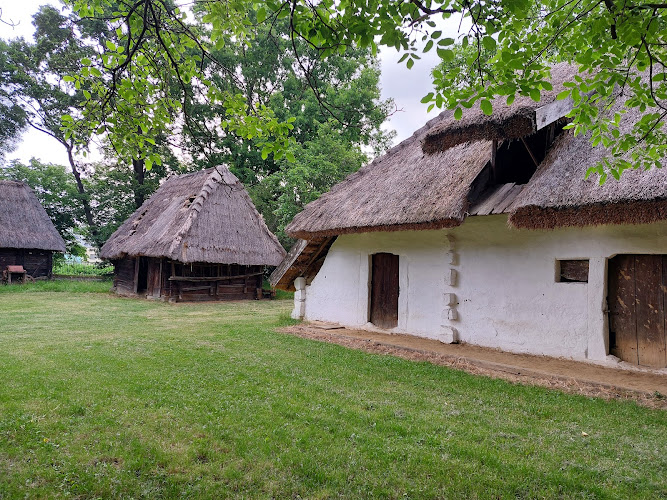
Ever heard that saying about missing the forest for the trees? Well, whenever I think about the Vasi Falumúzeum—also known as the Vas Open-Air Museum—I get reminded of that. Tucked away in Szombathely, this museum has this knack for pulling you straight out of your busy, screen-obsessed life and plopping you into the laid-back, wonderfully earthy world of 19th-century Hungarian rural life. It’s not just a place you visit; honestly, it feels more like slipping into a storybook.
I have a soft spot for museums, especially the kind that let you poke around and really experience history, like you’re a curious time traveler rather than just a bystander. The Vasi Falumúzeum is pretty much that. You walk along gravel paths past whitewashed farmhouses with real thatched roofs (these aren’t some Disney-fied replicas), windmills standing tall like extras from a moody foreign film, and barns filled with tools so practical you’ll start questioning the point of half the stuff piling up in your own garage.
This open-air museum is spacious, with houses and buildings collected from across Vas county, painstakingly reconstructed so you can wander from one rural village scene to another. Each cottage, blacksmith’s workshop, schoolhouse, and granary reveals how ordinary people lived, worked, and celebrated in Hungary centuries ago. There are looms, wooden carts, painted furniture, and old stoves—the little details that let you connect with the lives of people who, a hundred or more years ago, might have worried about an unpredictable harvest rather than a wifi outage.
Kids, by the way, will probably love it even more than adults (and that’s saying something). There is quite a bit of space to run around—without the usual hush-hush, hands-off rules you find in most museums. Bathrooms are on site, which as any parent knows, is a make-or-break detail on family outings. Plus, it’s blessedly uncrowded most days, which makes it a rare spot where you can actually breathe.
And while there’s no fancy restaurant attached, I’ve never considered that a downside. There’s something refreshing about packing a picnic—maybe some sandwiches and a Hungarian treat if you’re feeling adventurous—and eating on the grass in between exploring centuries-old farmsteads. To me, that’s all part of the charm.
Key Features
- Authentic Rural Heritage: Over 20 actual buildings relocated and rebuilt from villages across Vas county, showcasing the real deal—no fake facades.
- Walkable Historical Village: Pathways take you through farmhouses, barns, churches, mills, and a schoolhouse that tangibly bring the past to life.
- Interactive Experiences: Periodic events like traditional folk craft workshops, harvest festivals, and seasonal fairs—where you can watch (or even join) actual artisans at work.
- Kid-Friendly: Open spaces perfect for energetic children, with historical games and tools they’re often encouraged to try. Family outings feel less like “museum discipline” and more like time travel with giggles.
- Fascinating Ethnographic Displays: Traditional furniture, tools, textile displays, and everything from butter churns to intricate wedding wreaths. Warning: may cause a sudden urge to start handicrafts at home.
- Peaceful Ambiance: The only soundtrack is the wind through old trees and the hum of your own curiosity. Rarely crowded, especially on weekdays.
- Restroom Facilities: Practical, but trust me, you’ll want to know—and yes, they’re well-maintained.
- Perfect Picnic Spot: Lovely grassy areas and benches where you can relax—especially handy since there’s no restaurant. Bring your own snacks and eat surrounded by history.
- Seasonal Programs: Whenever possible, check if your visit coincides with a local festival or demonstration—it adds extra color to the experience.
Best Time to Visit
Let’s get straight to it: you can visit Vasi Falumúzeum year-round, but in my opinion (and after more than one season’s worth of visits), spring and early autumn are the real sweet spots. You won’t be sweltering under the summer sun or trudging through muddy paths in the dead of winter. Trees in blossom or the crisp, golden leaves make the open-air atmosphere especially magical.
If you’re the type who appreciates peace, try a weekday. You’ll wander nearly alone, save for the occasional staff member or enthusiastic local. Those after extra excitement should plan around festivals, especially the seasonal open days or handicraft fairs. But heads up: during those times, you might bump elbows with more folks than usual (totally worth it for the live folk music and traditional treats).
I’d skip days right after heavy rain—the paths can get a little mucky if you’re not wearing decent shoes. Also, check local school holiday dates if you’d rather avoid crowds, or maybe target those dates if you’re with kids and want them to make some new friends!
How to Get There
So, getting to the museum is a breeze whether you’re rolling in by car, hopping a train, or daring to try out Hungary’s bus system (which, contrary to the odd horror story, isn’t half bad in Szombathely).
Let’s break it down a little:
- By Car: If you’ve got a set of wheels, parking’s easy, free, and rarely full. Look for the signs leading towards the “skanzen” (Hungarian for open-air museum). GPS will get you the rest of the way. If you’re like me and always end up at the back of parking lots, this is a blessing.
- By Public Transport: The train station’s not far—maybe a brisk 15-20 minute walk or a quick city bus ride. If you’re hauling a stroller (been there), budget a little extra time. Local buses ferry you close to the museum, and the drivers are usually helpful if you ask for guidance. Just don’t expect them to understand much English (gesture wildly and smile, it works wonders).
- By Foot or Bike: Honestly, if you’re staying nearby, it’s a nice walk or even easier bike ride. You’ll spot a few locals commuting this way, so you’ll blend right in. Also, it helps you get in the “slow travel” mindset this kind of place deserves.
If you’re coming from further afield, Szombathely itself is easy enough to reach from Budapest or Vienna by train. Personally, I think the journey sets the mood. Somehow rural Hungary from a train window looks even more postcard-perfect than on postcards.
Tips for Visiting
Right—so if you want the most out of your day at Vasi Falumúzeum (and I mean the kind of memory-making, camera-filling day you’ll be raving about afterward), here’s what I always tell friends:
- Wear sturdy shoes. Paths can be gravelly, uneven, or grassy—sneakers or comfy sandals, not wobbly heels, are your friends here. Mud happens, especially after rain.
- Pack snacks and water, especially if you’re with children. No restaurant, so plan for a proper picnic or grab something from Szombathely’s utterly decent bakeries. If you luck out, there might be food stalls during festivals, but otherwise, it’s all DIY.
- Check the schedule for special events. Some of the coolest stuff—think folk music, weaving demonstrations, Easter egg painting—only happens on select days. Look for flyers or ask at your hotel.
- Bring a camera or sketchbook. The thatched roofs, carved wooden gates, and sun-dappled courtyards practically beg for photos. Artists, you absolutely must bring your gear.
- Give yourself at least two hours. Even if you think it’s “just some old houses,” time passes differently here. If you’re like me, you’ll lose yourself in details, peering into kitchen cupboards or getting sucked into a conversation about cheese-making traditions. Don’t rush.
- Respect the buildings and the tranquility. Many structures are fragile—be gentle and stay on marked paths. It’s tempting to lean on an old fence or step on the grass, but preservation here’s serious business.
- Travel light. Big backpacks are tricky inside the historic rooms, and there’s no cloakroom. Just bring what you need.
- Ask questions. Staff—even those whose English is spotty—are often delighted to share a tidbit or story, especially about local customs or folklore
Key Features
- Key Features
- Best Time to Visit
- How to Get There
- Tips for Visiting
More Details
Updated July 1, 2025
Table of Contents
Description
Ever heard that saying about missing the forest for the trees? Well, whenever I think about the Vasi Falumúzeum—also known as the Vas Open-Air Museum—I get reminded of that. Tucked away in Szombathely, this museum has this knack for pulling you straight out of your busy, screen-obsessed life and plopping you into the laid-back, wonderfully earthy world of 19th-century Hungarian rural life. It’s not just a place you visit; honestly, it feels more like slipping into a storybook.
I have a soft spot for museums, especially the kind that let you poke around and really experience history, like you’re a curious time traveler rather than just a bystander. The Vasi Falumúzeum is pretty much that. You walk along gravel paths past whitewashed farmhouses with real thatched roofs (these aren’t some Disney-fied replicas), windmills standing tall like extras from a moody foreign film, and barns filled with tools so practical you’ll start questioning the point of half the stuff piling up in your own garage.
This open-air museum is spacious, with houses and buildings collected from across Vas county, painstakingly reconstructed so you can wander from one rural village scene to another. Each cottage, blacksmith’s workshop, schoolhouse, and granary reveals how ordinary people lived, worked, and celebrated in Hungary centuries ago. There are looms, wooden carts, painted furniture, and old stoves—the little details that let you connect with the lives of people who, a hundred or more years ago, might have worried about an unpredictable harvest rather than a wifi outage.
Kids, by the way, will probably love it even more than adults (and that’s saying something). There is quite a bit of space to run around—without the usual hush-hush, hands-off rules you find in most museums. Bathrooms are on site, which as any parent knows, is a make-or-break detail on family outings. Plus, it’s blessedly uncrowded most days, which makes it a rare spot where you can actually breathe.
And while there’s no fancy restaurant attached, I’ve never considered that a downside. There’s something refreshing about packing a picnic—maybe some sandwiches and a Hungarian treat if you’re feeling adventurous—and eating on the grass in between exploring centuries-old farmsteads. To me, that’s all part of the charm.
Key Features
- Authentic Rural Heritage: Over 20 actual buildings relocated and rebuilt from villages across Vas county, showcasing the real deal—no fake facades.
- Walkable Historical Village: Pathways take you through farmhouses, barns, churches, mills, and a schoolhouse that tangibly bring the past to life.
- Interactive Experiences: Periodic events like traditional folk craft workshops, harvest festivals, and seasonal fairs—where you can watch (or even join) actual artisans at work.
- Kid-Friendly: Open spaces perfect for energetic children, with historical games and tools they’re often encouraged to try. Family outings feel less like “museum discipline” and more like time travel with giggles.
- Fascinating Ethnographic Displays: Traditional furniture, tools, textile displays, and everything from butter churns to intricate wedding wreaths. Warning: may cause a sudden urge to start handicrafts at home.
- Peaceful Ambiance: The only soundtrack is the wind through old trees and the hum of your own curiosity. Rarely crowded, especially on weekdays.
- Restroom Facilities: Practical, but trust me, you’ll want to know—and yes, they’re well-maintained.
- Perfect Picnic Spot: Lovely grassy areas and benches where you can relax—especially handy since there’s no restaurant. Bring your own snacks and eat surrounded by history.
- Seasonal Programs: Whenever possible, check if your visit coincides with a local festival or demonstration—it adds extra color to the experience.
Best Time to Visit
Let’s get straight to it: you can visit Vasi Falumúzeum year-round, but in my opinion (and after more than one season’s worth of visits), spring and early autumn are the real sweet spots. You won’t be sweltering under the summer sun or trudging through muddy paths in the dead of winter. Trees in blossom or the crisp, golden leaves make the open-air atmosphere especially magical.
If you’re the type who appreciates peace, try a weekday. You’ll wander nearly alone, save for the occasional staff member or enthusiastic local. Those after extra excitement should plan around festivals, especially the seasonal open days or handicraft fairs. But heads up: during those times, you might bump elbows with more folks than usual (totally worth it for the live folk music and traditional treats).
I’d skip days right after heavy rain—the paths can get a little mucky if you’re not wearing decent shoes. Also, check local school holiday dates if you’d rather avoid crowds, or maybe target those dates if you’re with kids and want them to make some new friends!
How to Get There
So, getting to the museum is a breeze whether you’re rolling in by car, hopping a train, or daring to try out Hungary’s bus system (which, contrary to the odd horror story, isn’t half bad in Szombathely).
Let’s break it down a little:
- By Car: If you’ve got a set of wheels, parking’s easy, free, and rarely full. Look for the signs leading towards the “skanzen” (Hungarian for open-air museum). GPS will get you the rest of the way. If you’re like me and always end up at the back of parking lots, this is a blessing.
- By Public Transport: The train station’s not far—maybe a brisk 15-20 minute walk or a quick city bus ride. If you’re hauling a stroller (been there), budget a little extra time. Local buses ferry you close to the museum, and the drivers are usually helpful if you ask for guidance. Just don’t expect them to understand much English (gesture wildly and smile, it works wonders).
- By Foot or Bike: Honestly, if you’re staying nearby, it’s a nice walk or even easier bike ride. You’ll spot a few locals commuting this way, so you’ll blend right in. Also, it helps you get in the “slow travel” mindset this kind of place deserves.
If you’re coming from further afield, Szombathely itself is easy enough to reach from Budapest or Vienna by train. Personally, I think the journey sets the mood. Somehow rural Hungary from a train window looks even more postcard-perfect than on postcards.
Tips for Visiting
Right—so if you want the most out of your day at Vasi Falumúzeum (and I mean the kind of memory-making, camera-filling day you’ll be raving about afterward), here’s what I always tell friends:
- Wear sturdy shoes. Paths can be gravelly, uneven, or grassy—sneakers or comfy sandals, not wobbly heels, are your friends here. Mud happens, especially after rain.
- Pack snacks and water, especially if you’re with children. No restaurant, so plan for a proper picnic or grab something from Szombathely’s utterly decent bakeries. If you luck out, there might be food stalls during festivals, but otherwise, it’s all DIY.
- Check the schedule for special events. Some of the coolest stuff—think folk music, weaving demonstrations, Easter egg painting—only happens on select days. Look for flyers or ask at your hotel.
- Bring a camera or sketchbook. The thatched roofs, carved wooden gates, and sun-dappled courtyards practically beg for photos. Artists, you absolutely must bring your gear.
- Give yourself at least two hours. Even if you think it’s “just some old houses,” time passes differently here. If you’re like me, you’ll lose yourself in details, peering into kitchen cupboards or getting sucked into a conversation about cheese-making traditions. Don’t rush.
- Respect the buildings and the tranquility. Many structures are fragile—be gentle and stay on marked paths. It’s tempting to lean on an old fence or step on the grass, but preservation here’s serious business.
- Travel light. Big backpacks are tricky inside the historic rooms, and there’s no cloakroom. Just bring what you need.
-
Ask questions. Staff—even those whose English is spotty—are often delighted to share a tidbit or story, especially about local customs or folklore
Key Highlights
- Key Features
- Best Time to Visit
- How to Get There
- Tips for Visiting
Location
Places to Stay Near Vasi Falumúzeum
Find and Book a Tour
Explore More Travel Guides
No reviews found! Be the first to review!
Traveler Reviews for Vasi Falumúzeum
There are no reviews yet. Be the first one to write one.
Have you visited Vasi Falumúzeum? Help other travelers by sharing your review.
You Might Also Like
Szombathely, Hungary
Kincsesláda
Csónakázó-tó sétány
Find Accommodations Nearby
Recommended Tours & Activities
Visitor Reviews
There are no reviews yet. Be the first one to write one.
Share Your Experience
Have you visited Vasi Falumúzeum? Help other travelers by leaving a review.