

Vasantrao Naik Marathwada Krishi Vidyapeeth, Parbhani
About Vasantrao Naik Marathwada Krishi Vidyapeeth, Parbhani
Description
Vasantrao Naik Marathwada Krishi Vidyapeeth, Parbhani isn’t the kind of place most travelers put on their checklist at first glance. It’s a university, after all. But spend a morning here, and it quietly changes your idea of what a travel stop can be. This agricultural university stretches across a large green campus that feels more like a small township than an academic institution. There’s space to breathe here. Literally. The air feels calmer, and the roads inside are wide enough that you don’t feel rushed even if you’re late somewhere.
The university is deeply tied to the agricultural story of the Marathwada region. Established to support dryland farming, soil research, and rural development, it has shaped how farmers think, grow, and survive in challenging climates. And yes, you’ll see students everywhere—walking with notebooks, chatting under trees, sometimes arguing passionately about crops or exams. That’s part of the charm. As a traveler, you’re stepping into a living, working ecosystem rather than a frozen monument.
I remember visiting a similar agricultural campus years ago during a road trip, mostly because I needed a break from noisy highways. I expected boredom. What I got instead was a slow, thoughtful morning watching researchers tend experimental fields and locals walking in for consultations. VN Marathwada Krishi Vidyapeeth gives off that same energy. It’s not flashy, and it doesn’t try to impress. But it sticks with you.
The campus is well-maintained in most areas, though not polished like a luxury attraction. Some buildings show their age, and a few corners feel underutilized. Still, the sheer scale and purpose of the place balance it out. It’s accessible too, with wheelchair-friendly entrances and parking areas, which honestly more public places should learn from. Travelers who enjoy educational tourism, slow travel, or even photography will find plenty to look at, especially in the early hours when the light hits the fields just right.
Key Features
- Expansive agricultural campus with experimental farms, orchards, and open fields
- Strong focus on dryland agriculture and region-specific crop research
- Morning atmosphere that feels calm, reflective, and ideal for walking
- Opportunities to observe real-time agricultural research and fieldwork
- Wheelchair accessible entrances and parking areas across key sections
- Local interactions with students, professors, and visiting farmers
- Wide internal roads suitable for cycling or slow exploration
- Academic buildings mixed with green spaces, not boxed-in or cramped
Best Time to Visit
Morning. No debate there. If you arrive early, the campus feels almost meditative. The sun is gentle, the fields are active, and the students aren’t yet swallowed by lectures. You’ll hear birds, not horns. And that alone is worth waking up early for. Late mornings are still fine, but afternoons can feel heavy, especially during hotter months when Marathwada doesn’t play nice with visitors.
Season-wise, winter months are the easiest on the body. The air is cooler, walking feels effortless, and you won’t be constantly hunting for shade. Monsoon has its own charm—lush fields, deeper greens—but also mud, humidity, and unpredictable rain. If you enjoy dramatic skies and don’t mind getting your shoes dirty, it can be oddly rewarding. Summer, though, is tough. Unless you’re used to strong heat, it’s better to plan short visits or stick strictly to early mornings.
Academic calendars matter here. During term time, the campus feels alive and informative. During vacations, it can feel quieter, even sleepy. That’s not a bad thing, but if you want interactions and movement, plan around when classes are in session. And yes, exam time makes everything tense. You can feel it in the air. Probably not the best moment for casual wandering.
How to Get There
Parbhani is reasonably well-connected within Maharashtra, and reaching the university from the city doesn’t take much effort. Local transport options are available, and most drivers know the campus well—it’s a major landmark. If you’re driving yourself, the approach roads are manageable, though you’ll want to slow down as you get closer. Pedestrians, cyclists, cows… they all have equal claim to the road here.
For travelers coming from other cities, Parbhani acts as the base. Once there, reaching the university is straightforward. Signage is decent, but honestly, asking locals works better. People are generally helpful and proud of the institution. I’ve noticed that mentioning the university often sparks small conversations—about crops, weather, politics, life. Unexpected, but welcome.
Inside the campus, distances are bigger than they look on a map. Walking is pleasant if you’ve got time and decent footwear. Otherwise, local transport or a personal vehicle helps. And don’t rush it. This isn’t a place you “do” in 30 minutes. Give it breathing room in your itinerary.
Tips for Visiting
First thing—respect that this is a working university, not a theme park. People are studying, researching, and teaching. Keep noise low, avoid wandering into restricted areas, and ask before photographing individuals or ongoing work. Most folks are open, but courtesy goes a long way.
Dress simply and comfortably. You’ll blend in better, and trust me, blending in helps. Carry water, especially if you plan to walk around. There aren’t snack stalls at every corner, so eat beforehand or pack something light. And wear shoes you don’t mind getting dusty. Agricultural campuses and spotless sneakers rarely get along.
If you’re curious, ask questions. Many students and staff enjoy explaining what they’re working on, especially if you show genuine interest. I once ended up in a half-hour conversation about soil health with a researcher at a similar university, and it completely changed how I look at food. Those moments don’t show up in guidebooks, but they’re the real takeaway.
Accessibility-wise, the campus does a decent job. Wheelchair users will find accessible entrances and parking in main areas, though some older sections may still pose challenges. It’s wise to plan ahead and stick to well-known buildings.
Finally, manage expectations. This isn’t a glossy attraction with cafes and souvenir shops. It’s real, functional, and sometimes imperfect. But if you’re the kind of traveler who enjoys learning something new, slowing down, and seeing how a region truly works, Vasantrao Naik Marathwada Krishi Vidyapeeth, Parbhani offers a quietly powerful experience. And honestly, those are the places I remember long after the selfies fade.
Key Features
- Expansive agricultural campus with experimental farms, orchards, and open fields
- Strong focus on dryland agriculture and region-specific crop research
- Morning atmosphere that feels calm, reflective, and ideal for walking
- Opportunities to observe real-time agricultural research and fieldwork
- Wheelchair accessible entrances and parking areas across key sections
- Local interactions with students, professors, and visiting farmers
- Wide internal roads suitable for cycling or slow exploration
- Academic buildings mixed with green spaces, not boxed-in or cramped
More Details
Updated December 31, 2025
Table of Contents
- Description
- Key Features
- Best Time to Visit
- How to Get There
- Tips for Visiting
- Key Highlights
- Location
- Places to Stay Near Vasantrao Naik Marathwada Krishi Vidyapeeth, Parbhani
- Find and Book a Tour
- Explore More Travel Guides
- Nearby Places You Might Like
- Traveler Reviews for Vasantrao Naik Marathwada Krishi Vidyapeeth, Parbhani
- Share Your Experience
Description
Vasantrao Naik Marathwada Krishi Vidyapeeth, Parbhani isn’t the kind of place most travelers put on their checklist at first glance. It’s a university, after all. But spend a morning here, and it quietly changes your idea of what a travel stop can be. This agricultural university stretches across a large green campus that feels more like a small township than an academic institution. There’s space to breathe here. Literally. The air feels calmer, and the roads inside are wide enough that you don’t feel rushed even if you’re late somewhere.
The university is deeply tied to the agricultural story of the Marathwada region. Established to support dryland farming, soil research, and rural development, it has shaped how farmers think, grow, and survive in challenging climates. And yes, you’ll see students everywhere—walking with notebooks, chatting under trees, sometimes arguing passionately about crops or exams. That’s part of the charm. As a traveler, you’re stepping into a living, working ecosystem rather than a frozen monument.
I remember visiting a similar agricultural campus years ago during a road trip, mostly because I needed a break from noisy highways. I expected boredom. What I got instead was a slow, thoughtful morning watching researchers tend experimental fields and locals walking in for consultations. VN Marathwada Krishi Vidyapeeth gives off that same energy. It’s not flashy, and it doesn’t try to impress. But it sticks with you.
The campus is well-maintained in most areas, though not polished like a luxury attraction. Some buildings show their age, and a few corners feel underutilized. Still, the sheer scale and purpose of the place balance it out. It’s accessible too, with wheelchair-friendly entrances and parking areas, which honestly more public places should learn from. Travelers who enjoy educational tourism, slow travel, or even photography will find plenty to look at, especially in the early hours when the light hits the fields just right.
Key Features
- Expansive agricultural campus with experimental farms, orchards, and open fields
- Strong focus on dryland agriculture and region-specific crop research
- Morning atmosphere that feels calm, reflective, and ideal for walking
- Opportunities to observe real-time agricultural research and fieldwork
- Wheelchair accessible entrances and parking areas across key sections
- Local interactions with students, professors, and visiting farmers
- Wide internal roads suitable for cycling or slow exploration
- Academic buildings mixed with green spaces, not boxed-in or cramped
Best Time to Visit
Morning. No debate there. If you arrive early, the campus feels almost meditative. The sun is gentle, the fields are active, and the students aren’t yet swallowed by lectures. You’ll hear birds, not horns. And that alone is worth waking up early for. Late mornings are still fine, but afternoons can feel heavy, especially during hotter months when Marathwada doesn’t play nice with visitors.
Season-wise, winter months are the easiest on the body. The air is cooler, walking feels effortless, and you won’t be constantly hunting for shade. Monsoon has its own charm—lush fields, deeper greens—but also mud, humidity, and unpredictable rain. If you enjoy dramatic skies and don’t mind getting your shoes dirty, it can be oddly rewarding. Summer, though, is tough. Unless you’re used to strong heat, it’s better to plan short visits or stick strictly to early mornings.
Academic calendars matter here. During term time, the campus feels alive and informative. During vacations, it can feel quieter, even sleepy. That’s not a bad thing, but if you want interactions and movement, plan around when classes are in session. And yes, exam time makes everything tense. You can feel it in the air. Probably not the best moment for casual wandering.
How to Get There
Parbhani is reasonably well-connected within Maharashtra, and reaching the university from the city doesn’t take much effort. Local transport options are available, and most drivers know the campus well—it’s a major landmark. If you’re driving yourself, the approach roads are manageable, though you’ll want to slow down as you get closer. Pedestrians, cyclists, cows… they all have equal claim to the road here.
For travelers coming from other cities, Parbhani acts as the base. Once there, reaching the university is straightforward. Signage is decent, but honestly, asking locals works better. People are generally helpful and proud of the institution. I’ve noticed that mentioning the university often sparks small conversations—about crops, weather, politics, life. Unexpected, but welcome.
Inside the campus, distances are bigger than they look on a map. Walking is pleasant if you’ve got time and decent footwear. Otherwise, local transport or a personal vehicle helps. And don’t rush it. This isn’t a place you “do” in 30 minutes. Give it breathing room in your itinerary.
Tips for Visiting
First thing—respect that this is a working university, not a theme park. People are studying, researching, and teaching. Keep noise low, avoid wandering into restricted areas, and ask before photographing individuals or ongoing work. Most folks are open, but courtesy goes a long way.
Dress simply and comfortably. You’ll blend in better, and trust me, blending in helps. Carry water, especially if you plan to walk around. There aren’t snack stalls at every corner, so eat beforehand or pack something light. And wear shoes you don’t mind getting dusty. Agricultural campuses and spotless sneakers rarely get along.
If you’re curious, ask questions. Many students and staff enjoy explaining what they’re working on, especially if you show genuine interest. I once ended up in a half-hour conversation about soil health with a researcher at a similar university, and it completely changed how I look at food. Those moments don’t show up in guidebooks, but they’re the real takeaway.
Accessibility-wise, the campus does a decent job. Wheelchair users will find accessible entrances and parking in main areas, though some older sections may still pose challenges. It’s wise to plan ahead and stick to well-known buildings.
Finally, manage expectations. This isn’t a glossy attraction with cafes and souvenir shops. It’s real, functional, and sometimes imperfect. But if you’re the kind of traveler who enjoys learning something new, slowing down, and seeing how a region truly works, Vasantrao Naik Marathwada Krishi Vidyapeeth, Parbhani offers a quietly powerful experience. And honestly, those are the places I remember long after the selfies fade.
Key Highlights
- Expansive agricultural campus with experimental farms, orchards, and open fields
- Strong focus on dryland agriculture and region-specific crop research
- Morning atmosphere that feels calm, reflective, and ideal for walking
- Opportunities to observe real-time agricultural research and fieldwork
- Wheelchair accessible entrances and parking areas across key sections
- Local interactions with students, professors, and visiting farmers
- Wide internal roads suitable for cycling or slow exploration
- Academic buildings mixed with green spaces, not boxed-in or cramped
Location
Places to Stay Near Vasantrao Naik Marathwada Krishi Vidyapeeth, Parbhani
Find and Book a Tour
Explore More Travel Guides
No reviews found! Be the first to review!
Traveler Reviews for Vasantrao Naik Marathwada Krishi Vidyapeeth, Parbhani
There are no reviews yet. Be the first one to write one.
Have you visited Vasantrao Naik Marathwada Krishi Vidyapeeth, Parbhani? Help other travelers by sharing your review.
You Might Also Like

Dargah Hazrat Sayed Shah Turaabul Haq (R.A)

goat farm
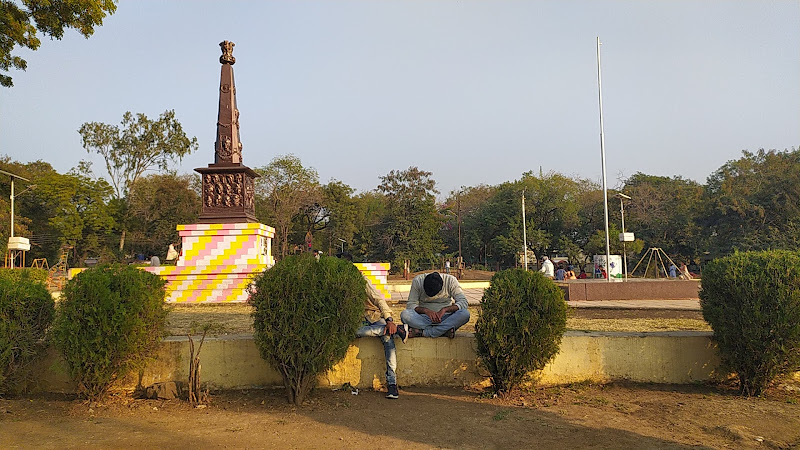
Rajgopalachari Garden, Parbhani
Find Accommodations Nearby
Recommended Tours & Activities
Visitor Reviews
There are no reviews yet. Be the first one to write one.
Share Your Experience
Have you visited Vasantrao Naik Marathwada Krishi Vidyapeeth, Parbhani? Help other travelers by leaving a review.