
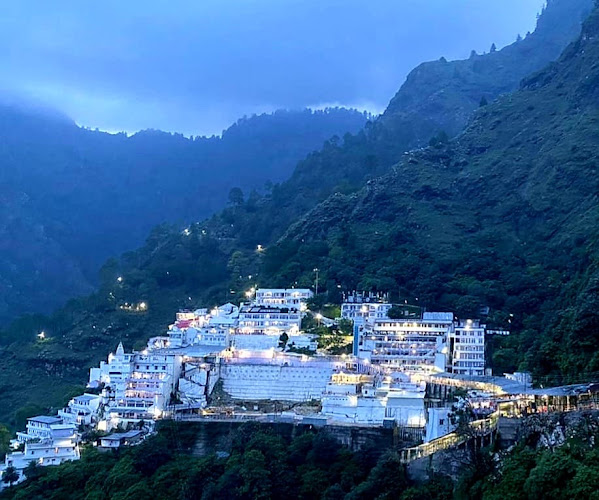
Vaishno Devi
About Vaishno Devi
Description
Perched in the Trikuta Mountains of Jammu and Kashmir at an elevation of approximately 5,200 feet, Vaishno Devi represents one of India's most revered pilgrimage destinations. This sacred cave shrine draws millions of devotees annually—and I mean millions, with estimates suggesting somewhere around 8 to 10 million visitors each year making the challenging trek upward. The shrine houses the pindies, natural rock formations believed to be manifestations of the Hindu Mother Goddess in her three forms. What makes this place extraordinary isn't just its religious significance but the journey itself. You're not simply visiting a temple; you're undertaking a spiritual quest that tests your physical endurance and mental resolve. The 13-kilometer trek from Katra, the base camp, to the holy cave becomes a transformative experience for many. And honestly, there's something profoundly moving about walking alongside thousands of other pilgrims, all chanting "Jai Mata Di" as they ascend the mountain paths. The cave itself measures approximately 98 feet in length and 30 feet in height. Inside, devotees worship three natural rock formations representing Maha Kali, Maha Lakshmi, and Maha Saraswati—the three cosmic energies that govern creation, preservation, and destruction. But what really strikes visitors is the palpable sense of devotion that fills every corner of this sacred space. People from all walks of life, regardless of age or physical ability, make this journey with unwavering faith. The shrine has witnessed remarkable infrastructure development over the years, making it surprisingly accessible for a mountain pilgrimage site. Yet it hasn't lost that raw, powerful energy that has drawn seekers for centuries. The Shri Mata Vaishno Devi Shrine Board manages the entire complex with impressive efficiency, though peak seasons can still present challenges that test even the most patient traveler.Key Features
The Vaishno Devi pilgrimage offers numerous distinctive elements that set it apart from other religious destinations:- The Holy Cave - The main shrine features three naturally formed pindies representing the triple form of the Goddess, positioned in a narrow passage where pilgrims must crouch to offer prayers
- Bhawan Complex - A modern facility near the cave entrance providing amenities, accommodations, and rest areas for weary pilgrims
- Ardhkuwari Cave - Located midway along the trek, this cave is where the Goddess allegedly meditated for nine months and is considered an important stop by many devotees
- Helicopter Services - For those unable to complete the full trek, helicopter rides operate from Katra to Sanjichhat, cutting the walking distance significantly
- Battery Car Services - Electric vehicles transport pilgrims along permitted stretches of the route, particularly helpful for elderly or physically challenged visitors
- Pony and Palanquin Options - Traditional modes of transport remain available throughout most of the trekking path
- Bhairon Temple - Situated about 2.5 kilometers beyond the main shrine, many pilgrims believe their darshan remains incomplete without visiting this temple
- Free Accommodation Facilities - The Shrine Board operates numerous guest houses and dormitories at subsidized or no cost for pilgrims
- Well-Maintained Pathways - The entire route features concrete paths, railings, lighting, and regular rest stops with basic facilities
- Advanced Booking Systems - Online registration and accommodation booking help manage the massive influx of visitors efficiently
Best Time to Visit
Here's where things get interesting because there's no perfect answer that suits everyone. March through October generally offers the most favorable weather conditions, with temperatures ranging between 15 to 30 degrees Celsius. During these months, the paths remain clear of snow and the weather cooperates reasonably well with your pilgrimage plans. But—and this is important—peak seasons bring absolutely massive crowds. The Navratri periods in March-April and September-October see pilgrim numbers swell to overwhelming levels. I've heard firsthand accounts from travelers who spent 6-8 hours in queues just waiting for their turn at the sanctum sanctorum. If you thrive in that collective energy and don't mind the crowds, these periods offer an unmatched spiritual atmosphere with continuous chanting and celebrations. Summer months from May to August present moderate weather, though monsoons can arrive by late July, making the trek slippery and somewhat challenging. The mountain mist during this period creates an almost mystical ambiance, though safety should remain your priority on wet pathways. Winter visits from November through February require serious preparation. Temperatures plummet below freezing, and heavy snowfall can make the journey quite demanding. Yet some pilgrims specifically choose this time for the raw, unfiltered experience and significantly smaller crowds. You'll need proper winter gear, but the snow-covered mountains present a breathtaking backdrop for your spiritual journey. Weekdays throughout the year generally see fewer visitors compared to weekends. If your schedule allows flexibility, planning a mid-week visit can dramatically improve your experience regardless of the season you choose.How to Get There
Getting to Vaishno Devi requires reaching Katra first, the base town that serves as the starting point for all pilgrims. The good news? Katra is well-connected to major cities across India through multiple transportation modes. By air, the nearest airport is Jammu Airport, located approximately 50 kilometers from Katra. Regular flights connect Jammu to Delhi, Mumbai, Bangalore, and other major cities. From the airport, you'll find plenty of taxis and shuttle services that'll take you directly to Katra in about 90 minutes, depending on traffic conditions. Train travel offers another excellent option. Shri Mata Vaishno Devi Katra Railway Station has direct train connections from Delhi, Mumbai, Kolkata, and numerous other cities. The station sits right at Katra's edge, making it incredibly convenient—you can literally walk to your hotel or directly to the pilgrimage starting point from there. Road connectivity to Katra is excellent. If you're driving from Jammu, the 48-kilometer journey takes roughly an hour and a half on well-maintained highways. Regular bus services operate from Jammu and other nearby towns, with both government and private operators offering comfortable options at various price points. Once you reach Katra, the actual pilgrimage begins. The traditional route starts from the Banganga checkpoint, where you'll need to register (free of charge). From there, it's a 13-kilometer uphill trek to the Bhawan. The path is clearly marked and impossible to lose—just follow the steady stream of fellow pilgrims. For those seeking alternatives to walking the entire distance, helicopters operate from Katra to Sanjichhat (weather permitting), reducing the trek to just 2.5 kilometers. Battery-operated vehicles run along certain stretches, and ponies with handlers are available for hire at designated points. Palanquins carried by four bearers offer another option, though this is considerably more expensive.Tips for Visiting
Registration is mandatory, so definitely complete your online registration before arriving—it saves tremendous time and helps authorities manage crowd flow better. You'll receive a yatra slip that you must carry throughout your journey. Pack light but smart. You're going to be walking or riding uphill, so every extra kilogram matters. Comfortable walking shoes with good grip are non-negotiable. The paths can be slippery, especially after rain. I can't stress this enough—wearing brand new shoes or inappropriate footwear has ruined countless pilgrimages. Dress in layers. Mountain weather changes rapidly, and what feels warm at the base can turn chilly as you ascend. Modest clothing is expected and appreciated at a religious site. Many pilgrims wear traditional attire, though comfortable casual clothing works perfectly fine. Start your trek early in the morning, ideally between 4 AM and 6 AM. This strategy helps you avoid the worst crowds and the afternoon heat if you're visiting during warmer months. Plus, there's something magical about watching dawn break over the mountains as you climb. Carry minimal cash since ATMs and card facilities aren't reliable along the route. There are shops and refreshment stalls throughout the path, but they primarily deal in cash. Keep small denominations handy for offerings, prasad, and any services you might need. Stay hydrated but don't overdo it. Clean drinking water is available at multiple points along the trek, often provided free by charitable organizations. Carry a refillable bottle rather than buying disposable plastic ones—the environmental impact of millions of pilgrims is already significant. Don't skip meals before starting, but avoid heavy food that might make you sluggish. Light, energizing foods work best. Bananas, energy bars, and dry fruits are excellent options to carry along. Respect the local handlers if you're hiring ponies or palanquins. Negotiate prices beforehand to avoid conflicts later. The rates are generally regulated, but confirming everything upfront prevents misunderstandings. Be patient with queues and crowds. This is perhaps the most challenging aspect for many visitors. The waiting can test your patience, but remember—everyone there shares the same spiritual purpose. Getting frustrated only diminishes your own experience. Photography is restricted in certain areas, particularly near the holy cave. Respect these restrictions. Some moments are meant to be experienced rather than captured. Consider visiting Bhairon Temple after the main shrine if time and energy permit. Many devotees believe this completes the pilgrimage. It's an additional 2.5-kilometer trek, mostly uphill, but the views are spectacular and the temple holds its own significance. Weather in mountains is unpredictable, so check forecasts before starting your journey. During winter, confirm that routes are open and safe. The Shrine Board suspends services during extreme weather for everyone's safety. Keep your belongings secure but don't bring valuables unnecessarily. Cloakroom facilities exist, but why risk losing something important when you can simply leave it at your accommodation in Katra? If you have any medical conditions, consult your doctor before attempting the trek. The altitude and physical exertion can challenge even relatively fit individuals. Carry any necessary medications and inform your travel companions about your health status.Key Features
- Cave shrine (Bhawan) housing the holy rock idols of Vaishno Devi
- Scenic 12–13 km trek and well-marked pathways from Katra
- Pilgrimage landmarks: Banganga spring, Charan Paduka and Adhkuwari
- Support infrastructure: restrooms, dharamshalas, medical aid and pony/palki services
- Mass participation and vibrant ritual atmosphere with a continuous queue system
More Details
Updated March 30, 2026
Table of Contents
Description
Perched in the Trikuta Mountains of Jammu and Kashmir at an elevation of approximately 5,200 feet, Vaishno Devi represents one of India’s most revered pilgrimage destinations. This sacred cave shrine draws millions of devotees annually—and I mean millions, with estimates suggesting somewhere around 8 to 10 million visitors each year making the challenging trek upward. The shrine houses the pindies, natural rock formations believed to be manifestations of the Hindu Mother Goddess in her three forms.
What makes this place extraordinary isn’t just its religious significance but the journey itself. You’re not simply visiting a temple; you’re undertaking a spiritual quest that tests your physical endurance and mental resolve. The 13-kilometer trek from Katra, the base camp, to the holy cave becomes a transformative experience for many. And honestly, there’s something profoundly moving about walking alongside thousands of other pilgrims, all chanting “Jai Mata Di” as they ascend the mountain paths.
The cave itself measures approximately 98 feet in length and 30 feet in height. Inside, devotees worship three natural rock formations representing Maha Kali, Maha Lakshmi, and Maha Saraswati—the three cosmic energies that govern creation, preservation, and destruction. But what really strikes visitors is the palpable sense of devotion that fills every corner of this sacred space. People from all walks of life, regardless of age or physical ability, make this journey with unwavering faith.
The shrine has witnessed remarkable infrastructure development over the years, making it surprisingly accessible for a mountain pilgrimage site. Yet it hasn’t lost that raw, powerful energy that has drawn seekers for centuries. The Shri Mata Vaishno Devi Shrine Board manages the entire complex with impressive efficiency, though peak seasons can still present challenges that test even the most patient traveler.
Key Features
The Vaishno Devi pilgrimage offers numerous distinctive elements that set it apart from other religious destinations:
- The Holy Cave – The main shrine features three naturally formed pindies representing the triple form of the Goddess, positioned in a narrow passage where pilgrims must crouch to offer prayers
- Bhawan Complex – A modern facility near the cave entrance providing amenities, accommodations, and rest areas for weary pilgrims
- Ardhkuwari Cave – Located midway along the trek, this cave is where the Goddess allegedly meditated for nine months and is considered an important stop by many devotees
- Helicopter Services – For those unable to complete the full trek, helicopter rides operate from Katra to Sanjichhat, cutting the walking distance significantly
- Battery Car Services – Electric vehicles transport pilgrims along permitted stretches of the route, particularly helpful for elderly or physically challenged visitors
- Pony and Palanquin Options – Traditional modes of transport remain available throughout most of the trekking path
- Bhairon Temple – Situated about 2.5 kilometers beyond the main shrine, many pilgrims believe their darshan remains incomplete without visiting this temple
- Free Accommodation Facilities – The Shrine Board operates numerous guest houses and dormitories at subsidized or no cost for pilgrims
- Well-Maintained Pathways – The entire route features concrete paths, railings, lighting, and regular rest stops with basic facilities
- Advanced Booking Systems – Online registration and accommodation booking help manage the massive influx of visitors efficiently
Best Time to Visit
Here’s where things get interesting because there’s no perfect answer that suits everyone. March through October generally offers the most favorable weather conditions, with temperatures ranging between 15 to 30 degrees Celsius. During these months, the paths remain clear of snow and the weather cooperates reasonably well with your pilgrimage plans.
But—and this is important—peak seasons bring absolutely massive crowds. The Navratri periods in March-April and September-October see pilgrim numbers swell to overwhelming levels. I’ve heard firsthand accounts from travelers who spent 6-8 hours in queues just waiting for their turn at the sanctum sanctorum. If you thrive in that collective energy and don’t mind the crowds, these periods offer an unmatched spiritual atmosphere with continuous chanting and celebrations.
Summer months from May to August present moderate weather, though monsoons can arrive by late July, making the trek slippery and somewhat challenging. The mountain mist during this period creates an almost mystical ambiance, though safety should remain your priority on wet pathways.
Winter visits from November through February require serious preparation. Temperatures plummet below freezing, and heavy snowfall can make the journey quite demanding. Yet some pilgrims specifically choose this time for the raw, unfiltered experience and significantly smaller crowds. You’ll need proper winter gear, but the snow-covered mountains present a breathtaking backdrop for your spiritual journey.
Weekdays throughout the year generally see fewer visitors compared to weekends. If your schedule allows flexibility, planning a mid-week visit can dramatically improve your experience regardless of the season you choose.
How to Get There
Getting to Vaishno Devi requires reaching Katra first, the base town that serves as the starting point for all pilgrims. The good news? Katra is well-connected to major cities across India through multiple transportation modes.
By air, the nearest airport is Jammu Airport, located approximately 50 kilometers from Katra. Regular flights connect Jammu to Delhi, Mumbai, Bangalore, and other major cities. From the airport, you’ll find plenty of taxis and shuttle services that’ll take you directly to Katra in about 90 minutes, depending on traffic conditions.
Train travel offers another excellent option. Shri Mata Vaishno Devi Katra Railway Station has direct train connections from Delhi, Mumbai, Kolkata, and numerous other cities. The station sits right at Katra’s edge, making it incredibly convenient—you can literally walk to your hotel or directly to the pilgrimage starting point from there.
Road connectivity to Katra is excellent. If you’re driving from Jammu, the 48-kilometer journey takes roughly an hour and a half on well-maintained highways. Regular bus services operate from Jammu and other nearby towns, with both government and private operators offering comfortable options at various price points.
Once you reach Katra, the actual pilgrimage begins. The traditional route starts from the Banganga checkpoint, where you’ll need to register (free of charge). From there, it’s a 13-kilometer uphill trek to the Bhawan. The path is clearly marked and impossible to lose—just follow the steady stream of fellow pilgrims.
For those seeking alternatives to walking the entire distance, helicopters operate from Katra to Sanjichhat (weather permitting), reducing the trek to just 2.5 kilometers. Battery-operated vehicles run along certain stretches, and ponies with handlers are available for hire at designated points. Palanquins carried by four bearers offer another option, though this is considerably more expensive.
Tips for Visiting
Registration is mandatory, so definitely complete your online registration before arriving—it saves tremendous time and helps authorities manage crowd flow better. You’ll receive a yatra slip that you must carry throughout your journey.
Pack light but smart. You’re going to be walking or riding uphill, so every extra kilogram matters. Comfortable walking shoes with good grip are non-negotiable. The paths can be slippery, especially after rain. I can’t stress this enough—wearing brand new shoes or inappropriate footwear has ruined countless pilgrimages.
Dress in layers. Mountain weather changes rapidly, and what feels warm at the base can turn chilly as you ascend. Modest clothing is expected and appreciated at a religious site. Many pilgrims wear traditional attire, though comfortable casual clothing works perfectly fine.
Start your trek early in the morning, ideally between 4 AM and 6 AM. This strategy helps you avoid the worst crowds and the afternoon heat if you’re visiting during warmer months. Plus, there’s something magical about watching dawn break over the mountains as you climb.
Carry minimal cash since ATMs and card facilities aren’t reliable along the route. There are shops and refreshment stalls throughout the path, but they primarily deal in cash. Keep small denominations handy for offerings, prasad, and any services you might need.
Stay hydrated but don’t overdo it. Clean drinking water is available at multiple points along the trek, often provided free by charitable organizations. Carry a refillable bottle rather than buying disposable plastic ones—the environmental impact of millions of pilgrims is already significant.
Don’t skip meals before starting, but avoid heavy food that might make you sluggish. Light, energizing foods work best. Bananas, energy bars, and dry fruits are excellent options to carry along.
Respect the local handlers if you’re hiring ponies or palanquins. Negotiate prices beforehand to avoid conflicts later. The rates are generally regulated, but confirming everything upfront prevents misunderstandings.
Be patient with queues and crowds. This is perhaps the most challenging aspect for many visitors. The waiting can test your patience, but remember—everyone there shares the same spiritual purpose. Getting frustrated only diminishes your own experience.
Photography is restricted in certain areas, particularly near the holy cave. Respect these restrictions. Some moments are meant to be experienced rather than captured.
Consider visiting Bhairon Temple after the main shrine if time and energy permit. Many devotees believe this completes the pilgrimage. It’s an additional 2.5-kilometer trek, mostly uphill, but the views are spectacular and the temple holds its own significance.
Weather in mountains is unpredictable, so check forecasts before starting your journey. During winter, confirm that routes are open and safe. The Shrine Board suspends services during extreme weather for everyone’s safety.
Keep your belongings secure but don’t bring valuables unnecessarily. Cloakroom facilities exist, but why risk losing something important when you can simply leave it at your accommodation in Katra?
If you have any medical conditions, consult your doctor before attempting the trek. The altitude and physical exertion can challenge even relatively fit individuals. Carry any necessary medications and inform your travel companions about your health status.
Key Highlights
- Cave shrine (Bhawan) housing the holy rock idols of Vaishno Devi
- Scenic 12–13 km trek and well-marked pathways from Katra
- Pilgrimage landmarks: Banganga spring, Charan Paduka and Adhkuwari
- Support infrastructure: restrooms, dharamshalas, medical aid and pony/palki services
- Mass participation and vibrant ritual atmosphere with a continuous queue system
Location
Places to Stay Near Vaishno Devi
Find and Book a Tour
Explore More Travel Guides
No reviews found! Be the first to review!
Vaishno Devi is a prominent attractions located in Katra.
Visit us at: Bhavan, Katra, Jammu and Kashmir 182301.
Traveler Reviews for Vaishno Devi
There are no reviews yet. Be the first one to write one.
Have you visited Vaishno Devi? Help other travelers by sharing your review.
Nearby Attractions
Find Accommodations Nearby
Recommended Tours & Activities
Visitor Reviews
There are no reviews yet. Be the first one to write one.
Share Your Experience
Have you visited Vaishno Devi? Help other travelers by leaving a review.