
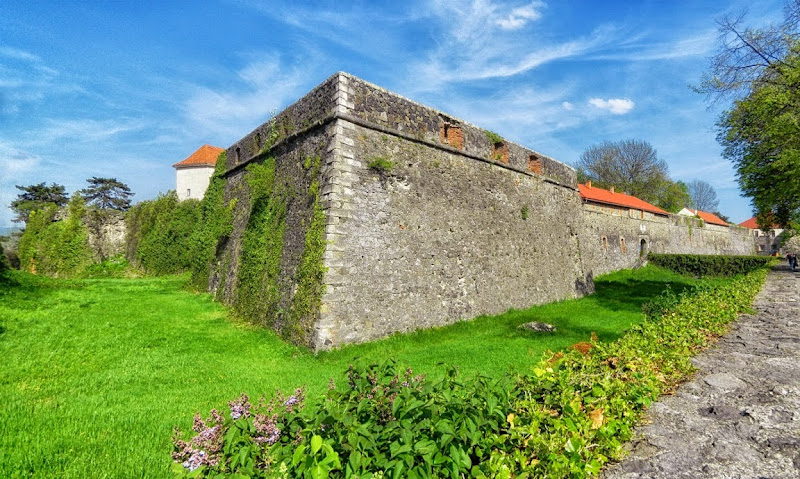
Uzhhorod Сastle, Transcarpathian Museum of Regional History named after Tyvodar Lehotsky
About Uzhhorod Сastle, Transcarpathian Museum of Regional History named after Tyvodar Lehotsky
Description
Uzhhorod Castle, home to the Transcarpathian Museum of Regional History named after Tyvodar Lehotsky, is one of those places that quietly sneaks up on you. At first glance, it’s a fortress—thick stone walls, a commanding position on a hill, and that unmistakable medieval aura. But as you step inside, you realize it’s more than just an old stronghold. It’s a living archive of Transcarpathia’s story, layered with centuries of battles, traditions, and everyday life. The castle itself dates back to the 15th century, built to withstand the Ottoman threat, yet it still stands strong today, now sheltering history instead of soldiers.
The museum inside is surprisingly vast. You’ll find folk costumes that look like they’ve been plucked straight from village celebrations, centuries-old firearms that tell of borderland skirmishes, and musical instruments like the long wooden trembita—basically the Carpathian version of a didgeridoo. There are also antique clocks, religious art, and even displays that dive into the region’s spiritual culture. Some exhibits feel a bit old-school in their presentation, but honestly, that’s part of the charm. It’s not polished to perfection, and that makes it feel authentic, like you’re peeking behind the curtain of history rather than walking through a staged set.
Of course, not everything is flawless. Some visitors find certain sections underwhelming or in need of better signage. And, yes, you might stumble upon a few dimly lit corners that feel more mysterious than informative. But the sheer breadth of the collection, set against the backdrop of fortress walls and courtyards, more than makes up for it. If you’re the type who enjoys wandering slowly, letting your imagination fill in the gaps, this place will stick with you long after you’ve left.
Key Features
- 15th-century fortress architecture with massive stone walls and bastions
- Transcarpathian Museum of Regional History with exhibits on folk art, ethnography, and local traditions
- Unique musical instruments, including the trembita
- Collections of antique clocks, weapons, and religious artifacts
- Wheelchair-accessible entrances and seating areas
- Discounted tickets for children and family-friendly exhibits
- Expansive castle grounds perfect for walking and exploring
Best Time to Visit
Spring and early summer are probably the sweet spot for visiting. The castle hill bursts into green, and wandering the grounds feels like stepping into a storybook. Autumn is another favorite—the crisp air and golden leaves make the fortress walls look even more dramatic. Winter has its own charm too, though you’ll want to bundle up; snow on the battlements can be magical, but the chill creeps in quickly. Personally, I’d say avoid the height of summer afternoons unless you love baking in the sun—stone walls hold heat, and shade can be scarce.
How to Get There
Uzhhorod Castle is right in the heart of Uzhhorod, so you don’t need to trek into the wilderness to find it. If you’re already in the city center, it’s a short walk uphill. For those arriving by train or bus, you can hop on a local taxi or even stroll if you don’t mind a bit of exercise. Roads are straightforward, and navigation apps will get you there without a fuss. Parking can be a little tricky on busy days, so if you’re driving, plan to arrive early to snag a spot nearby.
Tips for Visiting
First off, give yourself enough time. The museum isn’t something you can rush through in twenty minutes—there’s a lot to see, and the castle grounds themselves deserve a slow wander. Wear comfortable shoes; cobblestones and uneven paths are part of the deal. If you’re traveling with kids, they’ll enjoy the open spaces and some of the quirkier exhibits, and the fact that there are discounts for them is a bonus. Accessibility is pretty good compared to many castles of this age, but some areas may still be tricky for wheelchairs or strollers.
Photography is allowed in most areas, and the views from the castle walls are worth a few shots. Bring a bottle of water, especially in summer, because amenities inside are limited. And here’s a personal tip: linger in the courtyard for a while. It’s easy to rush from exhibit to exhibit, but sitting on a bench and just soaking in the atmosphere gives you a sense of the centuries that have passed through those gates. If you’re lucky, you might even catch a local festival or performance taking place on the grounds, which adds an extra layer of magic to the visit.
In the end, Uzhhorod Castle and the Transcarpathian Museum of Regional History aren’t just about looking at old objects behind glass. They’re about connecting with a region that has seen empires rise and fall, cultures blend, and traditions endure. It’s a place where history feels tangible, and if you let yourself slow down and pay attention, it can be one of the most rewarding stops on your journey through western Ukraine.
Key Features
- 15th-century fortress architecture with massive stone walls and bastions
- Transcarpathian Museum of Regional History with exhibits on folk art, ethnography, and local traditions
- Unique musical instruments, including the trembita
- Collections of antique clocks, weapons, and religious artifacts
- Wheelchair-accessible entrances and seating areas
- Discounted tickets for children and family-friendly exhibits
- Expansive castle grounds perfect for walking and exploring
More Details
Updated September 10, 2025
Table of Contents
- Description
- Key Features
- Best Time to Visit
- How to Get There
- Tips for Visiting
- Key Highlights
- Location
- Places to Stay Near Uzhhorod Сastle, Transcarpathian Museum of Regional History named after Tyvodar Lehotsky
- Find and Book a Tour
- Explore More Travel Guides
- Nearby Places You Might Like
- Traveler Reviews for Uzhhorod Сastle, Transcarpathian Museum of Regional History named after Tyvodar Lehotsky
- Share Your Experience
Description
Uzhhorod Castle, home to the Transcarpathian Museum of Regional History named after Tyvodar Lehotsky, is one of those places that quietly sneaks up on you. At first glance, it’s a fortress—thick stone walls, a commanding position on a hill, and that unmistakable medieval aura. But as you step inside, you realize it’s more than just an old stronghold. It’s a living archive of Transcarpathia’s story, layered with centuries of battles, traditions, and everyday life. The castle itself dates back to the 15th century, built to withstand the Ottoman threat, yet it still stands strong today, now sheltering history instead of soldiers.
The museum inside is surprisingly vast. You’ll find folk costumes that look like they’ve been plucked straight from village celebrations, centuries-old firearms that tell of borderland skirmishes, and musical instruments like the long wooden trembita—basically the Carpathian version of a didgeridoo. There are also antique clocks, religious art, and even displays that dive into the region’s spiritual culture. Some exhibits feel a bit old-school in their presentation, but honestly, that’s part of the charm. It’s not polished to perfection, and that makes it feel authentic, like you’re peeking behind the curtain of history rather than walking through a staged set.
Of course, not everything is flawless. Some visitors find certain sections underwhelming or in need of better signage. And, yes, you might stumble upon a few dimly lit corners that feel more mysterious than informative. But the sheer breadth of the collection, set against the backdrop of fortress walls and courtyards, more than makes up for it. If you’re the type who enjoys wandering slowly, letting your imagination fill in the gaps, this place will stick with you long after you’ve left.
Key Features
- 15th-century fortress architecture with massive stone walls and bastions
- Transcarpathian Museum of Regional History with exhibits on folk art, ethnography, and local traditions
- Unique musical instruments, including the trembita
- Collections of antique clocks, weapons, and religious artifacts
- Wheelchair-accessible entrances and seating areas
- Discounted tickets for children and family-friendly exhibits
- Expansive castle grounds perfect for walking and exploring
Best Time to Visit
Spring and early summer are probably the sweet spot for visiting. The castle hill bursts into green, and wandering the grounds feels like stepping into a storybook. Autumn is another favorite—the crisp air and golden leaves make the fortress walls look even more dramatic. Winter has its own charm too, though you’ll want to bundle up; snow on the battlements can be magical, but the chill creeps in quickly. Personally, I’d say avoid the height of summer afternoons unless you love baking in the sun—stone walls hold heat, and shade can be scarce.
How to Get There
Uzhhorod Castle is right in the heart of Uzhhorod, so you don’t need to trek into the wilderness to find it. If you’re already in the city center, it’s a short walk uphill. For those arriving by train or bus, you can hop on a local taxi or even stroll if you don’t mind a bit of exercise. Roads are straightforward, and navigation apps will get you there without a fuss. Parking can be a little tricky on busy days, so if you’re driving, plan to arrive early to snag a spot nearby.
Tips for Visiting
First off, give yourself enough time. The museum isn’t something you can rush through in twenty minutes—there’s a lot to see, and the castle grounds themselves deserve a slow wander. Wear comfortable shoes; cobblestones and uneven paths are part of the deal. If you’re traveling with kids, they’ll enjoy the open spaces and some of the quirkier exhibits, and the fact that there are discounts for them is a bonus. Accessibility is pretty good compared to many castles of this age, but some areas may still be tricky for wheelchairs or strollers.
Photography is allowed in most areas, and the views from the castle walls are worth a few shots. Bring a bottle of water, especially in summer, because amenities inside are limited. And here’s a personal tip: linger in the courtyard for a while. It’s easy to rush from exhibit to exhibit, but sitting on a bench and just soaking in the atmosphere gives you a sense of the centuries that have passed through those gates. If you’re lucky, you might even catch a local festival or performance taking place on the grounds, which adds an extra layer of magic to the visit.
In the end, Uzhhorod Castle and the Transcarpathian Museum of Regional History aren’t just about looking at old objects behind glass. They’re about connecting with a region that has seen empires rise and fall, cultures blend, and traditions endure. It’s a place where history feels tangible, and if you let yourself slow down and pay attention, it can be one of the most rewarding stops on your journey through western Ukraine.
Key Highlights
- 15th-century fortress architecture with massive stone walls and bastions
- Transcarpathian Museum of Regional History with exhibits on folk art, ethnography, and local traditions
- Unique musical instruments, including the trembita
- Collections of antique clocks, weapons, and religious artifacts
- Wheelchair-accessible entrances and seating areas
- Discounted tickets for children and family-friendly exhibits
- Expansive castle grounds perfect for walking and exploring
Location
Places to Stay Near Uzhhorod Сastle, Transcarpathian Museum of Regional History named after Tyvodar Lehotsky
Find and Book a Tour
Explore More Travel Guides
No reviews found! Be the first to review!
Traveler Reviews for Uzhhorod Сastle, Transcarpathian Museum of Regional History named after Tyvodar Lehotsky
There are no reviews yet. Be the first one to write one.
Have you visited Uzhhorod Сastle, Transcarpathian Museum of Regional History named after Tyvodar Lehotsky? Help other travelers by sharing your review.
You Might Also Like

Tubing park Ужгород
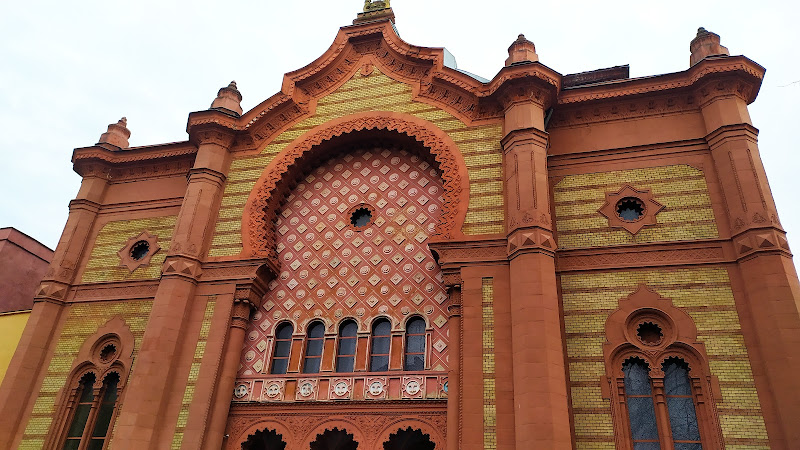
Feczik Park
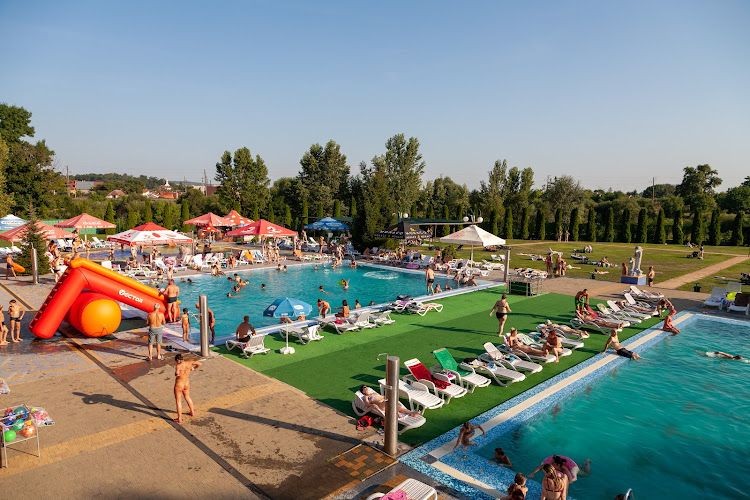
Aqua Rio Park
Find Accommodations Nearby
Recommended Tours & Activities
Visitor Reviews
There are no reviews yet. Be the first one to write one.
Share Your Experience
Have you visited Uzhhorod Сastle, Transcarpathian Museum of Regional History named after Tyvodar Lehotsky? Help other travelers by leaving a review.