
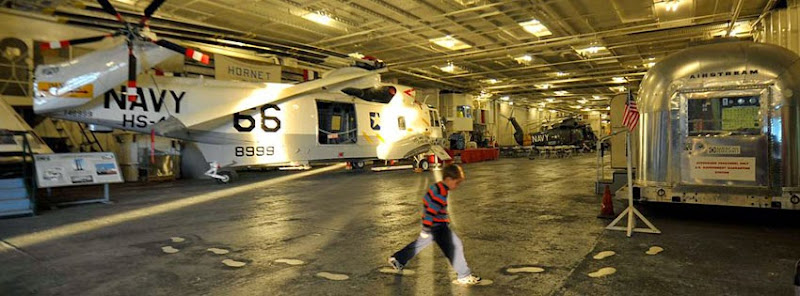
USS Hornet – Sea, Air and Space Museum
About USS Hornet – Sea, Air and Space Museum
Description
Imagine standing on the deck of a genuine aircraft carrier that’s tangled up in both naval history and the story of how astronauts made it home from the moon. The USS Hornet – Sea, Air and Space Museum in Alameda, California is a place where, honestly, I felt completely dwarfed by human ingenuity — and a little gobsmacked by how much you can stuff into floating steel. After serving during World War II, and later as the recovery ship for Apollo 11 and 12 missions, this ship became a living, breathing museum, offering an authentic slice of United States history right on the edge of the San Francisco Bay.
The Hornet isn’t just resting on its laurels. It's bursting with fascination for all ages: airplane buffs, history fans, lovers of all things space, and anyone who's ever wondered what it’s like aboard an aircraft carrier. The museum zings with hands-on exhibits, military aircraft on the flight deck, detailed information panels, and guided tours led by docents who, frankly, have the best sea stories I’ve heard (and yes, some of them survived real navy chow).
To be real, there’s something kinetic about wandering the hangar deck, running your hand on the railings, peeking into tight living quarters, or standing under a huge Apollo command module display — you feel like you’re part of the action, not just a bystander reading history. And it doesn’t hurt that the Hornet is parked with the wide-angled glory of the Bay Bridge and San Francisco skyline as a backdrop! This isn’t another do-not-touch type museum; it’s an adventure, part old sea dog’s tale, part space odyssey — with some grease and real world war grit tossed in for good measure.
Key Features
- Historic Aircraft Carrier: Step aboard a real Essex-class carrier that saw frontline action in the Pacific during WWII and played a pivotal role as the recovery ship for Apollo 11—the mission that landed humans on the moon.
- Apollo Program Artifacts: See the actual capsule recovery equipment, quarantine facility used for the astronauts, and an Apollo command module that’ll have space geeks swooning.
- Impressive Aircraft Display: Walk the broad flight deck and hangar deck to get eye-to-eye with dozens of military aircraft that helped shape naval aviation history, including jets, helicopters, and propeller planes—big and small.
- Guided Tours and Docents: Jump in on a tour led by whip-smart docents, many with personal connections to the Hornet or military history—every trip below decks or up to the island comes with layers of stories you won’t find on a wall plaque.
- Special Events and Live Programming: Catch live performances, science demonstrations, or veteran-led Q&A’s throughout the year—at times, the ship even hosts massive events, sleepovers, and conventions.
- Family-Friendly and Accessible: There are ramps, wheelchair accessible restrooms, and family bathrooms. Plus, interactive zones let kids and curious adults touch, experiment, and play ship’s crew for a day.
- Educational and Group Experiences: Regular programming is available for schools and groups, whether it’s STEM workshops or space mission storytelling. Curious minds of all ages are guaranteed to leave with a head full of inspiration.
- Gift Shop and Café Options Nearby: Before you flee back to land, peruse the shop packed with books, models, and quirky “I landed on the Hornet” souvenirs.
- Wi-Fi and Amenities: Free Wi-Fi for photos and sharing, clean restrooms (even gender-neutral), and plenty of space to rest or soak up the view.
Best Time to Visit
I get it, you want the prime experience. Honestly, Alameda weather is its own kind of drama—fog rolling in, brisk winds whipping over the bay. For the best balance, spring and early fall take the cake. Try for a day when the skies are clear, but not blindingly hot.
Summer weekends pack in travelers and local groups, so if you’d rather roam the flight deck in relative peace (or wrangle better photos without elbowing your way in), go for a weekday or right after opening. There’s something cinematic about lingering into late afternoon or around sunset when the San Francisco skyline glows and naval shadows grow long across the decks.
If you’re after special programming—like the jaw-dropping July anniversaries of Apollo 11, or one of the ship’s legendary overnight “Live Aboard” events—watch the museum’s calendar. These can sell out faster than a hot bunks in the crew quarters. Also, check if there’s an airshow in town or a big naval commemoration; the energy on ship on these days is contagious.
How to Get There
You don’t need your own battleship to get here—but it’s tucked inside the former Alameda Naval Air Station, which can seem confusing if you’re new to Bay Area sprawl. If you’re coming from Oakland or San Francisco, take BART to downtown Oakland, then hop a ride (Uber, Lyft, or local bus) for the quick trip through the Posey Tube into Alameda. Once you hit the old base, there are signs everywhere pointing to the museum.
Driving? There’s a free parking lot close to the pier, and unless there’s a major event, spots are abundant—plus, wheelchair accessible spaces. Watch for potholes (eh, California quirk). Bay bikers and even the occasional electric scooter find the trek here takes you by some killer Bay views.
For folks with a nose for the sea, Alameda’s ferry terminal connects to San Francisco…and though you can’t dock right at the Hornet’s side, you’re just a quick cab or walk away. Heading out of town after? The location is killer—easy to combine with other Bay Area museums or walking trails.
Tips for Visiting
- Dress for Anything: That’s not just a California cliché. The microclimate here is unpredictable—layers are lifesavers when you’re shuffling between sunny flight decks and shadowy engine rooms.
- Shoes Matter: Seriously. Steel gangways, narrow ladders, grated steps—leave the sandals and heels at home.
- Give Yourself Time: Some folks breeze through in two hours, but if you want to trace every Apollo artifact, clamber the navigation bridge, and grab a guided tour, block out half a day. You won’t regret it.
- Snacks and Water: There’s no onboard restaurant, but bringing a water bottle and some snacks comes in handy. Picnics with a view of the bay from the pier? Highly underrated way to end your trip.
- Accessibility is Good, But… Most major decks are accessible, but some tight ladders and lower decks might be tough to reach—even for able-bodied visitors. Docents can help you plan your route for maximum accessibility.
- Ask the Docents Stories—they Deliver: Some of my favorite memories come from chatting up the volunteer guides. Many actually served aboard ships like the Hornet and their stories turn cold facts into living memory.
- Photography Nuts, Bring Your Gear: Early light and sunset offer dramatic shots of the Bay, the city, and rows of historic aircraft—you’ll want a wide lens.
- Don’t Miss Hidden Corners: Look for smaller side exhibits—museum volunteers constantly rotate temporary installations on everything from women in naval service to Cold War science.
- Young Explorers Welcome: There are scavenger hunts, interactive cockpits, and a real space capsule. Parents: if your kids get their hands on the ship’s bell, prepare for some happy noise.
- Bring Respect: Parts of the ship honor lives lost in service and celebrate the role the United States and the Bay Area played in world history. Pause for reflection now and then—it’s powerful.
There’s a reason most visitors walk off the Hornet with a mix of awe and a renewed sense of adventure. Naval heroes, moon-men, and the dreams of exploration all left their mark here. Whether you’re in it for deep-dive naval aviation history or just want to stand, mist on your face, where astronauts first returned to earth—it’s truly a Bay Area experience that delivers beyond the brochure. Don’t skip it; you’ll have stories to tell.
Key Features
- Key Features
- Best Time to Visit
- How to Get There
- Tips for Visiting
More Details
Updated July 12, 2025
Table of Contents
- Description
- Key Features
- Best Time to Visit
- How to Get There
- Tips for Visiting
- Key Highlights
- Location
- Places to Stay Near USS Hornet - Sea, Air and Space Museum
- Find and Book a Tour
- Explore More Travel Guides
- Nearby Places You Might Like
- Traveler Reviews for USS Hornet – Sea, Air and Space Museum
- Share Your Experience
Description
Imagine standing on the deck of a genuine aircraft carrier that’s tangled up in both naval history and the story of how astronauts made it home from the moon. The USS Hornet – Sea, Air and Space Museum in Alameda, California is a place where, honestly, I felt completely dwarfed by human ingenuity — and a little gobsmacked by how much you can stuff into floating steel. After serving during World War II, and later as the recovery ship for Apollo 11 and 12 missions, this ship became a living, breathing museum, offering an authentic slice of United States history right on the edge of the San Francisco Bay.
The Hornet isn’t just resting on its laurels. It’s bursting with fascination for all ages: airplane buffs, history fans, lovers of all things space, and anyone who’s ever wondered what it’s like aboard an aircraft carrier. The museum zings with hands-on exhibits, military aircraft on the flight deck, detailed information panels, and guided tours led by docents who, frankly, have the best sea stories I’ve heard (and yes, some of them survived real navy chow).
To be real, there’s something kinetic about wandering the hangar deck, running your hand on the railings, peeking into tight living quarters, or standing under a huge Apollo command module display — you feel like you’re part of the action, not just a bystander reading history. And it doesn’t hurt that the Hornet is parked with the wide-angled glory of the Bay Bridge and San Francisco skyline as a backdrop! This isn’t another do-not-touch type museum; it’s an adventure, part old sea dog’s tale, part space odyssey — with some grease and real world war grit tossed in for good measure.
Key Features
- Historic Aircraft Carrier: Step aboard a real Essex-class carrier that saw frontline action in the Pacific during WWII and played a pivotal role as the recovery ship for Apollo 11—the mission that landed humans on the moon.
- Apollo Program Artifacts: See the actual capsule recovery equipment, quarantine facility used for the astronauts, and an Apollo command module that’ll have space geeks swooning.
- Impressive Aircraft Display: Walk the broad flight deck and hangar deck to get eye-to-eye with dozens of military aircraft that helped shape naval aviation history, including jets, helicopters, and propeller planes—big and small.
- Guided Tours and Docents: Jump in on a tour led by whip-smart docents, many with personal connections to the Hornet or military history—every trip below decks or up to the island comes with layers of stories you won’t find on a wall plaque.
- Special Events and Live Programming: Catch live performances, science demonstrations, or veteran-led Q&A’s throughout the year—at times, the ship even hosts massive events, sleepovers, and conventions.
- Family-Friendly and Accessible: There are ramps, wheelchair accessible restrooms, and family bathrooms. Plus, interactive zones let kids and curious adults touch, experiment, and play ship’s crew for a day.
- Educational and Group Experiences: Regular programming is available for schools and groups, whether it’s STEM workshops or space mission storytelling. Curious minds of all ages are guaranteed to leave with a head full of inspiration.
- Gift Shop and Café Options Nearby: Before you flee back to land, peruse the shop packed with books, models, and quirky “I landed on the Hornet” souvenirs.
- Wi-Fi and Amenities: Free Wi-Fi for photos and sharing, clean restrooms (even gender-neutral), and plenty of space to rest or soak up the view.
Best Time to Visit
I get it, you want the prime experience. Honestly, Alameda weather is its own kind of drama—fog rolling in, brisk winds whipping over the bay. For the best balance, spring and early fall take the cake. Try for a day when the skies are clear, but not blindingly hot.
Summer weekends pack in travelers and local groups, so if you’d rather roam the flight deck in relative peace (or wrangle better photos without elbowing your way in), go for a weekday or right after opening. There’s something cinematic about lingering into late afternoon or around sunset when the San Francisco skyline glows and naval shadows grow long across the decks.
If you’re after special programming—like the jaw-dropping July anniversaries of Apollo 11, or one of the ship’s legendary overnight “Live Aboard” events—watch the museum’s calendar. These can sell out faster than a hot bunks in the crew quarters. Also, check if there’s an airshow in town or a big naval commemoration; the energy on ship on these days is contagious.
How to Get There
You don’t need your own battleship to get here—but it’s tucked inside the former Alameda Naval Air Station, which can seem confusing if you’re new to Bay Area sprawl. If you’re coming from Oakland or San Francisco, take BART to downtown Oakland, then hop a ride (Uber, Lyft, or local bus) for the quick trip through the Posey Tube into Alameda. Once you hit the old base, there are signs everywhere pointing to the museum.
Driving? There’s a free parking lot close to the pier, and unless there’s a major event, spots are abundant—plus, wheelchair accessible spaces. Watch for potholes (eh, California quirk). Bay bikers and even the occasional electric scooter find the trek here takes you by some killer Bay views.
For folks with a nose for the sea, Alameda’s ferry terminal connects to San Francisco…and though you can’t dock right at the Hornet’s side, you’re just a quick cab or walk away. Heading out of town after? The location is killer—easy to combine with other Bay Area museums or walking trails.
Tips for Visiting
- Dress for Anything: That’s not just a California cliché. The microclimate here is unpredictable—layers are lifesavers when you’re shuffling between sunny flight decks and shadowy engine rooms.
- Shoes Matter: Seriously. Steel gangways, narrow ladders, grated steps—leave the sandals and heels at home.
- Give Yourself Time: Some folks breeze through in two hours, but if you want to trace every Apollo artifact, clamber the navigation bridge, and grab a guided tour, block out half a day. You won’t regret it.
- Snacks and Water: There’s no onboard restaurant, but bringing a water bottle and some snacks comes in handy. Picnics with a view of the bay from the pier? Highly underrated way to end your trip.
- Accessibility is Good, But… Most major decks are accessible, but some tight ladders and lower decks might be tough to reach—even for able-bodied visitors. Docents can help you plan your route for maximum accessibility.
- Ask the Docents Stories—they Deliver: Some of my favorite memories come from chatting up the volunteer guides. Many actually served aboard ships like the Hornet and their stories turn cold facts into living memory.
- Photography Nuts, Bring Your Gear: Early light and sunset offer dramatic shots of the Bay, the city, and rows of historic aircraft—you’ll want a wide lens.
- Don’t Miss Hidden Corners: Look for smaller side exhibits—museum volunteers constantly rotate temporary installations on everything from women in naval service to Cold War science.
- Young Explorers Welcome: There are scavenger hunts, interactive cockpits, and a real space capsule. Parents: if your kids get their hands on the ship’s bell, prepare for some happy noise.
- Bring Respect: Parts of the ship honor lives lost in service and celebrate the role the United States and the Bay Area played in world history. Pause for reflection now and then—it’s powerful.
There’s a reason most visitors walk off the Hornet with a mix of awe and a renewed sense of adventure. Naval heroes, moon-men, and the dreams of exploration all left their mark here. Whether you’re in it for deep-dive naval aviation history or just want to stand, mist on your face, where astronauts first returned to earth—it’s truly a Bay Area experience that delivers beyond the brochure. Don’t skip it; you’ll have stories to tell.
Key Highlights
- Key Features
- Best Time to Visit
- How to Get There
- Tips for Visiting
Location
Places to Stay Near USS Hornet - Sea, Air and Space Museum
Find and Book a Tour
Explore More Travel Guides
No reviews found! Be the first to review!
Traveler Reviews for USS Hornet – Sea, Air and Space Museum
There are no reviews yet. Be the first one to write one.
Have you visited USS Hornet – Sea, Air and Space Museum? Help other travelers by sharing your review.
You Might Also Like
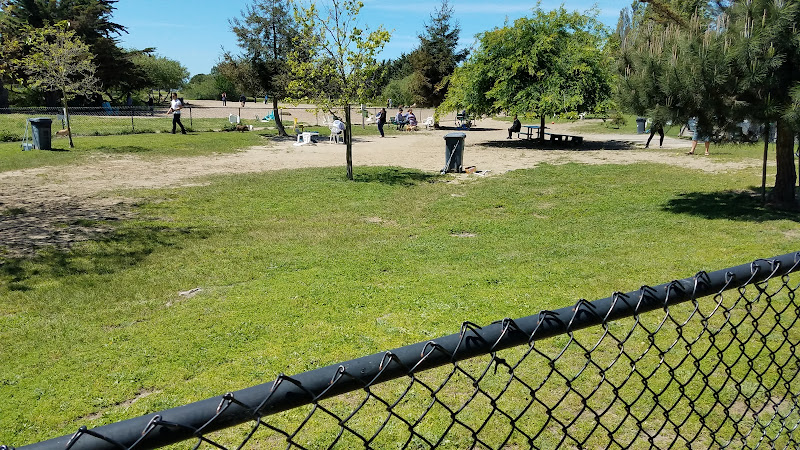
Alameda Dog Park

Alameda Waterfront Park
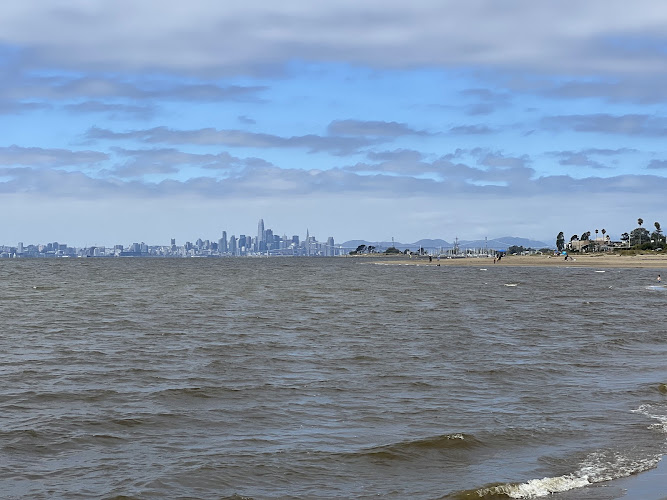
Alameda Beach
Find Accommodations Nearby
Recommended Tours & Activities
Visitor Reviews
There are no reviews yet. Be the first one to write one.
Share Your Experience
Have you visited USS Hornet – Sea, Air and Space Museum? Help other travelers by leaving a review.