
Umudioka Avenue
About Umudioka Avenue
Description
Umudioka Avenue is one of those places that quietly grows on you. Located in the heart of Awka, this avenue blends the pulse of city life with a touch of local authenticity that’s hard to find elsewhere. It’s not overly polished or commercialized, and that’s part of its charm. You can stroll down the street and feel the rhythm of everyday life—vendors chatting, students rushing to class, and the occasional aroma of roasted corn wafting through the air. It’s real, it’s lived-in, and it’s got a heartbeat that feels unmistakably Nigerian.
For travelers looking to experience a slice of Awka beyond the typical tourist paths, Umudioka Avenue offers a genuine window into the city’s daily rhythm. It’s not a place of grand monuments or flashy attractions, but rather a stretch of road that tells its story through the people who move along it. Some might call it a hidden gem, though I’d say it’s more like a well-loved local hangout that just hasn’t been overrun by outsiders yet. You can find small eateries serving spicy jollof rice, tiny shops selling handcrafted goods, and the occasional street musician adding a soundtrack to your walk.
Now, I’ll be honest—Umudioka Avenue isn’t spotless or perfectly organized. There are moments when traffic gets a bit chaotic, and the noise can rise above what some travelers might expect. But that’s part of the experience, too. It’s where modern Awka meets its roots, where digital-age billboards stand beside old colonial-era buildings. And somehow, it all works. The avenue feels alive in a way that sterile tourist spots rarely do.
I remember my first visit there—standing by a roadside stall, sipping a chilled bottle of Zobo while chatting with a local artisan about how the neighborhood had changed over the years. He told me that Umudioka Avenue has always been a meeting point, a place where people from all walks of life cross paths. That conversation stuck with me, and every time I think of this avenue, I think of that sense of connection. If you’re the kind of traveler who values authenticity over gloss, you’ll find a lot to appreciate here.
Key Features
- Local Markets: Street vendors and open-air stalls selling everything from fresh produce to handmade crafts.
- Food Spots: Small eateries and roadside joints offering local delicacies like suya, moi moi, and akara.
- Cultural Blend: A mix of traditional Igbo culture and modern urban life, visible in both architecture and people’s daily routines.
- Accessibility: Central location with easy access to other parts of Awka, making it a convenient stop for travelers exploring the city.
- Community Spirit: Friendly locals who are often open to conversation and eager to share stories about the area’s history and traditions.
- Street Art and Murals: Occasional bursts of color along walls and fences that reflect local creativity and pride.
What’s really interesting is the way Umudioka Avenue manages to be both busy and laid-back at the same time. One minute you’re dodging motorbikes, and the next, you’re sipping palm wine under a shade tree, chatting with strangers like old friends. It’s that unpredictable rhythm that makes it memorable. And yes, while it might not have the glitz of some tourist avenues, it’s got personality—and that’s worth so much more.
Best Time to Visit
Timing your visit to Umudioka Avenue can make all the difference. The best months to explore are between November and March, when the weather is relatively cooler and the harmattan breeze gives the air a crisp, dry feel. Walking along the avenue during this season feels pleasant—you won’t be drenched in sweat within minutes, which, trust me, is a big plus in this part of the world.
That said, the rainy season (April to October) has its own charm. The greenery around Awka becomes lush, and the air smells fresh after a downpour. Just be prepared for the occasional muddy patch or puddle, especially if you’re exploring on foot. I once got caught in a sudden rainstorm there and ended up ducking into a small café for shelter. It turned out to be one of my favorite travel moments—sharing stories with locals over steaming cups of pepper soup while the rain hammered on the tin roof outside. So, maybe don’t rule out the rainy season entirely; it has its own kind of magic.
How to Get There
Getting to Umudioka Avenue is fairly straightforward if you’re already in Awka. The city’s transport system is quite active, with plenty of options depending on your budget and sense of adventure. If you prefer convenience, taxis and ride-hailing services can drop you off right along the avenue. For those who like to travel like a local, minibuses and motorbikes (known as okadas) are everywhere. They’re quick, affordable, and—let’s be honest—a bit thrilling if you don’t mind weaving through traffic.
If you’re coming from outside Awka, you can reach the city via major road networks connecting it to Enugu, Onitsha, and other nearby urban centers. Once in town, Umudioka Avenue is easy to locate since it’s a well-known route among residents. Just ask around, and someone will point you in the right direction. People here are generally helpful, especially if you show genuine curiosity about their city. I’ve learned that a simple smile and a polite greeting in Igbo—something like “Kedu?”—goes a long way.
Tips for Visiting
Visiting Umudioka Avenue isn’t complicated, but a few tips can help you make the most of your experience. First off, wear comfortable shoes. The avenue’s sidewalks can be uneven in places, and you’ll probably want to wander around a bit. It’s not the kind of place you rush through; it’s best enjoyed slowly, soaking up the atmosphere.
Bring cash, too. While some establishments may accept digital payments, many smaller shops and food stalls still operate on a cash-only basis. And don’t be afraid to bargain—it’s part of the fun. Just do it with a smile and a sense of humor; locals appreciate friendly negotiation more than hard haggling.
Photography is generally fine, but always ask before snapping pictures of people or private property. A quick “Can I take a photo?” can open up conversations and even lead to new friendships. I once asked a fruit seller if I could photograph her stall, and she ended up telling me about her family’s farm outside the city. It’s those little interactions that make travel meaningful, right?
Another thing—stay hydrated. The Nigerian sun can be unforgiving, especially around midday. Carry a bottle of water, and if you need a quick energy boost, grab a fresh coconut from one of the roadside vendors. It’s refreshing and surprisingly filling.
Lastly, keep an open mind. Umudioka Avenue isn’t a polished tourist attraction—it’s a slice of real life. You might see things that surprise you, delight you, or even challenge your expectations. But that’s exactly why it’s worth visiting. It’s a place that invites you to slow down, observe, and connect. And if you let it, it’ll leave you with stories you’ll be telling long after you’ve left Awka.
In the end, Umudioka Avenue is more than just a road—it’s an experience. It’s where the ordinary becomes extraordinary through the lens of genuine curiosity. So, when you find yourself in Awka, take a walk down Umudioka Avenue. Listen to the hum of the city, taste the local flavors, and let the place reveal itself to you one step at a time. You might just discover that its quiet charm lingers long after you’ve moved on to your next adventure.
Key Features
- Key Features
- Best Time to Visit
- How to Get There
- Tips for Visiting
More Details
Updated November 10, 2025
Table of Contents
Description
Umudioka Avenue is one of those places that quietly grows on you. Located in the heart of Awka, this avenue blends the pulse of city life with a touch of local authenticity that’s hard to find elsewhere. It’s not overly polished or commercialized, and that’s part of its charm. You can stroll down the street and feel the rhythm of everyday life—vendors chatting, students rushing to class, and the occasional aroma of roasted corn wafting through the air. It’s real, it’s lived-in, and it’s got a heartbeat that feels unmistakably Nigerian.
For travelers looking to experience a slice of Awka beyond the typical tourist paths, Umudioka Avenue offers a genuine window into the city’s daily rhythm. It’s not a place of grand monuments or flashy attractions, but rather a stretch of road that tells its story through the people who move along it. Some might call it a hidden gem, though I’d say it’s more like a well-loved local hangout that just hasn’t been overrun by outsiders yet. You can find small eateries serving spicy jollof rice, tiny shops selling handcrafted goods, and the occasional street musician adding a soundtrack to your walk.
Now, I’ll be honest—Umudioka Avenue isn’t spotless or perfectly organized. There are moments when traffic gets a bit chaotic, and the noise can rise above what some travelers might expect. But that’s part of the experience, too. It’s where modern Awka meets its roots, where digital-age billboards stand beside old colonial-era buildings. And somehow, it all works. The avenue feels alive in a way that sterile tourist spots rarely do.
I remember my first visit there—standing by a roadside stall, sipping a chilled bottle of Zobo while chatting with a local artisan about how the neighborhood had changed over the years. He told me that Umudioka Avenue has always been a meeting point, a place where people from all walks of life cross paths. That conversation stuck with me, and every time I think of this avenue, I think of that sense of connection. If you’re the kind of traveler who values authenticity over gloss, you’ll find a lot to appreciate here.
Key Features
- Local Markets: Street vendors and open-air stalls selling everything from fresh produce to handmade crafts.
- Food Spots: Small eateries and roadside joints offering local delicacies like suya, moi moi, and akara.
- Cultural Blend: A mix of traditional Igbo culture and modern urban life, visible in both architecture and people’s daily routines.
- Accessibility: Central location with easy access to other parts of Awka, making it a convenient stop for travelers exploring the city.
- Community Spirit: Friendly locals who are often open to conversation and eager to share stories about the area’s history and traditions.
- Street Art and Murals: Occasional bursts of color along walls and fences that reflect local creativity and pride.
What’s really interesting is the way Umudioka Avenue manages to be both busy and laid-back at the same time. One minute you’re dodging motorbikes, and the next, you’re sipping palm wine under a shade tree, chatting with strangers like old friends. It’s that unpredictable rhythm that makes it memorable. And yes, while it might not have the glitz of some tourist avenues, it’s got personality—and that’s worth so much more.
Best Time to Visit
Timing your visit to Umudioka Avenue can make all the difference. The best months to explore are between November and March, when the weather is relatively cooler and the harmattan breeze gives the air a crisp, dry feel. Walking along the avenue during this season feels pleasant—you won’t be drenched in sweat within minutes, which, trust me, is a big plus in this part of the world.
That said, the rainy season (April to October) has its own charm. The greenery around Awka becomes lush, and the air smells fresh after a downpour. Just be prepared for the occasional muddy patch or puddle, especially if you’re exploring on foot. I once got caught in a sudden rainstorm there and ended up ducking into a small café for shelter. It turned out to be one of my favorite travel moments—sharing stories with locals over steaming cups of pepper soup while the rain hammered on the tin roof outside. So, maybe don’t rule out the rainy season entirely; it has its own kind of magic.
How to Get There
Getting to Umudioka Avenue is fairly straightforward if you’re already in Awka. The city’s transport system is quite active, with plenty of options depending on your budget and sense of adventure. If you prefer convenience, taxis and ride-hailing services can drop you off right along the avenue. For those who like to travel like a local, minibuses and motorbikes (known as okadas) are everywhere. They’re quick, affordable, and—let’s be honest—a bit thrilling if you don’t mind weaving through traffic.
If you’re coming from outside Awka, you can reach the city via major road networks connecting it to Enugu, Onitsha, and other nearby urban centers. Once in town, Umudioka Avenue is easy to locate since it’s a well-known route among residents. Just ask around, and someone will point you in the right direction. People here are generally helpful, especially if you show genuine curiosity about their city. I’ve learned that a simple smile and a polite greeting in Igbo—something like “Kedu?”—goes a long way.
Tips for Visiting
Visiting Umudioka Avenue isn’t complicated, but a few tips can help you make the most of your experience. First off, wear comfortable shoes. The avenue’s sidewalks can be uneven in places, and you’ll probably want to wander around a bit. It’s not the kind of place you rush through; it’s best enjoyed slowly, soaking up the atmosphere.
Bring cash, too. While some establishments may accept digital payments, many smaller shops and food stalls still operate on a cash-only basis. And don’t be afraid to bargain—it’s part of the fun. Just do it with a smile and a sense of humor; locals appreciate friendly negotiation more than hard haggling.
Photography is generally fine, but always ask before snapping pictures of people or private property. A quick “Can I take a photo?” can open up conversations and even lead to new friendships. I once asked a fruit seller if I could photograph her stall, and she ended up telling me about her family’s farm outside the city. It’s those little interactions that make travel meaningful, right?
Another thing—stay hydrated. The Nigerian sun can be unforgiving, especially around midday. Carry a bottle of water, and if you need a quick energy boost, grab a fresh coconut from one of the roadside vendors. It’s refreshing and surprisingly filling.
Lastly, keep an open mind. Umudioka Avenue isn’t a polished tourist attraction—it’s a slice of real life. You might see things that surprise you, delight you, or even challenge your expectations. But that’s exactly why it’s worth visiting. It’s a place that invites you to slow down, observe, and connect. And if you let it, it’ll leave you with stories you’ll be telling long after you’ve left Awka.
In the end, Umudioka Avenue is more than just a road—it’s an experience. It’s where the ordinary becomes extraordinary through the lens of genuine curiosity. So, when you find yourself in Awka, take a walk down Umudioka Avenue. Listen to the hum of the city, taste the local flavors, and let the place reveal itself to you one step at a time. You might just discover that its quiet charm lingers long after you’ve moved on to your next adventure.
Key Highlights
- Key Features
- Best Time to Visit
- How to Get There
- Tips for Visiting
Location
Places to Stay Near Ndu Ichie Hall, Umudioka Awka
Find and Book a Tour
Explore More Travel Guides
No reviews found! Be the first to review!
Traveler Reviews for Umudioka Avenue
There are no reviews yet. Be the first one to write one.
Have you visited Umudioka Avenue? Help other travelers by sharing your review.
You Might Also Like
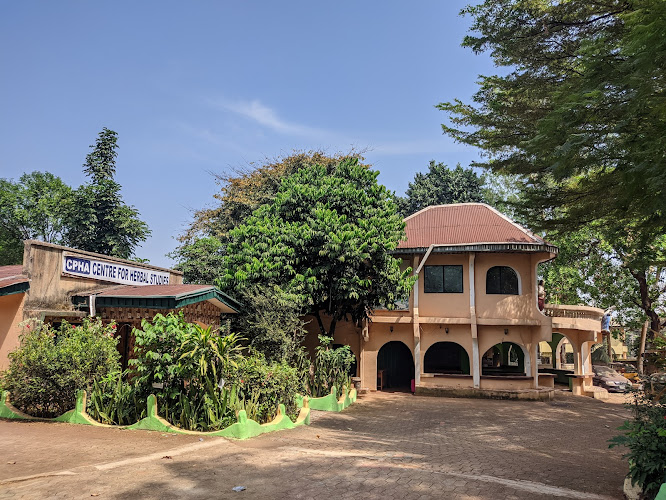
CPHA NIGERIA
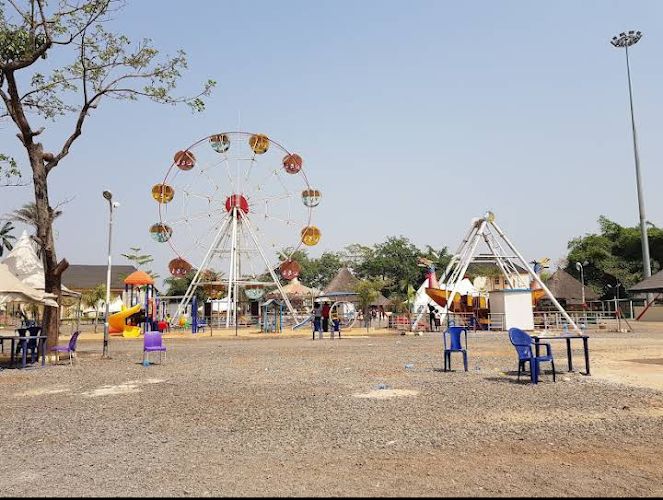
Awka Wonderland

Silluch Roundabout
Find Accommodations Nearby
Recommended Tours & Activities
Visitor Reviews
There are no reviews yet. Be the first one to write one.
Share Your Experience
Have you visited Umudioka Avenue? Help other travelers by leaving a review.