
Tucupita Delta amacuro
About Tucupita Delta amacuro
Description
Tucupita, the capital of Venezuela’s Delta Amacuro state, is a place that sneaks up on you with its quiet charm and deep connection to nature and culture. It’s not your typical bustling city; instead, it moves at a slower pace, giving visitors a chance to breathe in the lush surroundings and soak up the unique atmosphere shaped by the Warao indigenous people. Their presence is woven into the town’s fabric, from the way locals interact to the art and traditions that color everyday life.
Located right at the mouth of the mighty Orinoco River, Tucupita serves as the gateway to the sprawling Orinoco Delta—a labyrinth of waterways, mangroves, and wildlife that feels like stepping into another world. If you’re the kind of traveler who’d rather ditch the usual tourist traps and get lost in nature’s wild embrace, this place is a goldmine. The hiking trails here aren’t your typical paved strolls; they’re adventures through dense forests, past serene lagoons, and alongside channels where pink river dolphins might just pop up to say hello.
What really stands out is the sense of discovery. You’re not just walking through a scenic area; you’re immersing yourself in an ecosystem that’s bursting with life and stories. The Monumento a la Cultura del Delta, a local landmark, captures this spirit by celebrating the rich cultural heritage and biodiversity of the region. It’s a reminder that Tucupita isn’t just a stopover—it’s a living, breathing experience that rewards those willing to slow down and explore its depths.
Key Features
- Extensive network of hiking trails weaving through the Orinoco Delta’s mangroves and forests
- Unique opportunity to encounter the Warao indigenous culture firsthand
- Abundant wildlife including rare birds, river dolphins, and diverse flora
- Scenic waterways perfect for boat excursions complementing hiking adventures
- Warm, tropical climate that invites outdoor exploration year-round
- Monumento a la Cultura del Delta – a cultural landmark celebrating local heritage
- Slow-paced town atmosphere ideal for rest and planning further travels
- Access to authentic local cuisine influenced by indigenous and regional flavors
Best Time to Visit
Picking the right time to visit Tucupita can make a huge difference in your experience. The dry season, roughly from December to April, is generally the best window. Trails are easier to navigate without the soggy, muddy mess that the rainy season brings, and the weather is more predictable—think warm days with less humidity, perfect for long hikes and boat rides.
But hey, if you’re up for a bit of adventure and don’t mind getting your boots muddy, the rainy season (May to November) offers a different kind of magic. The delta swells with water, expanding the waterways and making boat travel even more spectacular. Plus, the landscape bursts into vivid greens, and wildlife activity is often at its peak. Just be prepared for some rain showers and bring the right gear.
How to Get There
Getting to Tucupita isn’t as straightforward as hopping on a big commercial flight, but that’s part of the charm. Most travelers fly into Caracas or Puerto Ordaz first, then catch a domestic flight or bus heading east to Tucupita. The town itself is relatively small, so once you arrive, getting around is mostly on foot, by boat, or with local taxis.
For the adventurous, traveling by river is a memorable way to arrive. The waterways are the lifelines of the delta, and boats are the primary mode of transport between many communities. This means you can combine your arrival with a scenic introduction to the area’s natural beauty. Just keep in mind that schedules can be flexible—embrace the laid-back rhythm of the region!
Tips for Visiting
First off, pack light but smart. Sturdy waterproof boots are a must, and don’t forget insect repellent—the mosquitoes here can be relentless. A hat and sunscreen will save you from the tropical sun, especially if you’re out on the trails or on the water for hours.
Try to learn a few words in Warao or Spanish—it goes a long way in connecting with locals and showing respect for their culture. The people here are warm and welcoming, but like any place off the beaten path, a little cultural sensitivity goes a long way.
Plan your excursions with a local guide if you can. Not only does this support the community, but it also enriches your experience with insider knowledge about wildlife, plants, and traditions you’d never discover on your own.
And here’s a little nugget from personal experience: don’t rush. The delta is a place to slow down, listen to the sounds of nature, and let yourself get a little lost. You might find that the best moments happen when you least expect them—like spotting a rare bird or sharing a quiet conversation with a Warao fisherman.
Lastly, stay flexible. Weather, transport, and schedules can be unpredictable, but that’s part of the adventure. Embrace the unexpected, and you’ll leave Tucupita with stories that stick with you long after you’re back home.
Key Features
- Extensive network of hiking trails weaving through the Orinoco Delta’s mangroves and forests
- Unique opportunity to encounter the Warao indigenous culture firsthand
- Abundant wildlife including rare birds, river dolphins, and diverse flora
- Scenic waterways perfect for boat excursions complementing hiking adventures
- Warm, tropical climate that invites outdoor exploration year-round
- Monumento a la Cultura del Delta – a cultural landmark celebrating local heritage
- Slow-paced town atmosphere ideal for rest and planning further travels
- Access to authentic local cuisine influenced by indigenous and regional flavors
More Details
Updated July 12, 2025
Table of Contents
Description
Tucupita, the capital of Venezuela’s Delta Amacuro state, is a place that sneaks up on you with its quiet charm and deep connection to nature and culture. It’s not your typical bustling city; instead, it moves at a slower pace, giving visitors a chance to breathe in the lush surroundings and soak up the unique atmosphere shaped by the Warao indigenous people. Their presence is woven into the town’s fabric, from the way locals interact to the art and traditions that color everyday life.
Located right at the mouth of the mighty Orinoco River, Tucupita serves as the gateway to the sprawling Orinoco Delta—a labyrinth of waterways, mangroves, and wildlife that feels like stepping into another world. If you’re the kind of traveler who’d rather ditch the usual tourist traps and get lost in nature’s wild embrace, this place is a goldmine. The hiking trails here aren’t your typical paved strolls; they’re adventures through dense forests, past serene lagoons, and alongside channels where pink river dolphins might just pop up to say hello.
What really stands out is the sense of discovery. You’re not just walking through a scenic area; you’re immersing yourself in an ecosystem that’s bursting with life and stories. The Monumento a la Cultura del Delta, a local landmark, captures this spirit by celebrating the rich cultural heritage and biodiversity of the region. It’s a reminder that Tucupita isn’t just a stopover—it’s a living, breathing experience that rewards those willing to slow down and explore its depths.
Key Features
- Extensive network of hiking trails weaving through the Orinoco Delta’s mangroves and forests
- Unique opportunity to encounter the Warao indigenous culture firsthand
- Abundant wildlife including rare birds, river dolphins, and diverse flora
- Scenic waterways perfect for boat excursions complementing hiking adventures
- Warm, tropical climate that invites outdoor exploration year-round
- Monumento a la Cultura del Delta – a cultural landmark celebrating local heritage
- Slow-paced town atmosphere ideal for rest and planning further travels
- Access to authentic local cuisine influenced by indigenous and regional flavors
Best Time to Visit
Picking the right time to visit Tucupita can make a huge difference in your experience. The dry season, roughly from December to April, is generally the best window. Trails are easier to navigate without the soggy, muddy mess that the rainy season brings, and the weather is more predictable—think warm days with less humidity, perfect for long hikes and boat rides.
But hey, if you’re up for a bit of adventure and don’t mind getting your boots muddy, the rainy season (May to November) offers a different kind of magic. The delta swells with water, expanding the waterways and making boat travel even more spectacular. Plus, the landscape bursts into vivid greens, and wildlife activity is often at its peak. Just be prepared for some rain showers and bring the right gear.
How to Get There
Getting to Tucupita isn’t as straightforward as hopping on a big commercial flight, but that’s part of the charm. Most travelers fly into Caracas or Puerto Ordaz first, then catch a domestic flight or bus heading east to Tucupita. The town itself is relatively small, so once you arrive, getting around is mostly on foot, by boat, or with local taxis.
For the adventurous, traveling by river is a memorable way to arrive. The waterways are the lifelines of the delta, and boats are the primary mode of transport between many communities. This means you can combine your arrival with a scenic introduction to the area’s natural beauty. Just keep in mind that schedules can be flexible—embrace the laid-back rhythm of the region!
Tips for Visiting
First off, pack light but smart. Sturdy waterproof boots are a must, and don’t forget insect repellent—the mosquitoes here can be relentless. A hat and sunscreen will save you from the tropical sun, especially if you’re out on the trails or on the water for hours.
Try to learn a few words in Warao or Spanish—it goes a long way in connecting with locals and showing respect for their culture. The people here are warm and welcoming, but like any place off the beaten path, a little cultural sensitivity goes a long way.
Plan your excursions with a local guide if you can. Not only does this support the community, but it also enriches your experience with insider knowledge about wildlife, plants, and traditions you’d never discover on your own.
And here’s a little nugget from personal experience: don’t rush. The delta is a place to slow down, listen to the sounds of nature, and let yourself get a little lost. You might find that the best moments happen when you least expect them—like spotting a rare bird or sharing a quiet conversation with a Warao fisherman.
Lastly, stay flexible. Weather, transport, and schedules can be unpredictable, but that’s part of the adventure. Embrace the unexpected, and you’ll leave Tucupita with stories that stick with you long after you’re back home.
Key Highlights
- Extensive network of hiking trails weaving through the Orinoco Delta’s mangroves and forests
- Unique opportunity to encounter the Warao indigenous culture firsthand
- Abundant wildlife including rare birds, river dolphins, and diverse flora
- Scenic waterways perfect for boat excursions complementing hiking adventures
- Warm, tropical climate that invites outdoor exploration year-round
- Monumento a la Cultura del Delta – a cultural landmark celebrating local heritage
- Slow-paced town atmosphere ideal for rest and planning further travels
- Access to authentic local cuisine influenced by indigenous and regional flavors
Location
Places to Stay Near Tucupita Central Park
Find and Book a Tour
Explore More Travel Guides
No reviews found! Be the first to review!
Traveler Reviews for Tucupita Delta amacuro
There are no reviews yet. Be the first one to write one.
Have you visited Tucupita Delta amacuro? Help other travelers by sharing your review.
You Might Also Like
Centro Culural Deltano
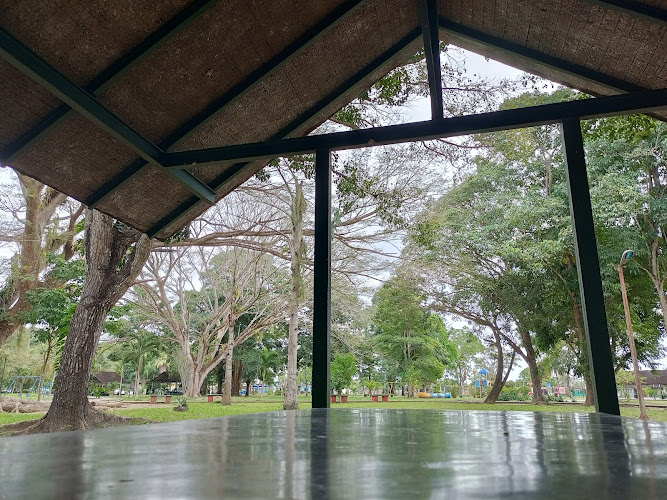
Parque Central Tucupita
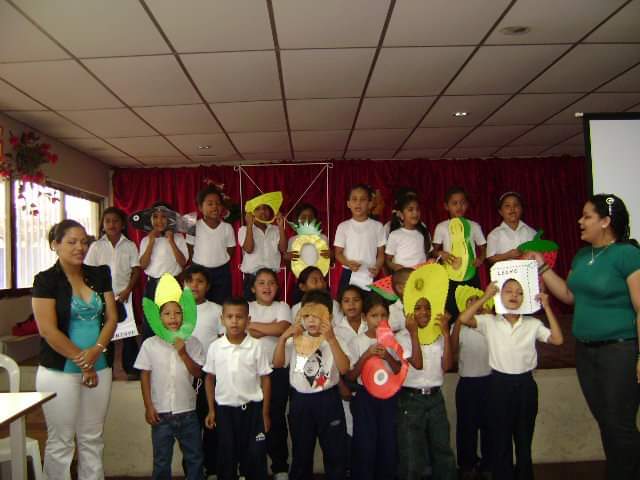
U.E.B Granja Artesanal Tucupita
Find Accommodations Nearby
Recommended Tours & Activities
Visitor Reviews
There are no reviews yet. Be the first one to write one.
Share Your Experience
Have you visited Tucupita Delta amacuro? Help other travelers by leaving a review.