

Tuan Quan Temple
About Tuan Quan Temple
Description
Tuan Quan Temple is one of those rare gems that quietly holds centuries of history and culture in its wooden beams and stone courtyards. Built back in the 14th century during the Le Dynasty, it’s stood the test of time along the Red River, witnessing the ebb and flow of Vietnamese history. When you step inside, you’re not just visiting a temple; you’re stepping into a living story that locals have cherished for generations. The temple isn’t just a religious site—it’s a symbol of resilience, patriotism, and community spirit, dedicated to figures like Lieu Hanh Mother and national heroes such as Tran Hung Dao.
Now, I gotta be honest, the temple doesn’t have all the modern bells and whistles you might expect—there’s no wheelchair accessible entrance, so if mobility is a concern, that’s something to keep in mind. But it does have a restroom, which is a small but important comfort, especially if you’re planning to spend a good chunk of your day exploring. The atmosphere inside is peaceful, with an aura that invites quiet reflection rather than loud tourist chatter, which I personally found refreshing. It’s a place where you can feel the weight of history without it being shoved in your face.
What’s really striking about Tuan Quan is how it’s woven into the local culture. It’s not just a temple frozen in time; it’s a hub for festivals and ceremonies that bring the community together. Visiting during one of these times gives you a peek into traditions that have been lovingly preserved, making your trip not just a sightseeing stop but a genuine cultural experience. If you’re curious about Vietnam beyond the usual tourist paths, this temple offers a profound glimpse into the country’s spiritual and historical fabric.
Key Features
- Ancient architecture dating back to the 14th century Le Dynasty era
- Dedicated to revered figures such as Lieu Hanh Mother and national heroes like Tran Hung Dao
- Located on the scenic bank of the Red River, offering serene surroundings
- Recognized as a provincial historical and cultural relic since 2005
- Active site for traditional festivals and spiritual ceremonies
- Basic amenities including restrooms available on-site
- Not wheelchair accessible, so plan accordingly
- A quiet, contemplative atmosphere far from the typical tourist bustle
Best Time to Visit
If you ask me, timing your visit to Tuan Quan Temple can really change the whole experience. The temple’s biggest draw is its festivals, especially the annual temple festival which draws crowds from all over. This event is packed with rituals, prayers, and traditional performances that bring the place to life in a way that’s impossible to capture any other time of year. It’s usually held in the spring, which is also when the weather in Yen Bai is at its most pleasant—not too hot, not too wet.
That said, if you prefer a quieter visit, the off-festival months are just as rewarding. Early mornings or late afternoons during the cooler months offer a peaceful retreat where you can soak in the architecture and history without the crowds. Just be ready for the occasional drizzle if you visit in the rainy season, but hey, a little rain can add to the mystique, right?
How to Get There
Getting to Tuan Quan Temple is pretty straightforward if you’re already in Yen Bai city. The temple is about 3 kilometers from the city center, so it’s a quick ride by taxi or motorbike. If you’re feeling adventurous and want to experience local life up close, renting a motorbike is a fun option—just be sure you’re comfortable navigating Vietnamese traffic, which can be a bit chaotic if you’re new to it.
Public buses might be a bit scarce or confusing for non-locals, so I wouldn’t recommend relying on them unless you’ve done some solid research beforehand. If you’re coming from further away, Yen Bai is connected by train and bus services from Hanoi and other major cities, making it accessible for a day trip or a longer stay. Once you arrive in Yen Bai, just ask locals for Tuan Quan Temple—people around there are friendly and happy to point you in the right direction.
Tips for Visiting
Visiting Tuan Quan Temple isn’t just about snapping photos and ticking off a checklist—it’s about respecting the place and soaking in its vibe. Here are a few things I’ve learned from my own visits and from chatting with locals:
- Dress modestly: Since it’s a place of worship, covering shoulders and knees is a good idea. You’ll blend in better and show respect.
- Bring some cash: There are often small donations or offerings you can make, especially if you want to participate in any rituals.
- Mind your shoes: Like many temples, you’ll need to remove your shoes before entering certain areas. Easy to forget, but locals will remind you.
- Visit early: The mornings tend to be less crowded, and the soft light makes for great photos.
- Stay hydrated: Yen Bai can get warm, especially if you’re walking around a lot. There are some places nearby to grab a cold drink.
- Learn a bit about the history beforehand: It makes the experience richer when you understand who the temple honors and why it’s so important to the local people.
- Respect the rituals: If you stumble upon a ceremony, observe quietly and avoid interrupting.
One last thing—don’t rush. The charm of Tuan Quan Temple lies in its slow, reflective pace. Take your time wandering the grounds, chatting with locals if they’re open to it, and just letting the centuries-old stories soak in. Trust me, it’s worth it.
Key Features
- Ancient architecture dating back to the 14th century Le Dynasty era
- Dedicated to revered figures such as Lieu Hanh Mother and national heroes like Tran Hung Dao
- Located on the scenic bank of the Red River, offering serene surroundings
- Recognized as a provincial historical and cultural relic since 2005
- Active site for traditional festivals and spiritual ceremonies
- Basic amenities including restrooms available on-site
- Not wheelchair accessible, so plan accordingly
- A quiet, contemplative atmosphere far from the typical tourist bustle
More Details
Updated July 17, 2025
Table of Contents
Description
Tuan Quan Temple is one of those rare gems that quietly holds centuries of history and culture in its wooden beams and stone courtyards. Built back in the 14th century during the Le Dynasty, it’s stood the test of time along the Red River, witnessing the ebb and flow of Vietnamese history. When you step inside, you’re not just visiting a temple; you’re stepping into a living story that locals have cherished for generations. The temple isn’t just a religious site—it’s a symbol of resilience, patriotism, and community spirit, dedicated to figures like Lieu Hanh Mother and national heroes such as Tran Hung Dao.
Now, I gotta be honest, the temple doesn’t have all the modern bells and whistles you might expect—there’s no wheelchair accessible entrance, so if mobility is a concern, that’s something to keep in mind. But it does have a restroom, which is a small but important comfort, especially if you’re planning to spend a good chunk of your day exploring. The atmosphere inside is peaceful, with an aura that invites quiet reflection rather than loud tourist chatter, which I personally found refreshing. It’s a place where you can feel the weight of history without it being shoved in your face.
What’s really striking about Tuan Quan is how it’s woven into the local culture. It’s not just a temple frozen in time; it’s a hub for festivals and ceremonies that bring the community together. Visiting during one of these times gives you a peek into traditions that have been lovingly preserved, making your trip not just a sightseeing stop but a genuine cultural experience. If you’re curious about Vietnam beyond the usual tourist paths, this temple offers a profound glimpse into the country’s spiritual and historical fabric.
Key Features
- Ancient architecture dating back to the 14th century Le Dynasty era
- Dedicated to revered figures such as Lieu Hanh Mother and national heroes like Tran Hung Dao
- Located on the scenic bank of the Red River, offering serene surroundings
- Recognized as a provincial historical and cultural relic since 2005
- Active site for traditional festivals and spiritual ceremonies
- Basic amenities including restrooms available on-site
- Not wheelchair accessible, so plan accordingly
- A quiet, contemplative atmosphere far from the typical tourist bustle
Best Time to Visit
If you ask me, timing your visit to Tuan Quan Temple can really change the whole experience. The temple’s biggest draw is its festivals, especially the annual temple festival which draws crowds from all over. This event is packed with rituals, prayers, and traditional performances that bring the place to life in a way that’s impossible to capture any other time of year. It’s usually held in the spring, which is also when the weather in Yen Bai is at its most pleasant—not too hot, not too wet.
That said, if you prefer a quieter visit, the off-festival months are just as rewarding. Early mornings or late afternoons during the cooler months offer a peaceful retreat where you can soak in the architecture and history without the crowds. Just be ready for the occasional drizzle if you visit in the rainy season, but hey, a little rain can add to the mystique, right?
How to Get There
Getting to Tuan Quan Temple is pretty straightforward if you’re already in Yen Bai city. The temple is about 3 kilometers from the city center, so it’s a quick ride by taxi or motorbike. If you’re feeling adventurous and want to experience local life up close, renting a motorbike is a fun option—just be sure you’re comfortable navigating Vietnamese traffic, which can be a bit chaotic if you’re new to it.
Public buses might be a bit scarce or confusing for non-locals, so I wouldn’t recommend relying on them unless you’ve done some solid research beforehand. If you’re coming from further away, Yen Bai is connected by train and bus services from Hanoi and other major cities, making it accessible for a day trip or a longer stay. Once you arrive in Yen Bai, just ask locals for Tuan Quan Temple—people around there are friendly and happy to point you in the right direction.
Tips for Visiting
Visiting Tuan Quan Temple isn’t just about snapping photos and ticking off a checklist—it’s about respecting the place and soaking in its vibe. Here are a few things I’ve learned from my own visits and from chatting with locals:
- Dress modestly: Since it’s a place of worship, covering shoulders and knees is a good idea. You’ll blend in better and show respect.
- Bring some cash: There are often small donations or offerings you can make, especially if you want to participate in any rituals.
- Mind your shoes: Like many temples, you’ll need to remove your shoes before entering certain areas. Easy to forget, but locals will remind you.
- Visit early: The mornings tend to be less crowded, and the soft light makes for great photos.
- Stay hydrated: Yen Bai can get warm, especially if you’re walking around a lot. There are some places nearby to grab a cold drink.
- Learn a bit about the history beforehand: It makes the experience richer when you understand who the temple honors and why it’s so important to the local people.
- Respect the rituals: If you stumble upon a ceremony, observe quietly and avoid interrupting.
One last thing—don’t rush. The charm of Tuan Quan Temple lies in its slow, reflective pace. Take your time wandering the grounds, chatting with locals if they’re open to it, and just letting the centuries-old stories soak in. Trust me, it’s worth it.
Key Highlights
- Ancient architecture dating back to the 14th century Le Dynasty era
- Dedicated to revered figures such as Lieu Hanh Mother and national heroes like Tran Hung Dao
- Located on the scenic bank of the Red River, offering serene surroundings
- Recognized as a provincial historical and cultural relic since 2005
- Active site for traditional festivals and spiritual ceremonies
- Basic amenities including restrooms available on-site
- Not wheelchair accessible, so plan accordingly
- A quiet, contemplative atmosphere far from the typical tourist bustle
Location
Places to Stay Near Tuan Quan Temple
Find and Book a Tour
Explore More Travel Guides
No reviews found! Be the first to review!
Traveler Reviews for Tuan Quan Temple
There are no reviews yet. Be the first one to write one.
Have you visited Tuan Quan Temple? Help other travelers by sharing your review.
You Might Also Like

CLB Tình yêu nghệ thuật
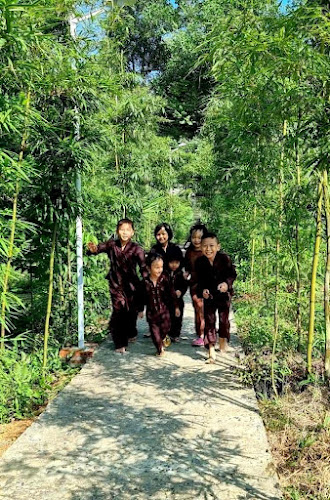
Làng Tu Yên Bái

1 Nguyễn Văn Cừ
Find Accommodations Nearby
Recommended Tours & Activities
Visitor Reviews
There are no reviews yet. Be the first one to write one.
Share Your Experience
Have you visited Tuan Quan Temple? Help other travelers by leaving a review.