

Tripoli Citadel
About Tripoli Citadel
Description
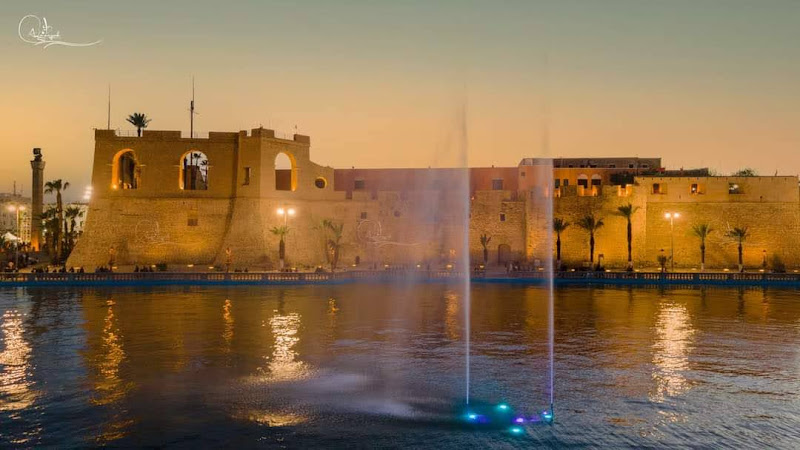
The Citadel of Tripoli, also known as the Citadel of Raymond de Saint-Gilles, rises above the old city like a patient guardian of centuries gone by. It’s one of those places that makes you stop mid-step, take a deep breath, and just stare for a moment. You can almost feel the weight of history pressing into the stone walls — Crusaders, Mamluks, Ottomans, all leaving their fingerprints on this massive fortress. Built originally in the early 12th century during the Crusader period, the citadel has been rebuilt and expanded so many times that its architecture reads like a timeline of Lebanon itself.
Walking through its thick corridors and uneven stairways, you’ll notice the blend of styles — rough Crusader masonry, graceful Mamluk arches, Ottoman touches here and there. It’s not polished or overly restored, which, honestly, is what makes it so special. You can still see the scars of battles and the marks of time. And if you’re a sucker for panoramic views (who isn’t?), the ramparts give you a full sweep of Tripoli — the old souks, the minarets, the Mediterranean stretching out in the distance. It’s a view that never gets old, no matter how many times you climb up there.
What I personally love most is how the citadel feels alive. There’s a small museum tucked inside that tells the story of Tripoli’s evolution, from its Crusader roots to its Ottoman days. The exhibits aren’t flashy, but they’re heartfelt — pottery, weapons, old coins, and bits of everyday life that survived centuries. It’s the kind of place where you can take your kids, wander slowly, and let them touch the stones that have seen more history than most textbooks can cover.
Key Features
- Crusader Architecture: Original foundations laid by Raymond de Saint-Gilles during the early 12th century, later expanded by Mamluks and Ottomans.
- Panoramic Views: Stunning 360° views of Tripoli’s old city, harbor, and surrounding hills from the ramparts.
- Small On-site Museum: Displays artifacts from different eras, including medieval weapons, pottery, and ancient inscriptions.
- Historic Layers: Evidence of multiple reconstructions — Crusader, Mamluk, and Ottoman — visible in the stonework and layout.
- Family Friendly: Wide open courtyards and safe walking paths make it suitable for kids and families.
- Photography Haven: Ideal for photographers, especially during golden hour when the light hits the limestone walls just right.
- Peaceful Atmosphere: Despite being in the heart of the city, the citadel offers a quiet escape above the bustle below.
Best Time to Visit
If you ask me, the best time to visit the Citadel of Tripoli is in the cooler months — from late October to early May. The weather is mild, the skies are clear, and you can actually enjoy exploring without melting under the Lebanese sun. Mornings are magical here. The city below is just waking up, the call to prayer echoes softly, and the light paints everything gold. It’s also less crowded during weekdays, which gives you a chance to wander at your own pace and really absorb the place.
Summer afternoons, though, can be brutally hot. I made that mistake once — climbing those stone steps at noon felt like walking on a griddle. Still, if you do go in summer, aim for early morning or just before sunset. The evening breeze from the coast makes the whole experience much more comfortable, and the view of the city lights flickering on is something else entirely.
How to Get There
Getting to the Citadel of Tripoli is pretty straightforward. If you’re coming from Beirut, it’s about an hour and a half drive north along the coastal highway. The road itself is scenic — you’ll pass by the Mediterranean, small fishing towns, and rolling hills. Once you reach Tripoli, signs for the old city (Mina area) will guide you toward the citadel. It sits on a hill above the souks, so you can either walk up through the winding alleyways (which is half the fun) or grab a taxi to drop you near the entrance.
For those who love a bit of adventure, walking up through the old market is a treat. You’ll pass spice shops, metalworkers hammering away, and the smell of freshly baked manousheh drifting through the air. It’s chaotic and beautiful in that classic Lebanese way. Just wear comfortable shoes — the cobblestones can be tricky if you’re not used to them.
Tips for Visiting
Here’s where a few insider tips can make your trip smoother. First off, bring water and a hat, especially if you’re visiting during warmer months. There’s not much shade once you’re inside the citadel. Also, while the site is generally safe, some areas have uneven steps and steep drops, so keep an eye on your footing (and your kids, if you’ve got them with you).
If you’re into photography, go early in the morning or around sunset — the light is perfect then. Midday sun tends to wash out the details in photos. And don’t rush through it; the citadel rewards slow exploration. Peek into the smaller chambers, climb the side stairways, and look for the little Arabic inscriptions carved into the stones — they tell stories if you take the time to notice.
Another thing — talk to the locals. The caretakers and guides often have personal stories or bits of history that you won’t find in any brochure. One older gentleman once told me how his grandfather used to bring him here as a child, back when parts of the citadel were still being excavated. Hearing that made me appreciate the place even more. It’s not just a monument; it’s part of the living memory of Tripoli.
Lastly, combine your visit with a stroll through the old souks below. They’re among the most authentic in Lebanon — spices, copperware, sweets, and traditional soap from the famous Tripoli soap makers. The contrast between the bustling market and the quiet strength of the citadel above it is something you’ll remember long after you’ve left.
All in all, the Citadel of Tripoli isn’t just a fortress — it’s a story carved in stone, still standing proud after nearly a thousand years. Whether you’re a history buff, a casual traveler, or just someone looking for a place that feels real, this citadel delivers. It’s imperfect, weathered, and absolutely unforgettable — kind of like the best travel experiences always are.
Key Features
- Key Features
- Best Time to Visit
- How to Get There
- Tips for Visiting
More Details
Updated October 11, 2025
Table of Contents
Description
The Citadel of Tripoli, also known as the Citadel of Raymond de Saint-Gilles, rises above the old city like a patient guardian of centuries gone by. It’s one of those places that makes you stop mid-step, take a deep breath, and just stare for a moment. You can almost feel the weight of history pressing into the stone walls — Crusaders, Mamluks, Ottomans, all leaving their fingerprints on this massive fortress. Built originally in the early 12th century during the Crusader period, the citadel has been rebuilt and expanded so many times that its architecture reads like a timeline of Lebanon itself.
Walking through its thick corridors and uneven stairways, you’ll notice the blend of styles — rough Crusader masonry, graceful Mamluk arches, Ottoman touches here and there. It’s not polished or overly restored, which, honestly, is what makes it so special. You can still see the scars of battles and the marks of time. And if you’re a sucker for panoramic views (who isn’t?), the ramparts give you a full sweep of Tripoli — the old souks, the minarets, the Mediterranean stretching out in the distance. It’s a view that never gets old, no matter how many times you climb up there.
What I personally love most is how the citadel feels alive. There’s a small museum tucked inside that tells the story of Tripoli’s evolution, from its Crusader roots to its Ottoman days. The exhibits aren’t flashy, but they’re heartfelt — pottery, weapons, old coins, and bits of everyday life that survived centuries. It’s the kind of place where you can take your kids, wander slowly, and let them touch the stones that have seen more history than most textbooks can cover.
Key Features
- Crusader Architecture: Original foundations laid by Raymond de Saint-Gilles during the early 12th century, later expanded by Mamluks and Ottomans.
- Panoramic Views: Stunning 360° views of Tripoli’s old city, harbor, and surrounding hills from the ramparts.
- Small On-site Museum: Displays artifacts from different eras, including medieval weapons, pottery, and ancient inscriptions.
- Historic Layers: Evidence of multiple reconstructions — Crusader, Mamluk, and Ottoman — visible in the stonework and layout.
- Family Friendly: Wide open courtyards and safe walking paths make it suitable for kids and families.
- Photography Haven: Ideal for photographers, especially during golden hour when the light hits the limestone walls just right.
- Peaceful Atmosphere: Despite being in the heart of the city, the citadel offers a quiet escape above the bustle below.
Best Time to Visit
If you ask me, the best time to visit the Citadel of Tripoli is in the cooler months — from late October to early May. The weather is mild, the skies are clear, and you can actually enjoy exploring without melting under the Lebanese sun. Mornings are magical here. The city below is just waking up, the call to prayer echoes softly, and the light paints everything gold. It’s also less crowded during weekdays, which gives you a chance to wander at your own pace and really absorb the place.
Summer afternoons, though, can be brutally hot. I made that mistake once — climbing those stone steps at noon felt like walking on a griddle. Still, if you do go in summer, aim for early morning or just before sunset. The evening breeze from the coast makes the whole experience much more comfortable, and the view of the city lights flickering on is something else entirely.
How to Get There
Getting to the Citadel of Tripoli is pretty straightforward. If you’re coming from Beirut, it’s about an hour and a half drive north along the coastal highway. The road itself is scenic — you’ll pass by the Mediterranean, small fishing towns, and rolling hills. Once you reach Tripoli, signs for the old city (Mina area) will guide you toward the citadel. It sits on a hill above the souks, so you can either walk up through the winding alleyways (which is half the fun) or grab a taxi to drop you near the entrance.
For those who love a bit of adventure, walking up through the old market is a treat. You’ll pass spice shops, metalworkers hammering away, and the smell of freshly baked manousheh drifting through the air. It’s chaotic and beautiful in that classic Lebanese way. Just wear comfortable shoes — the cobblestones can be tricky if you’re not used to them.
Tips for Visiting
Here’s where a few insider tips can make your trip smoother. First off, bring water and a hat, especially if you’re visiting during warmer months. There’s not much shade once you’re inside the citadel. Also, while the site is generally safe, some areas have uneven steps and steep drops, so keep an eye on your footing (and your kids, if you’ve got them with you).
If you’re into photography, go early in the morning or around sunset — the light is perfect then. Midday sun tends to wash out the details in photos. And don’t rush through it; the citadel rewards slow exploration. Peek into the smaller chambers, climb the side stairways, and look for the little Arabic inscriptions carved into the stones — they tell stories if you take the time to notice.
Another thing — talk to the locals. The caretakers and guides often have personal stories or bits of history that you won’t find in any brochure. One older gentleman once told me how his grandfather used to bring him here as a child, back when parts of the citadel were still being excavated. Hearing that made me appreciate the place even more. It’s not just a monument; it’s part of the living memory of Tripoli.
Lastly, combine your visit with a stroll through the old souks below. They’re among the most authentic in Lebanon — spices, copperware, sweets, and traditional soap from the famous Tripoli soap makers. The contrast between the bustling market and the quiet strength of the citadel above it is something you’ll remember long after you’ve left.
All in all, the Citadel of Tripoli isn’t just a fortress — it’s a story carved in stone, still standing proud after nearly a thousand years. Whether you’re a history buff, a casual traveler, or just someone looking for a place that feels real, this citadel delivers. It’s imperfect, weathered, and absolutely unforgettable — kind of like the best travel experiences always are.
Key Highlights
- Key Features
- Best Time to Visit
- How to Get There
- Tips for Visiting
Location
Places to Stay Near Tripoli Citadel
Find and Book a Tour
Explore More Travel Guides
No reviews found! Be the first to review!
Traveler Reviews for Tripoli Citadel
There are no reviews yet. Be the first one to write one.
Have you visited Tripoli Citadel? Help other travelers by sharing your review.
You Might Also Like
Palm Islands Nature Reserve

Taynal Public Garden
Tripoli
Find Accommodations Nearby
Recommended Tours & Activities
Visitor Reviews
There are no reviews yet. Be the first one to write one.
Share Your Experience
Have you visited Tripoli Citadel? Help other travelers by leaving a review.