
Torre do Relógio
About Torre do Relógio
Description
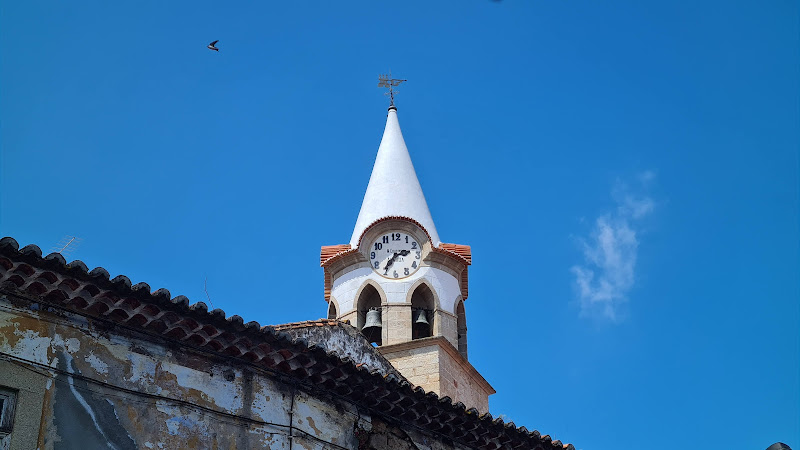
The Torre do Relógio (Clock Tower) in Portugal stands as one of those charming historical landmarks that really captures your imagination. Built in the 13th century, this medieval clock tower has been keeping time for locals and visitors alike for centuries. I was immediately struck by its impressive stone architecture when I first laid eyes on it - you just don't see craftsmanship like this anymore! The tower rises majestically above the surrounding buildings, its weathered stones telling stories of countless generations who've passed beneath its watchful face. What I particularly love about this tower is how it seamlessly blends functional timekeeping with architectural beauty. The clock mechanism itself is fascinating, and while it's been modernized over the years, it still maintains its historical character. The tower's presence adds such character to the streetscape - it's like stepping back in time while still being firmly planted in the present.Key Features
• Original 13th-century medieval architecture with distinctive Portuguese Gothic elements • Functioning clock mechanism that's been modernized while preserving historical integrity • Four-sided clock face visible from multiple angles in the historic district • Impressive stone masonry featuring local construction techniques • Panoramic views of the surrounding area from various vantage points • Historical bells that still ring on special occasions • Architectural details including decorative cornices and traditional Portuguese stonework • Information plaques detailing the tower's history (though they could use updating!)Best Time to Visit
From my experience, early morning or late afternoon offers the best lighting for appreciating the tower's architectural details - and snapping those perfect vacation photos! The golden hour just before sunset is particularly magical, as the stone takes on a warm, honey-colored glow. Summer months (June through September) bring the clearest skies and most reliable weather for viewing the tower, but they also bring the biggest crowds. I'd suggest visiting during shoulder season - April/May or October - when you'll find fewer tourists but still enjoy pleasant weather. Plus, the spring flowers or autumn colors add an extra special touch to your photos. Winter visits have their own charm too. The tower against a moody Portuguese sky creates a dramatically different atmosphere that history buffs might particularly appreciate. Just remember to pack an umbrella - those Atlantic storms can pop up quickly!How to Get There
Getting to the Torre do Relógio is pretty straightforward - it's right in the heart of the historic district. If you're staying in town, you can easily walk there. The streets around it are typically Portuguese - narrow and charming, but maybe a bit confusing at first. Don't worry though, most locals can point you in the right direction if you get turned around. If you're coming from further away, public transportation is your friend. Local buses stop within a few minutes' walk of the tower. Taxis and ride-sharing services can get you even closer, though the immediate area around the tower is pedestrian-only (which honestly adds to its charm). For those driving, there are several public parking lots within walking distance. Just keep in mind that parking in historic Portuguese towns can be... let's say interesting! The spaces weren't exactly designed with modern cars in mind.Tips for Visiting
Look, I've learned a few things from my visits here that might make your experience even better. First off, bring your camera - but don't forget to actually look at the tower with your own eyes too! It's amazing how many people I see experiencing everything through their phone screens. Time your visit around the hour mark if you can - hearing the clock strike adds something special to the experience. The acoustics in the surrounding streets create an amazing echo effect that really takes you back in time. Wear comfortable shoes - the streets around here are typical old-world Portuguese, meaning lots of beautiful but uneven cobblestones. Your fancy shoes might look great in photos, but your feet will thank you for choosing comfort over style. If you're into architecture or history, I'd recommend bringing binoculars to study the detailed stonework up close. There are some fascinating carved details that are hard to appreciate from ground level. Consider visiting local cafes near the tower - they offer great vantage points for admiring the structure while enjoying a pastel de nata and coffee. Plus, the locals often have fascinating stories about the tower's history. And hey, don't rush it! So many visitors just snap a quick photo and move on. Take your time to walk around the tower, view it from different angles, and soak in its historical significance. Trust me, it's worth spending at least 30 minutes here to really appreciate what you're seeing. Lastly, if you're visiting in summer, try to avoid the midday heat - not only are the crowds bigger then, but the harsh sunlight makes it harder to appreciate (and photograph) the tower's architectural details. Early morning or late afternoon visits are definitely the way to go!Key Features
- Key Features
- Best Time to Visit
- How to Get There
- Tips for Visiting
More Details
Updated May 19, 2025
Table of Contents
Description
The Torre do Relógio (Clock Tower) in Portugal stands as one of those charming historical landmarks that really captures your imagination. Built in the 13th century, this medieval clock tower has been keeping time for locals and visitors alike for centuries. I was immediately struck by its impressive stone architecture when I first laid eyes on it – you just don’t see craftsmanship like this anymore! The tower rises majestically above the surrounding buildings, its weathered stones telling stories of countless generations who’ve passed beneath its watchful face.
What I particularly love about this tower is how it seamlessly blends functional timekeeping with architectural beauty. The clock mechanism itself is fascinating, and while it’s been modernized over the years, it still maintains its historical character. The tower’s presence adds such character to the streetscape – it’s like stepping back in time while still being firmly planted in the present.
Key Features
• Original 13th-century medieval architecture with distinctive Portuguese Gothic elements
• Functioning clock mechanism that’s been modernized while preserving historical integrity
• Four-sided clock face visible from multiple angles in the historic district
• Impressive stone masonry featuring local construction techniques
• Panoramic views of the surrounding area from various vantage points
• Historical bells that still ring on special occasions
• Architectural details including decorative cornices and traditional Portuguese stonework
• Information plaques detailing the tower’s history (though they could use updating!)
Best Time to Visit
From my experience, early morning or late afternoon offers the best lighting for appreciating the tower’s architectural details – and snapping those perfect vacation photos! The golden hour just before sunset is particularly magical, as the stone takes on a warm, honey-colored glow.
Summer months (June through September) bring the clearest skies and most reliable weather for viewing the tower, but they also bring the biggest crowds. I’d suggest visiting during shoulder season – April/May or October – when you’ll find fewer tourists but still enjoy pleasant weather. Plus, the spring flowers or autumn colors add an extra special touch to your photos.
Winter visits have their own charm too. The tower against a moody Portuguese sky creates a dramatically different atmosphere that history buffs might particularly appreciate. Just remember to pack an umbrella – those Atlantic storms can pop up quickly!
How to Get There
Getting to the Torre do Relógio is pretty straightforward – it’s right in the heart of the historic district. If you’re staying in town, you can easily walk there. The streets around it are typically Portuguese – narrow and charming, but maybe a bit confusing at first. Don’t worry though, most locals can point you in the right direction if you get turned around.
If you’re coming from further away, public transportation is your friend. Local buses stop within a few minutes’ walk of the tower. Taxis and ride-sharing services can get you even closer, though the immediate area around the tower is pedestrian-only (which honestly adds to its charm).
For those driving, there are several public parking lots within walking distance. Just keep in mind that parking in historic Portuguese towns can be… let’s say interesting! The spaces weren’t exactly designed with modern cars in mind.
Tips for Visiting
Look, I’ve learned a few things from my visits here that might make your experience even better. First off, bring your camera – but don’t forget to actually look at the tower with your own eyes too! It’s amazing how many people I see experiencing everything through their phone screens.
Time your visit around the hour mark if you can – hearing the clock strike adds something special to the experience. The acoustics in the surrounding streets create an amazing echo effect that really takes you back in time.
Wear comfortable shoes – the streets around here are typical old-world Portuguese, meaning lots of beautiful but uneven cobblestones. Your fancy shoes might look great in photos, but your feet will thank you for choosing comfort over style.
If you’re into architecture or history, I’d recommend bringing binoculars to study the detailed stonework up close. There are some fascinating carved details that are hard to appreciate from ground level.
Consider visiting local cafes near the tower – they offer great vantage points for admiring the structure while enjoying a pastel de nata and coffee. Plus, the locals often have fascinating stories about the tower’s history.
And hey, don’t rush it! So many visitors just snap a quick photo and move on. Take your time to walk around the tower, view it from different angles, and soak in its historical significance. Trust me, it’s worth spending at least 30 minutes here to really appreciate what you’re seeing.
Lastly, if you’re visiting in summer, try to avoid the midday heat – not only are the crowds bigger then, but the harsh sunlight makes it harder to appreciate (and photograph) the tower’s architectural details. Early morning or late afternoon visits are definitely the way to go!
Key Highlights
- Key Features
- Best Time to Visit
- How to Get There
- Tips for Visiting
Location
Places to Stay Near Torre do Relógio
Find and Book a Tour
Explore More Travel Guides
No reviews found! Be the first to review!
Traveler Reviews for Torre do Relógio
There are no reviews yet. Be the first one to write one.
Have you visited Torre do Relógio? Help other travelers by sharing your review.
You Might Also Like
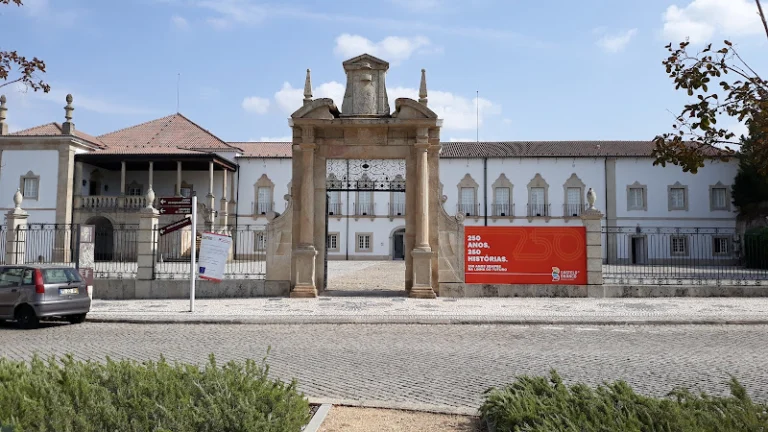
Museu Francisco Tavares Proença Jr.

Museu Cargaleiro
Rotunda da Boa-Viagem
Find Accommodations Nearby
Recommended Tours & Activities
Visitor Reviews
There are no reviews yet. Be the first one to write one.
Share Your Experience
Have you visited Torre do Relógio? Help other travelers by leaving a review.