
Tikotin Museum of Japanese Art
About Tikotin Museum of Japanese Art
Description
The Tikotin Museum of Japanese Art in Haifa sits on the slopes of Mount Carmel and is one of the few institutions in the Middle East dedicated entirely to Japanese art and culture. The museum's collection spans centuries, bringing together painted screens, delicate textiles, striking ceramics, and arms that whisper stories of samurai life. For travelers who are curious about Japan but might not have the time (or budget) to fly there, this museum functions like a compact, thoughtfully curated window into Japanese aesthetics and craftsmanship.
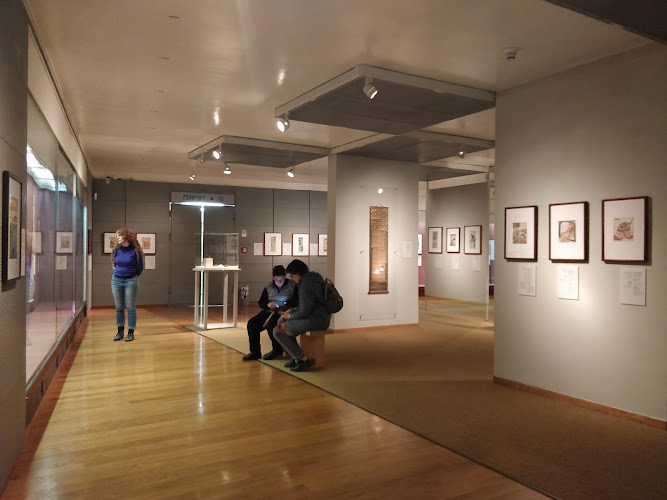
Visitors will notice right away that the place feels intentionally pared-down. Galleries are arranged to let individual pieces breathe: a single hanging scroll may sit opposite a case of tea ceremony utensils, and a row of porcelain vases will get the space they deserve. And that restraint is the point. The Tikotin collection privileges quality and narrative over sheer quantity. There are objects from everyday life alongside spectacular works — a medieval screen, lacquerware, ukiyo-e-style prints, and historic samurai swords — so each stroll through the rooms moves between the intimate and the grand.
The museum's holdings were originally assembled through the efforts of collectors who were passionate about Japan, notably Felix Tikotin, whose name the museum honors. That fact gives the collection a particular character: many pieces were acquired with an eye toward telling cultural stories rather than building encyclopedic displays. As a result, the exhibitions often feel like a series of well-told vignettes about Japanese daily life, ritual, and artistry across time.
Beyond the permanent collection, the Tikotin Museum runs rotating exhibitions that highlight both traditional and modern Japanese artists. These special shows can be surprisingly fresh — modern prints and contemporary ceramic works are shown next to historical items, creating a conversation across centuries. Visitors who time their trip for a rotating exhibition are likely to come away thinking they saw something rare, not just another "museum fill-in."
One of the museum's most distinctive offerings are live tea ceremony demonstrations. These are not mere spectacles; they are short, focused lessons in ritual. The ceremonies explain the utensils, the choreography, and the aesthetic ideals behind the tea room — wabi-sabi, the appreciation of impermanence and imperfection, often gets its moment here. For many travelers, the chance to see or even participate in a tea ceremony is the highlight of the visit. It's recommended to check the schedule before going because spaces can be limited and these events are thoughtfully paced.
Ceramics deserve a paragraph of their own. The Tikotin Museum showcases a wide range of Japanese pottery: delicate Satsuma pieces with intricate polychrome decoration, austere tea bowls used for chanoyu, and sculptural modern ceramics by living Japanese artists. The display cases are arranged so that surface texture and glaze nuances can be studied closely, which is far more than a visual feast — it's an education in technique and taste. Many travelers come away with a newfound appreciation for how much ceramics mediate everyday life and ritual in Japan.
Samurai swords and arms are another draw. The museum treats these items with respect and context: not just as weapons, but as objects that carry symbolism, aesthetic care, and specific craftsmanship. The mounts, the lacquer, the fittings — they tell stories about social rank, ceremonial use, and the intersection of function and beauty. If a visitor is into history, even peripherally, these displays have real depth.
For families and travelers with children, the Tikotin Museum tends to be unexpectedly accommodating. The exhibitions are designed to be accessible without feeling dumbed down. Interactive elements appear occasionally and educational programs for kids are offered from time to time. The museum is not a theme park — it's calmer than that — but it recognizes that children can engage with art when the presentation is tactile and story-driven.
Practical amenities are solid. There is an onsite restaurant or cafe where visitors can pause for a bite or a tea; this is handy because the museum encourages lingering. Restrooms are on site and accessibility is a genuine focus: wheelchair-accessible entrances, parking, and restrooms make the museum reachable for many mobility needs. Those considerations matter, and the museum scores points for doing the logistics right — visitors who have struggled with accessibility elsewhere tend to appreciate it here.
Architecturally, the museum is sited on a hillside and framed by gardens. The building itself is restrained, letting the objects inside take center stage. Still, the way light moves into the galleries and the modest courtyards create small moments of calm between exhibits — a good thing when wandering through art can become mentally taxing. And yes, the museum's placement on Mount Carmel gives visitors a chance to pair the visit with other Haifa attractions or simply enjoy a quieter side of the city.
Tickets and on-site services are straightforward: the museum offers guided tours and occasional workshops; sometimes these are led by visiting curators or Japan Foundation-affiliated specialists. Those workshops can be unexpectedly memorable — one attendee might leave after an ink-painting demo thinking, I could never do that, but I enjoyed trying. The museum manages to keep programming high-quality without feeling pretentious, which is a small miracle in the world of specialized museums.
A few candid notes about expectations. The Tikotin Museum is relatively small compared to national museums in larger capitals, so don’t expect an all-day itinerary centered solely on galleries. It is instead the sort of place where 90 minutes to two hours gives a rich experience, longer if there is a tea ceremony or a special exhibition that interests you. Some travelers come with high expectations of an encyclopedic collection and leave a little underwhelmed; others are delighted precisely because the museum is selective and intimate. Both reactions are fair, and that's part of the museum's personality — it's specific rather than sprawling.
One quirk that often makes visitors smile: the museum's curatorial choices can occasionally pair pieces in ways that spark curiosity rather than tidy understanding. That can be slightly disorienting if a visitor likes linear narratives, but for those who love an art-historical puzzle, it's invigorating. The museum rewards slow looking and questions. Ask the staff. They're usually happy to explain provenance or technique — and their knowledge can turn a glance into a real "aha" moment.
On the subject of crowding: the Tikotin is seldom jam-packed, even during peak tourist season in Haifa. That doesn't mean it’s empty; rather, the flow of visitors tends to be measured, which suits the contemplative nature of Japanese art. If someone prefers loud, hands-on experiences, this museum might feel too quiet. But if a traveler enjoys examining brushstrokes, glaze, and the tiny details on a kimono, this place will feel like it was assembled with them in mind.
Finally, why visit? For many travelers, visiting the Tikotin Museum of Japanese Art in Haifa is less about checking a box and more about discovering a cultural conversation. The museum connects Haifa and Japan through objects that have traveled, been collected, and been presented with care. It offers travelers a compact, thoughtful immersion into Japanese material culture that can inform later trips to Japan or simply stand alone as an unexpectedly moving cultural stop. The museum is especially worth a visit if one of the rotating exhibitions aligns with a traveler's interests or if they can catch a tea ceremony demonstration — those experiences amplify the quiet power of the collection and linger in memory long after the trip ends.
Key Features
More Details
Updated August 29, 2025
Table of Contents
Description
The Tikotin Museum of Japanese Art in Haifa sits on the slopes of Mount Carmel and is one of the few institutions in the Middle East dedicated entirely to Japanese art and culture. The museum’s collection spans centuries, bringing together painted screens, delicate textiles, striking ceramics, and arms that whisper stories of samurai life. For travelers who are curious about Japan but might not have the time (or budget) to fly there, this museum functions like a compact, thoughtfully curated window into Japanese aesthetics and craftsmanship.
Visitors will notice right away that the place feels intentionally pared-down. Galleries are arranged to let individual pieces breathe: a single hanging scroll may sit opposite a case of tea ceremony utensils, and a row of porcelain vases will get the space they deserve. And that restraint is the point. The Tikotin collection privileges quality and narrative over sheer quantity. There are objects from everyday life alongside spectacular works — a medieval screen, lacquerware, ukiyo-e-style prints, and historic samurai swords — so each stroll through the rooms moves between the intimate and the grand.
The museum’s holdings were originally assembled through the efforts of collectors who were passionate about Japan, notably Felix Tikotin, whose name the museum honors. That fact gives the collection a particular character: many pieces were acquired with an eye toward telling cultural stories rather than building encyclopedic displays. As a result, the exhibitions often feel like a series of well-told vignettes about Japanese daily life, ritual, and artistry across time.
Beyond the permanent collection, the Tikotin Museum runs rotating exhibitions that highlight both traditional and modern Japanese artists. These special shows can be surprisingly fresh — modern prints and contemporary ceramic works are shown next to historical items, creating a conversation across centuries. Visitors who time their trip for a rotating exhibition are likely to come away thinking they saw something rare, not just another “museum fill-in.”
One of the museum’s most distinctive offerings are live tea ceremony demonstrations. These are not mere spectacles; they are short, focused lessons in ritual. The ceremonies explain the utensils, the choreography, and the aesthetic ideals behind the tea room — wabi-sabi, the appreciation of impermanence and imperfection, often gets its moment here. For many travelers, the chance to see or even participate in a tea ceremony is the highlight of the visit. It’s recommended to check the schedule before going because spaces can be limited and these events are thoughtfully paced.
Ceramics deserve a paragraph of their own. The Tikotin Museum showcases a wide range of Japanese pottery: delicate Satsuma pieces with intricate polychrome decoration, austere tea bowls used for chanoyu, and sculptural modern ceramics by living Japanese artists. The display cases are arranged so that surface texture and glaze nuances can be studied closely, which is far more than a visual feast — it’s an education in technique and taste. Many travelers come away with a newfound appreciation for how much ceramics mediate everyday life and ritual in Japan.
Samurai swords and arms are another draw. The museum treats these items with respect and context: not just as weapons, but as objects that carry symbolism, aesthetic care, and specific craftsmanship. The mounts, the lacquer, the fittings — they tell stories about social rank, ceremonial use, and the intersection of function and beauty. If a visitor is into history, even peripherally, these displays have real depth.
For families and travelers with children, the Tikotin Museum tends to be unexpectedly accommodating. The exhibitions are designed to be accessible without feeling dumbed down. Interactive elements appear occasionally and educational programs for kids are offered from time to time. The museum is not a theme park — it’s calmer than that — but it recognizes that children can engage with art when the presentation is tactile and story-driven.
Practical amenities are solid. There is an onsite restaurant or cafe where visitors can pause for a bite or a tea; this is handy because the museum encourages lingering. Restrooms are on site and accessibility is a genuine focus: wheelchair-accessible entrances, parking, and restrooms make the museum reachable for many mobility needs. Those considerations matter, and the museum scores points for doing the logistics right — visitors who have struggled with accessibility elsewhere tend to appreciate it here.
Architecturally, the museum is sited on a hillside and framed by gardens. The building itself is restrained, letting the objects inside take center stage. Still, the way light moves into the galleries and the modest courtyards create small moments of calm between exhibits — a good thing when wandering through art can become mentally taxing. And yes, the museum’s placement on Mount Carmel gives visitors a chance to pair the visit with other Haifa attractions or simply enjoy a quieter side of the city.
Tickets and on-site services are straightforward: the museum offers guided tours and occasional workshops; sometimes these are led by visiting curators or Japan Foundation-affiliated specialists. Those workshops can be unexpectedly memorable — one attendee might leave after an ink-painting demo thinking, I could never do that, but I enjoyed trying. The museum manages to keep programming high-quality without feeling pretentious, which is a small miracle in the world of specialized museums.
A few candid notes about expectations. The Tikotin Museum is relatively small compared to national museums in larger capitals, so don’t expect an all-day itinerary centered solely on galleries. It is instead the sort of place where 90 minutes to two hours gives a rich experience, longer if there is a tea ceremony or a special exhibition that interests you. Some travelers come with high expectations of an encyclopedic collection and leave a little underwhelmed; others are delighted precisely because the museum is selective and intimate. Both reactions are fair, and that’s part of the museum’s personality — it’s specific rather than sprawling.
One quirk that often makes visitors smile: the museum’s curatorial choices can occasionally pair pieces in ways that spark curiosity rather than tidy understanding. That can be slightly disorienting if a visitor likes linear narratives, but for those who love an art-historical puzzle, it’s invigorating. The museum rewards slow looking and questions. Ask the staff. They’re usually happy to explain provenance or technique — and their knowledge can turn a glance into a real “aha” moment.
On the subject of crowding: the Tikotin is seldom jam-packed, even during peak tourist season in Haifa. That doesn’t mean it’s empty; rather, the flow of visitors tends to be measured, which suits the contemplative nature of Japanese art. If someone prefers loud, hands-on experiences, this museum might feel too quiet. But if a traveler enjoys examining brushstrokes, glaze, and the tiny details on a kimono, this place will feel like it was assembled with them in mind.
Finally, why visit? For many travelers, visiting the Tikotin Museum of Japanese Art in Haifa is less about checking a box and more about discovering a cultural conversation. The museum connects Haifa and Japan through objects that have traveled, been collected, and been presented with care. It offers travelers a compact, thoughtful immersion into Japanese material culture that can inform later trips to Japan or simply stand alone as an unexpectedly moving cultural stop. The museum is especially worth a visit if one of the rotating exhibitions aligns with a traveler’s interests or if they can catch a tea ceremony demonstration — those experiences amplify the quiet power of the collection and linger in memory long after the trip ends.
Key Highlights
Tikotin Museum of Japanese Art
Location
Places to Stay Near Tikotin Museum of Japanese Art
Find and Book a Tour
Explore More Travel Guides
No reviews found! Be the first to review!
Traveler Reviews for Tikotin Museum of Japanese Art
There are no reviews yet. Be the first one to write one.
Have you visited Tikotin Museum of Japanese Art? Help other travelers by sharing your review.
You Might Also Like
Clandestine Immigration and Naval Museum
Madatech
Find Accommodations Nearby
Recommended Tours & Activities
Visitor Reviews
There are no reviews yet. Be the first one to write one.
Share Your Experience
Have you visited Tikotin Museum of Japanese Art? Help other travelers by leaving a review.