
Tidbinbilla Nature Reserve
About Tidbinbilla Nature Reserve
Description
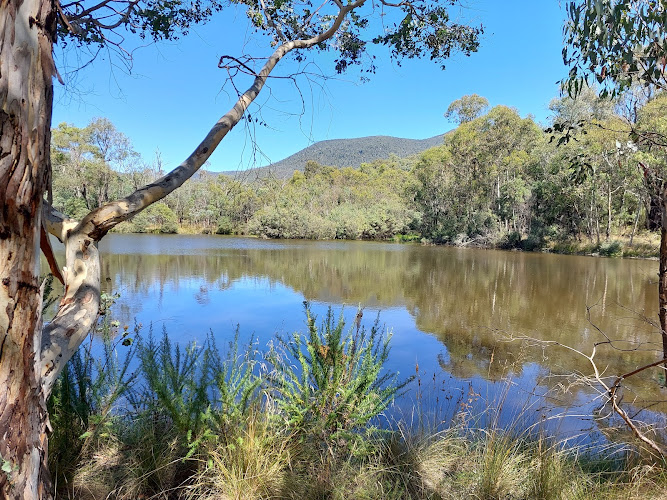
Tidbinbilla Nature Reserve is one of those places that quietly sneaks up on you. You think you’re just going for a walk in the bush, maybe to spot a kangaroo or two, but before you know it, you’re standing in a valley surrounded by eucalyptus forests, wetlands, and the faint chatter of cockatoos echoing through the trees. It’s a place that feels alive — not in a loud, touristy way, but in that peaceful, grounded way that makes you breathe deeper and forget about the noise of city life.
Located about a 40-minute drive southwest of Canberra, Tidbinbilla is a protected reserve that’s all about conservation, education, and a bit of good old-fashioned outdoor fun. It’s home to an incredible range of Australian wildlife — koalas, wallabies, emus, echidnas, and if you’re lucky, even a platypus or two in the Sanctuary wetlands. I’ve personally spent an entire afternoon just sitting quietly by one of the ponds, waiting for that telltale ripple that means a platypus is nearby. It’s worth every second of patience.
What I love about Tidbinbilla is how it manages to balance being a wildlife refuge with being a family-friendly destination. You can hike through rugged trails one minute and then relax at a picnic table with a barbecue sizzling away the next. There’s a Discovery Playground that’s a hit with kids, complete with slides, swings, and interactive nature features that make learning about the environment actually fun. And yes, it’s all accessible — with wheelchair-friendly paths and facilities that make it inclusive for everyone.
Of course, not every visit is perfect. Sometimes the weather turns, the trails get muddy, or the wildlife decides to stay hidden. But that’s nature for you — unpredictable, raw, and real. And honestly, that’s part of Tidbinbilla’s charm. It’s a place that doesn’t try too hard to impress; it just quietly reminds you how beautiful the Australian landscape really is.
Key Features
- Home to native Australian wildlife including koalas, kangaroos, emus, and platypus.
- Network of walking trails ranging from easy boardwalks to challenging bush hikes.
- The Sanctuary wetlands area designed for close-up wildlife viewing.
- Interactive Visitor Centre with educational displays and maps.
- Family-friendly Discovery Playground with slides, swings, and shaded picnic areas.
- Barbecue facilities and picnic tables throughout the reserve.
- Aboriginal heritage sites including rock shelters and artefact displays.
- Wheelchair accessible entrances, parking, and restrooms.
- Onsite amenities including public restrooms and gender-neutral facilities.
- Payment options include credit cards and NFC mobile payments.
Best Time to Visit
If you ask me, spring is the sweet spot for visiting Tidbinbilla. Between September and November, the weather is mild, the wildflowers are in bloom, and the animals seem to be everywhere. Kangaroos lounge in the open fields, and the air smells faintly of eucalyptus and fresh rain. Summer can be beautiful too, but the heat can get intense — so bring plenty of water and sunscreen if you go then.
Autumn has its own charm, with cooler temperatures and fewer crowds. The light gets softer, the bush turns golden, and it’s perfect for longer hikes without overheating. Winter, on the other hand, can be a bit chilly, especially early in the morning, but it’s also when you’re most likely to have the trails almost to yourself. There’s something magical about seeing mist hanging low over the valley as the sun rises — it feels like you’ve stepped into another world.
And here’s a little tip from someone who’s been caught out before: always check the weather forecast before you go. The reserve can close temporarily due to high fire danger or heavy rain, and it’s better to plan ahead than to make the drive only to find the gates shut.
How to Get There
Getting to Tidbinbilla is pretty straightforward if you’re coming from Canberra. It’s roughly a 40-minute drive southwest of the city centre, following the signs through the scenic Paddys River valley. The drive itself is half the joy — winding roads, mountain views, and the occasional kangaroo grazing by the roadside. If you’re anything like me, you’ll probably pull over once or twice just to take it all in.
Public transport options are limited, so driving is definitely the easiest way to go. There’s plenty of parking available at the Visitor Centre and near the main picnic areas. The roads are sealed and well maintained, so even a small car will get you there comfortably. For those who prefer cycling, it’s possible (though quite the workout) to ride part of the way, but be prepared for some steep sections — Canberra’s hills don’t mess around.
Once you arrive, you’ll need to pay a small entry fee per vehicle. Day passes are affordable, and if you think you’ll be back more than once — and trust me, you probably will — an annual pass is worth it. You can buy them at the Visitor Centre or online beforehand.
Tips for Visiting
Alright, let’s talk practical stuff. First off, bring layers. The weather in this part of the ACT can change faster than you’d expect. Mornings can be crisp even in summer, and by midday you’ll be peeling off your jacket. A hat, sunscreen, and insect repellent are must-haves too, especially if you’re planning to spend most of the day outdoors.
Next, don’t rush. Tidbinbilla isn’t the kind of place you tick off your list in an hour. Give yourself time to wander, to stop at the lookouts, to listen for bird calls. The Sanctuary walk is an easy, flat trail that’s great for spotting wildlife, while the Gibraltar Peak track offers a more challenging climb with panoramic views that honestly make you feel like you’re on top of the world. Pack lunch or make use of the barbecue areas — there’s something special about cooking in the open air with the sound of kookaburras in the background.
If you’re visiting with kids, the Discovery Playground is a must. It’s not your average playground — it’s designed around natural materials and encourages creative play. My niece still talks about the time she “discovered” a pretend platypus there. And for families, the shorter trails like the Koala Path or the Eucalypt Forest Walk are perfect introductions to the reserve’s landscapes without being too demanding.
Wildlife spotting is best early in the morning or late in the afternoon when the animals are most active. Bring binoculars if you have them, and move quietly — the less noise you make, the more you’ll see. And please, resist the urge to feed the animals. It might seem harmless, but it actually disrupts their natural diet and behavior.
One last thing — respect the place. Tidbinbilla isn’t just a park; it’s a living, breathing ecosystem with deep cultural significance. The area has been home to Aboriginal communities for thousands of years, and many of the walking tracks pass sites of historical and spiritual importance. Take a moment to appreciate that connection. It adds a whole other layer of meaning to your visit.
At the end of the day, Tidbinbilla Nature Reserve isn’t about chasing thrills or ticking off attractions. It’s about slowing down, reconnecting with nature, and remembering that Australia’s wild heart still beats strong just beyond the city limits. Whether you come for the wildlife, the walks, or simply the peace and quiet, you’ll leave feeling lighter — and maybe, just maybe, a little more in tune with the world around you.
Key Features
- Home to native Australian wildlife including koalas, kangaroos, emus, and platypus.
- Network of walking trails ranging from easy boardwalks to challenging bush hikes.
- The Sanctuary wetlands area designed for close-up wildlife viewing.
- Interactive Visitor Centre with educational displays and maps.
- Family-friendly Discovery Playground with slides, swings, and shaded picnic areas.
- Barbecue facilities and picnic tables throughout the reserve.
- Aboriginal heritage sites including rock shelters and artefact displays.
- Wheelchair accessible entrances, parking, and restrooms.
More Details
Updated October 8, 2025
Table of Contents
Description
Tidbinbilla Nature Reserve is one of those places that quietly sneaks up on you. You think you’re just going for a walk in the bush, maybe to spot a kangaroo or two, but before you know it, you’re standing in a valley surrounded by eucalyptus forests, wetlands, and the faint chatter of cockatoos echoing through the trees. It’s a place that feels alive — not in a loud, touristy way, but in that peaceful, grounded way that makes you breathe deeper and forget about the noise of city life.
Located about a 40-minute drive southwest of Canberra, Tidbinbilla is a protected reserve that’s all about conservation, education, and a bit of good old-fashioned outdoor fun. It’s home to an incredible range of Australian wildlife — koalas, wallabies, emus, echidnas, and if you’re lucky, even a platypus or two in the Sanctuary wetlands. I’ve personally spent an entire afternoon just sitting quietly by one of the ponds, waiting for that telltale ripple that means a platypus is nearby. It’s worth every second of patience.
What I love about Tidbinbilla is how it manages to balance being a wildlife refuge with being a family-friendly destination. You can hike through rugged trails one minute and then relax at a picnic table with a barbecue sizzling away the next. There’s a Discovery Playground that’s a hit with kids, complete with slides, swings, and interactive nature features that make learning about the environment actually fun. And yes, it’s all accessible — with wheelchair-friendly paths and facilities that make it inclusive for everyone.
Of course, not every visit is perfect. Sometimes the weather turns, the trails get muddy, or the wildlife decides to stay hidden. But that’s nature for you — unpredictable, raw, and real. And honestly, that’s part of Tidbinbilla’s charm. It’s a place that doesn’t try too hard to impress; it just quietly reminds you how beautiful the Australian landscape really is.
Key Features
- Home to native Australian wildlife including koalas, kangaroos, emus, and platypus.
- Network of walking trails ranging from easy boardwalks to challenging bush hikes.
- The Sanctuary wetlands area designed for close-up wildlife viewing.
- Interactive Visitor Centre with educational displays and maps.
- Family-friendly Discovery Playground with slides, swings, and shaded picnic areas.
- Barbecue facilities and picnic tables throughout the reserve.
- Aboriginal heritage sites including rock shelters and artefact displays.
- Wheelchair accessible entrances, parking, and restrooms.
- Onsite amenities including public restrooms and gender-neutral facilities.
- Payment options include credit cards and NFC mobile payments.
Best Time to Visit
If you ask me, spring is the sweet spot for visiting Tidbinbilla. Between September and November, the weather is mild, the wildflowers are in bloom, and the animals seem to be everywhere. Kangaroos lounge in the open fields, and the air smells faintly of eucalyptus and fresh rain. Summer can be beautiful too, but the heat can get intense — so bring plenty of water and sunscreen if you go then.
Autumn has its own charm, with cooler temperatures and fewer crowds. The light gets softer, the bush turns golden, and it’s perfect for longer hikes without overheating. Winter, on the other hand, can be a bit chilly, especially early in the morning, but it’s also when you’re most likely to have the trails almost to yourself. There’s something magical about seeing mist hanging low over the valley as the sun rises — it feels like you’ve stepped into another world.
And here’s a little tip from someone who’s been caught out before: always check the weather forecast before you go. The reserve can close temporarily due to high fire danger or heavy rain, and it’s better to plan ahead than to make the drive only to find the gates shut.
How to Get There
Getting to Tidbinbilla is pretty straightforward if you’re coming from Canberra. It’s roughly a 40-minute drive southwest of the city centre, following the signs through the scenic Paddys River valley. The drive itself is half the joy — winding roads, mountain views, and the occasional kangaroo grazing by the roadside. If you’re anything like me, you’ll probably pull over once or twice just to take it all in.
Public transport options are limited, so driving is definitely the easiest way to go. There’s plenty of parking available at the Visitor Centre and near the main picnic areas. The roads are sealed and well maintained, so even a small car will get you there comfortably. For those who prefer cycling, it’s possible (though quite the workout) to ride part of the way, but be prepared for some steep sections — Canberra’s hills don’t mess around.
Once you arrive, you’ll need to pay a small entry fee per vehicle. Day passes are affordable, and if you think you’ll be back more than once — and trust me, you probably will — an annual pass is worth it. You can buy them at the Visitor Centre or online beforehand.
Tips for Visiting
Alright, let’s talk practical stuff. First off, bring layers. The weather in this part of the ACT can change faster than you’d expect. Mornings can be crisp even in summer, and by midday you’ll be peeling off your jacket. A hat, sunscreen, and insect repellent are must-haves too, especially if you’re planning to spend most of the day outdoors.
Next, don’t rush. Tidbinbilla isn’t the kind of place you tick off your list in an hour. Give yourself time to wander, to stop at the lookouts, to listen for bird calls. The Sanctuary walk is an easy, flat trail that’s great for spotting wildlife, while the Gibraltar Peak track offers a more challenging climb with panoramic views that honestly make you feel like you’re on top of the world. Pack lunch or make use of the barbecue areas — there’s something special about cooking in the open air with the sound of kookaburras in the background.
If you’re visiting with kids, the Discovery Playground is a must. It’s not your average playground — it’s designed around natural materials and encourages creative play. My niece still talks about the time she “discovered” a pretend platypus there. And for families, the shorter trails like the Koala Path or the Eucalypt Forest Walk are perfect introductions to the reserve’s landscapes without being too demanding.
Wildlife spotting is best early in the morning or late in the afternoon when the animals are most active. Bring binoculars if you have them, and move quietly — the less noise you make, the more you’ll see. And please, resist the urge to feed the animals. It might seem harmless, but it actually disrupts their natural diet and behavior.
One last thing — respect the place. Tidbinbilla isn’t just a park; it’s a living, breathing ecosystem with deep cultural significance. The area has been home to Aboriginal communities for thousands of years, and many of the walking tracks pass sites of historical and spiritual importance. Take a moment to appreciate that connection. It adds a whole other layer of meaning to your visit.
At the end of the day, Tidbinbilla Nature Reserve isn’t about chasing thrills or ticking off attractions. It’s about slowing down, reconnecting with nature, and remembering that Australia’s wild heart still beats strong just beyond the city limits. Whether you come for the wildlife, the walks, or simply the peace and quiet, you’ll leave feeling lighter — and maybe, just maybe, a little more in tune with the world around you.
Key Highlights
- Home to native Australian wildlife including koalas, kangaroos, emus, and platypus.
- Network of walking trails ranging from easy boardwalks to challenging bush hikes.
- The Sanctuary wetlands area designed for close-up wildlife viewing.
- Interactive Visitor Centre with educational displays and maps.
- Family-friendly Discovery Playground with slides, swings, and shaded picnic areas.
- Barbecue facilities and picnic tables throughout the reserve.
- Aboriginal heritage sites including rock shelters and artefact displays.
- Wheelchair accessible entrances, parking, and restrooms.
Location
Places to Stay Near Tidbinbilla Nature Reserve
Find and Book a Tour
Explore More Travel Guides
No reviews found! Be the first to review!
Traveler Reviews for Tidbinbilla Nature Reserve
There are no reviews yet. Be the first one to write one.
Have you visited Tidbinbilla Nature Reserve? Help other travelers by sharing your review.
You Might Also Like

Mount Ainslie Lookout

South Australia

Bulcock Beach
Find Accommodations Nearby
Recommended Tours & Activities
Visitor Reviews
There are no reviews yet. Be the first one to write one.
Share Your Experience
Have you visited Tidbinbilla Nature Reserve? Help other travelers by leaving a review.