
Three Natural Bridges
About Three Natural Bridges
Three Natural Bridges is a highly acclaimed tourist attraction located in Chongqing, China. With a rating of 4.6 out of 5, it stands out as one of the top-rated tourist attractions in the area.
Location
You can find Three Natural Bridges at CQHW+95R, Wulong District, Kina, 408513.
Visiting Three Natural Bridges
Located in Chongqing, China, Three Natural Bridges is a tourist attraction that visitors to the area may find worth exploring.
Planning Your Visit
The tourist attraction is located at CQHW+95R, Wulong District, Kina, 408513. GPS coordinates: 29.428487, 107.795378. Check locally for current opening hours and any admission fees before visiting.
More Details
Updated April 5, 2026
Three Natural Bridges is a highly acclaimed tourist attraction located in Chongqing, China. With a rating of 4.6 out of 5, it stands out as one of the top-rated tourist attractions in the area.
Table of Contents
- Location
- Visiting Three Natural Bridges
- Planning Your Visit
- Location
- Places to Stay Near Three Natural Bridges
- Find and Book a Tour
- Explore More Travel Guides
- Key Takeaways
- About Three Natural Bridges
- History and Significance
- What Makes It Special
- What to See and Do
- Main Attractions and Highlights
- Best Time to Visit
- Visitor Information
- Location and How to Get There
- Tips for Visitors
- Nearby Places You Might Like
- Traveler Reviews for Three Natural Bridges
- Share Your Experience
Location
You can find Three Natural Bridges at CQHW+95R, Wulong District, Kina, 408513.
Visiting Three Natural Bridges
Located in Chongqing, China, Three Natural Bridges is a tourist attraction that visitors to the area may find worth exploring.
Planning Your Visit
The tourist attraction is located at CQHW+95R, Wulong District, Kina, 408513. GPS coordinates: 29.428487, 107.795378. Check locally for current opening hours and any admission fees before visiting.
Location
Places to Stay Near Three Natural Bridges
Find and Book a Tour
Explore More Travel Guides
No reviews found! Be the first to review!
The Three Natural Bridges in Chongqing’s Wulong District are honestly one of the wildest natural sights I’ve ever come across in China. Three massive limestone arches, each with its own personality, stretch across the Yangshui River in quick succession.
These UNESCO-listed bridges—Tianlong, Qinglong, and Heilong, all named after dragons—rise between 223 and 281 meters high. They’re set just 1,500 meters apart, forming a karst landscape that’s almost otherworldly.
Getting here from Chongqing’s city center takes about 2.5 to 3 hours. It’s a trek, but the payoff? Unreal photo ops and the chance to wander beneath rock formations that have been stubbornly sculpted over millions of years.
You’ll wind your way through deep sinkholes, the kind locals call tiankengs, with walking paths that snake past waterfalls and through gorges that could swallow you whole. It’s a dream for photographers and casual wanderers alike—just brace yourself for the summer heat.
A lot of people pair the bridges with Longshuixia Gorge, which you can do with a combo ticket. If you don’t feel like figuring out buses or trains, guided tours from Chongqing take care of the details.
Key Takeaways
- Three colossal limestone bridges span the river within 1,500 meters of each other in Wulong District.
- The area is part of a UNESCO World Heritage site, complete with dramatic sinkholes and winding trails.
- It’s about a 2.5-3 hour trip from Chongqing city, with package tickets covering nearby sights.
About Three Natural Bridges
These bridges are the result of millions of years of water and time chiseling away at limestone, all tucked into Wulong District. Each arch has its own quirks, and the whole place carries serious geological and cultural weight.
History and Significance
The bridges themselves were shaped by underground rivers and tectonic drama over ages. In 2007, the whole area was recognized as part of the South China Karst-Wulong Karst UNESCO World Heritage Site.
But there’s more to it than just rocks. Each bridge’s dragon name—Tianlong (Sky Dragon), Qinglong (Azure Dragon), and Heilong (Black Dragon)—is rooted in Chinese legends about dragons watching over nature’s treasures.
You might’ve spotted the bridges in a Transformers movie (yes, really), which brought a flood of international visitors. Locals, though, have been coming here for generations. The 20-square-kilometer protected zone covers not just the bridges, but also the wild sinkholes, caves, and gorges that make this karst landscape so unique.
What Makes It Special
Walking here, you’re smack in the middle of a geological wonder that’s rare even by global standards. The three bridges are all within a brisk 1,500-meter stroll, linked by tiankengs that drop 276-285 meters straight down.
Here’s how they stack up:
| Bridge | Height | Span | Clearance |
|---|---|---|---|
| Tianlong | 235m | 34m | 96m |
| Qinglong | 281m | 31m | 103m |
| Heilong | 223m | 28m | 116m |
Qinglong Bridge is the tallest at 281 meters. Standing under these arches, you really feel the weight of time—it’s humbling, honestly.
The site gets rave reviews, averaging 4.6 out of 5 from visitors, and has China’s top 5A tourist rating. One thing that caught me off guard: there’s a preserved courtyard wedged right between the bridges, an old-school structure that looks like it dropped out of another century.
What to See and Do
The Three Natural Bridges are your ticket to wandering beneath giant stone arches, poking around ancient post stations, and peering into dramatic sinkholes. The main draw is, of course, the bridges themselves, but timing your visit can make all the difference.
Main Attractions and Highlights
Tianlong Bridge is the first to greet you as you descend into the gorge. It’s 147 meters wide and soars 235 meters over the Yanshui River.
Right beneath it is Tianfu Post Station, a Tang Dynasty relay point from 619 AD. Picture officials swapping horses here centuries ago—it’s wild to think about.
Qinglong Bridge, the tallest at 281 meters, is a showstopper after rain. Water pours off the arch, sunlight catches the mist, and suddenly you get why it’s called the Blue Dragon.
Heilong Bridge comes last, with the highest opening at 116 meters. Look for the four springs pouring from its north face all year long. The dark cave under the bridge? That’s where it gets its Black Dragon name.
Between the bridges, you’ll pass through lush tiankengs where the humidity makes everything grow like crazy. The whole walking route covers about 5 kilometers—mostly paved, but expect some steep stretches near the bridges.
Best Time to Visit
March through October is prime time. The park’s open from 8:00 to 17:00, and you get full access to everything, but you’ll have company—crowds can get thick.
The area runs five or six degrees cooler than downtown Chongqing, so even in summer, bring a light jacket or something to layer.
November through February, hours are shorter (9:00 to 16:00), and tickets drop to 95 RMB from 125 RMB. Fewer people, clearer views, and you can skip the elevator lines that sometimes stretch to half an hour in peak season.
If you can, come after a rainstorm. That’s when the waterfalls are at their best, especially at Qinglong Bridge. Just steer clear of typhoon season in late summer—storms can shut things down fast.
Visitor Information
The Three Natural Bridges are tucked away in Wulong District, about 180 kilometers southeast of Chongqing. It’s not the easiest spot to reach, but that’s part of the adventure.
Park hours are 8:30 AM to 4:30 PM, with ticket sales wrapping up around 4:00 PM. On holidays, they sometimes keep things open a bit later.
Location and How to Get There
You’ll find the scenic area in Xiannüshan Town, Wulong District. Easiest way? Hop a tourist bus from Longtoushu Tourist Distribution Center or Chongqing North Station. It’s a three-hour ride, but the changing landscapes keep things interesting.
If you like trains, grab the high-speed rail from Chongqing North Station to Wulong Station—about two hours. From there, it’s a taxi or local bus for the last 30-40 minutes to the park entrance.
For the budget-minded, long-distance buses run from Sigongli Bus Station or Jiangbei Bus Station to Wulong Bus Station. Then you’ll need to transfer to local transport. Heads up: this gets tricky if you don’t speak Mandarin.
You could hire a private driver. It’s pricier, but you’ll skip the hassle and can stop for photos whenever something catches your eye.
Tips for Visitors
Book your tickets online before you go—trust me, weekends get absolutely packed, and you don’t want to waste time in a queue. The entrance fee is about 125 yuan, which covers the shuttle bus between the visitor center and the trailheads.
Spring and autumn are honestly your best bets for weather. Summer? It’s a sauna down in that gorge. Winter brings icy steps, so tread carefully if you visit then.
If you’re eyeing those endless stairs with dread, there’s a glass elevator for 35 yuan. I caved and took it, and honestly, my knees thanked me.
The main trail takes about 2-3 hours, and yes, there are a lot of steps. Decent walking shoes are non-negotiable.
If mobility is a concern, you can actually hire sedan chair porters, though it’s not something they shout about at the entrance.
For photos, midday is your golden hour—it’s when sunlight finally filters down to the canyon floor. Oh, and don’t expect a roaring waterfall under Heilong Bridge unless it’s rainy season.
Traveler Reviews for Three Natural Bridges
There are no reviews yet. Be the first one to write one.
Have you visited Three Natural Bridges? Help other travelers by sharing your review.
You Might Also Like
Baiheliang Underwater Museum
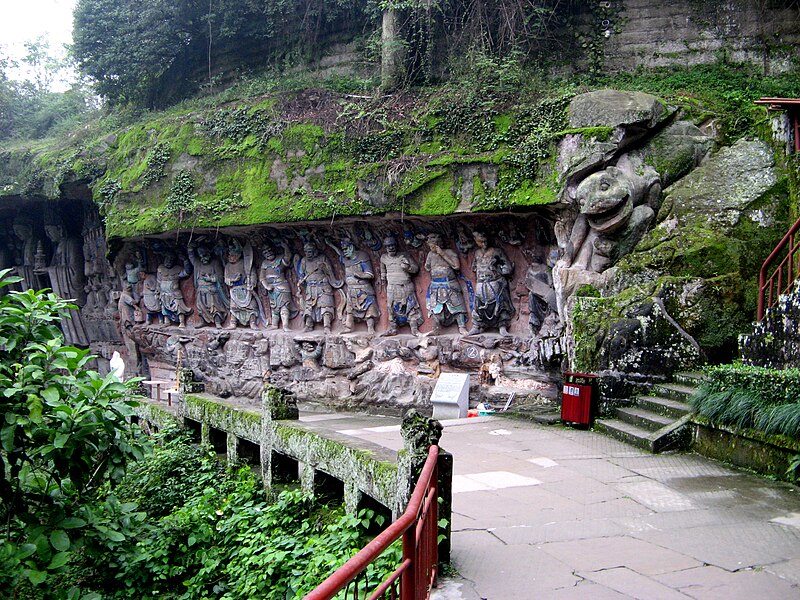
Dazu Rock Carvings
Chongqing Changjiang Bridge Double-line Bridge
Find Accommodations Nearby
Recommended Tours & Activities
Visitor Reviews
There are no reviews yet. Be the first one to write one.
Share Your Experience
Have you visited Three Natural Bridges? Help other travelers by leaving a review.