
The Nizam
About The Nizam
The Nizam is a well-regarded tourist attraction located in Hyderabad, India. With a rating of 4.2 out of 5, it stands out as one of the top-rated tourist attractions in the area.
Location
You can find The Nizam at Purani Haveli, Pathar Gatti, Hyderabad, Telangana 500002, India.
Visiting The Nizam
Located in Hyderabad, India, The Nizam is a tourist attraction that visitors to the area may find worth exploring.
Planning Your Visit
The tourist attraction is located at Purani Haveli, Pathar Gatti, Hyderabad, Telangana 500002, India. GPS coordinates: 17.365053, 78.482104. Check locally for current opening hours and any admission fees before visiting.
More Details
Updated April 5, 2026
The Nizam is a well-regarded tourist attraction located in Hyderabad, India. With a rating of 4.2 out of 5, it stands out as one of the top-rated tourist attractions in the area.
Table of Contents
- Location
- Visiting The Nizam
- Planning Your Visit
- Location
- Places to Stay Near The Nizam's Museum"Things in museum are worth to see"
- Find and Book a Tour
- Explore More Travel Guides
- Key Takeaways
- About The Nizam
- History and Significance
- What Makes It Special
- What to See and Do
- Main Attractions and Highlights
- Best Time to Visit
- Visitor Information
- Location and How to Get There
- Tips for Visitors
- Nearby Places You Might Like
- Traveler Reviews for The Nizam
- Share Your Experience
Location
You can find The Nizam at Purani Haveli, Pathar Gatti, Hyderabad, Telangana 500002, India.
Visiting The Nizam
Located in Hyderabad, India, The Nizam is a tourist attraction that visitors to the area may find worth exploring.
Planning Your Visit
The tourist attraction is located at Purani Haveli, Pathar Gatti, Hyderabad, Telangana 500002, India. GPS coordinates: 17.365053, 78.482104. Check locally for current opening hours and any admission fees before visiting.
Location
Places to Stay Near The Nizam's Museum"Things in museum are worth to see"
Find and Book a Tour
Explore More Travel Guides
No reviews found! Be the first to review!
The Nizam isn’t just some dusty footnote in Hyderabad’s past. The Nizams were the hereditary rulers of Hyderabad State from 1724 to 1948, and their dynasty transformed this region into one of the wealthiest princely states in all of India.
When you wander Hyderabad today, you’re basically walking through a city shaped by seven generations of these rulers. Their legacy is everywhere—palaces, museums, and architecture that still set the vibe.
What really grabs you about exploring Nizam heritage is the wild contrast between over-the-top royal splendor and the tangled, sometimes messy history. The last Nizam? He was once called the richest man alive. Yet it all ended with the Indian army rolling in during 1948.
If you’re sightseeing, you’ll find yourself gawking at grand palaces like Chowmahalla and museums packed with jewels that once cost more than small countries. It’s a feast for the camera—and for anyone curious about the politics and drama behind all that beauty.
Whether you join guided tours of former royal residences or just poke around on your own, understanding the Nizams helps the city click into place. Their obsession with arts, education, and infrastructure built up Hyderabad in ways you won’t see anywhere else in India.
Key Takeaways
-
The Nizams ruled Hyderabad from 1724 to 1948 and were among the wealthiest rulers in world history
-
You can visit multiple palaces, museums, and historic sites throughout Hyderabad that showcase their legacy
-
Guided tours and sightseeing opportunities offer insight into the dynasty’s impact on the city’s culture and architecture
About The Nizam
The Nizam ruled Hyderabad as one of India’s most powerful princely states from 1724 to 1948. Their legacy of wealth and cultural influence still shapes the city in ways you notice right away.
Honestly, wrapping your head around this dynasty helps explain why Hyderabad just feels different from other Indian cities.
History and Significance
The title “Nizam” comes from the Persian Nizam-ul-Mulk, which means “Administrator of the Realm.” Asaf Jah I kicked off the dynasty in 1724, right as the Mughal empire was falling apart. He grabbed control of the Deccan region and called it Hyderabad Deccan, though he technically never broke from the Mughals.
Seven Nizams ruled over two centuries. They were constantly fighting off threats, losing big battles to the Marathas at Palkhed, Bhopal, and Kharda.
By the late 1700s, the Nizams were paying taxes to the Marathas and eventually became British protégés in 1805.
The last Nizam, Mir Osman Ali Khan, ruled from 1911 to 1948. He was, by many accounts, the world’s richest man. His territory spanned 86,000 square miles and held 17 million people.
When India became independent in 1947, he wanted to keep Hyderabad independent too. That idea didn’t last—India launched Operation Polo in 1948 and Hyderabad was swiftly integrated.
What Makes It Special
The Nizam’s fortune mostly came from the Golconda diamond mines, which were legendary before South Africa’s mines took over. In 1937, the seventh Nizam’s wealth was pegged at about $2 billion (and that’s 1937 money!).
You still see their fingerprints all over Hyderabad. They built the railway system, brought in electricity, and constructed most of the major public buildings you’ll stumble across. Osmania University? That’s them too. Scientific education took a leap forward under their watch.
The Jewels of the Nizams, once on display at the Salar Jung Museum, now sit locked away in a Reserve Bank vault in Delhi.
Here’s a quirky detail: the Nizams clung to Mughal traditions right up to the end. Friday prayers were still held in Emperor Aurangzeb’s name until 1948—240 years after his death. All the Nizams except the last are buried at Makkah Masjid by Charminar.
What to See and Do
The Nizam legacy is alive in museums, palaces, and historical sites scattered across Hyderabad. You’ll run into everything from royal artifacts to jaw-dropping architecture—each with its own slice of the story.
Main Attractions and Highlights
The Nizam’s Museum (sometimes called Purani Haveli Museum or Silver Jubilee Museum) is a must. It’s inside the last Nizam’s old residence and displays all sorts of gifts and mementos from his 1937 silver jubilee bash.
Expect rare souvenirs, decorative artifacts, swords, paintings, and even architectural models collected over decades.
The museum opened to the public in 2000 and is less than a kilometer from the Salar Jung Museum. What makes it stand out? There’s something personal here—these aren’t just state treasures, but items Osman Ali Khan himself decided to keep.
Chowmahalla Palace is another peek into royal life. The palace lets you wander through vintage collections and preserved rooms, getting a feel for how the Nizams actually lived.
Many folks pair these sights with guided tours that help decode the local history. The stories you’ll hear add so much context to what you’re seeing.
Best Time to Visit
October through March is prime time for exploring—Hyderabad’s weather is actually bearable then. From April to June, it gets scorching, so museum visits are fine but palace walks can be brutal.
Weekday mornings are usually quieter than weekends, if you care about crowds. Always check for current timings and ticket prices, since they do change now and then.
The museums are kept up by trusts set up by the last Nizam, so the preservation is solid all year.
Visitor Information
The Nizam’s Museum is tucked inside Purani Haveli in Hyderabad’s Old City, and honestly, planning your visit takes a bit of effort. The museum’s open most days, but the hours can be oddly specific, and it’s easy to get lost on your first try.
Location and How to Get There
You’ll find the museum at Purani Haveli Palace in Darulshifa, Old City, Hyderabad. The spot throws off a lot of first-timers—Purani Haveli now houses a bunch of things, including a school.
There’s no giant signboard, just a small, blink-and-you-miss-it sign for the museum.
Most people just ask locals for directions once they hit the neighborhood. The haveli itself looks pretty worn from the outside, which surprises anyone expecting a gleaming tourist site.
Auto-rickshaws and taxis know where it is, but make sure you say “Nizam Museum at Purani Haveli” instead of just “Purani Haveli,” or you might end up at the wrong entrance.
It’s close to Charminar, right in the historic district, so you can easily pair it with other Old City sights. Just don’t expect a straight shot—there’s a bit of weaving through the complex, past other buildings, before you finally find the museum door.
Tips for Visitors
The Nizam Museum opens its doors at 10:00 am and shuts by 5:00 pm, Tuesday through Sunday. Fridays? Closed—so don’t show up and be disappointed.
Entry’s ₹125 for adults, and just ₹15 for kids. Planning to snap photos? That’ll be another ₹150 if you’re using a phone or still camera, or ₹500 for video.
Honestly, hiring a guide is worth it here. There are stories behind the sixth and seventh Nizams’ treasures you just won’t get from the placards.
It’s not a sprawling place. You can take your time and still cover everything in an hour or two, unless you’re the type who lingers over every detail.
If you’re picky about weather (and I am), October to February is your sweet spot. Hyderabad’s heat in summer can be brutal, and you don’t want to rush through just to escape the sun.
Don’t skip the 150-year-old hand-operated lift. It’s quirky, and honestly, how often do you see something like that still working? And the sixth Nizam’s 176-foot-long wardrobe—yes, really, 176 feet—is one of those things you have to see to believe.
Crowds? Usually light, except for weekends when local families tend to pop in. If you prefer quiet, try a weekday morning.
Traveler Reviews for The Nizam
There are no reviews yet. Be the first one to write one.
Have you visited The Nizam? Help other travelers by sharing your review.
You Might Also Like
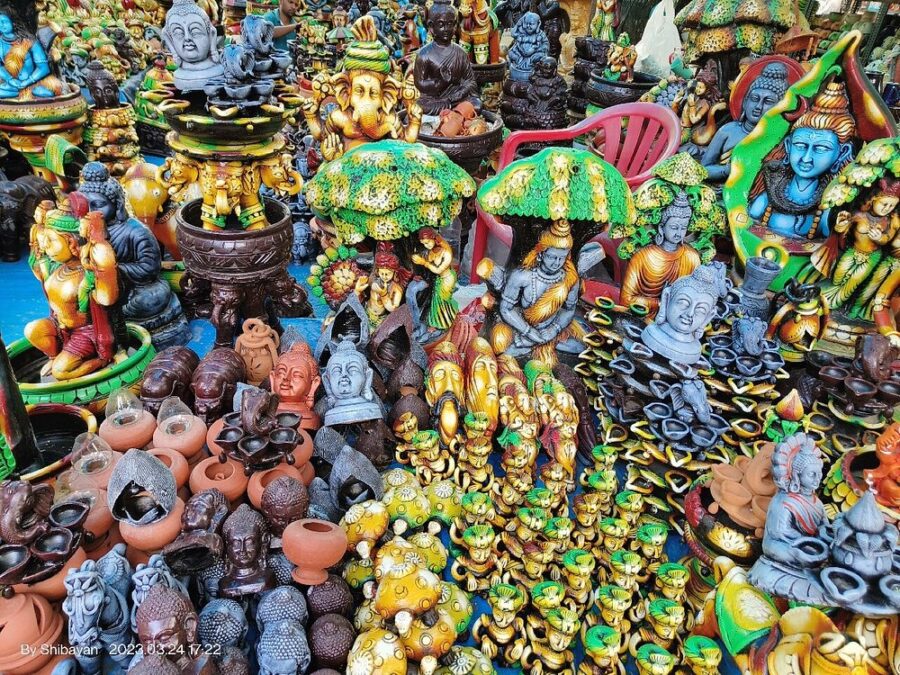
Shilparamam
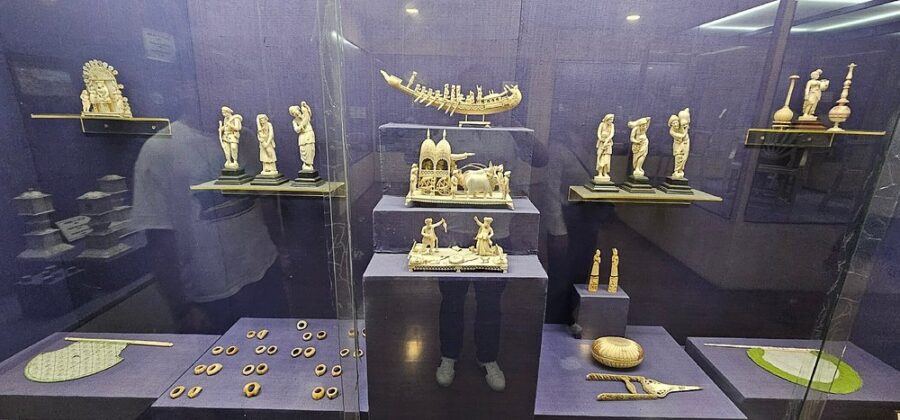
Salar Jung Museum
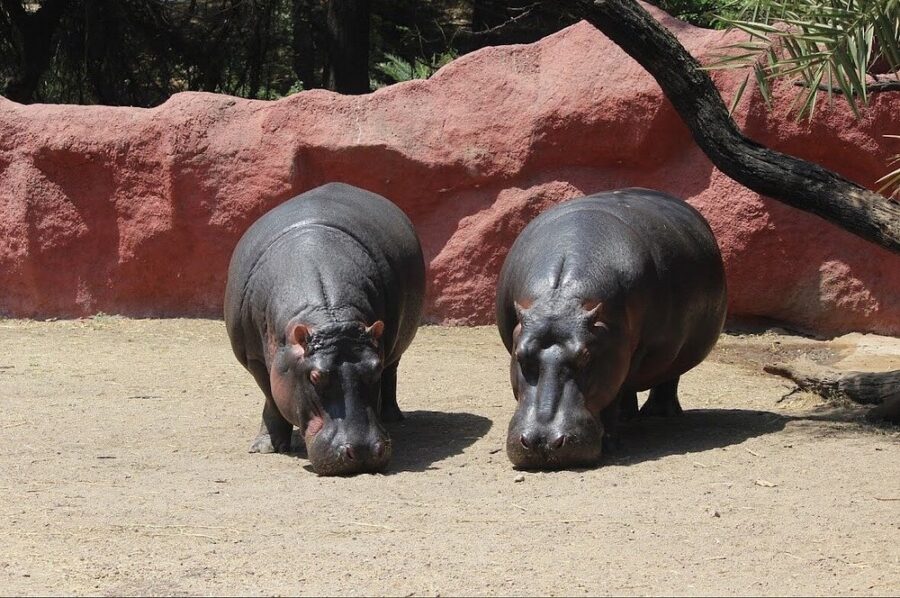
Nehru Zoological Park
Find Accommodations Nearby
Recommended Tours & Activities
Visitor Reviews
There are no reviews yet. Be the first one to write one.
Share Your Experience
Have you visited The Nizam? Help other travelers by leaving a review.