

The Grey & Simcoe Foresters Regimental Museum
About The Grey & Simcoe Foresters Regimental Museum
Description
The Grey & Simcoe Foresters Regimental Museum in Barrie, Ontario, is a compact but deeply engaging military museum that tells the story of a local infantry regiment with a long and proud lineage. Visitors will find a carefully curated collection of uniforms, medals, weaponry, photographs, and personal letters that together trace the unit’s service from 19th-century militia days through the major conflicts of the 20th and 21st centuries. The layout is intimate — rooms that feel like stepping into the past rather than halls that swallow you whole — and that intimacy is part of the charm.
The museum emphasizes personal stories as much as big-picture military history. Exhibits highlight individual soldiers, regimental traditions, and community ties; there are carved plaques and embroidered colours, wartime trench art, and service records that humanize events often rendered abstract in textbooks. This is a place for people who like detail: close-up looks at insignia, annotations beside photographs, and volunteer docents who can point out small but meaningful things that might otherwise be missed.
Accessibility is a clear priority here. The museum provides a wheelchair accessible entrance, designated accessible parking, and a wheelchair accessible restroom. Families will also appreciate that the space is good for kids — exhibits are presented at a human scale and there are tactile elements that younger visitors can examine. Practical note: there is no on-site restaurant, so plan snack or meal stops before or after the visit. But restrooms are available, which for many visitors is a relief and worth mentioning.
One rarely sees such a strong emotional throughline in a smaller regimental museum. The Grey & Simcoe Foresters Regimental Museum doesn’t try to be everything to everyone. Instead, it does one thing very well: it records and explains how a local regiment shaped and was shaped by global events. Military enthusiasts will linger; casual tourists often leave surprised at how moved they become. And because the place is run largely by passionate volunteers and former soldiers, the storytelling carries a warmth and a personal touch — sometimes a digression into local lore or a fond memory about a veteran who used to pop in for tea.
Key Features
- Extensive collection of uniforms and insignia spanning the regiment’s history
- Medal displays and detailed service records that spotlight individual soldiers
- Artifacts from major conflicts including WWI, WWII, Korea, and more recent deployments
- Volunteer-led exhibits with first-hand knowledge and often personal anecdotes
- Interactive, kid-friendly displays and tactile elements for family visitors
- Wheelchair accessible entrance, parking, and restroom facilities
- Small, easy-to-navigate galleries suitable for visitors who prefer shorter museum visits
- Educational materials and resources for those researching military genealogy or local history
- Quiet reflection spaces and wall-of-honour installations to pay respects
- No on-site restaurant — nearby eateries in downtown Barrie recommended for meals
Best Time to Visit
The best time to visit the Grey & Simcoe Foresters Regimental Museum depends partly on how the visitor likes to pair museum-going with other activities. Spring through early fall (May to October) is ideal if one wants to combine the museum with a stroll around downtown Barrie or a walk along the waterfront. The weather during these months makes exploring nearby streets and cafes pleasant before or after the museum visit.
Weekdays tend to be quieter, so for those who prefer a more contemplative experience and a docent to themselves, a mid-week afternoon is a sweet spot. Weekends can be livelier, especially when volunteer-run events, commemorations, or temporary exhibits are on — which can be very rewarding if one enjoys meeting locals and hearing fresh stories. Late November to early December carries its own appeal because of Remembrance Day commemorations; the museum often has displays or events tied to that season, though it can also be busier and more emotion-laden.
Visitors seeking a quieter experience should also consider the museum’s shorter opening hours and community-focused calendar. If a specific exhibit or research resource is needed, calling ahead or checking the museum’s schedule is wise. And, just between you and me — one of the best times is a weekday afternoon when light streams through the windows and the rooms feel almost like a private storytelling session. It’s oddly moving; people leave with a new appreciation for the ordinary lives behind the artefacts.
How to Get There
The Grey & Simcoe Foresters Regimental Museum is situated in central Barrie, making it straightforward to reach whether traveling by car or public transit. Most visitors driving in will find on-site or nearby parking with accessible spaces clearly marked; the museum’s wheelchair accessible parking lot is particularly convenient for those with mobility needs. For drivers, allow a little extra time for downtown traffic during weekday rush hours or special events.
Public transit options include Barrie local buses and regional transit services that connect the city with surrounding communities. If arriving by public transport, a short walk from the nearest stop brings visitors directly to the museum precinct. Those coming from further afield can use GO or regional bus connections to Barrie and then transfer to local transit. Taxis and ride-hailing services are plentiful in Barrie and drop-off points close to the museum make arrivals easy for visitors carrying strollers or mobility aids.
Bike-friendly visitors will find the downtown grid easy to navigate; there are bike racks nearby. For travelers who like to plan by landmarks, the museum’s downtown location puts it within walking distance of other cultural sites and civic institutions, which makes it a convenient stop on a broader Barrie day trip. Overall, getting there is not complicated — and if someone gets a bit lost (it happens all the time), locals are generally friendly and able to give directions without ceremony.
Tips for Visiting
Plan at least 60–90 minutes for a relaxed visit. The museum is compact but packed; rushing through results in missed details. For researchers or those wanting to delve into genealogy and service records, allocate more time and consider contacting the museum staff in advance to arrange access to archival materials.
Photography policies can vary by exhibit and by artifact. Many items can be photographed for personal use, but always ask a volunteer or staff member if there’s any doubt — especially with fragile documents or items on loan. Bringing a notepad is old-school but effective. People often forget that a quick sketch or jotting down a service number can be more useful than a blurry photo.
Because there’s no restaurant on-site, visitors should either bring a small snack or plan to eat at nearby cafes or restaurants. That said, some of the best conversations about exhibits happen over coffee after a visit — the museum’s proximity to downtown makes after-visit debriefs convenient. Also, bring comfortable shoes; the museum is small but you’ll stand and read quite a bit.
For families: the museum is good for kids, but if small children might get restless, consider a shorter visit or pair the museum stop with a play-friendly activity nearby. Interactive elements and tactile artifacts help keep younger visitors engaged, but ears of toddlers sometimes need a break.
Accessibility is a real strength here. The wheelchair accessible entrance, restroom, and parking make the museum welcoming for mobility-impaired visitors. Still, if specific accommodations are needed (a quiet space, a volunteer to assist with handling certain exhibits, etc.), a quick call or message to the museum ahead of time will usually result in a helpful response. Volunteers want to make visits meaningful.
Donations and memberships support the museum’s preservation work. The place operates with a lot of local passion, and even small contributions make a difference. If someone is moved by a story or artifact, consider leaving a note in the guestbook or chatting with the volunteers — they love hearing which exhibit resonated and often share stories that aren’t written on the wall.
Finally, temper expectations: this is not a colossal national museum with sweeping multimedia installations. It’s smaller, human-scaled, and that makes it lean toward authenticity rather than flash. Visitors who appreciate close, personal history and a connection to local stories will find the Grey & Simcoe Foresters Regimental Museum rewarding and memorable. And yes — one will probably leave thinking a little differently about the human cost and courage behind those medals and uniforms. That, more than anything, is what stays with many visitors.
Key Features
- Extensive collection of uniforms and insignia spanning the regiment’s history
- Medal displays and detailed service records that spotlight individual soldiers
- Artifacts from major conflicts including WWI, WWII, Korea, and more recent deployments
- Volunteer-led exhibits with first-hand knowledge and often personal anecdotes
- Interactive, kid-friendly displays and tactile elements for family visitors
- Wheelchair accessible entrance, parking, and restroom facilities
- Small, easy-to-navigate galleries suitable for visitors who prefer shorter museum visits
- Educational materials and resources for those researching military genealogy or local history
More Details
Updated August 30, 2025
Table of Contents
- Description
- Key Features
- Best Time to Visit
- How to Get There
- Tips for Visiting
- Key Highlights
- Location
- Places to Stay Near The Grey & Simcoe Foresters Regimental Museum
- Find and Book a Tour
- Explore More Travel Guides
- Nearby Places You Might Like
- Traveler Reviews for The Grey & Simcoe Foresters Regimental Museum
- Share Your Experience
Description
The Grey & Simcoe Foresters Regimental Museum in Barrie, Ontario, is a compact but deeply engaging military museum that tells the story of a local infantry regiment with a long and proud lineage. Visitors will find a carefully curated collection of uniforms, medals, weaponry, photographs, and personal letters that together trace the unit’s service from 19th-century militia days through the major conflicts of the 20th and 21st centuries. The layout is intimate — rooms that feel like stepping into the past rather than halls that swallow you whole — and that intimacy is part of the charm.
The museum emphasizes personal stories as much as big-picture military history. Exhibits highlight individual soldiers, regimental traditions, and community ties; there are carved plaques and embroidered colours, wartime trench art, and service records that humanize events often rendered abstract in textbooks. This is a place for people who like detail: close-up looks at insignia, annotations beside photographs, and volunteer docents who can point out small but meaningful things that might otherwise be missed.
Accessibility is a clear priority here. The museum provides a wheelchair accessible entrance, designated accessible parking, and a wheelchair accessible restroom. Families will also appreciate that the space is good for kids — exhibits are presented at a human scale and there are tactile elements that younger visitors can examine. Practical note: there is no on-site restaurant, so plan snack or meal stops before or after the visit. But restrooms are available, which for many visitors is a relief and worth mentioning.
One rarely sees such a strong emotional throughline in a smaller regimental museum. The Grey & Simcoe Foresters Regimental Museum doesn’t try to be everything to everyone. Instead, it does one thing very well: it records and explains how a local regiment shaped and was shaped by global events. Military enthusiasts will linger; casual tourists often leave surprised at how moved they become. And because the place is run largely by passionate volunteers and former soldiers, the storytelling carries a warmth and a personal touch — sometimes a digression into local lore or a fond memory about a veteran who used to pop in for tea.
Key Features
- Extensive collection of uniforms and insignia spanning the regiment’s history
- Medal displays and detailed service records that spotlight individual soldiers
- Artifacts from major conflicts including WWI, WWII, Korea, and more recent deployments
- Volunteer-led exhibits with first-hand knowledge and often personal anecdotes
- Interactive, kid-friendly displays and tactile elements for family visitors
- Wheelchair accessible entrance, parking, and restroom facilities
- Small, easy-to-navigate galleries suitable for visitors who prefer shorter museum visits
- Educational materials and resources for those researching military genealogy or local history
- Quiet reflection spaces and wall-of-honour installations to pay respects
- No on-site restaurant — nearby eateries in downtown Barrie recommended for meals
Best Time to Visit
The best time to visit the Grey & Simcoe Foresters Regimental Museum depends partly on how the visitor likes to pair museum-going with other activities. Spring through early fall (May to October) is ideal if one wants to combine the museum with a stroll around downtown Barrie or a walk along the waterfront. The weather during these months makes exploring nearby streets and cafes pleasant before or after the museum visit.
Weekdays tend to be quieter, so for those who prefer a more contemplative experience and a docent to themselves, a mid-week afternoon is a sweet spot. Weekends can be livelier, especially when volunteer-run events, commemorations, or temporary exhibits are on — which can be very rewarding if one enjoys meeting locals and hearing fresh stories. Late November to early December carries its own appeal because of Remembrance Day commemorations; the museum often has displays or events tied to that season, though it can also be busier and more emotion-laden.
Visitors seeking a quieter experience should also consider the museum’s shorter opening hours and community-focused calendar. If a specific exhibit or research resource is needed, calling ahead or checking the museum’s schedule is wise. And, just between you and me — one of the best times is a weekday afternoon when light streams through the windows and the rooms feel almost like a private storytelling session. It’s oddly moving; people leave with a new appreciation for the ordinary lives behind the artefacts.
How to Get There
The Grey & Simcoe Foresters Regimental Museum is situated in central Barrie, making it straightforward to reach whether traveling by car or public transit. Most visitors driving in will find on-site or nearby parking with accessible spaces clearly marked; the museum’s wheelchair accessible parking lot is particularly convenient for those with mobility needs. For drivers, allow a little extra time for downtown traffic during weekday rush hours or special events.
Public transit options include Barrie local buses and regional transit services that connect the city with surrounding communities. If arriving by public transport, a short walk from the nearest stop brings visitors directly to the museum precinct. Those coming from further afield can use GO or regional bus connections to Barrie and then transfer to local transit. Taxis and ride-hailing services are plentiful in Barrie and drop-off points close to the museum make arrivals easy for visitors carrying strollers or mobility aids.
Bike-friendly visitors will find the downtown grid easy to navigate; there are bike racks nearby. For travelers who like to plan by landmarks, the museum’s downtown location puts it within walking distance of other cultural sites and civic institutions, which makes it a convenient stop on a broader Barrie day trip. Overall, getting there is not complicated — and if someone gets a bit lost (it happens all the time), locals are generally friendly and able to give directions without ceremony.
Tips for Visiting
Plan at least 60–90 minutes for a relaxed visit. The museum is compact but packed; rushing through results in missed details. For researchers or those wanting to delve into genealogy and service records, allocate more time and consider contacting the museum staff in advance to arrange access to archival materials.
Photography policies can vary by exhibit and by artifact. Many items can be photographed for personal use, but always ask a volunteer or staff member if there’s any doubt — especially with fragile documents or items on loan. Bringing a notepad is old-school but effective. People often forget that a quick sketch or jotting down a service number can be more useful than a blurry photo.
Because there’s no restaurant on-site, visitors should either bring a small snack or plan to eat at nearby cafes or restaurants. That said, some of the best conversations about exhibits happen over coffee after a visit — the museum’s proximity to downtown makes after-visit debriefs convenient. Also, bring comfortable shoes; the museum is small but you’ll stand and read quite a bit.
For families: the museum is good for kids, but if small children might get restless, consider a shorter visit or pair the museum stop with a play-friendly activity nearby. Interactive elements and tactile artifacts help keep younger visitors engaged, but ears of toddlers sometimes need a break.
Accessibility is a real strength here. The wheelchair accessible entrance, restroom, and parking make the museum welcoming for mobility-impaired visitors. Still, if specific accommodations are needed (a quiet space, a volunteer to assist with handling certain exhibits, etc.), a quick call or message to the museum ahead of time will usually result in a helpful response. Volunteers want to make visits meaningful.
Donations and memberships support the museum’s preservation work. The place operates with a lot of local passion, and even small contributions make a difference. If someone is moved by a story or artifact, consider leaving a note in the guestbook or chatting with the volunteers — they love hearing which exhibit resonated and often share stories that aren’t written on the wall.
Finally, temper expectations: this is not a colossal national museum with sweeping multimedia installations. It’s smaller, human-scaled, and that makes it lean toward authenticity rather than flash. Visitors who appreciate close, personal history and a connection to local stories will find the Grey & Simcoe Foresters Regimental Museum rewarding and memorable. And yes — one will probably leave thinking a little differently about the human cost and courage behind those medals and uniforms. That, more than anything, is what stays with many visitors.
Key Highlights
- Extensive collection of uniforms and insignia spanning the regiment’s history
- Medal displays and detailed service records that spotlight individual soldiers
- Artifacts from major conflicts including WWI, WWII, Korea, and more recent deployments
- Volunteer-led exhibits with first-hand knowledge and often personal anecdotes
- Interactive, kid-friendly displays and tactile elements for family visitors
- Wheelchair accessible entrance, parking, and restroom facilities
- Small, easy-to-navigate galleries suitable for visitors who prefer shorter museum visits
- Educational materials and resources for those researching military genealogy or local history
Location
Places to Stay Near The Grey & Simcoe Foresters Regimental Museum
Find and Book a Tour
Explore More Travel Guides
No reviews found! Be the first to review!
Traveler Reviews for The Grey & Simcoe Foresters Regimental Museum
There are no reviews yet. Be the first one to write one.
Have you visited The Grey & Simcoe Foresters Regimental Museum? Help other travelers by sharing your review.
You Might Also Like

Centennial Beach
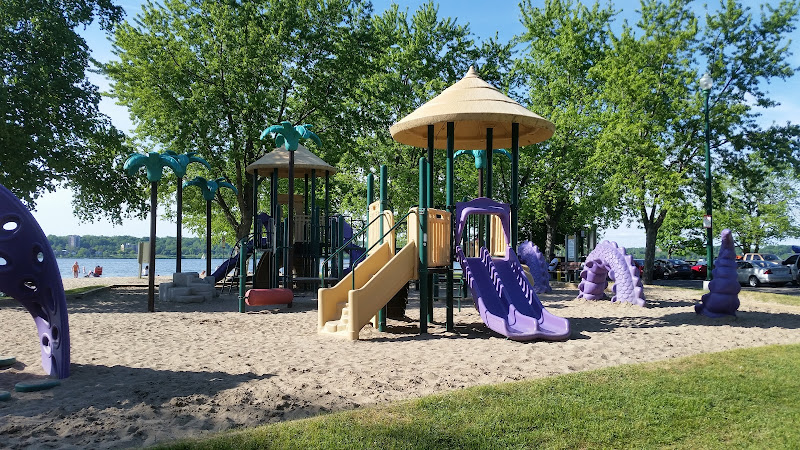
Minet's Point Park.

Bear Creek Eco Park
Find Accommodations Nearby
Recommended Tours & Activities
Visitor Reviews
There are no reviews yet. Be the first one to write one.
Share Your Experience
Have you visited The Grey & Simcoe Foresters Regimental Museum? Help other travelers by leaving a review.