About That Taiping Tree

Description

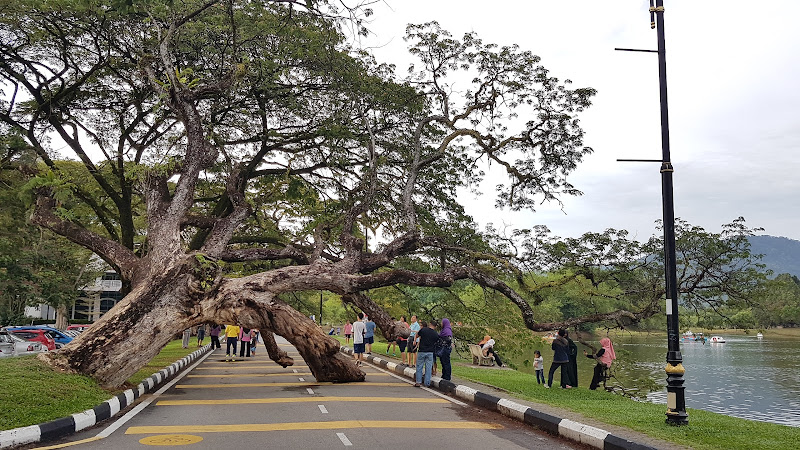
That Taiping Tree isn’t just a tree. It’s the tree. If you’ve ever scrolled past photos of Taiping Lake Gardens and paused because of a massive, umbrella-shaped canopy stretching dramatically over calm water, chances are, that’s the one. Locals just call it “the big rain tree,” but travelers know it as one of those places that quietly steals the show without trying too hard.

The tree sits right by the lake, its long, muscular branches reaching outward as if they’ve got somewhere important to be. And honestly, it feels alive in a way that’s hard to explain until you’re standing there, craning your neck up, wondering how something this old and wide hasn’t collapsed under its own ambition. Rain trees can live for hundreds of years, and this one wears its age proudly. Thick bark, sprawling limbs, and roots that look like they’ve been thinking about life for a long time.

I remember the first time I saw it, I thought, “Okay, it’s a tree… how impressive can it be?” Five minutes later, I was still there, walking back and forth just to see how far the branches stretched. It’s the kind of spot where you accidentally spend half an hour because the light keeps changing and suddenly the reflection on the lake looks different. And then different again.

What really makes That Taiping Tree special is how it interacts with its surroundings. The lake acts like a mirror on calm days, doubling the drama. Early morning mist sometimes hangs low, and the tree looks almost unreal, like it wandered in from a fantasy novel. By late afternoon, you’ll see families, joggers, and photographers all orbiting around it, each doing their own thing, not really bothering anyone else.

This is very much a traveler-friendly attraction, especially if you’re moving at a slower pace. No tickets. No gates. No one rushing you along. And yes, it’s good for kids. I’ve seen little ones trying to count how many people it would take to hug the trunk, while parents just sit back on the grass, grateful for the shade. It’s low effort, high reward, which is my favorite kind of travel stop these days.

Key Features

  • Massive rain tree with an exceptionally wide canopy stretching over the lake
  • Iconic photo spot, especially during sunrise and sunset
  • Natural shade that stays cool even on warm afternoons
  • Calm lakeside setting perfect for slow walks and quiet breaks
  • Safe and open area where children can roam without stress
  • Popular with local photographers, joggers, and picnicking families
  • Changes mood throughout the day depending on light and weather

Best Time to Visit

If you ask me, morning wins. Early morning. The kind where you might still be half-awake and clutching a coffee. That’s when That Taiping Tree feels most itself. The air is cooler, fewer people are around, and the lake is usually still enough to give you those glassy reflections photographers chase like treasure.

Sunrise brings soft light that slides across the branches instead of slamming into them. And if there’s been rain the night before (which, let’s be honest, happens a fair bit in Taiping), the leaves look freshly washed, deeper green, heavier. There’s also this quiet hum of birds starting their day, which somehow makes the whole place feel grounded.

Late afternoon is the other strong contender. Families come out, kids laugh, joggers pass by, and the tree becomes more social, more alive in a communal way. The sun drops low and casts long shadows across the grass. It’s warmer, yes, but manageable thanks to that enormous canopy doing what it does best.

Midday? You can still visit, but it’s brighter and flatter, visually speaking. If you’re sensitive to heat, aim for earlier or later. Weekdays are calmer than weekends, though weekends have their own charm if you enjoy people-watching. There’s no bad season, really. The tree doesn’t take days off.

How to Get There

Getting to That Taiping Tree is refreshingly simple, which feels like a small miracle when you’ve spent years navigating overcomplicated attractions. The tree is located within the broader Taiping Lake Gardens area, and once you’re there, you don’t need a map so much as a sense of curiosity. Follow the lake. Follow the people with cameras. You’ll know when you’ve arrived.

If you’re driving, parking is generally available nearby, and from there it’s an easy walk. And by easy, I mean flat paths, stroller-friendly, no surprise staircases. If you’re relying on public transport or ride-hailing services, just tell the driver you’re heading to the lake gardens. Locals know the spot well, even if they don’t all use the same name for the tree.

Walking or cycling around the gardens is part of the experience. Don’t rush straight to the tree and leave. Wander a bit. The moment you spot that giant canopy looming ahead, it’s actually more satisfying if you’ve “discovered” it rather than beelined directly.

Tips for Visiting

First tip: slow down. This isn’t a check-the-box attraction. Give yourself time to circle the tree, sit under it, and just be there. I’ve made the mistake before of thinking, “Ten minutes should do,” only to realize I felt oddly rushed and missed the point entirely.

Bring a mat or small towel if you’re planning to sit on the grass. The ground can be slightly damp, especially in the mornings. And yes, bugs exist. They’re polite enough, but a bit of repellent doesn’t hurt.

If you’re traveling with kids, let them explore. The open space is forgiving, and the tree sparks questions. Why is it so big? How old is it? Can trees sleep? You don’t need all the answers. Half the fun is wondering together.

Photography-wise, wide-angle lenses work best, but even a phone camera does surprisingly well. Try shooting from low angles to capture the scale. And don’t just focus on the tree itself. The reflections, the people beneath it, the birds perched on branches, all add layers to the story.

And here’s a slightly opinionated tip: don’t over-edit your photos. The tree already has enough drama. It doesn’t need heavy filters. Natural light, natural colors. Trust it.

Finally, respect the space. No climbing the branches, no carving initials into bark (yes, I’ve seen it happen elsewhere and it’s painful to watch). This tree has outlived generations. Treat it like something that deserves to keep going long after your visit ends.

That Taiping Tree isn’t flashy. It doesn’t shout for attention. But if you give it a little patience, it quietly gives a lot back. And honestly, those are the places I remember longest when I travel. Probably you will too.

Key Features

  • Massive rain tree with an exceptionally wide canopy stretching over the lake
  • Iconic photo spot, especially during sunrise and sunset
  • Natural shade that stays cool even on warm afternoons
  • Calm lakeside setting perfect for slow walks and quiet breaks
  • Safe and open area where children can roam without stress
  • Popular with local photographers, joggers, and picnicking families
  • Changes mood throughout the day depending on light and weather

More Details

Updated December 31, 2025

Description

That Taiping Tree isn’t just a tree. It’s the tree. If you’ve ever scrolled past photos of Taiping Lake Gardens and paused because of a massive, umbrella-shaped canopy stretching dramatically over calm water, chances are, that’s the one. Locals just call it “the big rain tree,” but travelers know it as one of those places that quietly steals the show without trying too hard.

The tree sits right by the lake, its long, muscular branches reaching outward as if they’ve got somewhere important to be. And honestly, it feels alive in a way that’s hard to explain until you’re standing there, craning your neck up, wondering how something this old and wide hasn’t collapsed under its own ambition. Rain trees can live for hundreds of years, and this one wears its age proudly. Thick bark, sprawling limbs, and roots that look like they’ve been thinking about life for a long time.

I remember the first time I saw it, I thought, “Okay, it’s a tree… how impressive can it be?” Five minutes later, I was still there, walking back and forth just to see how far the branches stretched. It’s the kind of spot where you accidentally spend half an hour because the light keeps changing and suddenly the reflection on the lake looks different. And then different again.

What really makes That Taiping Tree special is how it interacts with its surroundings. The lake acts like a mirror on calm days, doubling the drama. Early morning mist sometimes hangs low, and the tree looks almost unreal, like it wandered in from a fantasy novel. By late afternoon, you’ll see families, joggers, and photographers all orbiting around it, each doing their own thing, not really bothering anyone else.

This is very much a traveler-friendly attraction, especially if you’re moving at a slower pace. No tickets. No gates. No one rushing you along. And yes, it’s good for kids. I’ve seen little ones trying to count how many people it would take to hug the trunk, while parents just sit back on the grass, grateful for the shade. It’s low effort, high reward, which is my favorite kind of travel stop these days.

Key Features

  • Massive rain tree with an exceptionally wide canopy stretching over the lake
  • Iconic photo spot, especially during sunrise and sunset
  • Natural shade that stays cool even on warm afternoons
  • Calm lakeside setting perfect for slow walks and quiet breaks
  • Safe and open area where children can roam without stress
  • Popular with local photographers, joggers, and picnicking families
  • Changes mood throughout the day depending on light and weather

Best Time to Visit

If you ask me, morning wins. Early morning. The kind where you might still be half-awake and clutching a coffee. That’s when That Taiping Tree feels most itself. The air is cooler, fewer people are around, and the lake is usually still enough to give you those glassy reflections photographers chase like treasure.

Sunrise brings soft light that slides across the branches instead of slamming into them. And if there’s been rain the night before (which, let’s be honest, happens a fair bit in Taiping), the leaves look freshly washed, deeper green, heavier. There’s also this quiet hum of birds starting their day, which somehow makes the whole place feel grounded.

Late afternoon is the other strong contender. Families come out, kids laugh, joggers pass by, and the tree becomes more social, more alive in a communal way. The sun drops low and casts long shadows across the grass. It’s warmer, yes, but manageable thanks to that enormous canopy doing what it does best.

Midday? You can still visit, but it’s brighter and flatter, visually speaking. If you’re sensitive to heat, aim for earlier or later. Weekdays are calmer than weekends, though weekends have their own charm if you enjoy people-watching. There’s no bad season, really. The tree doesn’t take days off.

How to Get There

Getting to That Taiping Tree is refreshingly simple, which feels like a small miracle when you’ve spent years navigating overcomplicated attractions. The tree is located within the broader Taiping Lake Gardens area, and once you’re there, you don’t need a map so much as a sense of curiosity. Follow the lake. Follow the people with cameras. You’ll know when you’ve arrived.

If you’re driving, parking is generally available nearby, and from there it’s an easy walk. And by easy, I mean flat paths, stroller-friendly, no surprise staircases. If you’re relying on public transport or ride-hailing services, just tell the driver you’re heading to the lake gardens. Locals know the spot well, even if they don’t all use the same name for the tree.

Walking or cycling around the gardens is part of the experience. Don’t rush straight to the tree and leave. Wander a bit. The moment you spot that giant canopy looming ahead, it’s actually more satisfying if you’ve “discovered” it rather than beelined directly.

Tips for Visiting

First tip: slow down. This isn’t a check-the-box attraction. Give yourself time to circle the tree, sit under it, and just be there. I’ve made the mistake before of thinking, “Ten minutes should do,” only to realize I felt oddly rushed and missed the point entirely.

Bring a mat or small towel if you’re planning to sit on the grass. The ground can be slightly damp, especially in the mornings. And yes, bugs exist. They’re polite enough, but a bit of repellent doesn’t hurt.

If you’re traveling with kids, let them explore. The open space is forgiving, and the tree sparks questions. Why is it so big? How old is it? Can trees sleep? You don’t need all the answers. Half the fun is wondering together.

Photography-wise, wide-angle lenses work best, but even a phone camera does surprisingly well. Try shooting from low angles to capture the scale. And don’t just focus on the tree itself. The reflections, the people beneath it, the birds perched on branches, all add layers to the story.

And here’s a slightly opinionated tip: don’t over-edit your photos. The tree already has enough drama. It doesn’t need heavy filters. Natural light, natural colors. Trust it.

Finally, respect the space. No climbing the branches, no carving initials into bark (yes, I’ve seen it happen elsewhere and it’s painful to watch). This tree has outlived generations. Treat it like something that deserves to keep going long after your visit ends.

That Taiping Tree isn’t flashy. It doesn’t shout for attention. But if you give it a little patience, it quietly gives a lot back. And honestly, those are the places I remember longest when I travel. Probably you will too.

Key Highlights

  • Massive rain tree with an exceptionally wide canopy stretching over the lake
  • Iconic photo spot, especially during sunrise and sunset
  • Natural shade that stays cool even on warm afternoons
  • Calm lakeside setting perfect for slow walks and quiet breaks
  • Safe and open area where children can roam without stress
  • Popular with local photographers, joggers, and picnicking families
  • Changes mood throughout the day depending on light and weather

Location

Places to Stay Near That Taiping Tree

Find and Book a Tour

Explore More Travel Guides

No reviews found! Be the first to review!

Traveler Reviews for That Taiping Tree

There are no reviews yet. Be the first one to write one.

Share Your Experience

Have you visited That Taiping Tree? Help other travelers by sharing your review.

Find Accommodations Nearby

Recommended Tours & Activities

Visitor Reviews

There are no reviews yet. Be the first one to write one.

Share Your Experience

Have you visited That Taiping Tree? Help other travelers by leaving a review.