
Tanuf
About Tanuf
Description
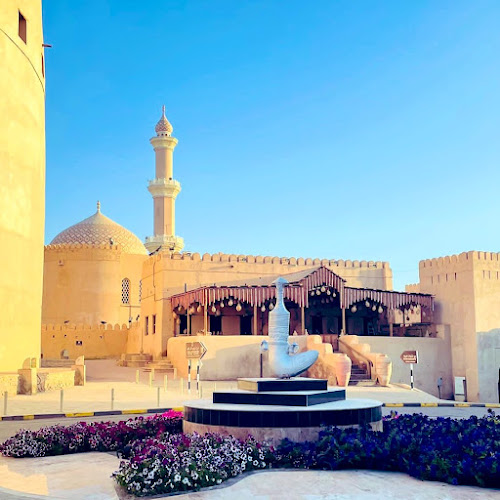
Tanuf is the sort of place that demands your attention—not with loud colors or over-the-top attractions, but with an atmosphere that’s both rugged and quietly haunting. You know those spots where time seems to pause, letting you catch your breath and your thoughts wander a bit? That’s Tanuf. Located between Nizwa and Bahla in Oman (two pretty historical heavyweights themselves), Tanuf is famous—some would say infamous—for its ruined village and an old fort, battered by twentieth-century conflict and the greater tides of Omani history.
Honestly, I wasn’t quite prepared for the mix of eerie silence and unexpected beauty here the first time I rolled up. Let me warn you: If you’re on the hunt for state-of-the-art cafes or curated photo backdrops, Tanuf is a world apart from that. What you’ll find are crumbling mud-brick homes, narrow winding alleys now half-claimed by wild flowers, and shards of Omani heritage clinging on despite—well—almost everything.
But the ruins aren’t all. Down in the wadis, Tanuf still keeps a secret: lush stretches of palm, the soft burbling of water channels (falaj!), and trails best discovered with a pair of sturdy shoes and a sense of adventure intact. It’s the kind of spot that draws history buffs, nature lovers, and photographers with a taste for the authentic and untamed.
Key Features
- Ancient Ruins: Roam through what remains of the old Tanuf village, with its mud-brick walls and traditional Omani architectural touches. Each ruined house seems to hide stories of families long gone and days long passed.
- Tanuf Fort: This battered old fort comes with more history than you can really absorb in an afternoon. Badly damaged during the Jebel Akhdar War in the 1950s, it’s a worn but evocative reminder of Oman's not-so-distant past.
- Wadi Tanuf: Just a quick walk (or a scramble if you're as clumsy as I am) from the ruins, Wadi Tanuf is a revelation. Crystal-clear pools and a lush oasis—yes, it's a literal cool-down spot on those fiery desert afternoons.
- Falaj Irrigation System: This ingenious network, snaking through parts of the ruins and greenery, still works in places. If you’re like me and love poking around the practical ingenuity of ancient peoples, you’re in for a treat.
- Photographic Hotspot: Late afternoon, as the sun dips, shadows play across the stones and palm groves—a photographer’s dream. I once stood ankle-deep in wadi water, camera wavering, just stunned by the light here.
- Local Water Bottling Factory: Okay, it’s not ancient, but Tanuf's spring is also the source for a major Omani bottled water brand, so sip from the springs and know you’re basically drinking the bottled stuff before anyone gets their hands on it.
- Birdwatching: Believe it or not, this ruined landscape draws a surprising number of birds. Pack your binoculars if that’s your thing, or just enjoy the occasional feathered visitor hopping around.
Best Time to Visit
Here’s the hard-learned truth: Omani summers are not for the faint of heart (or the unprepared traveler). If you’re planning your trip to Tanuf, I can’t recommend the cooler months—October through March—enough. Temperatures are way friendlier (think low 20s, even high teens in the evenings) and you’ll get a much better shot at exploring the ruins, wandering the wadi, or simply lounging under palms.
The air feels fresh, and there’s often a breeze winding through the valley—I remember shivering lightly one December, which surprised the socks off this desert-dwelling expat. The greenery around the wadi pops up in spring, too, especially after rain. Sometimes wildflowers sprawl all over the edges of the ruined houses, making for those postcard-perfect photos you just can’t fake.
Avoid the deepest summer (May through August) unless you thrive in dry heat, or your idea of adventure involves sweat and sunburn layered on thick. Local holidays can also be a fun time if you'd like to catch a glimpse of how Omani families picnic and relax—though expect a bit more bustle and less serenity.
How to Get There
If you’ve got your own wheels, Tanuf is delightfully straightforward to reach by Omani standards—no white-knuckle mountain passes required! It’s sprawled along the road between Nizwa and Bahla, just under 20 km from central Nizwa. I’ve always driven it, and it's a quick half-hour cruise. The scenery along the way isn’t anything to dismiss, with rough limestone hills rolling by and a few random camels (I once had to tap the brakes for a stubborn old bull ambling across the tarmac).
For travelers who prefer not to drive, taxis or private transfers from Nizwa are your next best bet. Sadly, there’s no reliable public bus service stopping right in Tanuf, though you could take a bus toward Bahla and ask politely to hop off near the turnoff (if your Arabic is up to par, that is).
Oh, and for the GPS crowd: Yes, phone signals almost never drop here, but don’t be surprised if your Google Maps has you zig-zagging through date palms at the end. The signage isn’t exactly Times Square, but asking locals for Tanuf ruins will usually get you pointed in the right direction.
Parking's easy, right near the ruins—just look out for potholes and the occasional stray goat. I once returned to my car to find a bemused camel investigating my rearview mirror.
Tips for Visiting
- Bring sturdy shoes: The ruins and surrounding wadi are full of loose stones and sand. Flip-flops? Rookie mistake. Trust me, you’ll want some grip when clambering over broken walls or hopping between rocks by the water.
- Pack water and snacks: There are barebones facilities here, and in typical Omani style, nothing is open all the time. I usually throw a few bottles of Tanuf water in my bag (fitting, right?) and some dates for instant energy.
- Start early or go late: Late afternoon is magical for photos as the sun softens and the stones glow, but if you want to beat the crowds (or the sun), get here just after sunrise.
- Respect the site: This isn’t just a backdrop for cool selfies; locals see Tanuf as a place with real emotional weight. Walk carefully, don’t climb on the most fragile walls, and take out what you bring in. I once helped an Omani grandma collect a bag of litter—a potent reminder that a little respect goes a long way.
- Explore the wadi safely: Never head into the wadi if there’s rain anywhere nearby. Flash floods here move fast and unforgiving. Always check the weather forecast, and when in doubt, stay on higher ground.
- Photography: Bring a wide lens for capturing the ruins and palms, and don’t be shy about snapping unique portraits. There’s something about the crumbling mud brick and dappled sunlight that brings out the storyteller in every photographer.
- Combine with other sights: Since you’re in the area, make a day of it: Nizwa’s bustling souq, Bahla Fort, and the bat cave (no, really!). Tanuf is a perfect slice of Omani history to anchor your adventure.
- Dressing thoughtfully: Tanuf is rural and Omani culture’s pretty conservative. Shoulders, knees, and a hat to block that fierce sun never go amiss.
- Set your expectations: Don’t come looking for luxury, wi-fi, or even well-marked restrooms. What you get instead is peace, local flavor, and the kind of quiet that’s increasingly rare in our hyperconnected world.
Tanuf is not a tourist trap—it’s a piece of Oman’s soul, a stage where you feel the pulse of history and the gentle insistence of nature. It’s a stop for travelers, not just tourists. Besides, anyone can check off a big-name destination, but it’s these half-forgotten gems that wind up as the highlight of your travel stories. If you’ve got the time and curiosity, let Tanuf surprise you.
Key Features
- Birdwatching: Believe it or not, this ruined landscape draws a surprising number of birds. Pack your binoculars if that’s your thing, or just enjoy the occasional feathered visitor hopping around.
More Details
Updated June 12, 2025
Table of Contents
Description
Tanuf is the sort of place that demands your attention—not with loud colors or over-the-top attractions, but with an atmosphere that’s both rugged and quietly haunting. You know those spots where time seems to pause, letting you catch your breath and your thoughts wander a bit? That’s Tanuf. Located between Nizwa and Bahla in Oman (two pretty historical heavyweights themselves), Tanuf is famous—some would say infamous—for its ruined village and an old fort, battered by twentieth-century conflict and the greater tides of Omani history.
Honestly, I wasn’t quite prepared for the mix of eerie silence and unexpected beauty here the first time I rolled up. Let me warn you: If you’re on the hunt for state-of-the-art cafes or curated photo backdrops, Tanuf is a world apart from that. What you’ll find are crumbling mud-brick homes, narrow winding alleys now half-claimed by wild flowers, and shards of Omani heritage clinging on despite—well—almost everything.
But the ruins aren’t all. Down in the wadis, Tanuf still keeps a secret: lush stretches of palm, the soft burbling of water channels (falaj!), and trails best discovered with a pair of sturdy shoes and a sense of adventure intact. It’s the kind of spot that draws history buffs, nature lovers, and photographers with a taste for the authentic and untamed.
Key Features
- Ancient Ruins: Roam through what remains of the old Tanuf village, with its mud-brick walls and traditional Omani architectural touches. Each ruined house seems to hide stories of families long gone and days long passed.
- Tanuf Fort: This battered old fort comes with more history than you can really absorb in an afternoon. Badly damaged during the Jebel Akhdar War in the 1950s, it’s a worn but evocative reminder of Oman’s not-so-distant past.
- Wadi Tanuf: Just a quick walk (or a scramble if you’re as clumsy as I am) from the ruins, Wadi Tanuf is a revelation. Crystal-clear pools and a lush oasis—yes, it’s a literal cool-down spot on those fiery desert afternoons.
- Falaj Irrigation System: This ingenious network, snaking through parts of the ruins and greenery, still works in places. If you’re like me and love poking around the practical ingenuity of ancient peoples, you’re in for a treat.
- Photographic Hotspot: Late afternoon, as the sun dips, shadows play across the stones and palm groves—a photographer’s dream. I once stood ankle-deep in wadi water, camera wavering, just stunned by the light here.
- Local Water Bottling Factory: Okay, it’s not ancient, but Tanuf’s spring is also the source for a major Omani bottled water brand, so sip from the springs and know you’re basically drinking the bottled stuff before anyone gets their hands on it.
- Birdwatching: Believe it or not, this ruined landscape draws a surprising number of birds. Pack your binoculars if that’s your thing, or just enjoy the occasional feathered visitor hopping around.
Best Time to Visit
Here’s the hard-learned truth: Omani summers are not for the faint of heart (or the unprepared traveler). If you’re planning your trip to Tanuf, I can’t recommend the cooler months—October through March—enough. Temperatures are way friendlier (think low 20s, even high teens in the evenings) and you’ll get a much better shot at exploring the ruins, wandering the wadi, or simply lounging under palms.
The air feels fresh, and there’s often a breeze winding through the valley—I remember shivering lightly one December, which surprised the socks off this desert-dwelling expat. The greenery around the wadi pops up in spring, too, especially after rain. Sometimes wildflowers sprawl all over the edges of the ruined houses, making for those postcard-perfect photos you just can’t fake.
Avoid the deepest summer (May through August) unless you thrive in dry heat, or your idea of adventure involves sweat and sunburn layered on thick. Local holidays can also be a fun time if you’d like to catch a glimpse of how Omani families picnic and relax—though expect a bit more bustle and less serenity.
How to Get There
If you’ve got your own wheels, Tanuf is delightfully straightforward to reach by Omani standards—no white-knuckle mountain passes required! It’s sprawled along the road between Nizwa and Bahla, just under 20 km from central Nizwa. I’ve always driven it, and it’s a quick half-hour cruise. The scenery along the way isn’t anything to dismiss, with rough limestone hills rolling by and a few random camels (I once had to tap the brakes for a stubborn old bull ambling across the tarmac).
For travelers who prefer not to drive, taxis or private transfers from Nizwa are your next best bet. Sadly, there’s no reliable public bus service stopping right in Tanuf, though you could take a bus toward Bahla and ask politely to hop off near the turnoff (if your Arabic is up to par, that is).
Oh, and for the GPS crowd: Yes, phone signals almost never drop here, but don’t be surprised if your Google Maps has you zig-zagging through date palms at the end. The signage isn’t exactly Times Square, but asking locals for Tanuf ruins will usually get you pointed in the right direction.
Parking’s easy, right near the ruins—just look out for potholes and the occasional stray goat. I once returned to my car to find a bemused camel investigating my rearview mirror.
Tips for Visiting
- Bring sturdy shoes: The ruins and surrounding wadi are full of loose stones and sand. Flip-flops? Rookie mistake. Trust me, you’ll want some grip when clambering over broken walls or hopping between rocks by the water.
- Pack water and snacks: There are barebones facilities here, and in typical Omani style, nothing is open all the time. I usually throw a few bottles of Tanuf water in my bag (fitting, right?) and some dates for instant energy.
- Start early or go late: Late afternoon is magical for photos as the sun softens and the stones glow, but if you want to beat the crowds (or the sun), get here just after sunrise.
- Respect the site: This isn’t just a backdrop for cool selfies; locals see Tanuf as a place with real emotional weight. Walk carefully, don’t climb on the most fragile walls, and take out what you bring in. I once helped an Omani grandma collect a bag of litter—a potent reminder that a little respect goes a long way.
- Explore the wadi safely: Never head into the wadi if there’s rain anywhere nearby. Flash floods here move fast and unforgiving. Always check the weather forecast, and when in doubt, stay on higher ground.
- Photography: Bring a wide lens for capturing the ruins and palms, and don’t be shy about snapping unique portraits. There’s something about the crumbling mud brick and dappled sunlight that brings out the storyteller in every photographer.
- Combine with other sights: Since you’re in the area, make a day of it: Nizwa’s bustling souq, Bahla Fort, and the bat cave (no, really!). Tanuf is a perfect slice of Omani history to anchor your adventure.
- Dressing thoughtfully: Tanuf is rural and Omani culture’s pretty conservative. Shoulders, knees, and a hat to block that fierce sun never go amiss.
- Set your expectations: Don’t come looking for luxury, wi-fi, or even well-marked restrooms. What you get instead is peace, local flavor, and the kind of quiet that’s increasingly rare in our hyperconnected world.
Tanuf is not a tourist trap—it’s a piece of Oman’s soul, a stage where you feel the pulse of history and the gentle insistence of nature. It’s a stop for travelers, not just tourists. Besides, anyone can check off a big-name destination, but it’s these half-forgotten gems that wind up as the highlight of your travel stories. If you’ve got the time and curiosity, let Tanuf surprise you.
Key Highlights
- Birdwatching: Believe it or not, this ruined landscape draws a surprising number of birds. Pack your binoculars if that’s your thing, or just enjoy the occasional feathered visitor hopping around.
Location
Places to Stay Near Tanuf
Find and Book a Tour
Explore More Travel Guides
No reviews found! Be the first to review!
Traveler Reviews for Tanuf
There are no reviews yet. Be the first one to write one.
Have you visited Tanuf? Help other travelers by sharing your review.
You Might Also Like

Nizwa Gate

Nizwa Grand Mall

Gateway of the Past Museum
Find Accommodations Nearby
Recommended Tours & Activities
Visitor Reviews
There are no reviews yet. Be the first one to write one.
Share Your Experience
Have you visited Tanuf? Help other travelers by leaving a review.