
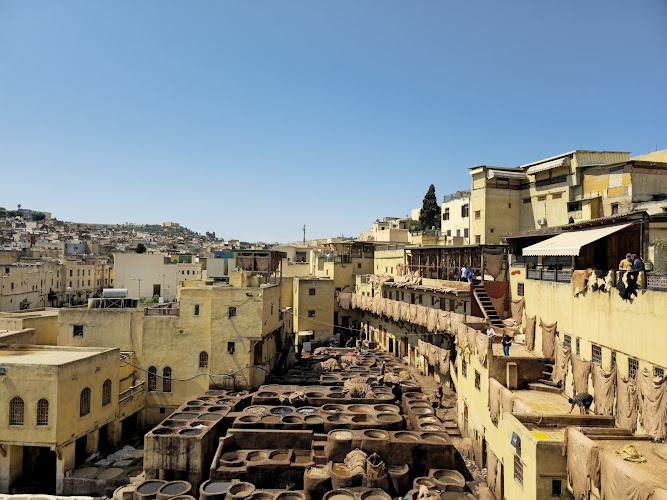
Tannery Sidi Moussa
About Tannery Sidi Moussa
Description
The Tannery Sidi Moussa, sometimes called the Guerniz Tannery, sits deep in the old medina of Fes, Morocco — that maze of narrow lanes where the scent of history mingles with spices, leather, and life itself. It’s one of those places that feels almost frozen in time, where tradition isn’t just remembered but lived every single day. Walking into the tannery for the first time feels a bit like stepping into a living painting — the earthy tones of hides soaking in stone vats, the rhythmic clatter of workers handling leather, and the unmistakable aroma that tells you this is no ordinary tourist stop.
This tannery is smaller and less crowded than its famous cousin, Chouara, but that’s part of its charm. It offers a quieter, more intimate look at leather-making — a craft that’s been perfected here for centuries. You can actually see how animal hides are transformed into soft, colorful leather using natural ingredients like pigeon droppings and plant-based dyes. (Yes, pigeon droppings — it sounds odd, but that’s what gives Moroccan leather its softness!)
I remember the first time I wandered in — a local guide waved me over from a nearby rooftop, handed me a sprig of mint (trust me, you’ll want it for the smell), and started explaining the process below. The workers moved with a kind of practiced rhythm, almost like a dance. It’s hard not to feel respect for the sheer skill and patience that goes into every piece of leather that leaves this place.
Of course, not everyone finds the tannery experience pleasant — the smell alone can be overwhelming for some, and the conditions are rough, even by traditional standards. But that’s also what makes it authentic. It’s a glimpse into a centuries-old trade that still beats at the heart of Fes. For travelers who crave real, unfiltered culture, Tannery Sidi Moussa delivers exactly that.
Key Features
- Historic leather tannery dating back several centuries, still operating with traditional methods.
- Located in the Guerniz neighborhood of Fes el-Bali, near major landmarks like the Zawiya of Moulay Idris II.
- Smaller and less commercialized than Chouara Tannery, offering a more personal experience.
- Visitors can watch artisans at work from nearby terraces or guided viewpoints.
- Uses natural dyes and organic materials for leather treatment, preserving eco-friendly traditions.
- Handcrafted leather goods available for purchase directly from local artisans.
- Offers a deep cultural insight into Morocco’s artisanal heritage and daily life in the medina.
Best Time to Visit
If you ask me, the best time to head to Sidi Moussa Tannery is in the morning, before the heat of the day settles over the medina. Around 9 or 10 a.m., the light is soft enough to catch the colors of the dye vats just right — earthy browns, ochres, and reds that seem to glow under the Moroccan sun. Plus, mornings are when the workers are most active, and you’ll get to see the full process in motion.
Season-wise, spring (March to May) and autumn (September to November) are ideal. The weather in Fes during these months is mild and pleasant, perfect for wandering through the medina without feeling like you’re melting. Summer can be brutally hot, and the tannery’s smell becomes… let’s just say, more “intense.” Winter, on the other hand, brings a quieter, moodier vibe — fewer tourists, cooler air, and a different kind of charm if you don’t mind layering up.
I once visited in late October, and it was just perfect. The air had that crisp edge, the crowds were thin, and the tannery workers were in full swing. It felt like I had the whole place to myself, which is rare in Fes.
How to Get There
Getting to Tannery Sidi Moussa is part of the adventure — and sometimes, the challenge. The medina of Fes isn’t designed for cars, so you’ll be walking through winding alleys that look like they haven’t changed in centuries. The tannery is tucked away in the Guerniz neighborhood, not far from the Zawiya of Moulay Idris II and the Nejjarine Museum.
If you’re staying in the medina, it’s best to ask your riad host or a local guide to point you in the right direction. The alleys can be confusing, and while some locals will offer to “show you the way,” they often expect a small tip for their trouble — a perfectly normal part of the Fes experience.
For those coming from outside the medina, taxis can drop you at one of the main gates, like Bab Boujloud or Bab Rcif. From there, you’ll walk — maybe 10 to 20 minutes depending on your pace and how often you stop to take photos (and believe me, you’ll stop a lot). The tannery isn’t always clearly marked, but once you catch that unmistakable scent of curing leather, you’ll know you’re close.
Tips for Visiting
Visiting Tannery Sidi Moussa is more than just a sightseeing stop — it’s a sensory experience, and a few simple tips can make it a lot more enjoyable. First, do yourself a favor and bring a sprig of mint or a scarf to hold near your nose. The smell is strong, especially in warm weather, and locals have been using mint for generations to make it bearable.
Wear comfortable shoes — the medina streets are uneven and often slippery from the tannery’s runoff. Also, don’t wear your favorite white sneakers; the dyes and puddles can leave a mark you won’t forget.
When it comes to photos, be respectful. The workers are incredibly skilled, but they’re also doing tough, physical labor. Always ask before taking close-up shots, and if someone offers to pose for you, a small tip is appreciated.
If you plan to buy leather goods — and you probably will — take your time to browse. The shops around the tannery sell everything from soft slippers and bags to intricately tooled belts. Bargaining is part of the fun, but do it with a smile and a sense of humor. The artisans take pride in their work, and a fair exchange makes everyone happy.
One last thing: don’t rush. The tannery isn’t just a quick photo stop; it’s a chance to slow down, watch the process, and understand why Moroccan leather is so famous worldwide. Standing there, watching centuries-old techniques unfold before your eyes, you realize that places like Sidi Moussa are what keep the soul of Fes alive.
So, take a deep breath (mint in hand), soak in the colors, the sounds, the stories — and let yourself be part of a tradition that’s been thriving for hundreds of years. It’s messy, it’s raw, it’s real — and that’s exactly what makes it unforgettable.
Key Features
- Historic leather tannery dating back several centuries, still operating with traditional methods.
- Located in the Guerniz neighborhood of Fes el-Bali, near major landmarks like the Zawiya of Moulay Idris II.
- Smaller and less commercialized than Chouara Tannery, offering a more personal experience.
- Visitors can watch artisans at work from nearby terraces or guided viewpoints.
- Uses natural dyes and organic materials for leather treatment, preserving eco-friendly traditions.
- Handcrafted leather goods available for purchase directly from local artisans.
- Offers a deep cultural insight into Morocco’s artisanal heritage and daily life in the medina.
More Details
Updated October 11, 2025
Table of Contents
Description
The Tannery Sidi Moussa, sometimes called the Guerniz Tannery, sits deep in the old medina of Fes, Morocco — that maze of narrow lanes where the scent of history mingles with spices, leather, and life itself. It’s one of those places that feels almost frozen in time, where tradition isn’t just remembered but lived every single day. Walking into the tannery for the first time feels a bit like stepping into a living painting — the earthy tones of hides soaking in stone vats, the rhythmic clatter of workers handling leather, and the unmistakable aroma that tells you this is no ordinary tourist stop.
This tannery is smaller and less crowded than its famous cousin, Chouara, but that’s part of its charm. It offers a quieter, more intimate look at leather-making — a craft that’s been perfected here for centuries. You can actually see how animal hides are transformed into soft, colorful leather using natural ingredients like pigeon droppings and plant-based dyes. (Yes, pigeon droppings — it sounds odd, but that’s what gives Moroccan leather its softness!)
I remember the first time I wandered in — a local guide waved me over from a nearby rooftop, handed me a sprig of mint (trust me, you’ll want it for the smell), and started explaining the process below. The workers moved with a kind of practiced rhythm, almost like a dance. It’s hard not to feel respect for the sheer skill and patience that goes into every piece of leather that leaves this place.
Of course, not everyone finds the tannery experience pleasant — the smell alone can be overwhelming for some, and the conditions are rough, even by traditional standards. But that’s also what makes it authentic. It’s a glimpse into a centuries-old trade that still beats at the heart of Fes. For travelers who crave real, unfiltered culture, Tannery Sidi Moussa delivers exactly that.
Key Features
- Historic leather tannery dating back several centuries, still operating with traditional methods.
- Located in the Guerniz neighborhood of Fes el-Bali, near major landmarks like the Zawiya of Moulay Idris II.
- Smaller and less commercialized than Chouara Tannery, offering a more personal experience.
- Visitors can watch artisans at work from nearby terraces or guided viewpoints.
- Uses natural dyes and organic materials for leather treatment, preserving eco-friendly traditions.
- Handcrafted leather goods available for purchase directly from local artisans.
- Offers a deep cultural insight into Morocco’s artisanal heritage and daily life in the medina.
Best Time to Visit
If you ask me, the best time to head to Sidi Moussa Tannery is in the morning, before the heat of the day settles over the medina. Around 9 or 10 a.m., the light is soft enough to catch the colors of the dye vats just right — earthy browns, ochres, and reds that seem to glow under the Moroccan sun. Plus, mornings are when the workers are most active, and you’ll get to see the full process in motion.
Season-wise, spring (March to May) and autumn (September to November) are ideal. The weather in Fes during these months is mild and pleasant, perfect for wandering through the medina without feeling like you’re melting. Summer can be brutally hot, and the tannery’s smell becomes… let’s just say, more “intense.” Winter, on the other hand, brings a quieter, moodier vibe — fewer tourists, cooler air, and a different kind of charm if you don’t mind layering up.
I once visited in late October, and it was just perfect. The air had that crisp edge, the crowds were thin, and the tannery workers were in full swing. It felt like I had the whole place to myself, which is rare in Fes.
How to Get There
Getting to Tannery Sidi Moussa is part of the adventure — and sometimes, the challenge. The medina of Fes isn’t designed for cars, so you’ll be walking through winding alleys that look like they haven’t changed in centuries. The tannery is tucked away in the Guerniz neighborhood, not far from the Zawiya of Moulay Idris II and the Nejjarine Museum.
If you’re staying in the medina, it’s best to ask your riad host or a local guide to point you in the right direction. The alleys can be confusing, and while some locals will offer to “show you the way,” they often expect a small tip for their trouble — a perfectly normal part of the Fes experience.
For those coming from outside the medina, taxis can drop you at one of the main gates, like Bab Boujloud or Bab Rcif. From there, you’ll walk — maybe 10 to 20 minutes depending on your pace and how often you stop to take photos (and believe me, you’ll stop a lot). The tannery isn’t always clearly marked, but once you catch that unmistakable scent of curing leather, you’ll know you’re close.
Tips for Visiting
Visiting Tannery Sidi Moussa is more than just a sightseeing stop — it’s a sensory experience, and a few simple tips can make it a lot more enjoyable. First, do yourself a favor and bring a sprig of mint or a scarf to hold near your nose. The smell is strong, especially in warm weather, and locals have been using mint for generations to make it bearable.
Wear comfortable shoes — the medina streets are uneven and often slippery from the tannery’s runoff. Also, don’t wear your favorite white sneakers; the dyes and puddles can leave a mark you won’t forget.
When it comes to photos, be respectful. The workers are incredibly skilled, but they’re also doing tough, physical labor. Always ask before taking close-up shots, and if someone offers to pose for you, a small tip is appreciated.
If you plan to buy leather goods — and you probably will — take your time to browse. The shops around the tannery sell everything from soft slippers and bags to intricately tooled belts. Bargaining is part of the fun, but do it with a smile and a sense of humor. The artisans take pride in their work, and a fair exchange makes everyone happy.
One last thing: don’t rush. The tannery isn’t just a quick photo stop; it’s a chance to slow down, watch the process, and understand why Moroccan leather is so famous worldwide. Standing there, watching centuries-old techniques unfold before your eyes, you realize that places like Sidi Moussa are what keep the soul of Fes alive.
So, take a deep breath (mint in hand), soak in the colors, the sounds, the stories — and let yourself be part of a tradition that’s been thriving for hundreds of years. It’s messy, it’s raw, it’s real — and that’s exactly what makes it unforgettable.
Key Highlights
- Historic leather tannery dating back several centuries, still operating with traditional methods.
- Located in the Guerniz neighborhood of Fes el-Bali, near major landmarks like the Zawiya of Moulay Idris II.
- Smaller and less commercialized than Chouara Tannery, offering a more personal experience.
- Visitors can watch artisans at work from nearby terraces or guided viewpoints.
- Uses natural dyes and organic materials for leather treatment, preserving eco-friendly traditions.
- Handcrafted leather goods available for purchase directly from local artisans.
- Offers a deep cultural insight into Morocco’s artisanal heritage and daily life in the medina.
Location
Places to Stay Near Tannery Sidi Moussa
Find and Book a Tour
Explore More Travel Guides
No reviews found! Be the first to review!
Traveler Reviews for Tannery Sidi Moussa
There are no reviews yet. Be the first one to write one.
Have you visited Tannery Sidi Moussa? Help other travelers by sharing your review.
You Might Also Like
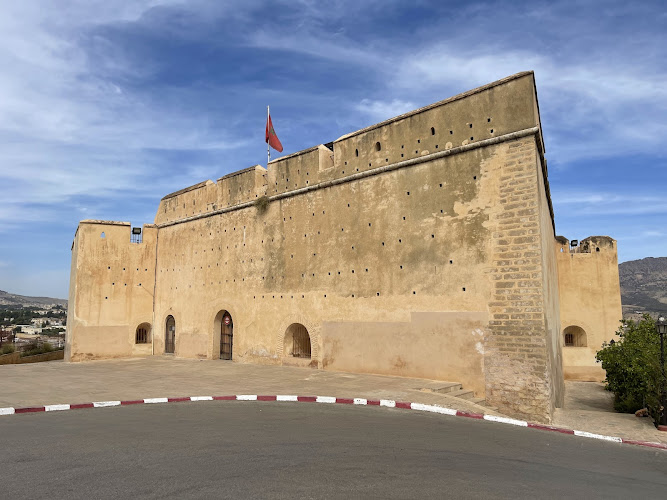
Borj Sud
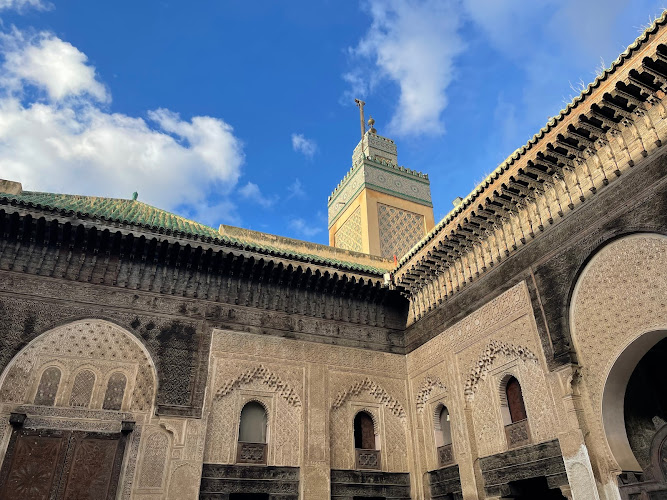
Bou Inania Madrasa
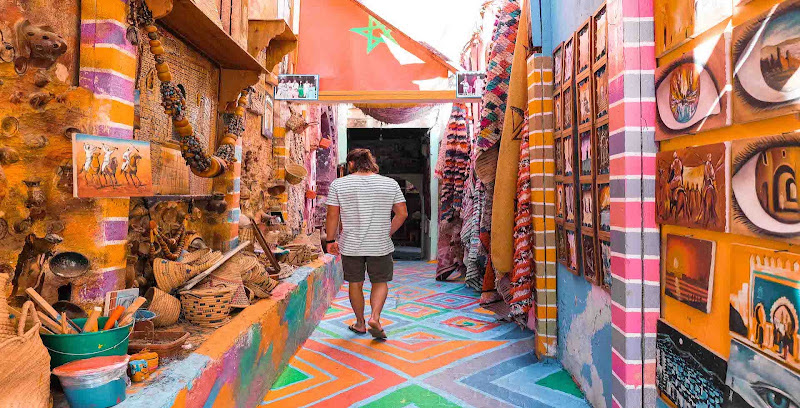
Things to do In Fez
Find Accommodations Nearby
Recommended Tours & Activities
Visitor Reviews
There are no reviews yet. Be the first one to write one.
Share Your Experience
Have you visited Tannery Sidi Moussa? Help other travelers by leaving a review.