Taishan, Guangdong
About Taishan, Guangdong
Description
Taishan, tucked away in the southwest corner of Guangdong Province, is one of those places that quietly surprises you. It’s officially a county-level city under Jiangmen, but honestly, it feels like its own world. With a population of just over 900,000 people, it’s not exactly tiny, but compared to the mega-cities nearby like Guangzhou or Shenzhen, it has a slower, more grounded rhythm. What makes Taishan especially fascinating is its reputation as the “First Home of the Overseas Chinese.” Generations of families left here to build new lives abroad, especially in North America, and you can actually see that influence in the architecture, the food, and even the way locals talk about their relatives overseas. There’s a sense of global connection in a small-town setting, and it’s honestly kind of moving.
Walking through Taishan, you’ll notice a mix of old and new. There are bustling markets with fresh seafood hauled in daily, but then you’ll also stumble upon historic diaolou—those tall, fortress-like watchtowers that are unique to this region. They’re not just relics; they tell stories of families protecting themselves during turbulent times, while also showing off the wealth of those who made it big abroad. And if you’re into authentic experiences, Taishan doesn’t feel overly polished for tourists. It’s real, sometimes a little rough around the edges, but that’s what gives it character. You might not see it topping every travel guide, but that’s exactly why it’s worth going.
The city does have its quirks. Some parts feel wonderfully authentic, while others can come across as a bit underdeveloped compared to bigger Chinese destinations. But that’s part of the charm. You’ll find generous hospitality, hearty Cantonese-style food, and a community that’s proud of its heritage. And if you’re someone who loves digging into the layers of history and culture rather than just ticking off tourist checklists, Taishan will give you plenty to chew on.
Key Features
- Known as the “First Home of the Overseas Chinese,” with deep cultural and historical ties to migration
- Rich heritage of diaolou (watchtowers) and traditional villages recognized for their architecture
- Authentic Cantonese cuisine with a local twist, especially seafood and home-style dishes
- Less crowded than major Chinese cities, offering a more relaxed pace of travel
- Proximity to coastal areas and natural landscapes, including beaches and countryside
- Strong influence of overseas Chinese culture, blending local and foreign traditions
- Opportunities to explore both urban life and rural communities within short distances
Best Time to Visit
If you’re thinking about weather, spring (March to May) and autumn (October to November) are the sweet spots. The summers here can get hot and humid—like, the kind where you step outside and immediately feel sticky. And winters are mild but can be a little damp. Personally, I’d say go in the fall. The air feels cleaner, the skies are clearer, and it’s just the right balance of warm days and cooler evenings. Plus, if you time it right, you might catch some of the local festivals that add extra buzz to the city.
One thing I discovered when I visited in late spring was how lively the countryside felt. Rice paddies were bright green, and the markets were overflowing with seasonal produce. It’s the kind of detail that makes you feel connected to the place. But if you’re not a fan of humidity, avoid July and August. That’s when the heat can be relentless, and typhoons sometimes sweep through the region, which can put a damper on travel plans.
How to Get There
Taishan is fairly accessible, though it’s not right on the main tourist circuit. The closest major hub is Guangzhou, which has an international airport. From there, you can hop on a bus or drive down to Taishan in about 2 to 3 hours, depending on traffic. There are also buses from other Pearl River Delta cities like Zhuhai, Shenzhen, and Macau, which makes it convenient if you’re already exploring southern China.
For those who like a bit more independence, renting a car can be a great option. The roads are generally good, and having your own wheels means you can explore the nearby villages and coastal areas at your own pace. I once took a bus from Guangzhou and, while it was comfortable enough, I couldn’t help but wish I had the freedom to stop at the little roadside towns along the way. If you’re the type who likes to wander, driving might be worth it.
Tips for Visiting
First and foremost, don’t expect Taishan to cater to tourists in the way bigger cities do. English isn’t widely spoken, so having a translation app handy makes life a lot easier. That said, people are warm and helpful, and even if communication is a bit clunky, they’ll go out of their way to assist you. I remember an elderly shopkeeper who, despite not speaking a word of English, insisted on walking me halfway across town just to make sure I found the right bus stop. Moments like that stay with you.
Food-wise, go local. Try the seafood, especially if you’re near the coast. The freshness is on another level. And don’t skip the small, family-run eateries. They might not look fancy, but the flavors will blow you away. Also, bring cash. Mobile payments dominate in China, but if you’re a foreign traveler without access to local payment apps, cash is still accepted in most places.
Another tip: give yourself time to explore beyond the city center. Taishan’s villages and countryside are where you’ll find the real gems. The diaolou towers, for example, aren’t always in the middle of town—you’ll need to venture out a bit. But it’s worth it. The landscapes are dotted with rice fields, old stone houses, and the occasional water buffalo. It’s like stepping back in time.
Finally, be patient. Things move at a different pace here, and that’s part of the experience. Don’t rush through. Take a seat at a teahouse, watch the locals play cards, and just soak it all in. Travel isn’t always about ticking off the biggest attractions—it’s about feeling the heartbeat of a place. And in Taishan, that heartbeat is steady, strong, and deeply rooted in history.
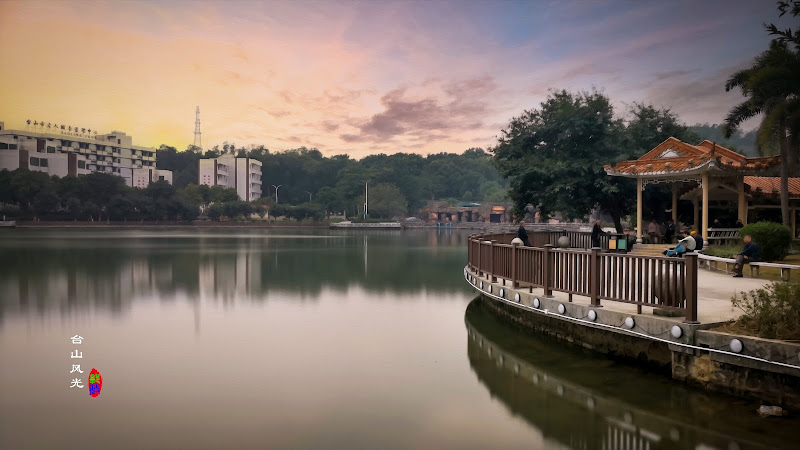
Key Features
- Known as the “First Home of the Overseas Chinese,” with deep cultural and historical ties to migration
- Rich heritage of diaolou (watchtowers) and traditional villages recognized for their architecture
- Authentic Cantonese cuisine with a local twist, especially seafood and home-style dishes
- Less crowded than major Chinese cities, offering a more relaxed pace of travel
- Proximity to coastal areas and natural landscapes, including beaches and countryside
- Strong influence of overseas Chinese culture, blending local and foreign traditions
- Opportunities to explore both urban life and rural communities within short distances
More Details
Updated October 1, 2025
Table of Contents
Description
Taishan, tucked away in the southwest corner of Guangdong Province, is one of those places that quietly surprises you. It’s officially a county-level city under Jiangmen, but honestly, it feels like its own world. With a population of just over 900,000 people, it’s not exactly tiny, but compared to the mega-cities nearby like Guangzhou or Shenzhen, it has a slower, more grounded rhythm. What makes Taishan especially fascinating is its reputation as the “First Home of the Overseas Chinese.” Generations of families left here to build new lives abroad, especially in North America, and you can actually see that influence in the architecture, the food, and even the way locals talk about their relatives overseas. There’s a sense of global connection in a small-town setting, and it’s honestly kind of moving.
Walking through Taishan, you’ll notice a mix of old and new. There are bustling markets with fresh seafood hauled in daily, but then you’ll also stumble upon historic diaolou—those tall, fortress-like watchtowers that are unique to this region. They’re not just relics; they tell stories of families protecting themselves during turbulent times, while also showing off the wealth of those who made it big abroad. And if you’re into authentic experiences, Taishan doesn’t feel overly polished for tourists. It’s real, sometimes a little rough around the edges, but that’s what gives it character. You might not see it topping every travel guide, but that’s exactly why it’s worth going.
The city does have its quirks. Some parts feel wonderfully authentic, while others can come across as a bit underdeveloped compared to bigger Chinese destinations. But that’s part of the charm. You’ll find generous hospitality, hearty Cantonese-style food, and a community that’s proud of its heritage. And if you’re someone who loves digging into the layers of history and culture rather than just ticking off tourist checklists, Taishan will give you plenty to chew on.
Key Features
- Known as the “First Home of the Overseas Chinese,” with deep cultural and historical ties to migration
- Rich heritage of diaolou (watchtowers) and traditional villages recognized for their architecture
- Authentic Cantonese cuisine with a local twist, especially seafood and home-style dishes
- Less crowded than major Chinese cities, offering a more relaxed pace of travel
- Proximity to coastal areas and natural landscapes, including beaches and countryside
- Strong influence of overseas Chinese culture, blending local and foreign traditions
- Opportunities to explore both urban life and rural communities within short distances
Best Time to Visit
If you’re thinking about weather, spring (March to May) and autumn (October to November) are the sweet spots. The summers here can get hot and humid—like, the kind where you step outside and immediately feel sticky. And winters are mild but can be a little damp. Personally, I’d say go in the fall. The air feels cleaner, the skies are clearer, and it’s just the right balance of warm days and cooler evenings. Plus, if you time it right, you might catch some of the local festivals that add extra buzz to the city.
One thing I discovered when I visited in late spring was how lively the countryside felt. Rice paddies were bright green, and the markets were overflowing with seasonal produce. It’s the kind of detail that makes you feel connected to the place. But if you’re not a fan of humidity, avoid July and August. That’s when the heat can be relentless, and typhoons sometimes sweep through the region, which can put a damper on travel plans.
How to Get There
Taishan is fairly accessible, though it’s not right on the main tourist circuit. The closest major hub is Guangzhou, which has an international airport. From there, you can hop on a bus or drive down to Taishan in about 2 to 3 hours, depending on traffic. There are also buses from other Pearl River Delta cities like Zhuhai, Shenzhen, and Macau, which makes it convenient if you’re already exploring southern China.
For those who like a bit more independence, renting a car can be a great option. The roads are generally good, and having your own wheels means you can explore the nearby villages and coastal areas at your own pace. I once took a bus from Guangzhou and, while it was comfortable enough, I couldn’t help but wish I had the freedom to stop at the little roadside towns along the way. If you’re the type who likes to wander, driving might be worth it.
Tips for Visiting
First and foremost, don’t expect Taishan to cater to tourists in the way bigger cities do. English isn’t widely spoken, so having a translation app handy makes life a lot easier. That said, people are warm and helpful, and even if communication is a bit clunky, they’ll go out of their way to assist you. I remember an elderly shopkeeper who, despite not speaking a word of English, insisted on walking me halfway across town just to make sure I found the right bus stop. Moments like that stay with you.
Food-wise, go local. Try the seafood, especially if you’re near the coast. The freshness is on another level. And don’t skip the small, family-run eateries. They might not look fancy, but the flavors will blow you away. Also, bring cash. Mobile payments dominate in China, but if you’re a foreign traveler without access to local payment apps, cash is still accepted in most places.
Another tip: give yourself time to explore beyond the city center. Taishan’s villages and countryside are where you’ll find the real gems. The diaolou towers, for example, aren’t always in the middle of town—you’ll need to venture out a bit. But it’s worth it. The landscapes are dotted with rice fields, old stone houses, and the occasional water buffalo. It’s like stepping back in time.
Finally, be patient. Things move at a different pace here, and that’s part of the experience. Don’t rush through. Take a seat at a teahouse, watch the locals play cards, and just soak it all in. Travel isn’t always about ticking off the biggest attractions—it’s about feeling the heartbeat of a place. And in Taishan, that heartbeat is steady, strong, and deeply rooted in history.

Key Highlights
- Known as the “First Home of the Overseas Chinese,” with deep cultural and historical ties to migration
- Rich heritage of diaolou (watchtowers) and traditional villages recognized for their architecture
- Authentic Cantonese cuisine with a local twist, especially seafood and home-style dishes
- Less crowded than major Chinese cities, offering a more relaxed pace of travel
- Proximity to coastal areas and natural landscapes, including beaches and countryside
- Strong influence of overseas Chinese culture, blending local and foreign traditions
- Opportunities to explore both urban life and rural communities within short distances
Location
Places to Stay Near Taishan, Guangdong
Find and Book a Tour
Explore More Travel Guides
No reviews found! Be the first to review!
Traveler Reviews for Taishan, Guangdong
There are no reviews yet. Be the first one to write one.
Have you visited Taishan, Guangdong? Help other travelers by sharing your review.
Find Accommodations Nearby
Recommended Tours & Activities
Visitor Reviews
There are no reviews yet. Be the first one to write one.
Share Your Experience
Have you visited Taishan, Guangdong? Help other travelers by leaving a review.