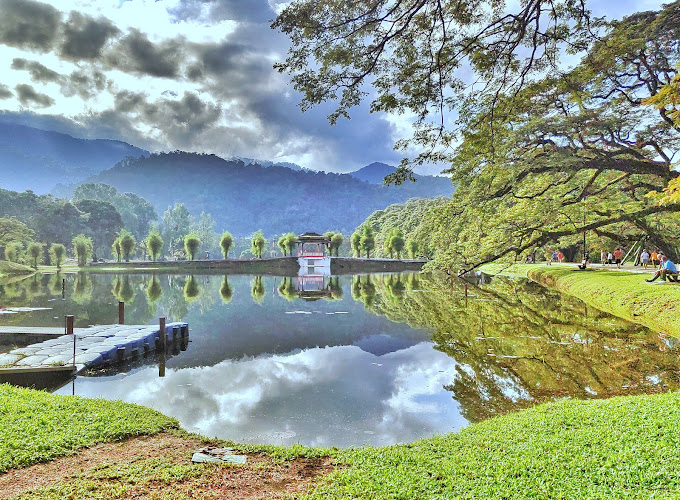
About Taiping Lake Chinese Bridge

Description

The Taiping Lake Chinese Bridge is one of those serene heritage spots that leave a lasting impression on travelers exploring Taiping in Perak, Malaysia. Set within the historic Taiping Lake Gardens, it is more than just a pretty arch across the water; it’s a cultural gem that reflects both history and artistry. People often view it as a symbol of harmony between manmade structures and natural beauty, and honestly, that’s exactly how it feels when standing on the bridge itself — quiet, calming, and slightly enchanting. With its traditional Chinese design, the bridge carries an air of nostalgia while perfectly complementing the lakes, lotus ponds, and rain trees that surround it.

Unlike many modern attractions, the Chinese Bridge here is understated — it doesn’t scream for your attention, but before long you’ll find yourself lingering, watching the reflections in the lake or pausing to capture a photograph. Visitors often mention how peaceful it is to stroll across, especially in the gentler morning and evening light, when Taiping’s famously cool climate (for Malaysian standards, at least) feels just right. At the same time, like any public site, it comes with a mix of opinions. Some adore its timeless beauty, while others feel it could use a little more upkeep. Both sides probably have a point, but it doesn’t take away from the fact that the bridge remains a cherished part of the gardens’ heritage character and a must-see for those who want to experience the charm of old Taiping.

Key Features

  • Classic Chinese architectural design with delicate curves and intricate detailing
  • Positioned across one of the Lake Gardens’ picturesque ponds, offering beautiful reflections on the water
  • Surrounded by century-old rain trees with sweeping branches that line the landscape
  • A peaceful walking spot with photo-worthy angles, especially at sunrise and sunset
  • Part of the historic Taiping Lake Gardens, which is Malaysia’s first public garden (established in the late 19th century)
  • Close to other popular attractions like the Taiping Zoo, Bukit Larut (Maxwell Hill), and the Perak Museum
  • Accessible to families, kids, and casual strollers — no steep climbs or difficult paths

Best Time to Visit

Now, here’s where timing really matters. The comfort of the visit is heavily tied to Malaysia’s weather, and Taiping is known to have one of the highest rainfall levels in the country. The best time to experience the Chinese Bridge is early in the morning or later in the afternoon when the light is softer and the air feels cleaner. If you show up just as the sun is climbing, you’ll catch mist rolling gently across the lakes — it almost feels like a scene out of a painting. The golden hour around sunset is equally magical, perfect for photography and just soaking in the surroundings. Midday, on the other hand, tends to be a tad hot and a little less forgiving if you’re not used to tropical humidity, so bring water anyway. And be prepared — Taiping’s skies are unpredictable. A light drizzling rain is incredibly common, but honestly, the bridge under soft rain takes on a whole different character. Just keep that umbrella handy.

How to Get There

Reaching the Taiping Lake Chinese Bridge is straightforward, whether you’re traveling from within Taiping town or coming from further afield. The Lake Gardens sit near the heart of Taiping, so if you’re staying in town, many visitors choose to walk, cycle, or grab a short ride to the gardens. If you’re driving, there’s usually space to park nearby along the main roads that line the gardens. From Penang or Ipoh, it’s about a two-hour drive, while from Kuala Lumpur, the journey by car or bus takes roughly three to four hours, depending on traffic. There’s also the Taiping Railway Station, one of Malaysia’s oldest, which connects the town to other parts of the country — from there, it’s only a short taxi ride to the Lake Gardens and the bridge. In truth, once you’re around Taiping Lake Gardens, you won’t even need directions; just follow the pathways that meander around lotus-covered ponds, bamboo groves, and rain trees, and you’ll stumble across the Chinese Bridge without effort.

Tips for Visiting

If you’re planning to stop by the Taiping Lake Chinese Bridge, a few little notes will make your visit smoother (and maybe even more rewarding):

  • Go light but prepared: It’s a short and easy stroll, but since the weather can change quickly, carry a small umbrella or light rain jacket. Better safe than soaked, right?
  • Pick the right time for photos: If you’re after those “wow” shots, early morning is the best. The still water creates mirror-like reflections of the bridge and surrounding rain trees.
  • Pack patience during weekends: On weekdays, the area has a relaxed, almost sleepy charm. But weekends and public holidays can draw more visitors, especially families — so if you want quietude, aim for a weekday visit.
  • Bring kids along: This is a family-friendly attraction. The paths are safe enough for toddlers to wander (with a close eye from parents of course) and open enough for kids to burn off energy as you walk.
  • Slow your pace: Don’t just snap a picture and walk off. Linger a little, notice how the reflection changes as the breeze shifts across the lake, or how the branches of the rain trees dip gracefully into the water. It’s the small moments that make this place stay in your memory.
  • Pair your visit: The bridge won’t take much time to explore by itself, so combine your walk with other attractions nearby — like taking a paddle boat in the lakes, popping by the Perak Museum, or going up Bukit Larut for a cooler hillside escape.

At the end of the day, the Taiping Lake Chinese Bridge is not a grand, towering landmark, but that’s kind of its charm. It’s the balance of culture, nature, and heritage all rolled into one small but meaningful experience. If you love heritage trails, appreciate historic gardens, or simply want a calm place for reflection (and maybe a great photo or two), this bridge is worth adding to your itinerary when visiting Taiping, Malaysia.

Key Features

  • Classic Chinese architectural design with delicate curves and intricate detailing
  • Positioned across one of the Lake Gardens’ picturesque ponds, offering beautiful reflections on the water
  • Surrounded by century-old rain trees with sweeping branches that line the landscape
  • A peaceful walking spot with photo-worthy angles, especially at sunrise and sunset
  • Part of the historic Taiping Lake Gardens, which is Malaysia’s first public garden (established in the late 19th century)
  • Close to other popular attractions like the Taiping Zoo, Bukit Larut (Maxwell Hill), and the Perak Museum
  • Accessible to families, kids, and casual strollers — no steep climbs or difficult paths

More Details

Updated October 2, 2025

Description

The Taiping Lake Chinese Bridge is one of those serene heritage spots that leave a lasting impression on travelers exploring Taiping in Perak, Malaysia. Set within the historic Taiping Lake Gardens, it is more than just a pretty arch across the water; it’s a cultural gem that reflects both history and artistry. People often view it as a symbol of harmony between manmade structures and natural beauty, and honestly, that’s exactly how it feels when standing on the bridge itself — quiet, calming, and slightly enchanting. With its traditional Chinese design, the bridge carries an air of nostalgia while perfectly complementing the lakes, lotus ponds, and rain trees that surround it.

Unlike many modern attractions, the Chinese Bridge here is understated — it doesn’t scream for your attention, but before long you’ll find yourself lingering, watching the reflections in the lake or pausing to capture a photograph. Visitors often mention how peaceful it is to stroll across, especially in the gentler morning and evening light, when Taiping’s famously cool climate (for Malaysian standards, at least) feels just right. At the same time, like any public site, it comes with a mix of opinions. Some adore its timeless beauty, while others feel it could use a little more upkeep. Both sides probably have a point, but it doesn’t take away from the fact that the bridge remains a cherished part of the gardens’ heritage character and a must-see for those who want to experience the charm of old Taiping.

Key Features

  • Classic Chinese architectural design with delicate curves and intricate detailing
  • Positioned across one of the Lake Gardens’ picturesque ponds, offering beautiful reflections on the water
  • Surrounded by century-old rain trees with sweeping branches that line the landscape
  • A peaceful walking spot with photo-worthy angles, especially at sunrise and sunset
  • Part of the historic Taiping Lake Gardens, which is Malaysia’s first public garden (established in the late 19th century)
  • Close to other popular attractions like the Taiping Zoo, Bukit Larut (Maxwell Hill), and the Perak Museum
  • Accessible to families, kids, and casual strollers — no steep climbs or difficult paths

Best Time to Visit

Now, here’s where timing really matters. The comfort of the visit is heavily tied to Malaysia’s weather, and Taiping is known to have one of the highest rainfall levels in the country. The best time to experience the Chinese Bridge is early in the morning or later in the afternoon when the light is softer and the air feels cleaner. If you show up just as the sun is climbing, you’ll catch mist rolling gently across the lakes — it almost feels like a scene out of a painting. The golden hour around sunset is equally magical, perfect for photography and just soaking in the surroundings. Midday, on the other hand, tends to be a tad hot and a little less forgiving if you’re not used to tropical humidity, so bring water anyway. And be prepared — Taiping’s skies are unpredictable. A light drizzling rain is incredibly common, but honestly, the bridge under soft rain takes on a whole different character. Just keep that umbrella handy.

How to Get There

Reaching the Taiping Lake Chinese Bridge is straightforward, whether you’re traveling from within Taiping town or coming from further afield. The Lake Gardens sit near the heart of Taiping, so if you’re staying in town, many visitors choose to walk, cycle, or grab a short ride to the gardens. If you’re driving, there’s usually space to park nearby along the main roads that line the gardens. From Penang or Ipoh, it’s about a two-hour drive, while from Kuala Lumpur, the journey by car or bus takes roughly three to four hours, depending on traffic. There’s also the Taiping Railway Station, one of Malaysia’s oldest, which connects the town to other parts of the country — from there, it’s only a short taxi ride to the Lake Gardens and the bridge. In truth, once you’re around Taiping Lake Gardens, you won’t even need directions; just follow the pathways that meander around lotus-covered ponds, bamboo groves, and rain trees, and you’ll stumble across the Chinese Bridge without effort.

Tips for Visiting

If you’re planning to stop by the Taiping Lake Chinese Bridge, a few little notes will make your visit smoother (and maybe even more rewarding):

  • Go light but prepared: It’s a short and easy stroll, but since the weather can change quickly, carry a small umbrella or light rain jacket. Better safe than soaked, right?
  • Pick the right time for photos: If you’re after those “wow” shots, early morning is the best. The still water creates mirror-like reflections of the bridge and surrounding rain trees.
  • Pack patience during weekends: On weekdays, the area has a relaxed, almost sleepy charm. But weekends and public holidays can draw more visitors, especially families — so if you want quietude, aim for a weekday visit.
  • Bring kids along: This is a family-friendly attraction. The paths are safe enough for toddlers to wander (with a close eye from parents of course) and open enough for kids to burn off energy as you walk.
  • Slow your pace: Don’t just snap a picture and walk off. Linger a little, notice how the reflection changes as the breeze shifts across the lake, or how the branches of the rain trees dip gracefully into the water. It’s the small moments that make this place stay in your memory.
  • Pair your visit: The bridge won’t take much time to explore by itself, so combine your walk with other attractions nearby — like taking a paddle boat in the lakes, popping by the Perak Museum, or going up Bukit Larut for a cooler hillside escape.

At the end of the day, the Taiping Lake Chinese Bridge is not a grand, towering landmark, but that’s kind of its charm. It’s the balance of culture, nature, and heritage all rolled into one small but meaningful experience. If you love heritage trails, appreciate historic gardens, or simply want a calm place for reflection (and maybe a great photo or two), this bridge is worth adding to your itinerary when visiting Taiping, Malaysia.

Key Highlights

  • Classic Chinese architectural design with delicate curves and intricate detailing
  • Positioned across one of the Lake Gardens’ picturesque ponds, offering beautiful reflections on the water
  • Surrounded by century-old rain trees with sweeping branches that line the landscape
  • A peaceful walking spot with photo-worthy angles, especially at sunrise and sunset
  • Part of the historic Taiping Lake Gardens, which is Malaysia’s first public garden (established in the late 19th century)
  • Close to other popular attractions like the Taiping Zoo, Bukit Larut (Maxwell Hill), and the Perak Museum
  • Accessible to families, kids, and casual strollers — no steep climbs or difficult paths

Location

Places to Stay Near Taiping Lake Chinese Bridge

Find and Book a Tour

Explore More Travel Guides

No reviews found! Be the first to review!

Traveler Reviews for Taiping Lake Chinese Bridge

There are no reviews yet. Be the first one to write one.

Share Your Experience

Have you visited Taiping Lake Chinese Bridge? Help other travelers by sharing your review.

Find Accommodations Nearby

Recommended Tours & Activities

Visitor Reviews

There are no reviews yet. Be the first one to write one.

Share Your Experience

Have you visited Taiping Lake Chinese Bridge? Help other travelers by leaving a review.