
Szombathely
About Szombathely
Description
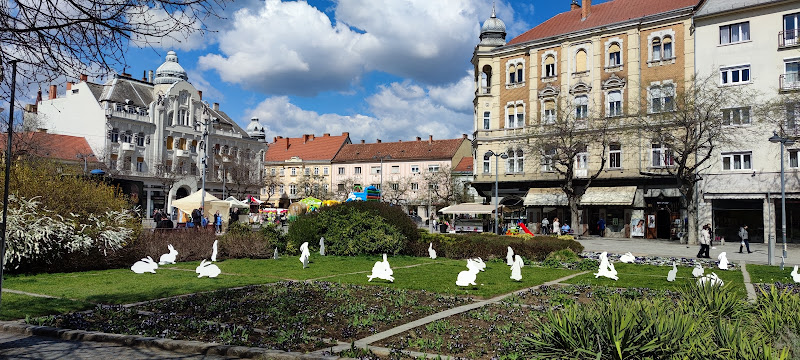
You know those places that fly under the tourist radar but end up stealing your heart? Szombathely, Hungary, just totally falls into that category. I’ve tramped through Hungary more times than I can count, and most people flock straight to Budapest. But, honestly, Szombathely’s the sort of spot where you wind up sipping coffee in an old-world square, look around, and suddenly realize you’re in the oldest city in the country. That’s right—while it doesn’t throw its history in your face, just beneath the easy-going pace, there’s a rich Roman legacy, centuries-old cathedrals, leafy promenades, and just…layers. It’s the kind of city where “take your time” feels like both an invitation and a challenge.
Sitting close to the Austrian border, Szombathely is an eclectic patchwork of old and new. Walk the streets for half an hour and you’ll spot hilly vistas, cobblestone alleys, a whiff of mitteleuropean sophistication, pastel Art Nouveau buildings, and the odd ruin poking out in the city center (don’t be surprised if you stumble straight onto a Roman bathhouse). If you’re a history nerd—or just appreciate a city with a pulse beneath the surface—Szombathely is almost dizzying in the best sense. But hey, if you just want to chill at a café and people watch? You’ll fit right in. Nobody’s judging your pace here.
Key Features
- Ancient Roman Heritage: This is no “maybe there’s ruins here” kind of place—Szombathely is literally built atop the Roman city of Savaria, founded in AD 43. The Iseum (Isis Temple) and the Archaeological Park are absolute must-sees if you’ve got even a passing interest in ancient civilization. Rumor has it, Emperor Constantine’s mama was born here. So…bonus points for history buffs!
- St. Martin’s Church: Legend puts St. Martin of Tours’ birthplace right here, and the church that bears his name is a calming mix of old stone and spirituality. Even if you’re a little church-fatigued, this one’s got an atmosphere worth experiencing.
- Rammed Art Scene: The Savaria Museum and the Smidt Museum bring Hungarian curiosity and European art together. The quirky displays are not the kind you power-walk through, either. Best to linger, especially if you want to understand how Szombathely’s past meshes into present day.
- Parks and Nature: You’d expect a city on a floodplain to be kind of flat and dull, but nope—the Alpokalja foothills roll right into town. My favorite lazy days in Szombathely usually involve Kámoni Arboretum, packed with rare trees, Japanese maples, and more birdsong than you thought possible. If you like quiet mornings, this place is basically therapy.
- Real Hungarian Gastronomy: Just a heads up: Szombathely’s old town can dish up some legit, rustic cuisine. Thick goulash, creamy poppy seed desserts, crispy schnitzels that would make an Austrian weep (!), and pleasantly affordable wine. Head to a tucked-away restaurant or traditional confectionery, and you’ll probably want to stay far longer than planned.
- Festivals and Local Culture: August in Szombathely gets a little wild (by Hungarian standards, anyway) during the Savaria Historical Carnival. Costume parades, Roman reenactments, music, and culinary events take over the streets. Smaller street markets and open-air concerts dot the rest of the year.
- Unhurried City Life: Szombathely doesn’t pretend to be a party town, but that’s part of the charm. Locals are friendly, but not in-your-face. You can wander for hours, stumble onto a weekend market, or find yourself deep in discussion with a local in a coffee house about—well, anything. Politics, history, the weather—it happens more than you’d think.
- Walkability and Easy Exploration: The old town center’s basically made for wandering. No need for cars or taxis unless you’re venturing outside city limits—everything you need is within easy strolling distance, and I swear the air gets fresher the longer you wander.
Best Time to Visit
Let’s not beat around the bush: Szombathely’s weather is, well, almost Goldilocks-perfect if you time it right. Spring (April–June) and early autumn (September–October) are absolute magic. The air smells fresh, flowers are everywhere, and café terraces start buzzing—not too hot, not too chilly. Summer? It gets lively—especially with those festivals rolling in—but expect a more energetic, touristy feel, especially during August’s carnival. That's when the city really throws itself a proper shindig, and if you want to see Szombathely at peak “life”, it’s a hoot.
Winters aren’t harsh, but they are nippy and damp (pack something warm; trust me, I made the rookie mistake and froze my ears one November). Perks of winter? Fewer crowds, and you can actually sit in any coffee shop without jostling elbows. Ultimately, you pick: Do you want spectacle and energy, or crave a slow-paced, authentic vibe with time to chat with locals? You can’t really mess up your timing, promise.
How to Get There
Getting to Szombathely isn’t rocket science, but it does require a bit of planning, especially if you’re coming from outside Hungary. From Budapest, regular trains will get you to Szombathely in roughly two and a half hours—smooth, scenic ride with barely any fuss. It’s the kind of train trip where you can daydream, read, people-watch, and still arrive fresh. If you’re in Vienna or Graz, Szombathely’s actually even closer, with cross-border trains taking about the same amount of time or less. Handy for those hopping between Hungary and Austria.
Driving’s also easy—a few main roads cut straight into the city, and parking isn’t a headache. (Pro tip: Avoid the busiest festival weekends unless you really like traffic dances.) Domestic buses are another cheap, flexible choice. I’ll tell you my secret tip: If you’re coming via bike from Austria, the countryside ride in is genuinely beautiful, especially around Kőszeg and the hilly bits north of town. And, if you’re flying, Vienna Airport is usually your best bet—trains can easily shuttle you from there.
Tips for Visiting
If you want your Szombathely experience to be top notch—and I suspect you do—here’s what I’ve learned from a dozen visits (plus, I’ve chatted with locals, and absorbed their secrets):
- Don’t Rush the Ruins: Take time at the Roman sites—each stone has a story, literally. The local guides at the Iseum are a weird mix of academic and quirky; let them riff for a bit, even if you don't always follow. (I once ended up debating the best Roman emperor for half an hour and learned more than the info plaques ever taught me…)
- Pace Your Eats: Hungarian cuisine is heavy and filling. It’s easy to overdo it in the old town bistros—my advice: order small, savor slowly. Leave room for dessert. The poppy seed strudel is too good to skip.
- Explore Beyond the Center: Kámoni Arboretum is just out of town but feels like stepping into a leafy wonderland. Grab a picnic and just watch the world go by.
- Cash is King—Still: While places take cards, some older shops and market stalls prefer cash. Save yourself a headache and keep a stash of Hungarian forint handy. Learned that the hard way after nearly missing out on homemade pastries at a Saturday market.
- Try to Learn a Little Hungarian: Not everyone speaks English fluently, especially the older generation. A few words like “köszönöm” (“thank you”) or “szia” (“hi/bye”) go a long way. Plus, locals genuinely seem tickled when you give it a go—even if your accent is atrocious!
- Look Up—Seriously: Szombathely’s old town has the habit of hiding its best Art Nouveau details above shopfronts. Every time I visit, I spot a new carved balcony or floral flourish. Take a couple of slow laps before zipping off to the next museum.
Key Features
- Key Features
- Best Time to Visit
- How to Get There
- Tips for Visiting
More Details
Updated July 1, 2025
Table of Contents
Description
You know those places that fly under the tourist radar but end up stealing your heart? Szombathely, Hungary, just totally falls into that category. I’ve tramped through Hungary more times than I can count, and most people flock straight to Budapest. But, honestly, Szombathely’s the sort of spot where you wind up sipping coffee in an old-world square, look around, and suddenly realize you’re in the oldest city in the country. That’s right—while it doesn’t throw its history in your face, just beneath the easy-going pace, there’s a rich Roman legacy, centuries-old cathedrals, leafy promenades, and just…layers. It’s the kind of city where “take your time” feels like both an invitation and a challenge.
Sitting close to the Austrian border, Szombathely is an eclectic patchwork of old and new. Walk the streets for half an hour and you’ll spot hilly vistas, cobblestone alleys, a whiff of mitteleuropean sophistication, pastel Art Nouveau buildings, and the odd ruin poking out in the city center (don’t be surprised if you stumble straight onto a Roman bathhouse). If you’re a history nerd—or just appreciate a city with a pulse beneath the surface—Szombathely is almost dizzying in the best sense. But hey, if you just want to chill at a café and people watch? You’ll fit right in. Nobody’s judging your pace here.
Key Features
- Ancient Roman Heritage: This is no “maybe there’s ruins here” kind of place—Szombathely is literally built atop the Roman city of Savaria, founded in AD 43. The Iseum (Isis Temple) and the Archaeological Park are absolute must-sees if you’ve got even a passing interest in ancient civilization. Rumor has it, Emperor Constantine’s mama was born here. So…bonus points for history buffs!
- St. Martin’s Church: Legend puts St. Martin of Tours’ birthplace right here, and the church that bears his name is a calming mix of old stone and spirituality. Even if you’re a little church-fatigued, this one’s got an atmosphere worth experiencing.
- Rammed Art Scene: The Savaria Museum and the Smidt Museum bring Hungarian curiosity and European art together. The quirky displays are not the kind you power-walk through, either. Best to linger, especially if you want to understand how Szombathely’s past meshes into present day.
- Parks and Nature: You’d expect a city on a floodplain to be kind of flat and dull, but nope—the Alpokalja foothills roll right into town. My favorite lazy days in Szombathely usually involve Kámoni Arboretum, packed with rare trees, Japanese maples, and more birdsong than you thought possible. If you like quiet mornings, this place is basically therapy.
- Real Hungarian Gastronomy: Just a heads up: Szombathely’s old town can dish up some legit, rustic cuisine. Thick goulash, creamy poppy seed desserts, crispy schnitzels that would make an Austrian weep (!), and pleasantly affordable wine. Head to a tucked-away restaurant or traditional confectionery, and you’ll probably want to stay far longer than planned.
- Festivals and Local Culture: August in Szombathely gets a little wild (by Hungarian standards, anyway) during the Savaria Historical Carnival. Costume parades, Roman reenactments, music, and culinary events take over the streets. Smaller street markets and open-air concerts dot the rest of the year.
- Unhurried City Life: Szombathely doesn’t pretend to be a party town, but that’s part of the charm. Locals are friendly, but not in-your-face. You can wander for hours, stumble onto a weekend market, or find yourself deep in discussion with a local in a coffee house about—well, anything. Politics, history, the weather—it happens more than you’d think.
- Walkability and Easy Exploration: The old town center’s basically made for wandering. No need for cars or taxis unless you’re venturing outside city limits—everything you need is within easy strolling distance, and I swear the air gets fresher the longer you wander.
Best Time to Visit
Let’s not beat around the bush: Szombathely’s weather is, well, almost Goldilocks-perfect if you time it right. Spring (April–June) and early autumn (September–October) are absolute magic. The air smells fresh, flowers are everywhere, and café terraces start buzzing—not too hot, not too chilly. Summer? It gets lively—especially with those festivals rolling in—but expect a more energetic, touristy feel, especially during August’s carnival. That’s when the city really throws itself a proper shindig, and if you want to see Szombathely at peak “life”, it’s a hoot.
Winters aren’t harsh, but they are nippy and damp (pack something warm; trust me, I made the rookie mistake and froze my ears one November). Perks of winter? Fewer crowds, and you can actually sit in any coffee shop without jostling elbows. Ultimately, you pick: Do you want spectacle and energy, or crave a slow-paced, authentic vibe with time to chat with locals? You can’t really mess up your timing, promise.
How to Get There
Getting to Szombathely isn’t rocket science, but it does require a bit of planning, especially if you’re coming from outside Hungary. From Budapest, regular trains will get you to Szombathely in roughly two and a half hours—smooth, scenic ride with barely any fuss. It’s the kind of train trip where you can daydream, read, people-watch, and still arrive fresh. If you’re in Vienna or Graz, Szombathely’s actually even closer, with cross-border trains taking about the same amount of time or less. Handy for those hopping between Hungary and Austria.
Driving’s also easy—a few main roads cut straight into the city, and parking isn’t a headache. (Pro tip: Avoid the busiest festival weekends unless you really like traffic dances.) Domestic buses are another cheap, flexible choice. I’ll tell you my secret tip: If you’re coming via bike from Austria, the countryside ride in is genuinely beautiful, especially around Kőszeg and the hilly bits north of town. And, if you’re flying, Vienna Airport is usually your best bet—trains can easily shuttle you from there.
Tips for Visiting
If you want your Szombathely experience to be top notch—and I suspect you do—here’s what I’ve learned from a dozen visits (plus, I’ve chatted with locals, and absorbed their secrets):
- Don’t Rush the Ruins: Take time at the Roman sites—each stone has a story, literally. The local guides at the Iseum are a weird mix of academic and quirky; let them riff for a bit, even if you don’t always follow. (I once ended up debating the best Roman emperor for half an hour and learned more than the info plaques ever taught me…)
- Pace Your Eats: Hungarian cuisine is heavy and filling. It’s easy to overdo it in the old town bistros—my advice: order small, savor slowly. Leave room for dessert. The poppy seed strudel is too good to skip.
- Explore Beyond the Center: Kámoni Arboretum is just out of town but feels like stepping into a leafy wonderland. Grab a picnic and just watch the world go by.
- Cash is King—Still: While places take cards, some older shops and market stalls prefer cash. Save yourself a headache and keep a stash of Hungarian forint handy. Learned that the hard way after nearly missing out on homemade pastries at a Saturday market.
- Try to Learn a Little Hungarian: Not everyone speaks English fluently, especially the older generation. A few words like “köszönöm” (“thank you”) or “szia” (“hi/bye”) go a long way. Plus, locals genuinely seem tickled when you give it a go—even if your accent is atrocious!
- Look Up—Seriously: Szombathely’s old town has the habit of hiding its best Art Nouveau details above shopfronts. Every time I visit, I spot a new carved balcony or floral flourish. Take a couple of slow laps before zipping off to the next museum.
- Key Features
- Best Time to Visit
- How to Get There
- Tips for Visiting
Key Highlights
Location
Places to Stay Near Szombathely
Find and Book a Tour
Explore More Travel Guides
No reviews found! Be the first to review!
Traveler Reviews for Szombathely
There are no reviews yet. Be the first one to write one.
Have you visited Szombathely? Help other travelers by sharing your review.
You Might Also Like
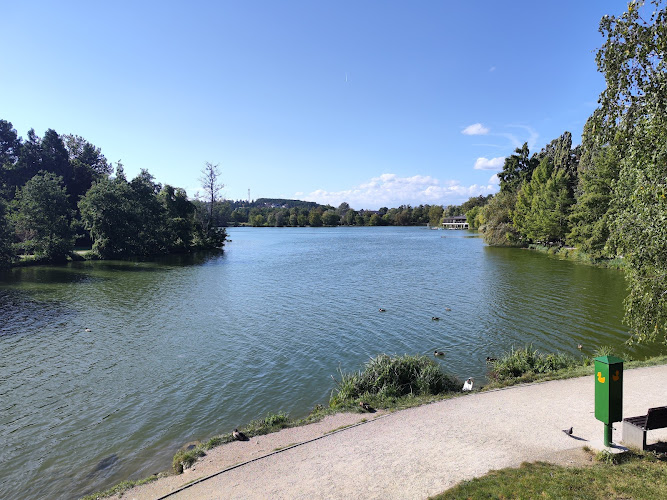
Kacsaetető
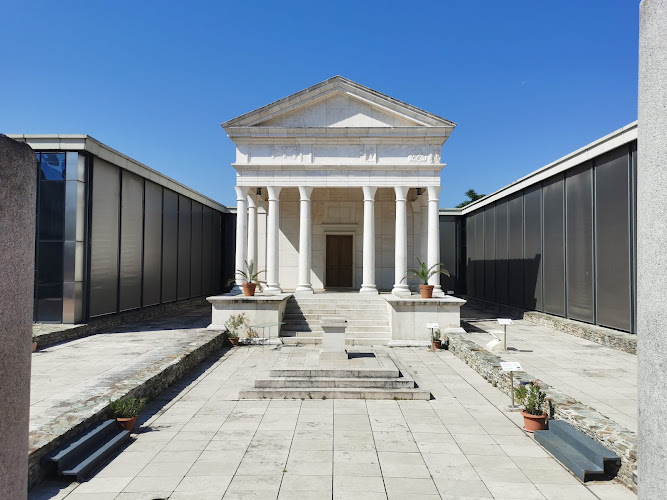
Iseum Savariense Archeology Workshop and warehouse
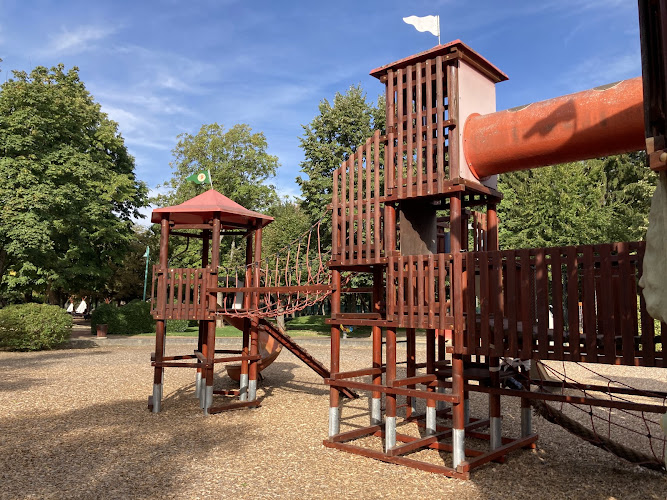
Kalandváros
Find Accommodations Nearby
Recommended Tours & Activities
Visitor Reviews
There are no reviews yet. Be the first one to write one.
Share Your Experience
Have you visited Szombathely? Help other travelers by leaving a review.