
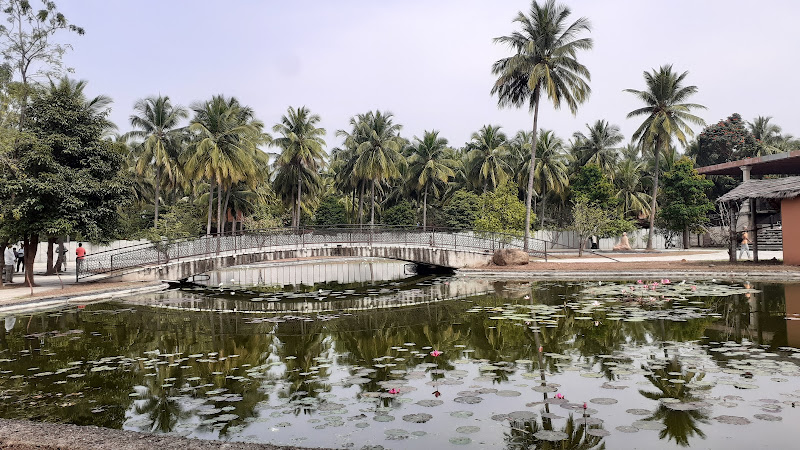
Surya Kund
About Surya Kund
Description
Surya Kund stands as one of those sacred places that somehow manages to fly under the radar of most tourist guides, which honestly makes it all the more special for travelers who do stumble upon it. This Hindu temple and ashram complex holds deep spiritual significance for devotees who come seeking blessings and a moment of peace away from the chaos of everyday life. The temple itself is dedicated to Surya, the sun god, who occupies a pretty important spot in Hindu mythology and daily worship practices across India. What strikes most visitors first is the surprising sense of tranquility that seems to blanket the entire area. You know how some places just have that certain energy? Surya Kund definitely has it. The sacred water tank, or kund, is the centerpiece here and has been drawing pilgrims for generations. People believe that taking a dip in these waters can wash away sins and bring about healing – both physical and spiritual. And honestly, whether you're a believer or not, there's something undeniably meditative about watching devotees perform their rituals with such unwavering faith. The architecture follows traditional temple designs you'll find across northern India, but what makes Surya Kund different is how it's maintained that authentic, lived-in feel. This isn't some over-commercialized tourist trap with pushy vendors at every corner. Instead, you'll find a functioning place of worship where real people come to pray, meditate, and connect with something bigger than themselves. The ashram component means there's often spiritual teachings happening, and visitors can sometimes participate in these sessions if they're interested in deepening their understanding of Hindu philosophy. I remember talking to a traveler who'd visited dozens of temples across India, and she mentioned that Surya Kund felt different somehow – less performative, more genuine. That stuck with me because it really captures what makes this place worth visiting.Key Features
Surya Kund offers travelers a unique combination of spiritual, architectural, and cultural experiences that go beyond your typical temple visit: • The sacred water tank serves as the heart of the complex, where devotees perform ritual bathing particularly during auspicious times and festivals dedicated to Surya • Temple architecture showcases traditional design elements with intricate carvings and religious iconography that photography enthusiasts will appreciate • Ashram facilities provide spaces for meditation, spiritual discourse, and learning about Hindu religious practices in an authentic environment • Accessibility features include wheelchair accessible parking, making it easier for travelers with mobility challenges to experience this spiritual site • Morning aarti ceremonies offer visitors a chance to witness traditional Hindu worship rituals with chanting, bell ringing, and oil lamp offerings • Peaceful surroundings create an atmosphere conducive to reflection and spiritual contemplation away from urban noise • Local priests are often available to explain rituals and answer questions about Hindu traditions for curious travelers • Seasonal festivals transform the site with special celebrations, particularly during Makar Sankranti and Chhath Puja when sun worship takes center stage • The combination of temple and ashram functions means there's often more happening here than at standalone temples – workshops, spiritual talks, and community gatherings • Authentic devotional atmosphere provides genuine cultural immersion rather than a staged tourist experienceBest Time to Visit
Timing your visit to Surya Kund can really make or break your experience, and I've learned this the hard way at other religious sites. The early morning hours between 5:30 AM and 8:00 AM are absolutely magical here. The morning aarti dedicated to Surya happens at sunrise, and there's something genuinely moving about watching the first rays of sunlight illuminate the temple while prayers fill the air. Plus, the crowds are manageable during these hours, giving you more space to absorb the atmosphere. If you're not a morning person (and let's be honest, not everyone is when they're traveling), the evening hours between 5:00 PM and 7:00 PM offer another window of opportunity. The evening aarti has its own charm, and the temperature cools down considerably, making it more comfortable to explore. Now, when it comes to seasons, winter months from October through March are ideal for visiting Surya Kund. The weather during this period is pleasant, and you won't be dealing with the scorching heat that can make temple visits pretty uncomfortable during summer months. But here's the thing – if you want to witness Surya Kund at its most alive, plan your visit around major festivals. Makar Sankranti, which falls in mid-January, brings massive crowds of devotees who consider it particularly auspicious to bathe in the sacred waters during this solar transition. Chhath Puja, celebrated in October or November depending on the lunar calendar, is another significant time when the temple sees increased activity. The energy during these festivals is incredible, but be prepared for crowds and book accommodations well in advance. Summer months from April to June can get brutally hot, and monsoon season from July to September might bring rain that could affect your plans. That said, some travelers actually prefer the monsoon period because fewer tourists visit, and there's something ethereal about temple complexes during light rain.How to Get There
Getting to Surya Kund requires a bit of planning, but it's definitely doable for independent travelers. The accessibility really depends on which Surya Kund you're visiting, as there are actually several sites with this name across India – each associated with different legends and locations. Most are situated in states like Uttarakhand, Bihar, or Haryana, often in areas with other significant pilgrimage sites. For most Surya Kund locations, you'll want to first reach the nearest major city or town by train or bus. Indian Railways connects most pilgrimage destinations pretty well, and booking tickets online through official platforms has gotten much easier over the years. Once you reach the nearest railway station, local transportation options include shared jeeps, private taxis, or auto-rickshaws depending on the distance. Many travelers find that hiring a taxi for the day gives them flexibility to visit multiple sites in the area, which makes sense if you're already making the journey. The roads leading to most Surya Kund sites are generally accessible year-round, though monsoon season can occasionally cause temporary disruptions. If you're driving yourself, GPS navigation works reasonably well in most areas, but don't rely solely on technology. Asking locals for directions is part of the adventure, and people are usually incredibly helpful when they realize you're making an effort to visit their sacred sites. Just learn a few basic Hindi phrases – it goes a long way. Some Surya Kund locations are positioned along established pilgrimage circuits, which means organized tours might include them as stops. This can be convenient if you're short on time or prefer not to navigate independently. But honestly, there's something special about making your own way there. The wheelchair accessible parking mentioned in the facilities is a real plus for travelers with mobility concerns, showing that efforts have been made to accommodate visitors with different needs.Tips for Visiting
Visiting Surya Kund successfully requires more than just showing up – a little preparation makes a huge difference in your experience. First off, dress modestly. This isn't negotiable at religious sites. Men should wear long pants and shirts that cover shoulders, while women should opt for long skirts or pants with tops that cover shoulders and avoid anything too form-fitting. Many regular temple-goers wear traditional Indian clothing, and you might feel more comfortable doing the same. You'll need to remove shoes before entering temple areas, so wear footwear that's easy to slip on and off. Carrying socks can be helpful since the ground gets hot during summer months. Most temples have shoe storage areas, but I always recommend keeping valuables with you rather than in your shoes. Photography rules vary, so always ask before clicking pictures inside temple premises. The exterior and general area are usually fine, but interior sanctums often prohibit cameras. Respect these boundaries – getting that Instagram shot isn't worth offending devotees or priests. Bring a small bag with essentials like water, hand sanitizer, and tissues. Public facilities at religious sites can be basic, so being self-sufficient helps. If you're planning to participate in any rituals or take a holy dip in the kund, bring a change of clothes and a towel. Some basic etiquette: Don't point your feet toward deities or religious objects, accept prasad (blessed food) with your right hand, and maintain a respectful demeanor even if you're not personally religious. This is someone's sacred space, and you're a guest. Donation boxes are common at temples, and while there's no fixed amount, contributing something is appreciated if the site has made an impression on you. Small denominations are perfectly acceptable. Try visiting on a weekday if possible. Weekends and festival days bring larger crowds which, while energetic, can make it difficult to find quiet moments for personal reflection. And speaking of festivals – if you do visit during one, embrace the chaos rather than fighting it. The crowds are part of the experience. Learn a few words about what you're seeing. Understanding the significance of Surya in Hindu cosmology, or knowing why people perform certain rituals, transforms your visit from simple sightseeing into genuine cultural education. Many priests or ashram residents are happy to explain things if you ask politely. Finally, manage your expectations. Surya Kund isn't going to look like the temples in glossy travel magazines. It's real, functioning, and sometimes a bit rough around the edges. That authenticity is exactly what makes it worth visiting, but travelers expecting pristine, manicured grounds might be initially surprised. Give it time, observe, and let the place reveal itself to you gradually rather than rushing through for photos.Key Features
- Key Features
- Best Time to Visit
- How to Get There
- Tips for Visiting
More Details
Updated January 18, 2026
Table of Contents
Description
Surya Kund stands as one of those sacred places that somehow manages to fly under the radar of most tourist guides, which honestly makes it all the more special for travelers who do stumble upon it. This Hindu temple and ashram complex holds deep spiritual significance for devotees who come seeking blessings and a moment of peace away from the chaos of everyday life. The temple itself is dedicated to Surya, the sun god, who occupies a pretty important spot in Hindu mythology and daily worship practices across India.
What strikes most visitors first is the surprising sense of tranquility that seems to blanket the entire area. You know how some places just have that certain energy? Surya Kund definitely has it. The sacred water tank, or kund, is the centerpiece here and has been drawing pilgrims for generations. People believe that taking a dip in these waters can wash away sins and bring about healing – both physical and spiritual. And honestly, whether you’re a believer or not, there’s something undeniably meditative about watching devotees perform their rituals with such unwavering faith.
The architecture follows traditional temple designs you’ll find across northern India, but what makes Surya Kund different is how it’s maintained that authentic, lived-in feel. This isn’t some over-commercialized tourist trap with pushy vendors at every corner. Instead, you’ll find a functioning place of worship where real people come to pray, meditate, and connect with something bigger than themselves. The ashram component means there’s often spiritual teachings happening, and visitors can sometimes participate in these sessions if they’re interested in deepening their understanding of Hindu philosophy.
I remember talking to a traveler who’d visited dozens of temples across India, and she mentioned that Surya Kund felt different somehow – less performative, more genuine. That stuck with me because it really captures what makes this place worth visiting.
Key Features
Surya Kund offers travelers a unique combination of spiritual, architectural, and cultural experiences that go beyond your typical temple visit:
• The sacred water tank serves as the heart of the complex, where devotees perform ritual bathing particularly during auspicious times and festivals dedicated to Surya
• Temple architecture showcases traditional design elements with intricate carvings and religious iconography that photography enthusiasts will appreciate
• Ashram facilities provide spaces for meditation, spiritual discourse, and learning about Hindu religious practices in an authentic environment
• Accessibility features include wheelchair accessible parking, making it easier for travelers with mobility challenges to experience this spiritual site
• Morning aarti ceremonies offer visitors a chance to witness traditional Hindu worship rituals with chanting, bell ringing, and oil lamp offerings
• Peaceful surroundings create an atmosphere conducive to reflection and spiritual contemplation away from urban noise
• Local priests are often available to explain rituals and answer questions about Hindu traditions for curious travelers
• Seasonal festivals transform the site with special celebrations, particularly during Makar Sankranti and Chhath Puja when sun worship takes center stage
• The combination of temple and ashram functions means there’s often more happening here than at standalone temples – workshops, spiritual talks, and community gatherings
• Authentic devotional atmosphere provides genuine cultural immersion rather than a staged tourist experience
Best Time to Visit
Timing your visit to Surya Kund can really make or break your experience, and I’ve learned this the hard way at other religious sites. The early morning hours between 5:30 AM and 8:00 AM are absolutely magical here. The morning aarti dedicated to Surya happens at sunrise, and there’s something genuinely moving about watching the first rays of sunlight illuminate the temple while prayers fill the air. Plus, the crowds are manageable during these hours, giving you more space to absorb the atmosphere.
If you’re not a morning person (and let’s be honest, not everyone is when they’re traveling), the evening hours between 5:00 PM and 7:00 PM offer another window of opportunity. The evening aarti has its own charm, and the temperature cools down considerably, making it more comfortable to explore.
Now, when it comes to seasons, winter months from October through March are ideal for visiting Surya Kund. The weather during this period is pleasant, and you won’t be dealing with the scorching heat that can make temple visits pretty uncomfortable during summer months. But here’s the thing – if you want to witness Surya Kund at its most alive, plan your visit around major festivals.
Makar Sankranti, which falls in mid-January, brings massive crowds of devotees who consider it particularly auspicious to bathe in the sacred waters during this solar transition. Chhath Puja, celebrated in October or November depending on the lunar calendar, is another significant time when the temple sees increased activity. The energy during these festivals is incredible, but be prepared for crowds and book accommodations well in advance.
Summer months from April to June can get brutally hot, and monsoon season from July to September might bring rain that could affect your plans. That said, some travelers actually prefer the monsoon period because fewer tourists visit, and there’s something ethereal about temple complexes during light rain.
How to Get There
Getting to Surya Kund requires a bit of planning, but it’s definitely doable for independent travelers. The accessibility really depends on which Surya Kund you’re visiting, as there are actually several sites with this name across India – each associated with different legends and locations. Most are situated in states like Uttarakhand, Bihar, or Haryana, often in areas with other significant pilgrimage sites.
For most Surya Kund locations, you’ll want to first reach the nearest major city or town by train or bus. Indian Railways connects most pilgrimage destinations pretty well, and booking tickets online through official platforms has gotten much easier over the years. Once you reach the nearest railway station, local transportation options include shared jeeps, private taxis, or auto-rickshaws depending on the distance.
Many travelers find that hiring a taxi for the day gives them flexibility to visit multiple sites in the area, which makes sense if you’re already making the journey. The roads leading to most Surya Kund sites are generally accessible year-round, though monsoon season can occasionally cause temporary disruptions.
If you’re driving yourself, GPS navigation works reasonably well in most areas, but don’t rely solely on technology. Asking locals for directions is part of the adventure, and people are usually incredibly helpful when they realize you’re making an effort to visit their sacred sites. Just learn a few basic Hindi phrases – it goes a long way.
Some Surya Kund locations are positioned along established pilgrimage circuits, which means organized tours might include them as stops. This can be convenient if you’re short on time or prefer not to navigate independently. But honestly, there’s something special about making your own way there.
The wheelchair accessible parking mentioned in the facilities is a real plus for travelers with mobility concerns, showing that efforts have been made to accommodate visitors with different needs.
Tips for Visiting
Visiting Surya Kund successfully requires more than just showing up – a little preparation makes a huge difference in your experience. First off, dress modestly. This isn’t negotiable at religious sites. Men should wear long pants and shirts that cover shoulders, while women should opt for long skirts or pants with tops that cover shoulders and avoid anything too form-fitting. Many regular temple-goers wear traditional Indian clothing, and you might feel more comfortable doing the same.
You’ll need to remove shoes before entering temple areas, so wear footwear that’s easy to slip on and off. Carrying socks can be helpful since the ground gets hot during summer months. Most temples have shoe storage areas, but I always recommend keeping valuables with you rather than in your shoes.
Photography rules vary, so always ask before clicking pictures inside temple premises. The exterior and general area are usually fine, but interior sanctums often prohibit cameras. Respect these boundaries – getting that Instagram shot isn’t worth offending devotees or priests.
Bring a small bag with essentials like water, hand sanitizer, and tissues. Public facilities at religious sites can be basic, so being self-sufficient helps. If you’re planning to participate in any rituals or take a holy dip in the kund, bring a change of clothes and a towel.
Some basic etiquette: Don’t point your feet toward deities or religious objects, accept prasad (blessed food) with your right hand, and maintain a respectful demeanor even if you’re not personally religious. This is someone’s sacred space, and you’re a guest.
Donation boxes are common at temples, and while there’s no fixed amount, contributing something is appreciated if the site has made an impression on you. Small denominations are perfectly acceptable.
Try visiting on a weekday if possible. Weekends and festival days bring larger crowds which, while energetic, can make it difficult to find quiet moments for personal reflection. And speaking of festivals – if you do visit during one, embrace the chaos rather than fighting it. The crowds are part of the experience.
Learn a few words about what you’re seeing. Understanding the significance of Surya in Hindu cosmology, or knowing why people perform certain rituals, transforms your visit from simple sightseeing into genuine cultural education. Many priests or ashram residents are happy to explain things if you ask politely.
Finally, manage your expectations. Surya Kund isn’t going to look like the temples in glossy travel magazines. It’s real, functioning, and sometimes a bit rough around the edges. That authenticity is exactly what makes it worth visiting, but travelers expecting pristine, manicured grounds might be initially surprised. Give it time, observe, and let the place reveal itself to you gradually rather than rushing through for photos.
Key Highlights
- Key Features
- Best Time to Visit
- How to Get There
- Tips for Visiting
Location
Places to Stay Near Surya Kund
Find and Book a Tour
Explore More Travel Guides
No reviews found! Be the first to review!
Traveler Reviews for Surya Kund
There are no reviews yet. Be the first one to write one.
Have you visited Surya Kund? Help other travelers by sharing your review.
You Might Also Like
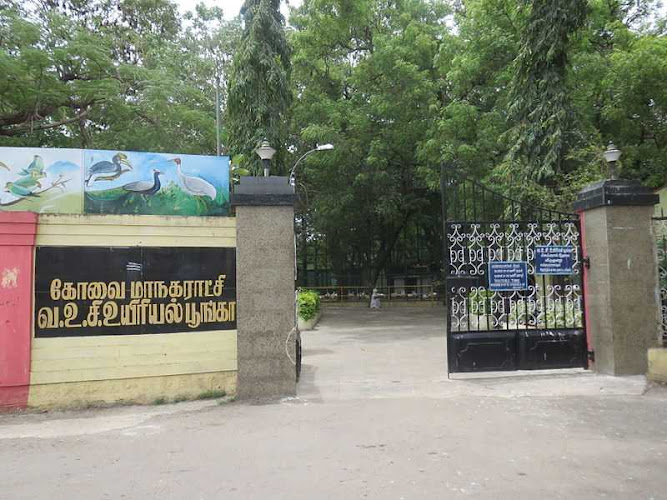
VOC park and zoo
769, Avinashi Rd
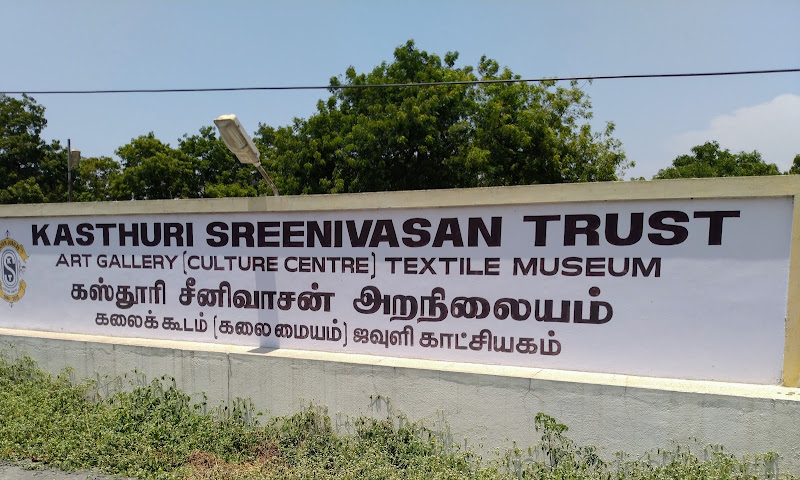
Kasthuri Sreenivasan Art Gallery & Textile Museum (Culture Centre)
Find Accommodations Nearby
Recommended Tours & Activities
Visitor Reviews
There are no reviews yet. Be the first one to write one.
Share Your Experience
Have you visited Surya Kund? Help other travelers by leaving a review.