
Sri Sri Ugratara Devalaya
About Sri Sri Ugratara Devalaya
Description
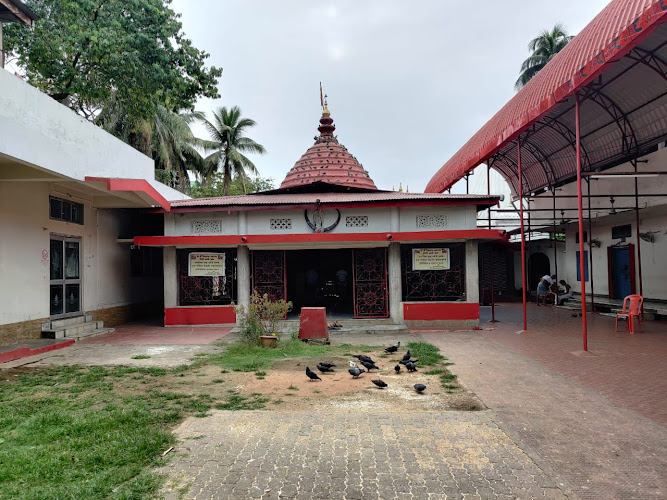
There’s something quietly magnetic about the Sri Sri Ugratara Devalaya in Guwahati. The first time I stepped into its courtyard, I remember feeling the air shift — heavy with incense, the sound of bells echoing through the morning mist. Built in 1725, this red-and-white temple dedicated to Goddess Tara (an incarnation of Shakti) carries centuries of devotion, myth, and local lore within its walls. It’s not one of those overly commercialized temples where you get swept up in queues and loudspeakers. Instead, it feels personal, almost like the goddess herself is watching over every visitor who walks in.
The temple’s architecture, though simple at first glance, has a raw, old-world charm. The red and white hues of the structure stand out against the backdrop of Guwahati’s greenery, almost as if time itself has chosen to pause here. Inside, the sanctum is home to the deity Ugratara — fierce yet compassionate. Locals believe that prayers offered here, especially during early mornings, carry a special power. And honestly, there’s a palpable energy inside; even the most skeptical visitors tend to fall silent for a moment.
What I find particularly interesting is how the temple blends myth and history. Legend says that the navel of Goddess Sati fell at this very spot, making it one of the revered Shakti Peethas in India. That’s probably why you’ll notice devotees from all over the country — from ascetics wrapped in saffron to families carrying offerings of flowers and coconuts. Despite its spiritual importance, the temple doesn’t feel intimidating. It’s welcoming, grounded, and very much part of everyday life in Guwahati.
Over the years, I’ve seen the temple evolve slightly — better facilities, cleaner surroundings, and even wheelchair accessibility, which isn’t something you find often in old religious sites. Yet, it hasn’t lost its soul. There’s still that faint sound of chanting, the scent of sandalwood, and the occasional monkey darting across the roof. It’s these little imperfections that make it feel so human, so alive.
Key Features
- Historical Significance: Built in 1725 by King Siva Singha, the temple stands as one of Assam’s oldest and most revered Shakti shrines.
- Dedicated to Goddess Ugratara: The presiding deity is an incarnation of Goddess Tara, representing fierce compassion and divine feminine energy.
- Architectural Style: The temple showcases traditional Assamese architecture with its red and white façade and modest yet elegant design.
- Spiritual Importance: Believed to be one of the 51 Shakti Peethas, where the navel of Goddess Sati is said to have fallen.
- Accessibility: The temple offers wheelchair-accessible entrances and parking, making it inclusive for all visitors.
- Facilities: Restrooms and basic amenities are available within the temple complex for convenience.
- Local Culture: The temple is a hub during Navaratri and other Shakti festivals, drawing devotees and travelers alike.
- Peaceful Ambience: Despite being located in the heart of Guwahati, it maintains a calm and meditative environment.
Best Time to Visit
If you ask me, the best time to visit Sri Sri Ugratara Devalaya is during the cooler months — from October to March. The weather is pleasant, the skies are clear, and the temple grounds feel more inviting. During Navaratri, the place transforms into a vibrant celebration of devotion and culture. The air hums with chants, lamps flicker everywhere, and the entire area glows with spiritual energy. It can get crowded, yes, but there’s something incredibly moving about being part of that collective faith.
Early mornings are magical here. The first light of dawn hitting the temple dome, the faint sound of conch shells, and the smell of fresh flowers being offered — it’s one of those experiences that sticks with you long after you’ve left. If you prefer a quieter visit, weekdays are ideal. You can sit by the nearby pond, watch locals feed the fish, and just soak in the serenity.
How to Get There
Guwahati is well-connected by air, rail, and road, so reaching the temple is fairly straightforward. From the city center, it’s just a short drive away, tucked in a busy yet charming neighborhood that still retains its old Assamese character. Auto-rickshaws and taxis are easily available, and if you’re staying nearby, you can even walk — it’s a great way to catch glimpses of local life.
I remember once taking a shared cab from Pan Bazaar, and the driver started telling me stories about the goddess — how she protects the city, how people come here before starting new ventures. It’s these casual conversations that make the journey part of the experience. For those traveling from outside Assam, Guwahati’s Lokpriya Gopinath Bordoloi International Airport is the nearest, and from there, you can reach the temple in about 40 minutes depending on traffic.
Tips for Visiting
Here’s the thing — visiting Sri Sri Ugratara Devalaya isn’t just about ticking off another temple on your list. It’s about slowing down, observing, and feeling the rhythm of local spirituality. A few practical tips can make your trip smoother and more meaningful:
- Go Early: The temple opens early in the morning, and that’s when it’s most peaceful. Plus, you’ll avoid the rush and the midday heat.
- Dress Modestly: As with most temples in India, modest clothing is appreciated. Light cottons work best given the humidity.
- Carry Cash: Small donations and offerings are appreciated, and not every stall accepts digital payment yet.
- Respect Local Customs: Remove your shoes before entering and avoid photography in the inner sanctum unless permitted.
- Stay Hydrated: Assam’s weather can be unpredictable — one minute it’s breezy, the next it’s humid. Carry a bottle of water with you.
- Talk to Locals: The temple priests and vendors often share fascinating stories about the goddess and the temple’s history. Don’t hesitate to strike up a conversation.
- Combine Visits: If you have time, explore nearby attractions like Umananda Temple or the Brahmaputra riverfront — both are just a short distance away.
- Mind Your Belongings: While the area is generally safe, it’s always wise to keep an eye on your personal items in crowded times.
One last thing — don’t rush your visit. Sit for a while, maybe under the shade of the old trees near the pond. You’ll notice the rhythm of life here — priests chanting, children playing, devotees lighting lamps. It’s a reminder that spirituality doesn’t always need grandeur; sometimes, it’s found in the simplest of places.
For travelers seeking more than just sightseeing, Sri Sri Ugratara Devalaya offers a glimpse into Assam’s deep-rooted faith and cultural heritage. It’s a place where stories, rituals, and daily life blend seamlessly. Whether you come for prayer, curiosity, or just a quiet escape, you’ll leave with a sense of calm — and maybe, like me, a lingering feeling that you’ve touched something timeless.
Key Features
- Key Features
- Best Time to Visit
- How to Get There
- Tips for Visiting
More Details
Updated October 11, 2025
Table of Contents
Description
There’s something quietly magnetic about the Sri Sri Ugratara Devalaya in Guwahati. The first time I stepped into its courtyard, I remember feeling the air shift — heavy with incense, the sound of bells echoing through the morning mist. Built in 1725, this red-and-white temple dedicated to Goddess Tara (an incarnation of Shakti) carries centuries of devotion, myth, and local lore within its walls. It’s not one of those overly commercialized temples where you get swept up in queues and loudspeakers. Instead, it feels personal, almost like the goddess herself is watching over every visitor who walks in.
The temple’s architecture, though simple at first glance, has a raw, old-world charm. The red and white hues of the structure stand out against the backdrop of Guwahati’s greenery, almost as if time itself has chosen to pause here. Inside, the sanctum is home to the deity Ugratara — fierce yet compassionate. Locals believe that prayers offered here, especially during early mornings, carry a special power. And honestly, there’s a palpable energy inside; even the most skeptical visitors tend to fall silent for a moment.
What I find particularly interesting is how the temple blends myth and history. Legend says that the navel of Goddess Sati fell at this very spot, making it one of the revered Shakti Peethas in India. That’s probably why you’ll notice devotees from all over the country — from ascetics wrapped in saffron to families carrying offerings of flowers and coconuts. Despite its spiritual importance, the temple doesn’t feel intimidating. It’s welcoming, grounded, and very much part of everyday life in Guwahati.
Over the years, I’ve seen the temple evolve slightly — better facilities, cleaner surroundings, and even wheelchair accessibility, which isn’t something you find often in old religious sites. Yet, it hasn’t lost its soul. There’s still that faint sound of chanting, the scent of sandalwood, and the occasional monkey darting across the roof. It’s these little imperfections that make it feel so human, so alive.
Key Features
- Historical Significance: Built in 1725 by King Siva Singha, the temple stands as one of Assam’s oldest and most revered Shakti shrines.
- Dedicated to Goddess Ugratara: The presiding deity is an incarnation of Goddess Tara, representing fierce compassion and divine feminine energy.
- Architectural Style: The temple showcases traditional Assamese architecture with its red and white façade and modest yet elegant design.
- Spiritual Importance: Believed to be one of the 51 Shakti Peethas, where the navel of Goddess Sati is said to have fallen.
- Accessibility: The temple offers wheelchair-accessible entrances and parking, making it inclusive for all visitors.
- Facilities: Restrooms and basic amenities are available within the temple complex for convenience.
- Local Culture: The temple is a hub during Navaratri and other Shakti festivals, drawing devotees and travelers alike.
- Peaceful Ambience: Despite being located in the heart of Guwahati, it maintains a calm and meditative environment.
Best Time to Visit
If you ask me, the best time to visit Sri Sri Ugratara Devalaya is during the cooler months — from October to March. The weather is pleasant, the skies are clear, and the temple grounds feel more inviting. During Navaratri, the place transforms into a vibrant celebration of devotion and culture. The air hums with chants, lamps flicker everywhere, and the entire area glows with spiritual energy. It can get crowded, yes, but there’s something incredibly moving about being part of that collective faith.
Early mornings are magical here. The first light of dawn hitting the temple dome, the faint sound of conch shells, and the smell of fresh flowers being offered — it’s one of those experiences that sticks with you long after you’ve left. If you prefer a quieter visit, weekdays are ideal. You can sit by the nearby pond, watch locals feed the fish, and just soak in the serenity.
How to Get There
Guwahati is well-connected by air, rail, and road, so reaching the temple is fairly straightforward. From the city center, it’s just a short drive away, tucked in a busy yet charming neighborhood that still retains its old Assamese character. Auto-rickshaws and taxis are easily available, and if you’re staying nearby, you can even walk — it’s a great way to catch glimpses of local life.
I remember once taking a shared cab from Pan Bazaar, and the driver started telling me stories about the goddess — how she protects the city, how people come here before starting new ventures. It’s these casual conversations that make the journey part of the experience. For those traveling from outside Assam, Guwahati’s Lokpriya Gopinath Bordoloi International Airport is the nearest, and from there, you can reach the temple in about 40 minutes depending on traffic.
Tips for Visiting
Here’s the thing — visiting Sri Sri Ugratara Devalaya isn’t just about ticking off another temple on your list. It’s about slowing down, observing, and feeling the rhythm of local spirituality. A few practical tips can make your trip smoother and more meaningful:
- Go Early: The temple opens early in the morning, and that’s when it’s most peaceful. Plus, you’ll avoid the rush and the midday heat.
- Dress Modestly: As with most temples in India, modest clothing is appreciated. Light cottons work best given the humidity.
- Carry Cash: Small donations and offerings are appreciated, and not every stall accepts digital payment yet.
- Respect Local Customs: Remove your shoes before entering and avoid photography in the inner sanctum unless permitted.
- Stay Hydrated: Assam’s weather can be unpredictable — one minute it’s breezy, the next it’s humid. Carry a bottle of water with you.
- Talk to Locals: The temple priests and vendors often share fascinating stories about the goddess and the temple’s history. Don’t hesitate to strike up a conversation.
- Combine Visits: If you have time, explore nearby attractions like Umananda Temple or the Brahmaputra riverfront — both are just a short distance away.
- Mind Your Belongings: While the area is generally safe, it’s always wise to keep an eye on your personal items in crowded times.
One last thing — don’t rush your visit. Sit for a while, maybe under the shade of the old trees near the pond. You’ll notice the rhythm of life here — priests chanting, children playing, devotees lighting lamps. It’s a reminder that spirituality doesn’t always need grandeur; sometimes, it’s found in the simplest of places.
For travelers seeking more than just sightseeing, Sri Sri Ugratara Devalaya offers a glimpse into Assam’s deep-rooted faith and cultural heritage. It’s a place where stories, rituals, and daily life blend seamlessly. Whether you come for prayer, curiosity, or just a quiet escape, you’ll leave with a sense of calm — and maybe, like me, a lingering feeling that you’ve touched something timeless.
Key Highlights
- Key Features
- Best Time to Visit
- How to Get There
- Tips for Visiting
Location
Places to Stay Near Sri Sri Ugratara Devalaya
Find and Book a Tour
Explore More Travel Guides
No reviews found! Be the first to review!
Traveler Reviews for Sri Sri Ugratara Devalaya
There are no reviews yet. Be the first one to write one.
Have you visited Sri Sri Ugratara Devalaya? Help other travelers by sharing your review.
You Might Also Like

ISKCON Guwahati

Bhubaneswari Temple
Shraddhanjali Kanan
Find Accommodations Nearby
Recommended Tours & Activities
Visitor Reviews
There are no reviews yet. Be the first one to write one.
Share Your Experience
Have you visited Sri Sri Ugratara Devalaya? Help other travelers by leaving a review.