
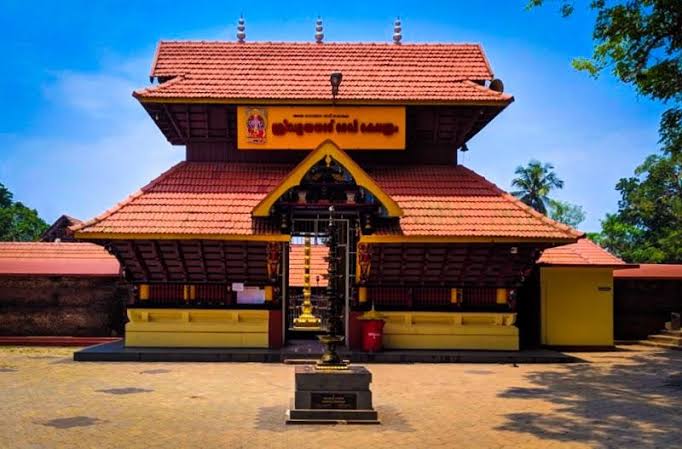
Sree Valayanad Devi Temple
About Sree Valayanad Devi Temple
Description
Sree Valayanad Devi Temple stands as one of Kerala's most revered spiritual destinations, drawing devotees and curious travelers from across India and beyond. This ancient temple, dedicated to Goddess Durga, holds a special place in the hearts of locals who've been visiting for generations. And honestly, there's something quite magnetic about the place that goes beyond the usual temple experience. The temple grounds spread across a peaceful area where the air feels different somehow—cooler, quieter, like you've stepped into a pocket of calm away from the modern world. Many visitors describe an almost immediate sense of tranquility washing over them as they enter, which I think speaks to the spiritual energy that's been cultivated here over centuries. The architecture reflects traditional Kerala temple design, with intricate woodwork and that distinctive sloping roof style you'll recognize if you've spent any time exploring South Indian sacred spaces. What makes Sree Valayanad Devi Temple particularly fascinating is its reputation as a powerful shakti peetham, a place where divine feminine energy is believed to be especially potent. Devotees come seeking blessings for everything from health issues to family matters, and the temple has built quite a reputation for answered prayers over the years. The main deity, presented in a fierce yet protective form, commands respect and reverence from all who stand before her. The temple's history stretches back several centuries, though pinpointing exact dates gets a bit murky as is often the case with ancient Indian temples. Local legends speak of the goddess manifesting here to protect the surrounding villages, and that protective quality still seems to permeate the atmosphere today. Throughout the year, thousands of pilgrims make their way here, their faith unwavering despite the journey required to reach this somewhat tucked-away location.Key Features
The temple offers several distinctive elements that set it apart from other religious sites in Kerala: • The main sanctum houses the powerful idol of Goddess Durga in her Bhadrakali form, an imposing presence that leaves most first-time visitors genuinely awestruck • Daily poojas and rituals follow ancient Vedic traditions, performed with precision by learned priests who've often inherited their positions through family lineages spanning generations • The temple complex includes subsidiary shrines dedicated to other deities, creating a comprehensive spiritual experience for those interested in Hindu worship practices • Annual festivals, particularly during Navaratri, transform the temple into an explosion of devotion, music, and traditional celebrations that run late into the night • Free parking facilities make visiting considerably easier than many other popular temples where finding a spot can become a frustrating ordeal • Restroom facilities are available on-site, though they're fairly basic—this isn't a five-star resort, after all • The temple pond, used for ritual purposes, adds a scenic element to the grounds and serves as a gathering spot during certain ceremonies • Special poojas can be arranged for individual devotees, allowing for more personalized spiritual experiences • The temple maintains a relatively strict dress code and behavioral guidelines, preserving its sacred atmosphere • Photography restrictions apply in certain areas, particularly near the main sanctum, something to keep in mind if you're documentation-obsessedBest Time to Visit
Timing your visit to Sree Valayanad Devi Temple can significantly impact your experience, and I'd recommend putting some thought into when you go. The festival season, particularly during Navaratri in September or October (dates shift according to the lunar calendar), brings the temple to life in ways that regular days simply can't match. But—and this is important—you'll be sharing that experience with massive crowds. We're talking shoulder-to-shoulder humanity at times. If you're someone who finds spiritual connection more easily in quieter settings, the off-season months offer a completely different vibe. January through March provides pleasant weather without the intense heat that Kerala can dish out later in the year. The temperature hovers around comfortable levels, and you might find yourself practically alone in the temple during weekday mornings. There's something special about hearing the temple bells echo through empty halls. The monsoon season from June to September creates yet another atmosphere entirely. Kerala's rains are no joke—they're serious, sustained, and can make travel challenging. However, many devotees believe this period holds special spiritual significance, and the temple surrounded by rain-soaked greenery possesses an undeniable beauty. Just prepare for wet conditions and potential travel delays. Early mornings, regardless of season, offer the most peaceful visiting hours. The temple typically opens around 5:30 or 6:00 AM, and arriving right when the doors open means you'll experience the first pooja of the day with relatively few people around. The morning light filtering through the temple architecture creates photo opportunities that afternoon visits just can't replicate. Avoid visiting during major Indian holidays unless you specifically want the festival experience. Weekends naturally draw larger crowds than weekdays, particularly Fridays which hold special significance for Devi worship. Planning your visit for a Tuesday or Wednesday morning? That's the sweet spot for a more contemplative experience.How to Get There
Getting to Sree Valayanad Devi Temple requires some planning since it's not located in a major metropolitan center. The nearest significant city is Kozhikode (also called Calicut), which sits roughly 25-30 kilometers away depending on your exact route. Most travelers use Kozhikode as their base, which makes practical sense given the accommodation and dining options available there. If you're flying in, Calicut International Airport serves as your entry point. From there, hiring a taxi for the day makes the most sense for international travelers unfamiliar with local transport. The drive takes about 45 minutes to an hour under normal traffic conditions, though Kerala roads can be unpredictable. Auto-rickshaws are cheaper but less comfortable for longer journeys, and you'll need to negotiate the fare beforehand—always settle on a price before starting your journey. The nearest railway station is Feroke, which connects to major Indian cities through the extensive railway network. From Feroke, local buses run toward the temple area, though services can be infrequent and confusing for non-Malayalam speakers. A pre-booked taxi or ride-sharing service eliminates the guesswork. Driving yourself is entirely possible if you're comfortable navigating Indian roads, which operate on their own unique logic system. The temple provides free parking, a genuine blessing that shouldn't be underestimated. Roads leading to the temple are generally well-maintained, though they narrow in places and require defensive driving skills. Local buses do serve the area from Kozhikode, offering the most budget-friendly option. However, be prepared for crowded conditions, multiple stops, and a journey that could take considerably longer than direct transport. For travelers on tight schedules, the time savings of a direct taxi justify the additional cost.Tips for Visiting
Walking into Sree Valayanad Devi Temple unprepared can lead to awkward situations or missed opportunities, so here's what you actually need to know. First and foremost, dress conservatively—this means covering shoulders and knees at minimum. Men typically wear dhotis or long pants with shirts, while women should opt for sarees, salwar kameez, or long skirts with appropriate tops. Shorts, sleeveless tops, and revealing clothing will get you denied entry, no exceptions. The temple doesn't have wheelchair accessibility, which is unfortunately common with older religious structures. If you or your travel companions have mobility challenges, be aware that there are steps and uneven surfaces throughout the complex. Plan accordingly and perhaps visit during quieter times when navigating obstacles becomes easier. Remove your footwear before entering the temple premises—you'll find designated areas for shoe storage near the entrance. Keep your footwear claim ticket safe because finding your shoes among hundreds of identical pairs without it becomes needlessly difficult. Some visitors bring socks to wear inside, which can be more comfortable than walking barefoot on sun-heated stone. Photography policies are strict in many areas, particularly the inner sanctum. When in doubt, ask permission before snapping photos. Some devotees find photography disrespectful during worship, so maintain awareness of your surroundings and the mood of the space. Bring cash for offerings, special poojas, and any prasadam you might want to purchase. Don't expect credit card facilities or ATMs on the temple grounds. Small denomination notes are particularly useful for making offerings. The temple maintains a traditional atmosphere, which means silence and respectful behavior are expected. Loud conversations, mobile phone use, and general tourist behavior that might fly at historical monuments won't be appreciated here. This is an active place of worship first, tourist attraction second. Consider hiring a local guide if you're interested in understanding the temple's history, architectural details, and religious significance. Many hang around the entrance offering services, and a good guide transforms the visit from simple sightseeing into genuine cultural education. Negotiate prices beforehand, though. Women should be aware that during menstruation, traditional temple practices often restrict entry. While this may seem outdated to some, respecting local customs is part of responsible travel. Plan your visit accordingly if this applies to you. The restroom facilities exist but don't expect Western standards. Come prepared with tissues or hand sanitizer, and adjust your expectations to match the reality of a traditional temple setting. Finally, and I can't stress this enough—approach your visit with an open mind and respectful attitude. Whether you're religious, spiritual, or simply culturally curious, the temple deserves the same reverence that devoted pilgrims bring. That respectful energy creates the peaceful atmosphere that makes Sree Valayanad Devi Temple worth visiting in the first place.Key Features
- Dedicated to Goddess Bhagavathy (Durga) with traditional Kerala worship practices
- North-facing sanctum and four gopurams characteristic of the site
- Well-preserved Kerala-style architecture: sloping roofs, wooden carvings and inner courtyard (nalambalam)
- Lively ritual calendar including daily poojas and annual festivals with traditional percussion
- Accessible city location near Govindapuram/Mankavu, close to Kozhikode transport links
More Details
Updated January 16, 2026
Table of Contents
Description
Sree Valayanad Devi Temple stands as one of Kerala’s most revered spiritual destinations, drawing devotees and curious travelers from across India and beyond. This ancient temple, dedicated to Goddess Durga, holds a special place in the hearts of locals who’ve been visiting for generations. And honestly, there’s something quite magnetic about the place that goes beyond the usual temple experience.
The temple grounds spread across a peaceful area where the air feels different somehow—cooler, quieter, like you’ve stepped into a pocket of calm away from the modern world. Many visitors describe an almost immediate sense of tranquility washing over them as they enter, which I think speaks to the spiritual energy that’s been cultivated here over centuries. The architecture reflects traditional Kerala temple design, with intricate woodwork and that distinctive sloping roof style you’ll recognize if you’ve spent any time exploring South Indian sacred spaces.
What makes Sree Valayanad Devi Temple particularly fascinating is its reputation as a powerful shakti peetham, a place where divine feminine energy is believed to be especially potent. Devotees come seeking blessings for everything from health issues to family matters, and the temple has built quite a reputation for answered prayers over the years. The main deity, presented in a fierce yet protective form, commands respect and reverence from all who stand before her.
The temple’s history stretches back several centuries, though pinpointing exact dates gets a bit murky as is often the case with ancient Indian temples. Local legends speak of the goddess manifesting here to protect the surrounding villages, and that protective quality still seems to permeate the atmosphere today. Throughout the year, thousands of pilgrims make their way here, their faith unwavering despite the journey required to reach this somewhat tucked-away location.
Key Features
The temple offers several distinctive elements that set it apart from other religious sites in Kerala:
• The main sanctum houses the powerful idol of Goddess Durga in her Bhadrakali form, an imposing presence that leaves most first-time visitors genuinely awestruck
• Daily poojas and rituals follow ancient Vedic traditions, performed with precision by learned priests who’ve often inherited their positions through family lineages spanning generations
• The temple complex includes subsidiary shrines dedicated to other deities, creating a comprehensive spiritual experience for those interested in Hindu worship practices
• Annual festivals, particularly during Navaratri, transform the temple into an explosion of devotion, music, and traditional celebrations that run late into the night
• Free parking facilities make visiting considerably easier than many other popular temples where finding a spot can become a frustrating ordeal
• Restroom facilities are available on-site, though they’re fairly basic—this isn’t a five-star resort, after all
• The temple pond, used for ritual purposes, adds a scenic element to the grounds and serves as a gathering spot during certain ceremonies
• Special poojas can be arranged for individual devotees, allowing for more personalized spiritual experiences
• The temple maintains a relatively strict dress code and behavioral guidelines, preserving its sacred atmosphere
• Photography restrictions apply in certain areas, particularly near the main sanctum, something to keep in mind if you’re documentation-obsessed
Best Time to Visit
Timing your visit to Sree Valayanad Devi Temple can significantly impact your experience, and I’d recommend putting some thought into when you go. The festival season, particularly during Navaratri in September or October (dates shift according to the lunar calendar), brings the temple to life in ways that regular days simply can’t match. But—and this is important—you’ll be sharing that experience with massive crowds. We’re talking shoulder-to-shoulder humanity at times.
If you’re someone who finds spiritual connection more easily in quieter settings, the off-season months offer a completely different vibe. January through March provides pleasant weather without the intense heat that Kerala can dish out later in the year. The temperature hovers around comfortable levels, and you might find yourself practically alone in the temple during weekday mornings. There’s something special about hearing the temple bells echo through empty halls.
The monsoon season from June to September creates yet another atmosphere entirely. Kerala’s rains are no joke—they’re serious, sustained, and can make travel challenging. However, many devotees believe this period holds special spiritual significance, and the temple surrounded by rain-soaked greenery possesses an undeniable beauty. Just prepare for wet conditions and potential travel delays.
Early mornings, regardless of season, offer the most peaceful visiting hours. The temple typically opens around 5:30 or 6:00 AM, and arriving right when the doors open means you’ll experience the first pooja of the day with relatively few people around. The morning light filtering through the temple architecture creates photo opportunities that afternoon visits just can’t replicate.
Avoid visiting during major Indian holidays unless you specifically want the festival experience. Weekends naturally draw larger crowds than weekdays, particularly Fridays which hold special significance for Devi worship. Planning your visit for a Tuesday or Wednesday morning? That’s the sweet spot for a more contemplative experience.
How to Get There
Getting to Sree Valayanad Devi Temple requires some planning since it’s not located in a major metropolitan center. The nearest significant city is Kozhikode (also called Calicut), which sits roughly 25-30 kilometers away depending on your exact route. Most travelers use Kozhikode as their base, which makes practical sense given the accommodation and dining options available there.
If you’re flying in, Calicut International Airport serves as your entry point. From there, hiring a taxi for the day makes the most sense for international travelers unfamiliar with local transport. The drive takes about 45 minutes to an hour under normal traffic conditions, though Kerala roads can be unpredictable. Auto-rickshaws are cheaper but less comfortable for longer journeys, and you’ll need to negotiate the fare beforehand—always settle on a price before starting your journey.
The nearest railway station is Feroke, which connects to major Indian cities through the extensive railway network. From Feroke, local buses run toward the temple area, though services can be infrequent and confusing for non-Malayalam speakers. A pre-booked taxi or ride-sharing service eliminates the guesswork.
Driving yourself is entirely possible if you’re comfortable navigating Indian roads, which operate on their own unique logic system. The temple provides free parking, a genuine blessing that shouldn’t be underestimated. Roads leading to the temple are generally well-maintained, though they narrow in places and require defensive driving skills.
Local buses do serve the area from Kozhikode, offering the most budget-friendly option. However, be prepared for crowded conditions, multiple stops, and a journey that could take considerably longer than direct transport. For travelers on tight schedules, the time savings of a direct taxi justify the additional cost.
Tips for Visiting
Walking into Sree Valayanad Devi Temple unprepared can lead to awkward situations or missed opportunities, so here’s what you actually need to know. First and foremost, dress conservatively—this means covering shoulders and knees at minimum. Men typically wear dhotis or long pants with shirts, while women should opt for sarees, salwar kameez, or long skirts with appropriate tops. Shorts, sleeveless tops, and revealing clothing will get you denied entry, no exceptions.
The temple doesn’t have wheelchair accessibility, which is unfortunately common with older religious structures. If you or your travel companions have mobility challenges, be aware that there are steps and uneven surfaces throughout the complex. Plan accordingly and perhaps visit during quieter times when navigating obstacles becomes easier.
Remove your footwear before entering the temple premises—you’ll find designated areas for shoe storage near the entrance. Keep your footwear claim ticket safe because finding your shoes among hundreds of identical pairs without it becomes needlessly difficult. Some visitors bring socks to wear inside, which can be more comfortable than walking barefoot on sun-heated stone.
Photography policies are strict in many areas, particularly the inner sanctum. When in doubt, ask permission before snapping photos. Some devotees find photography disrespectful during worship, so maintain awareness of your surroundings and the mood of the space.
Bring cash for offerings, special poojas, and any prasadam you might want to purchase. Don’t expect credit card facilities or ATMs on the temple grounds. Small denomination notes are particularly useful for making offerings.
The temple maintains a traditional atmosphere, which means silence and respectful behavior are expected. Loud conversations, mobile phone use, and general tourist behavior that might fly at historical monuments won’t be appreciated here. This is an active place of worship first, tourist attraction second.
Consider hiring a local guide if you’re interested in understanding the temple’s history, architectural details, and religious significance. Many hang around the entrance offering services, and a good guide transforms the visit from simple sightseeing into genuine cultural education. Negotiate prices beforehand, though.
Women should be aware that during menstruation, traditional temple practices often restrict entry. While this may seem outdated to some, respecting local customs is part of responsible travel. Plan your visit accordingly if this applies to you.
The restroom facilities exist but don’t expect Western standards. Come prepared with tissues or hand sanitizer, and adjust your expectations to match the reality of a traditional temple setting.
Finally, and I can’t stress this enough—approach your visit with an open mind and respectful attitude. Whether you’re religious, spiritual, or simply culturally curious, the temple deserves the same reverence that devoted pilgrims bring. That respectful energy creates the peaceful atmosphere that makes Sree Valayanad Devi Temple worth visiting in the first place.
Key Highlights
- Dedicated to Goddess Bhagavathy (Durga) with traditional Kerala worship practices
- North-facing sanctum and four gopurams characteristic of the site
- Well-preserved Kerala-style architecture: sloping roofs, wooden carvings and inner courtyard (nalambalam)
- Lively ritual calendar including daily poojas and annual festivals with traditional percussion
- Accessible city location near Govindapuram/Mankavu, close to Kozhikode transport links
Location
Places to Stay Near Sree Valayanad Devi Temple
Find and Book a Tour
Explore More Travel Guides
No reviews found! Be the first to review!
Traveler Reviews for Sree Valayanad Devi Temple
There are no reviews yet. Be the first one to write one.
Have you visited Sree Valayanad Devi Temple? Help other travelers by sharing your review.
Nearby Attractions
You Might Also Like

Varakkal Sri Durga Devi Temple

Tali Urban Heritage Core
![Malabar Botanical Garden and Institute for Plant Sciences [KSCSTE MBGIPS]](https://www.realjourneytravels.com/wp-content/uploads/Malabar-Botanical-Garden-and-Institute-for-Plant-Sciences-KSCSTE-MBGIPS-Kozhikode.jpg)
Malabar Botanical Garden and Institute for Plant Sciences [KSCSTE MBGIPS]
Find Accommodations Nearby
Recommended Tours & Activities
Visitor Reviews
There are no reviews yet. Be the first one to write one.
Share Your Experience
Have you visited Sree Valayanad Devi Temple? Help other travelers by leaving a review.