
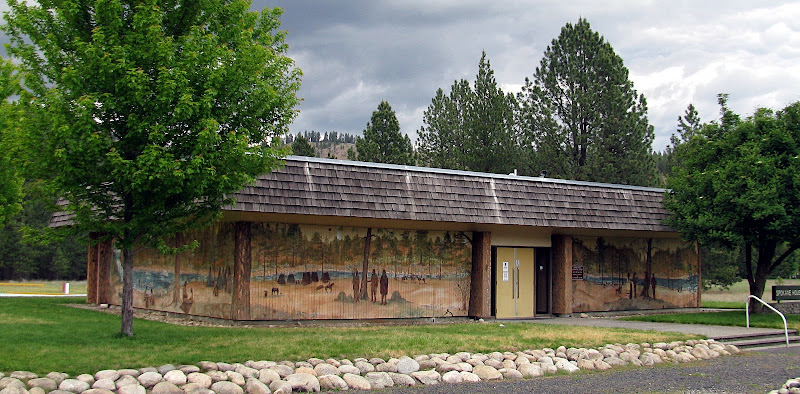
Spokane House Interpretive Center
About Spokane House Interpretive Center
Description
The Spokane House Interpretive Center is one of those places that quietly rearranges how a traveler thinks about the Inland Northwest. It doesn’t shout for attention, and honestly, that’s part of its charm. This historic site marks the location of the first permanent European settlement in what is now Washington State, established in 1810 as a fur trading post. That fact alone gives it serious historical weight, but the experience goes far beyond a plaque on a wall.
The interpretive center focuses on the fur trade era and the complex relationships between traders, explorers, and the Indigenous tribes who were already living and thriving along the Spokane River. And yes, that nuance matters. Too many historic sites gloss over the uncomfortable parts, but this place actually leans into them, explaining how trade, survival, and power all tangled together in ways that still echo today.
The building itself is modest, approachable, and intentionally so. It feels like a place meant for learning, not impressing. Inside, visitors find exhibits that explain daily life at the original Spokane House, how fur trading worked, and why this location was chosen in the first place. Spoiler: rivers were the highways back then, and this one was a big deal. There’s something grounding about standing where history happened, even if the original structure is long gone.
What stands out most is how readable and family-friendly the displays are. Kids don’t get bored immediately (a miracle), and adults don’t feel talked down to. The tone strikes that rare middle ground. And if you’re the kind of traveler who likes imagining the sounds and smells of the past, you’ll find plenty to spark that mental time travel.
The grounds around the interpretive center are peaceful, with open space that makes it easy to linger. On a clear day, the river nearby adds a calming soundtrack. It’s not unusual to see visitors sitting quietly for a few minutes, just taking it all in. That’s something no brochure ever tells you, but it happens.
From a traveler’s perspective, this is a meaningful stop rather than a quick checkbox. It won’t eat up your entire day, but it will stick with you longer than you expect. And personally, having visited a lot of historical attractions over the years, this one feels honest. A little rough around the edges, sure. But that almost makes it better.
Key Features
- Interpretive exhibits explaining the fur trade economy and daily life in the early 1800s
- Clear storytelling about Indigenous tribes and their role in regional history
- Hands-on and visual displays that work well for kids and adults
- Wheelchair-accessible entrance and open layout for easy navigation
- Outdoor space near the Spokane River for reflection and exploration
- Educational focus without overwhelming visitors with text-heavy panels
- Quiet, uncrowded atmosphere compared to larger tourist attractions
Best Time to Visit
The Spokane House Interpretive Center is best visited during late spring through early fall, when the weather in the Spokane area behaves itself. Summers bring warm days and long daylight hours, which makes walking the grounds far more enjoyable. And the river nearby tends to look its best then, moving steadily but calmly, like it knows people are watching.
Spring is underrated, though. There’s something fitting about learning frontier history while the landscape is waking up again. Wildflowers pop up, birds are noisy in the best way, and the crowds haven’t fully arrived yet. If you’re someone who prefers fewer people around while you read exhibits (raising a hand here), this is your window.
Fall has its own appeal. Cooler air, changing leaves, and a quieter feel overall. The interpretive center doesn’t feel rushed, and neither do you. Winter visits are possible, but conditions can be unpredictable. Snow and ice may limit access to outdoor areas, and the atmosphere shifts from contemplative to downright cold. Some folks like that. Others, not so much.
Weekday mornings tend to be the calmest. Weekends see more families and school groups, which can be fun energy-wise but slightly noisier. It depends on your travel style. If you like hearing kids ask unexpected questions about beavers and trading routes, go on a Saturday. If you want silence, aim for Tuesday at opening time.
How to Get There
The Spokane House Interpretive Center is located in the greater Spokane area, not far from major roads but just far enough to feel removed from city noise. Travelers coming from downtown Spokane usually find the drive straightforward, with signage pointing the way once you’re close. It’s not the kind of place you accidentally stumble upon, but it’s also not hard to reach if you’re paying attention.
Driving is the most practical option. Public transportation options are limited, and rideshare availability can be spotty depending on the time of day. For road-trippers, this stop pairs nicely with other historical or outdoor attractions in the region. It fits well into a half-day itinerary without feeling rushed.
Parking is generally simple and stress-free. No circling for twenty minutes, no guessing games. And that alone deserves some appreciation, honestly. Once parked, the walk to the interpretive center is short and accessible, making it manageable for visitors of all mobility levels.
Tips for Visiting
First tip: slow down. This isn’t a place to rush through in fifteen minutes. Give yourself time to actually read the exhibits and think about what they’re saying. The stories here aren’t flashy, but they’re layered. And those layers matter.
Bring kids, but prep them a little. Explaining beforehand that this is about history, trading, and survival helps set expectations. The center does a good job keeping younger visitors engaged, but a bit of context goes a long way. I once watched a kid become deeply invested in how many beaver pelts it took to trade for basic supplies. That’s a win.
Comfortable shoes help, even though the site isn’t huge. You’ll likely wander the grounds a bit, and uneven surfaces can sneak up on you. Also, check the weather. There’s indoor space, yes, but the outdoor setting is part of the experience, and rain changes the vibe.
Photography is welcome, but remember this is an educational space first. Be respectful, especially if school groups or guided discussions are happening. And maybe take a moment to put the phone down. Not everything needs documenting.
If you’re a history buff, consider pairing this visit with reading up on the fur trade before or after. The interpretive center gives you the framework, but diving deeper adds richness. And if you’re not a history buff? That’s okay. This place has a way of making the past feel personal, even for skeptics.
Lastly, don’t be surprised if this stop ends up being one of the more memorable parts of your trip. It’s unassuming, yes. But sometimes the quieter places leave the loudest impressions. And that’s kind of the Spokane House Interpretive Center in a nutshell.
Key Features
- Interpretive exhibits explaining the fur trade economy and daily life in the early 1800s
- Clear storytelling about Indigenous tribes and their role in regional history
- Hands-on and visual displays that work well for kids and adults
- Wheelchair-accessible entrance and open layout for easy navigation
- Outdoor space near the Spokane River for reflection and exploration
- Educational focus without overwhelming visitors with text-heavy panels
- Quiet, uncrowded atmosphere compared to larger tourist attractions
More Details
Updated January 1, 2026
Table of Contents
Description
The Spokane House Interpretive Center is one of those places that quietly rearranges how a traveler thinks about the Inland Northwest. It doesn’t shout for attention, and honestly, that’s part of its charm. This historic site marks the location of the first permanent European settlement in what is now Washington State, established in 1810 as a fur trading post. That fact alone gives it serious historical weight, but the experience goes far beyond a plaque on a wall.
The interpretive center focuses on the fur trade era and the complex relationships between traders, explorers, and the Indigenous tribes who were already living and thriving along the Spokane River. And yes, that nuance matters. Too many historic sites gloss over the uncomfortable parts, but this place actually leans into them, explaining how trade, survival, and power all tangled together in ways that still echo today.
The building itself is modest, approachable, and intentionally so. It feels like a place meant for learning, not impressing. Inside, visitors find exhibits that explain daily life at the original Spokane House, how fur trading worked, and why this location was chosen in the first place. Spoiler: rivers were the highways back then, and this one was a big deal. There’s something grounding about standing where history happened, even if the original structure is long gone.
What stands out most is how readable and family-friendly the displays are. Kids don’t get bored immediately (a miracle), and adults don’t feel talked down to. The tone strikes that rare middle ground. And if you’re the kind of traveler who likes imagining the sounds and smells of the past, you’ll find plenty to spark that mental time travel.
The grounds around the interpretive center are peaceful, with open space that makes it easy to linger. On a clear day, the river nearby adds a calming soundtrack. It’s not unusual to see visitors sitting quietly for a few minutes, just taking it all in. That’s something no brochure ever tells you, but it happens.
From a traveler’s perspective, this is a meaningful stop rather than a quick checkbox. It won’t eat up your entire day, but it will stick with you longer than you expect. And personally, having visited a lot of historical attractions over the years, this one feels honest. A little rough around the edges, sure. But that almost makes it better.
Key Features
- Interpretive exhibits explaining the fur trade economy and daily life in the early 1800s
- Clear storytelling about Indigenous tribes and their role in regional history
- Hands-on and visual displays that work well for kids and adults
- Wheelchair-accessible entrance and open layout for easy navigation
- Outdoor space near the Spokane River for reflection and exploration
- Educational focus without overwhelming visitors with text-heavy panels
- Quiet, uncrowded atmosphere compared to larger tourist attractions
Best Time to Visit
The Spokane House Interpretive Center is best visited during late spring through early fall, when the weather in the Spokane area behaves itself. Summers bring warm days and long daylight hours, which makes walking the grounds far more enjoyable. And the river nearby tends to look its best then, moving steadily but calmly, like it knows people are watching.
Spring is underrated, though. There’s something fitting about learning frontier history while the landscape is waking up again. Wildflowers pop up, birds are noisy in the best way, and the crowds haven’t fully arrived yet. If you’re someone who prefers fewer people around while you read exhibits (raising a hand here), this is your window.
Fall has its own appeal. Cooler air, changing leaves, and a quieter feel overall. The interpretive center doesn’t feel rushed, and neither do you. Winter visits are possible, but conditions can be unpredictable. Snow and ice may limit access to outdoor areas, and the atmosphere shifts from contemplative to downright cold. Some folks like that. Others, not so much.
Weekday mornings tend to be the calmest. Weekends see more families and school groups, which can be fun energy-wise but slightly noisier. It depends on your travel style. If you like hearing kids ask unexpected questions about beavers and trading routes, go on a Saturday. If you want silence, aim for Tuesday at opening time.
How to Get There
The Spokane House Interpretive Center is located in the greater Spokane area, not far from major roads but just far enough to feel removed from city noise. Travelers coming from downtown Spokane usually find the drive straightforward, with signage pointing the way once you’re close. It’s not the kind of place you accidentally stumble upon, but it’s also not hard to reach if you’re paying attention.
Driving is the most practical option. Public transportation options are limited, and rideshare availability can be spotty depending on the time of day. For road-trippers, this stop pairs nicely with other historical or outdoor attractions in the region. It fits well into a half-day itinerary without feeling rushed.
Parking is generally simple and stress-free. No circling for twenty minutes, no guessing games. And that alone deserves some appreciation, honestly. Once parked, the walk to the interpretive center is short and accessible, making it manageable for visitors of all mobility levels.
Tips for Visiting
First tip: slow down. This isn’t a place to rush through in fifteen minutes. Give yourself time to actually read the exhibits and think about what they’re saying. The stories here aren’t flashy, but they’re layered. And those layers matter.
Bring kids, but prep them a little. Explaining beforehand that this is about history, trading, and survival helps set expectations. The center does a good job keeping younger visitors engaged, but a bit of context goes a long way. I once watched a kid become deeply invested in how many beaver pelts it took to trade for basic supplies. That’s a win.
Comfortable shoes help, even though the site isn’t huge. You’ll likely wander the grounds a bit, and uneven surfaces can sneak up on you. Also, check the weather. There’s indoor space, yes, but the outdoor setting is part of the experience, and rain changes the vibe.
Photography is welcome, but remember this is an educational space first. Be respectful, especially if school groups or guided discussions are happening. And maybe take a moment to put the phone down. Not everything needs documenting.
If you’re a history buff, consider pairing this visit with reading up on the fur trade before or after. The interpretive center gives you the framework, but diving deeper adds richness. And if you’re not a history buff? That’s okay. This place has a way of making the past feel personal, even for skeptics.
Lastly, don’t be surprised if this stop ends up being one of the more memorable parts of your trip. It’s unassuming, yes. But sometimes the quieter places leave the loudest impressions. And that’s kind of the Spokane House Interpretive Center in a nutshell.
Key Highlights
- Interpretive exhibits explaining the fur trade economy and daily life in the early 1800s
- Clear storytelling about Indigenous tribes and their role in regional history
- Hands-on and visual displays that work well for kids and adults
- Wheelchair-accessible entrance and open layout for easy navigation
- Outdoor space near the Spokane River for reflection and exploration
- Educational focus without overwhelming visitors with text-heavy panels
- Quiet, uncrowded atmosphere compared to larger tourist attractions
Location
Places to Stay Near Spokane House Interpretive Center
Find and Book a Tour
Explore More Travel Guides
No reviews found! Be the first to review!
Traveler Reviews for Spokane House Interpretive Center
There are no reviews yet. Be the first one to write one.
Have you visited Spokane House Interpretive Center? Help other travelers by sharing your review.
You Might Also Like

Huntington Park
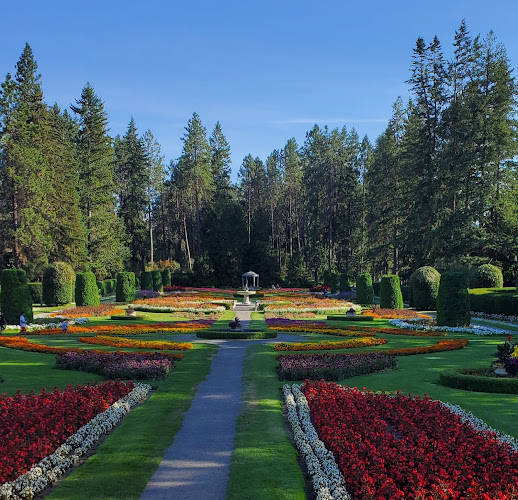
Manito Park

John A. Finch Arboretum
Find Accommodations Nearby
Recommended Tours & Activities
Visitor Reviews
There are no reviews yet. Be the first one to write one.
Share Your Experience
Have you visited Spokane House Interpretive Center? Help other travelers by leaving a review.