
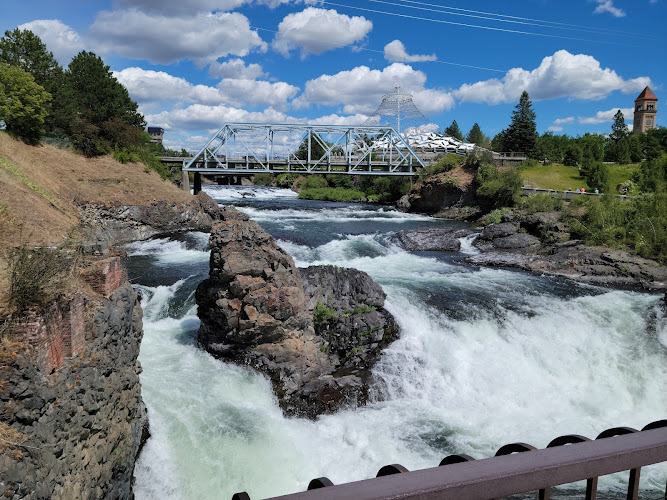
Spokane Falls (Upper Falls)
About Spokane Falls (Upper Falls)
Description
Spokane Falls (Upper Falls) is one of those rare places where a city basically hands you a front-row seat to raw, roaring nature and says, “Here, enjoy.” And people do. A lot. The Upper Falls crashes through downtown Spokane with a force that feels slightly unreal the first time you see it. Water surges over basalt cliffs, throwing mist into the air, and on sunny days that mist loves to turn into rainbows, like it’s showing off a bit. Honestly, it deserves to.
The falls sit inside Riverfront Park, which makes them shockingly easy to access. No long hikes, no scrambling over rocks unless you want to. You can roll right up to viewpoints, which is something the writer appreciates more than they used to, after a knee injury that still complains on cold mornings. And yes, wheelchair accessibility here isn’t an afterthought. It’s built in, thoughtfully.
What makes the Upper Falls special isn’t just the power of the water (though during spring runoff it’s borderline ferocious). It’s the way the falls are woven into daily life in Spokane. Office workers wander over on lunch breaks. Kids press their faces to railings and shout when a big surge hits. Travelers pause mid-walk, phones halfway raised, because the sound alone demands attention. And there’s something grounding about that. Nature not tucked away, but right there, doing its thing.
Historically speaking, these falls mattered long before selfies and scenic overlooks. Indigenous peoples used this area as a major fishing site, especially for salmon. Later, the falls powered mills and helped Spokane grow into a real-deal city. When you stand there now, it’s easy to forget that blend of past and present, but it’s part of the energy you feel. This place has always been busy, just in different ways.
The sentiment around the Upper Falls is mostly glowing, and deservedly so. Some folks wish for quieter moments or fewer people, sure. Others grumble when the water levels drop later in summer and the falls look a bit calmer. But even then, calmer here still means impressive. It’s not a trickle. It’s a reminder that rivers don’t really care about our expectations.
Key Features
- Powerful waterfall with dramatic seasonal flow changes
- Located within Riverfront Park, steps from downtown Spokane
- Multiple viewing platforms offering different angles and vibes
- Wheelchair accessible paths, entrances, and parking areas
- Safe and engaging for kids, with railings and open space
- Excellent photography opportunities, especially during spring
- Close to bridges, public art, and walking trails
- Free to visit, which always feels like a small miracle
Best Time to Visit
If you want the Upper Falls at their loudest and wildest, spring is your moment. Snowmelt from the mountains feeds the Spokane River, and the falls respond by going full beast mode. The sound is thunderous, the mist is heavy, and you might end up with damp hair even on a clear day. Worth it. Absolutely worth it.
Summer brings a different experience. The water levels drop, but the area comes alive with people. Families, couples, solo wanderers with iced coffee in hand. The weather is usually cooperative, and long daylight hours mean you can linger. And linger you should. Sit on a bench, watch the water, let your brain slow down a notch. It’s underrated therapy.
Fall has its own charm, though it’s quieter. The air sharpens, leaves start to turn, and the crowds thin. The falls won’t be as dramatic, but there’s a moodiness that sneaks in, especially on overcast days. The writer once visited on a drizzly October afternoon and ended up staying way longer than planned, just watching the river roll on like it had places to be.
Winter is hit or miss. Some days are icy and still, others surprisingly sunny. When snow dusts the surrounding park and the river steams slightly in the cold air, it’s magical. But be cautious. Paths can be slick, and not all viewpoints feel friendly in freezing temps. Still, if you’re bundled up and patient, winter visits can feel like you’ve discovered a secret.
How to Get There
Getting to Spokane Falls (Upper Falls) is refreshingly straightforward, especially for a natural attraction. It’s right in downtown Spokane, inside Riverfront Park. If you’re staying anywhere near the city center, you can probably walk. And walking is recommended, because you’ll stumble onto cool stuff along the way. Statues, bridges, random street performers sometimes.
Driving is easy too. Parking areas around the park are well marked, including accessible parking. From there, paved paths guide you straight to the viewpoints. No guesswork, no awkward wandering around asking strangers if you’re lost. Public transportation drops visitors close as well, which is nice if you’re trying to keep things simple.
For travelers flying in, the falls are a short drive from the airport. And that’s kind of amazing, right? You can land, grab your bag, and be standing in front of a major waterfall not long after. Few cities offer that kind of instant payoff.
Tips for Visiting
First tip, and it sounds obvious, but don’t rush it. People sometimes treat the Upper Falls like a quick photo stop. Snap, smile, move on. But if you give it time, it gives back. Walk to more than one viewpoint. The falls look and feel different from each angle, and that variety is half the fun.
Second, dress with the mist in mind. In spring especially, that spray travels. A light waterproof jacket goes a long way. The writer learned this the hard way, standing too close and laughing it off until realizing their jeans were basically soaked. Rookie move.
Third, bring kids but keep an eye on them. The area is good for kids, genuinely so, but water plus excitement equals sudden dashes toward railings. Thankfully, the railings are solid and well placed. Still, you know how kids are. Blink and they’re three steps ahead.
Fourth, mornings tend to be calmer. If crowds make you itchy, aim for earlier in the day. The light is softer too, which photographers love. Sunset is gorgeous, no doubt, but it’s also prime time for visitors.
Fifth, take a moment to look beyond the water. Bridges frame the falls in cool ways. Old stonework hints at the area’s industrial past. There’s texture here, layers. It’s not just a waterfall plopped into a park. It’s a whole scene.
And lastly, let yourself feel a little small. That sounds cheesy, maybe, but it’s true. Standing next to that much moving water has a way of resetting perspective. Deadlines feel less urgent. Annoyances shrink. The river’s been doing this for thousands of years, after all. Your to-do list can wait ten minutes.
Spokane Falls (Upper Falls) isn’t trying to be hidden or exclusive. It’s bold, loud, and right there in the open. And maybe that’s why it sticks with people. You don’t have to work hard to experience it, but if you slow down and really look, it leaves a mark. Travelers come for a quick stop and often leave surprised by how much it moved them. Literally and otherwise.
Key Features
- Powerful waterfall with dramatic seasonal flow changes
- Located within Riverfront Park, steps from downtown Spokane
- Multiple viewing platforms offering different angles and vibes
- Wheelchair accessible paths, entrances, and parking areas
- Safe and engaging for kids, with railings and open space
- Excellent photography opportunities, especially during spring
- Close to bridges, public art, and walking trails
- Free to visit, which always feels like a small miracle
More Details
Updated December 31, 2025
Table of Contents
Description
Spokane Falls (Upper Falls) is one of those rare places where a city basically hands you a front-row seat to raw, roaring nature and says, “Here, enjoy.” And people do. A lot. The Upper Falls crashes through downtown Spokane with a force that feels slightly unreal the first time you see it. Water surges over basalt cliffs, throwing mist into the air, and on sunny days that mist loves to turn into rainbows, like it’s showing off a bit. Honestly, it deserves to.
The falls sit inside Riverfront Park, which makes them shockingly easy to access. No long hikes, no scrambling over rocks unless you want to. You can roll right up to viewpoints, which is something the writer appreciates more than they used to, after a knee injury that still complains on cold mornings. And yes, wheelchair accessibility here isn’t an afterthought. It’s built in, thoughtfully.
What makes the Upper Falls special isn’t just the power of the water (though during spring runoff it’s borderline ferocious). It’s the way the falls are woven into daily life in Spokane. Office workers wander over on lunch breaks. Kids press their faces to railings and shout when a big surge hits. Travelers pause mid-walk, phones halfway raised, because the sound alone demands attention. And there’s something grounding about that. Nature not tucked away, but right there, doing its thing.
Historically speaking, these falls mattered long before selfies and scenic overlooks. Indigenous peoples used this area as a major fishing site, especially for salmon. Later, the falls powered mills and helped Spokane grow into a real-deal city. When you stand there now, it’s easy to forget that blend of past and present, but it’s part of the energy you feel. This place has always been busy, just in different ways.
The sentiment around the Upper Falls is mostly glowing, and deservedly so. Some folks wish for quieter moments or fewer people, sure. Others grumble when the water levels drop later in summer and the falls look a bit calmer. But even then, calmer here still means impressive. It’s not a trickle. It’s a reminder that rivers don’t really care about our expectations.
Key Features
- Powerful waterfall with dramatic seasonal flow changes
- Located within Riverfront Park, steps from downtown Spokane
- Multiple viewing platforms offering different angles and vibes
- Wheelchair accessible paths, entrances, and parking areas
- Safe and engaging for kids, with railings and open space
- Excellent photography opportunities, especially during spring
- Close to bridges, public art, and walking trails
- Free to visit, which always feels like a small miracle
Best Time to Visit
If you want the Upper Falls at their loudest and wildest, spring is your moment. Snowmelt from the mountains feeds the Spokane River, and the falls respond by going full beast mode. The sound is thunderous, the mist is heavy, and you might end up with damp hair even on a clear day. Worth it. Absolutely worth it.
Summer brings a different experience. The water levels drop, but the area comes alive with people. Families, couples, solo wanderers with iced coffee in hand. The weather is usually cooperative, and long daylight hours mean you can linger. And linger you should. Sit on a bench, watch the water, let your brain slow down a notch. It’s underrated therapy.
Fall has its own charm, though it’s quieter. The air sharpens, leaves start to turn, and the crowds thin. The falls won’t be as dramatic, but there’s a moodiness that sneaks in, especially on overcast days. The writer once visited on a drizzly October afternoon and ended up staying way longer than planned, just watching the river roll on like it had places to be.
Winter is hit or miss. Some days are icy and still, others surprisingly sunny. When snow dusts the surrounding park and the river steams slightly in the cold air, it’s magical. But be cautious. Paths can be slick, and not all viewpoints feel friendly in freezing temps. Still, if you’re bundled up and patient, winter visits can feel like you’ve discovered a secret.
How to Get There
Getting to Spokane Falls (Upper Falls) is refreshingly straightforward, especially for a natural attraction. It’s right in downtown Spokane, inside Riverfront Park. If you’re staying anywhere near the city center, you can probably walk. And walking is recommended, because you’ll stumble onto cool stuff along the way. Statues, bridges, random street performers sometimes.
Driving is easy too. Parking areas around the park are well marked, including accessible parking. From there, paved paths guide you straight to the viewpoints. No guesswork, no awkward wandering around asking strangers if you’re lost. Public transportation drops visitors close as well, which is nice if you’re trying to keep things simple.
For travelers flying in, the falls are a short drive from the airport. And that’s kind of amazing, right? You can land, grab your bag, and be standing in front of a major waterfall not long after. Few cities offer that kind of instant payoff.
Tips for Visiting
First tip, and it sounds obvious, but don’t rush it. People sometimes treat the Upper Falls like a quick photo stop. Snap, smile, move on. But if you give it time, it gives back. Walk to more than one viewpoint. The falls look and feel different from each angle, and that variety is half the fun.
Second, dress with the mist in mind. In spring especially, that spray travels. A light waterproof jacket goes a long way. The writer learned this the hard way, standing too close and laughing it off until realizing their jeans were basically soaked. Rookie move.
Third, bring kids but keep an eye on them. The area is good for kids, genuinely so, but water plus excitement equals sudden dashes toward railings. Thankfully, the railings are solid and well placed. Still, you know how kids are. Blink and they’re three steps ahead.
Fourth, mornings tend to be calmer. If crowds make you itchy, aim for earlier in the day. The light is softer too, which photographers love. Sunset is gorgeous, no doubt, but it’s also prime time for visitors.
Fifth, take a moment to look beyond the water. Bridges frame the falls in cool ways. Old stonework hints at the area’s industrial past. There’s texture here, layers. It’s not just a waterfall plopped into a park. It’s a whole scene.
And lastly, let yourself feel a little small. That sounds cheesy, maybe, but it’s true. Standing next to that much moving water has a way of resetting perspective. Deadlines feel less urgent. Annoyances shrink. The river’s been doing this for thousands of years, after all. Your to-do list can wait ten minutes.
Spokane Falls (Upper Falls) isn’t trying to be hidden or exclusive. It’s bold, loud, and right there in the open. And maybe that’s why it sticks with people. You don’t have to work hard to experience it, but if you slow down and really look, it leaves a mark. Travelers come for a quick stop and often leave surprised by how much it moved them. Literally and otherwise.
Key Highlights
- Powerful waterfall with dramatic seasonal flow changes
- Located within Riverfront Park, steps from downtown Spokane
- Multiple viewing platforms offering different angles and vibes
- Wheelchair accessible paths, entrances, and parking areas
- Safe and engaging for kids, with railings and open space
- Excellent photography opportunities, especially during spring
- Close to bridges, public art, and walking trails
- Free to visit, which always feels like a small miracle
Location
Places to Stay Near Spokane Falls (Upper Falls)
Find and Book a Tour
Explore More Travel Guides
No reviews found! Be the first to review!
Traveler Reviews for Spokane Falls (Upper Falls)
There are no reviews yet. Be the first one to write one.
Have you visited Spokane Falls (Upper Falls)? Help other travelers by sharing your review.
You Might Also Like
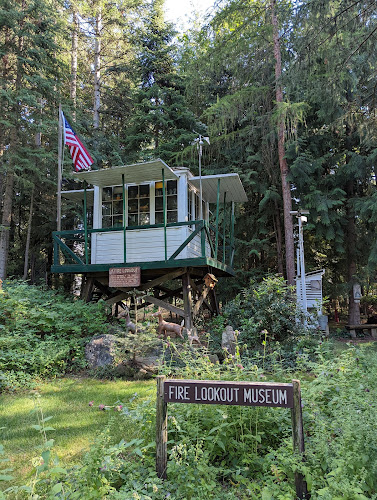
Fire Lookout Museum

Numerica SkyRide at Riverfront Spokane
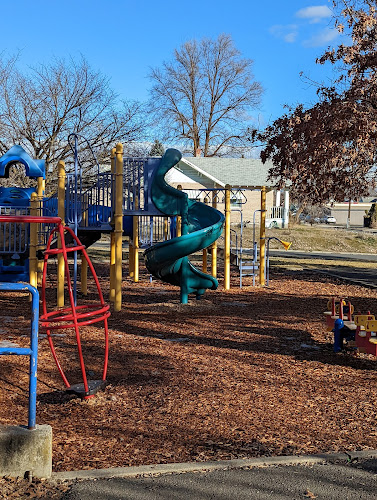
Liberty Park
Find Accommodations Nearby
Recommended Tours & Activities
Visitor Reviews
There are no reviews yet. Be the first one to write one.
Share Your Experience
Have you visited Spokane Falls (Upper Falls)? Help other travelers by leaving a review.