

Smith Robertson Museum
About Smith Robertson Museum
Description
The Smith Robertson Museum tells a story that feels both deeply personal and profoundly historical. It stands as a restored landmark that once served as Jackson’s first public school for African American children. Today, it’s more than just a museum—it’s a heartbeat of memory, art, and resilience. Walking through its halls, you can almost hear the echoes of the students who once filled these rooms, their laughter and determination still lingering in the air. The museum celebrates African American heritage in Mississippi, showcasing art, photographs, and artifacts that trace the struggles, triumphs, and everyday lives of a community that shaped the city’s cultural identity.
One thing that strikes many visitors (myself included) is how intimate the space feels. It’s not one of those massive, overwhelming museums where you get lost in endless corridors. Instead, it feels personal—like you’re being invited into someone’s home to hear their stories firsthand. The exhibits are thoughtfully curated, blending historical context with emotional storytelling. You’ll find displays about local leaders, educators, and artists whose contributions often went unrecognized in mainstream history books. And honestly, that’s what makes this place so powerful—it gives voice to those who were too often left out of the narrative.
It’s also worth noting that the museum’s staff are incredibly passionate. They don’t just recite facts; they share insights, anecdotes, and genuine enthusiasm for preserving this history. You can tell they care deeply about what the museum represents. While some visitors might wish for more extensive exhibits or interactive elements, what’s here feels authentic and heartfelt. It’s the kind of place that quietly stays with you long after you leave.
Key Features
- Restored historic building that once served as Jackson’s first African American public school.
- Permanent and rotating exhibits highlighting African American art, culture, and local history.
- Collection of photographs, personal artifacts, and documents that tell the story of Black life in Mississippi.
- On-site theater offering educational films and cultural presentations.
- Wheelchair accessible entrances, restrooms, and parking for inclusive access.
- Family-friendly environment that encourages learning for all ages.
- On-site parking available for visitors’ convenience.
- Knowledgeable staff offering guided tours and historical context.
Each exhibit feels like a chapter in a larger story—one that’s still being written. The art displays range from traditional pieces to contemporary interpretations, and they often highlight themes of perseverance, identity, and creativity. You might find yourself pausing in front of a painting longer than expected, just letting it sink in. The museum’s theater adds another layer, offering short films that explore topics like civil rights, education, and community pride. It’s not just about looking—it’s about understanding and feeling.
Best Time to Visit
If you’re planning a trip, consider visiting during spring or fall. The weather in Jackson around those times is mild, making it easier to pair your museum visit with a stroll through the surrounding area. Summer can get pretty warm, and while the museum is comfortably air-conditioned, stepping back outside can feel like walking into a sauna. I learned that the hard way one July afternoon when I decided to “just walk a few blocks” afterward—big mistake!
Weekdays tend to be quieter, giving you space to move at your own pace and really take in the details. If you prefer a livelier atmosphere, weekends sometimes feature community events or educational programs. And if you’re the type who likes to take photos without too many people in the background, go right when it opens. There’s something special about having a gallery all to yourself, even for a few moments.
How to Get There
Reaching the museum is pretty straightforward if you’re staying in or near downtown Jackson. It’s just a short drive from most central hotels, and on-site parking makes it easy once you arrive. If you’re relying on public transportation, local buses and rideshare services can drop you off nearby. For those who enjoy walking, it’s within a reasonable distance from several downtown attractions, though I’d recommend checking the weather first—Mississippi heat can be no joke.
Driving from the interstate, the route is well-marked, and traffic isn’t usually too bad except during rush hour. If you’re traveling with kids or older family members, the accessibility features—like ramps and wide pathways—make it a comfortable stop. I once brought my aunt, who uses a wheelchair, and she had no trouble navigating the space. It’s clear that the museum’s design keeps inclusivity in mind, which is refreshing and appreciated.
Tips for Visiting
Before heading out, it’s a good idea to check opening hours and consider getting tickets in advance. The museum isn’t massive, but it’s popular among school groups and history enthusiasts, so planning ahead saves time. If you’re the type who likes to linger and read every plaque (guilty as charged), allow at least two hours for your visit. That way, you won’t feel rushed.
Here are a few personal tips that might make your visit smoother:
- Bring a notebook or use your phone’s notes app. There are so many names and stories worth remembering—you’ll thank yourself later.
- Ask questions. The staff are friendly and full of knowledge. They often share tidbits that aren’t written on the walls.
- Stay hydrated. If you plan to explore other nearby attractions afterward, keep a bottle of water handy.
- Visit the theater. Even if you’re short on time, the short films add depth to what you’ve seen in the exhibits.
- Take a moment outside. The building itself is beautiful, and pausing before you leave gives you a chance to reflect on what you’ve just experienced.
One thing I love about the Smith Robertson Museum is that it doesn’t feel commercialized. There’s no flashy souvenir shop or overpriced café—just pure history and art presented with care. It’s a reminder that cultural preservation doesn’t always need bells and whistles; sometimes sincerity is enough. And if you’re traveling with kids, don’t worry—they’ll find plenty to engage with. The museum does a great job of making history relatable and even fun for younger visitors.
In the end, visiting the Smith Robertson Museum feels like stepping into a story that continues to unfold. It’s a place that honors the past but also invites reflection on the present. Whether you’re a history buff, an art lover, or simply someone curious about the roots of Jackson’s African American community, this museum offers something meaningful. It’s not just about what’s on display—it’s about how it makes you think and feel. And honestly, that’s the mark of a truly memorable travel experience.
Key Features
- Restored historic building that once served as Jackson’s first African American public school.
- Permanent and rotating exhibits highlighting African American art, culture, and local history.
- Collection of photographs, personal artifacts, and documents that tell the story of Black life in Mississippi.
- On-site theater offering educational films and cultural presentations.
- Wheelchair accessible entrances, restrooms, and parking for inclusive access.
- Family-friendly environment that encourages learning for all ages.
- On-site parking available for visitors’ convenience.
- Knowledgeable staff offering guided tours and historical context.
More Details
Updated December 1, 2025
Table of Contents
Description
The Smith Robertson Museum tells a story that feels both deeply personal and profoundly historical. It stands as a restored landmark that once served as Jackson’s first public school for African American children. Today, it’s more than just a museum—it’s a heartbeat of memory, art, and resilience. Walking through its halls, you can almost hear the echoes of the students who once filled these rooms, their laughter and determination still lingering in the air. The museum celebrates African American heritage in Mississippi, showcasing art, photographs, and artifacts that trace the struggles, triumphs, and everyday lives of a community that shaped the city’s cultural identity.
One thing that strikes many visitors (myself included) is how intimate the space feels. It’s not one of those massive, overwhelming museums where you get lost in endless corridors. Instead, it feels personal—like you’re being invited into someone’s home to hear their stories firsthand. The exhibits are thoughtfully curated, blending historical context with emotional storytelling. You’ll find displays about local leaders, educators, and artists whose contributions often went unrecognized in mainstream history books. And honestly, that’s what makes this place so powerful—it gives voice to those who were too often left out of the narrative.
It’s also worth noting that the museum’s staff are incredibly passionate. They don’t just recite facts; they share insights, anecdotes, and genuine enthusiasm for preserving this history. You can tell they care deeply about what the museum represents. While some visitors might wish for more extensive exhibits or interactive elements, what’s here feels authentic and heartfelt. It’s the kind of place that quietly stays with you long after you leave.
Key Features
- Restored historic building that once served as Jackson’s first African American public school.
- Permanent and rotating exhibits highlighting African American art, culture, and local history.
- Collection of photographs, personal artifacts, and documents that tell the story of Black life in Mississippi.
- On-site theater offering educational films and cultural presentations.
- Wheelchair accessible entrances, restrooms, and parking for inclusive access.
- Family-friendly environment that encourages learning for all ages.
- On-site parking available for visitors’ convenience.
- Knowledgeable staff offering guided tours and historical context.
Each exhibit feels like a chapter in a larger story—one that’s still being written. The art displays range from traditional pieces to contemporary interpretations, and they often highlight themes of perseverance, identity, and creativity. You might find yourself pausing in front of a painting longer than expected, just letting it sink in. The museum’s theater adds another layer, offering short films that explore topics like civil rights, education, and community pride. It’s not just about looking—it’s about understanding and feeling.
Best Time to Visit
If you’re planning a trip, consider visiting during spring or fall. The weather in Jackson around those times is mild, making it easier to pair your museum visit with a stroll through the surrounding area. Summer can get pretty warm, and while the museum is comfortably air-conditioned, stepping back outside can feel like walking into a sauna. I learned that the hard way one July afternoon when I decided to “just walk a few blocks” afterward—big mistake!
Weekdays tend to be quieter, giving you space to move at your own pace and really take in the details. If you prefer a livelier atmosphere, weekends sometimes feature community events or educational programs. And if you’re the type who likes to take photos without too many people in the background, go right when it opens. There’s something special about having a gallery all to yourself, even for a few moments.
How to Get There
Reaching the museum is pretty straightforward if you’re staying in or near downtown Jackson. It’s just a short drive from most central hotels, and on-site parking makes it easy once you arrive. If you’re relying on public transportation, local buses and rideshare services can drop you off nearby. For those who enjoy walking, it’s within a reasonable distance from several downtown attractions, though I’d recommend checking the weather first—Mississippi heat can be no joke.
Driving from the interstate, the route is well-marked, and traffic isn’t usually too bad except during rush hour. If you’re traveling with kids or older family members, the accessibility features—like ramps and wide pathways—make it a comfortable stop. I once brought my aunt, who uses a wheelchair, and she had no trouble navigating the space. It’s clear that the museum’s design keeps inclusivity in mind, which is refreshing and appreciated.
Tips for Visiting
Before heading out, it’s a good idea to check opening hours and consider getting tickets in advance. The museum isn’t massive, but it’s popular among school groups and history enthusiasts, so planning ahead saves time. If you’re the type who likes to linger and read every plaque (guilty as charged), allow at least two hours for your visit. That way, you won’t feel rushed.
Here are a few personal tips that might make your visit smoother:
- Bring a notebook or use your phone’s notes app. There are so many names and stories worth remembering—you’ll thank yourself later.
- Ask questions. The staff are friendly and full of knowledge. They often share tidbits that aren’t written on the walls.
- Stay hydrated. If you plan to explore other nearby attractions afterward, keep a bottle of water handy.
- Visit the theater. Even if you’re short on time, the short films add depth to what you’ve seen in the exhibits.
- Take a moment outside. The building itself is beautiful, and pausing before you leave gives you a chance to reflect on what you’ve just experienced.
One thing I love about the Smith Robertson Museum is that it doesn’t feel commercialized. There’s no flashy souvenir shop or overpriced café—just pure history and art presented with care. It’s a reminder that cultural preservation doesn’t always need bells and whistles; sometimes sincerity is enough. And if you’re traveling with kids, don’t worry—they’ll find plenty to engage with. The museum does a great job of making history relatable and even fun for younger visitors.
In the end, visiting the Smith Robertson Museum feels like stepping into a story that continues to unfold. It’s a place that honors the past but also invites reflection on the present. Whether you’re a history buff, an art lover, or simply someone curious about the roots of Jackson’s African American community, this museum offers something meaningful. It’s not just about what’s on display—it’s about how it makes you think and feel. And honestly, that’s the mark of a truly memorable travel experience.
Key Highlights
- Restored historic building that once served as Jackson’s first African American public school.
- Permanent and rotating exhibits highlighting African American art, culture, and local history.
- Collection of photographs, personal artifacts, and documents that tell the story of Black life in Mississippi.
- On-site theater offering educational films and cultural presentations.
- Wheelchair accessible entrances, restrooms, and parking for inclusive access.
- Family-friendly environment that encourages learning for all ages.
- On-site parking available for visitors’ convenience.
- Knowledgeable staff offering guided tours and historical context.
Location
Places to Stay Near Smith Robertson Museum
Find and Book a Tour
Explore More Travel Guides
No reviews found! Be the first to review!
Traveler Reviews for Smith Robertson Museum
There are no reviews yet. Be the first one to write one.
Have you visited Smith Robertson Museum? Help other travelers by sharing your review.
You Might Also Like
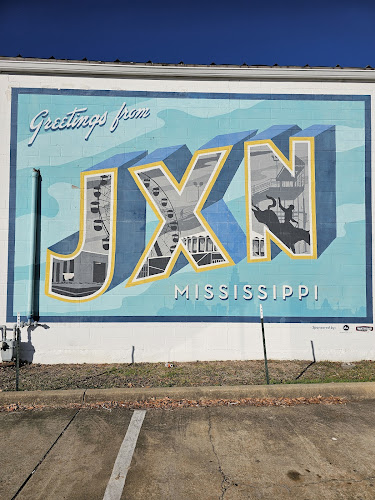
Greetings from Jackson, Mississippi Mural
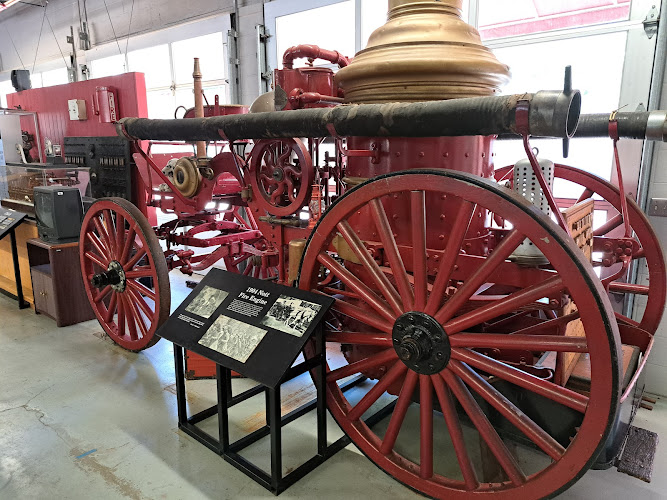
City of Jackson Fire Museum

International Museum of Muslim Cultures
Find Accommodations Nearby
Recommended Tours & Activities
Visitor Reviews
There are no reviews yet. Be the first one to write one.
Share Your Experience
Have you visited Smith Robertson Museum? Help other travelers by leaving a review.