

Simien trekking Tours
About Simien trekking Tours
Description
Simien trekking tours offer one of those rare travel experiences that stick with you long after you’ve unpacked your bags. The Simien Mountains, often called the “Roof of Africa,” rise dramatically from the Ethiopian highlands, their jagged peaks wrapped in a mist that feels almost otherworldly. It’s not just about hiking here; it’s about feeling small in the face of something vast and ancient. The air is thin, the light sharp, and the silence—well, it’s the kind that makes you notice your own heartbeat.
Travelers who’ve joined guided treks through these mountains often talk about the sense of connection—to nature, to history, and to the people who call this rugged land home. The tours are run by local guides who know every bend of the trail, every hidden waterfall, and every viewpoint where the world seems to fall away beneath your feet. There’s something grounding about walking alongside them, hearing stories that stretch back generations.
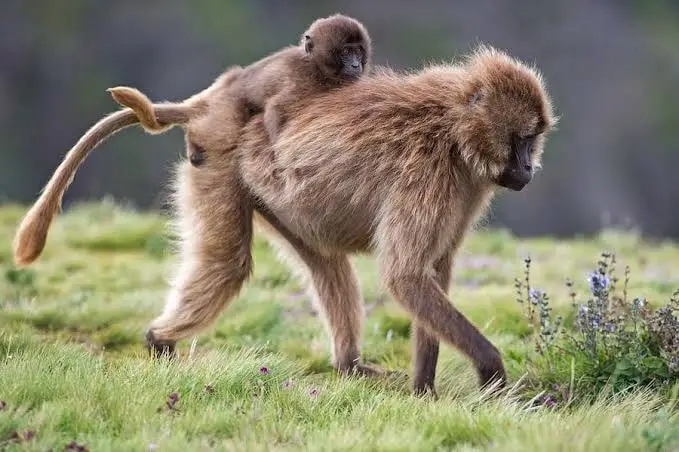
I remember my first trek here—standing on the edge of a cliff at sunrise, watching the light spill across the valleys. It wasn’t just beautiful; it felt sacred. You’ll meet gelada baboons grazing like shaggy philosophers, spot the rare Ethiopian wolf if you’re lucky, and camp under skies so clear you can trace constellations without even trying. These tours aren’t about luxury; they’re about authenticity, adventure, and a quiet kind of wonder that’s hard to find elsewhere.
Key Features
- Expert Local Guides: Every trek is led by experienced Ethiopian guides who know the terrain and local culture inside out, ensuring both safety and insight.
- Customizable Routes: Choose from short two-day hikes to week-long expeditions that reach the highest peaks like Ras Dashen, Ethiopia’s tallest mountain.
- Wildlife Encounters: Spot endemic species such as the Gelada baboon, Walia ibex, and Ethiopian wolf—animals found nowhere else on Earth.
- Authentic Cultural Experience: Visit remote mountain villages and interact with local communities, gaining an intimate glimpse into highland life.
- Eco-Friendly Trekking: Most tours follow sustainable travel practices, minimizing environmental impact and supporting local livelihoods.
- Scenic Campsites: Sleep under a blanket of stars at designated campsites overlooking deep valleys and towering cliffs.
- Photography Paradise: With dramatic escarpments, golden sunsets, and wildlife galore, the Simien Mountains are a dream for photographers and nature lovers alike.
Best Time to Visit
If you’re planning a Simien trekking tour, timing matters more than you might think. The best months are typically from October to March, when the skies are clear, the trails dry, and the landscape glows with post-rain greenery. During this period, the weather is cool and comfortable—perfect for long hikes without the sticky heat or muddy paths of the rainy season.
That said, there’s a certain charm to visiting just after the rains, around September. The wildflowers bloom, the waterfalls roar louder, and the air feels fresher somehow. But if you’re not a fan of slippery trails, you might want to stick to the drier months. I once trekked in July—don’t recommend it unless you enjoy testing your waterproof gear to its limits!
For photographers, sunrise and sunset in the dry season are pure magic. The light hits the cliffs at just the right angle, turning the landscape into a painting. And if you’re into stargazing, bring a blanket—the night skies here are some of the clearest you’ll ever see.
How to Get There
Most travelers start their Simien adventure from Gondar, a historic city known for its medieval castles and cobblestone streets. From Gondar, it’s roughly a two- to three-hour drive to the park’s entrance at Debark, where all treks begin. You’ll need to register with park authorities and hire a local scout (mandatory for all visitors), which your tour agency usually arranges.
If you’re flying in, Gondar has a small airport with regular flights from Addis Ababa. From there, local operators handle transport to the park, gear rentals, and logistics. And honestly, it’s worth letting them take care of the details—roads in this part of Ethiopia can be unpredictable, and having someone who knows the terrain makes the journey smoother.
For the more adventurous souls, there’s also the option of overland travel from Bahir Dar or Lalibela, though it’s a longer ride. Still, the changing scenery—from rolling farmlands to rugged escarpments—makes it a journey worth taking. Just don’t expect perfect roads; this is Ethiopia, and part of the adventure lies in the bumps along the way.
Tips for Visiting
If you’re heading to the Simiens, a bit of preparation goes a long way. The altitude alone can catch you off guard—some trails climb above 4,000 meters—so take it slow, drink plenty of water, and give your body time to adjust. I’ve seen even seasoned hikers underestimate how thin the air gets up there. Trust me, it’s humbling.
Pack layers. Days can be warm under the sun, but nights drop close to freezing, especially at higher camps. A good sleeping bag, sturdy boots, and a windproof jacket are non-negotiable. And don’t forget snacks—local meals are hearty but simple, so if you crave chocolate or trail mix, bring your own.
Another tip? Bring a pair of binoculars. The wildlife here is shy, and some of the best sightings happen from a distance. Also, carry cash—ATMs are rare once you leave Gondar. And if you’re a photography enthusiast, extra batteries are a must; there’s no charging station in the wilderness.
Most importantly, travel with respect. The communities living around the Simien Mountains depend on tourism, but they also preserve traditions that go back centuries. Ask before taking photos, buy local crafts when you can, and tip your guides fairly. A small gesture here can make a big difference.
Oh, and one last thing—don’t rush it. Too many travelers try to cram the Simiens into a tight schedule, but this place deserves time. Let yourself linger at a viewpoint, share coffee with your guide, or just sit in silence watching the clouds roll through the valleys. That’s the real magic of a Simien trekking tour—it slows you down, reminds you what it feels like to be fully present in a wild, beautiful world.
Whether you’re chasing adventure, solitude, or simply a change of perspective, the Simien Mountains deliver in spades. It’s not a polished experience, and that’s exactly what makes it unforgettable. Come with an open heart, a decent pair of boots, and a willingness to be surprised—you’ll leave with stories you’ll be telling for years.
Key Features
- Key Features
- Best Time to Visit
- How to Get There
- Tips for Visiting
More Details
Updated December 1, 2025
Table of Contents
Description
Simien trekking tours offer one of those rare travel experiences that stick with you long after you’ve unpacked your bags. The Simien Mountains, often called the “Roof of Africa,” rise dramatically from the Ethiopian highlands, their jagged peaks wrapped in a mist that feels almost otherworldly. It’s not just about hiking here; it’s about feeling small in the face of something vast and ancient. The air is thin, the light sharp, and the silence—well, it’s the kind that makes you notice your own heartbeat.
Travelers who’ve joined guided treks through these mountains often talk about the sense of connection—to nature, to history, and to the people who call this rugged land home. The tours are run by local guides who know every bend of the trail, every hidden waterfall, and every viewpoint where the world seems to fall away beneath your feet. There’s something grounding about walking alongside them, hearing stories that stretch back generations.
I remember my first trek here—standing on the edge of a cliff at sunrise, watching the light spill across the valleys. It wasn’t just beautiful; it felt sacred. You’ll meet gelada baboons grazing like shaggy philosophers, spot the rare Ethiopian wolf if you’re lucky, and camp under skies so clear you can trace constellations without even trying. These tours aren’t about luxury; they’re about authenticity, adventure, and a quiet kind of wonder that’s hard to find elsewhere.
Key Features
- Expert Local Guides: Every trek is led by experienced Ethiopian guides who know the terrain and local culture inside out, ensuring both safety and insight.
- Customizable Routes: Choose from short two-day hikes to week-long expeditions that reach the highest peaks like Ras Dashen, Ethiopia’s tallest mountain.
- Wildlife Encounters: Spot endemic species such as the Gelada baboon, Walia ibex, and Ethiopian wolf—animals found nowhere else on Earth.
- Authentic Cultural Experience: Visit remote mountain villages and interact with local communities, gaining an intimate glimpse into highland life.
- Eco-Friendly Trekking: Most tours follow sustainable travel practices, minimizing environmental impact and supporting local livelihoods.
- Scenic Campsites: Sleep under a blanket of stars at designated campsites overlooking deep valleys and towering cliffs.
- Photography Paradise: With dramatic escarpments, golden sunsets, and wildlife galore, the Simien Mountains are a dream for photographers and nature lovers alike.
Best Time to Visit
If you’re planning a Simien trekking tour, timing matters more than you might think. The best months are typically from October to March, when the skies are clear, the trails dry, and the landscape glows with post-rain greenery. During this period, the weather is cool and comfortable—perfect for long hikes without the sticky heat or muddy paths of the rainy season.
That said, there’s a certain charm to visiting just after the rains, around September. The wildflowers bloom, the waterfalls roar louder, and the air feels fresher somehow. But if you’re not a fan of slippery trails, you might want to stick to the drier months. I once trekked in July—don’t recommend it unless you enjoy testing your waterproof gear to its limits!
For photographers, sunrise and sunset in the dry season are pure magic. The light hits the cliffs at just the right angle, turning the landscape into a painting. And if you’re into stargazing, bring a blanket—the night skies here are some of the clearest you’ll ever see.
How to Get There
Most travelers start their Simien adventure from Gondar, a historic city known for its medieval castles and cobblestone streets. From Gondar, it’s roughly a two- to three-hour drive to the park’s entrance at Debark, where all treks begin. You’ll need to register with park authorities and hire a local scout (mandatory for all visitors), which your tour agency usually arranges.
If you’re flying in, Gondar has a small airport with regular flights from Addis Ababa. From there, local operators handle transport to the park, gear rentals, and logistics. And honestly, it’s worth letting them take care of the details—roads in this part of Ethiopia can be unpredictable, and having someone who knows the terrain makes the journey smoother.
For the more adventurous souls, there’s also the option of overland travel from Bahir Dar or Lalibela, though it’s a longer ride. Still, the changing scenery—from rolling farmlands to rugged escarpments—makes it a journey worth taking. Just don’t expect perfect roads; this is Ethiopia, and part of the adventure lies in the bumps along the way.
Tips for Visiting
If you’re heading to the Simiens, a bit of preparation goes a long way. The altitude alone can catch you off guard—some trails climb above 4,000 meters—so take it slow, drink plenty of water, and give your body time to adjust. I’ve seen even seasoned hikers underestimate how thin the air gets up there. Trust me, it’s humbling.
Pack layers. Days can be warm under the sun, but nights drop close to freezing, especially at higher camps. A good sleeping bag, sturdy boots, and a windproof jacket are non-negotiable. And don’t forget snacks—local meals are hearty but simple, so if you crave chocolate or trail mix, bring your own.
Another tip? Bring a pair of binoculars. The wildlife here is shy, and some of the best sightings happen from a distance. Also, carry cash—ATMs are rare once you leave Gondar. And if you’re a photography enthusiast, extra batteries are a must; there’s no charging station in the wilderness.
Most importantly, travel with respect. The communities living around the Simien Mountains depend on tourism, but they also preserve traditions that go back centuries. Ask before taking photos, buy local crafts when you can, and tip your guides fairly. A small gesture here can make a big difference.
Oh, and one last thing—don’t rush it. Too many travelers try to cram the Simiens into a tight schedule, but this place deserves time. Let yourself linger at a viewpoint, share coffee with your guide, or just sit in silence watching the clouds roll through the valleys. That’s the real magic of a Simien trekking tour—it slows you down, reminds you what it feels like to be fully present in a wild, beautiful world.
Whether you’re chasing adventure, solitude, or simply a change of perspective, the Simien Mountains deliver in spades. It’s not a polished experience, and that’s exactly what makes it unforgettable. Come with an open heart, a decent pair of boots, and a willingness to be surprised—you’ll leave with stories you’ll be telling for years.
Key Highlights
- Key Features
- Best Time to Visit
- How to Get There
- Tips for Visiting
Location
Places to Stay Near Simien trekking Tours
Find and Book a Tour
Explore More Travel Guides
No reviews found! Be the first to review!
Traveler Reviews for Simien trekking Tours
There are no reviews yet. Be the first one to write one.
Have you visited Simien trekking Tours? Help other travelers by sharing your review.
You Might Also Like

Simien mountain tour and travel
Simien Mountains Outstanding Nature Tours የስሜን ተራሮች አስደናቂ ተፈጥሮ አስጎብኝ

Royal enclosure- Main Entrance
Find Accommodations Nearby
Recommended Tours & Activities
Visitor Reviews
There are no reviews yet. Be the first one to write one.
Share Your Experience
Have you visited Simien trekking Tours? Help other travelers by leaving a review.