
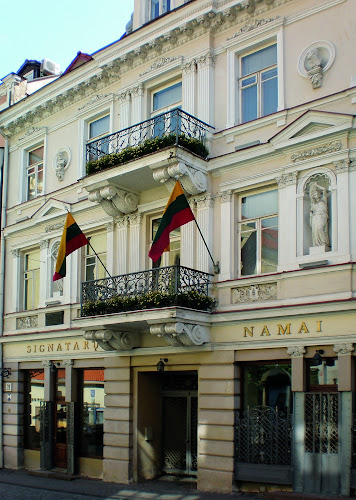
Signatories House (The House of Signatories)
About Signatories House (The House of Signatories)
Description
The House of Signatories, tucked along Vilnius’ charming Pilies Street, is one of those places that feels like it’s quietly holding its breath with history. Step inside, and you’re not just entering a museum—you’re walking straight into the room where Lithuania’s Act of Independence was signed back in 1918. It’s a humbling thought, really. The very walls here witnessed a nation reclaiming its voice after years under foreign rule. And you can feel that weight, that pride, in every creaky floorboard and framed photograph.
I remember my first visit here—on a chilly autumn afternoon when the city was wrapped in that golden Baltic light. The building doesn’t scream for attention like some grand European landmarks do. It’s subtle, almost modest, with its classic façade blending right into the old town’s cobblestone rhythm. But once you step through the door, it’s like time folds in on itself. The exhibits are beautifully curated, guiding you through the struggles and triumphs that led to Lithuania’s rebirth.
The museum manages to strike a balance between reverence and accessibility. It’s not just dusty artifacts behind glass; there’s a sense of storytelling woven into every room. You’ll find portraits of the twenty signatories, personal letters, and even the original Act of Independence itself—an artifact that feels almost sacred. Yet, the museum doesn’t feel too heavy or academic. It’s surprisingly engaging, even for younger visitors, with interactive displays that make history feel alive rather than distant.
It’s also worth noting that the House of Signatories isn’t just about the past—it’s about identity. You start to understand what independence meant for Lithuania, how fragile freedom can be, and how deeply people can love their homeland. And even if you’re not Lithuanian, that message hits home. You walk out not just informed, but moved.
Key Features
- Historic significance: The site where the Act of Independence of Lithuania was signed on February 16, 1918.
- Architectural charm: A beautifully preserved 19th-century townhouse with authentic period details.
- Engaging exhibitions: Displays that trace Lithuania’s journey from oppression to independence through documents, photos, and multimedia.
- Family-friendly: The museum is suitable for children, with simplified explanations and interactive exhibits that make history approachable.
- Wheelchair accessibility: Includes accessible restrooms and facilities for visitors with mobility needs.
- Central location: Conveniently located in the heart of Vilnius Old Town, surrounded by cafes, boutiques, and other historical landmarks.
- Quiet atmosphere: A reflective space perfect for travelers who appreciate culture and history without the crowds.
Best Time to Visit
If you ask me, there’s no wrong time to visit the House of Signatories, but Vilnius itself really shines in spring and autumn. Spring brings that sense of renewal—flowers blooming along the cobblestones, outdoor cafés reopening, and the city buzzing with life again. Autumn, on the other hand, wraps everything in a cozy, amber glow that fits the museum’s tone perfectly.
The summer months are busier, of course. You’ll find more tourists crowding Pilies Street, so if you prefer a quieter experience, aim for early mornings or weekdays. Winter can be magical too, especially when snow dusts the rooftops, though the shorter daylight hours might make you want to plan your visit around midday. The museum’s calm, contemplative vibe pairs beautifully with a crisp winter walk through the Old Town afterward.
How to Get There
Getting to the House of Signatories is simple enough, especially if you’re already exploring Vilnius Old Town. Most people find it easiest to walk—it’s one of those neighborhoods best experienced on foot anyway, with its winding streets and pastel façades. You’ll likely stumble upon it while wandering Pilies Street, one of the city’s most photographed spots.
If you’re staying farther out, public transport is reliable and inexpensive. Several bus routes stop near the Old Town, and taxis or ride-share options are readily available. For those who enjoy cycling, Vilnius has improved its bike paths in recent years, and there are rental stations nearby. Parking in the Old Town can be tricky, though, so driving isn’t the most stress-free option. Honestly, walking is the way to go—you’ll see more, feel more, and probably end up discovering a few hidden gems along the way.
Tips for Visiting
Here’s a bit of friendly advice from someone who’s been there a few times. First, take your time. The museum isn’t huge, but it’s layered with meaning. Don’t rush through the exhibits—pause, read, absorb. The Act of Independence room in particular deserves a few quiet moments of reflection.
Second, consider pairing your visit with a stroll through the nearby streets. Pilies Street is lined with artisan shops, cozy cafés, and street performers, so it’s easy to make an afternoon of it. If you’re into photography, bring your camera—the contrast between the museum’s solemn interior and the colorful, lively street outside makes for some great shots.
And yes, the museum is good for kids. The interactive elements and storytelling approach keep young visitors engaged, though I’d say older children will appreciate it more. There’s also a restroom on-site, which is always a plus when traveling with family. Just note that there’s no restaurant inside, but plenty of dining options are nearby.
If you’re a history buff (or even just mildly curious about Lithuania’s past), this place is a must. But even if history isn’t usually your thing, I’d still recommend it. There’s something universal about standing in the very room where a nation declared its freedom. It makes you think about your own country, your own sense of belonging. It’s humbling, in the best possible way.
Oh, and one last thing—don’t skip the gift shop. It’s small but thoughtfully curated, with locally made souvenirs and books that make perfect keepsakes. I picked up a replica of the 1918 Act on my last visit, and it still sits framed on my desk. A little reminder that courage sometimes starts in small rooms like this one.
So, when you find yourself wandering through Vilnius, take that small detour into the House of Signatories. It’s more than a museum—it’s a quiet conversation between past and present, and one that every traveler should experience at least once.
Key Features
- Key Features
- Best Time to Visit
- How to Get There
- Tips for Visiting
More Details
Updated October 8, 2025
Table of Contents
- Description
- Key Features
- Best Time to Visit
- How to Get There
- Tips for Visiting
- Key Highlights
- Location
- Places to Stay Near Signatories House (The House of Signatories)
- Find and Book a Tour
- Explore More Travel Guides
- Nearby Places You Might Like
- Traveler Reviews for Signatories House (The House of Signatories)
- Share Your Experience
Description
The House of Signatories, tucked along Vilnius’ charming Pilies Street, is one of those places that feels like it’s quietly holding its breath with history. Step inside, and you’re not just entering a museum—you’re walking straight into the room where Lithuania’s Act of Independence was signed back in 1918. It’s a humbling thought, really. The very walls here witnessed a nation reclaiming its voice after years under foreign rule. And you can feel that weight, that pride, in every creaky floorboard and framed photograph.
I remember my first visit here—on a chilly autumn afternoon when the city was wrapped in that golden Baltic light. The building doesn’t scream for attention like some grand European landmarks do. It’s subtle, almost modest, with its classic façade blending right into the old town’s cobblestone rhythm. But once you step through the door, it’s like time folds in on itself. The exhibits are beautifully curated, guiding you through the struggles and triumphs that led to Lithuania’s rebirth.
The museum manages to strike a balance between reverence and accessibility. It’s not just dusty artifacts behind glass; there’s a sense of storytelling woven into every room. You’ll find portraits of the twenty signatories, personal letters, and even the original Act of Independence itself—an artifact that feels almost sacred. Yet, the museum doesn’t feel too heavy or academic. It’s surprisingly engaging, even for younger visitors, with interactive displays that make history feel alive rather than distant.
It’s also worth noting that the House of Signatories isn’t just about the past—it’s about identity. You start to understand what independence meant for Lithuania, how fragile freedom can be, and how deeply people can love their homeland. And even if you’re not Lithuanian, that message hits home. You walk out not just informed, but moved.
Key Features
- Historic significance: The site where the Act of Independence of Lithuania was signed on February 16, 1918.
- Architectural charm: A beautifully preserved 19th-century townhouse with authentic period details.
- Engaging exhibitions: Displays that trace Lithuania’s journey from oppression to independence through documents, photos, and multimedia.
- Family-friendly: The museum is suitable for children, with simplified explanations and interactive exhibits that make history approachable.
- Wheelchair accessibility: Includes accessible restrooms and facilities for visitors with mobility needs.
- Central location: Conveniently located in the heart of Vilnius Old Town, surrounded by cafes, boutiques, and other historical landmarks.
- Quiet atmosphere: A reflective space perfect for travelers who appreciate culture and history without the crowds.
Best Time to Visit
If you ask me, there’s no wrong time to visit the House of Signatories, but Vilnius itself really shines in spring and autumn. Spring brings that sense of renewal—flowers blooming along the cobblestones, outdoor cafés reopening, and the city buzzing with life again. Autumn, on the other hand, wraps everything in a cozy, amber glow that fits the museum’s tone perfectly.
The summer months are busier, of course. You’ll find more tourists crowding Pilies Street, so if you prefer a quieter experience, aim for early mornings or weekdays. Winter can be magical too, especially when snow dusts the rooftops, though the shorter daylight hours might make you want to plan your visit around midday. The museum’s calm, contemplative vibe pairs beautifully with a crisp winter walk through the Old Town afterward.
How to Get There
Getting to the House of Signatories is simple enough, especially if you’re already exploring Vilnius Old Town. Most people find it easiest to walk—it’s one of those neighborhoods best experienced on foot anyway, with its winding streets and pastel façades. You’ll likely stumble upon it while wandering Pilies Street, one of the city’s most photographed spots.
If you’re staying farther out, public transport is reliable and inexpensive. Several bus routes stop near the Old Town, and taxis or ride-share options are readily available. For those who enjoy cycling, Vilnius has improved its bike paths in recent years, and there are rental stations nearby. Parking in the Old Town can be tricky, though, so driving isn’t the most stress-free option. Honestly, walking is the way to go—you’ll see more, feel more, and probably end up discovering a few hidden gems along the way.
Tips for Visiting
Here’s a bit of friendly advice from someone who’s been there a few times. First, take your time. The museum isn’t huge, but it’s layered with meaning. Don’t rush through the exhibits—pause, read, absorb. The Act of Independence room in particular deserves a few quiet moments of reflection.
Second, consider pairing your visit with a stroll through the nearby streets. Pilies Street is lined with artisan shops, cozy cafés, and street performers, so it’s easy to make an afternoon of it. If you’re into photography, bring your camera—the contrast between the museum’s solemn interior and the colorful, lively street outside makes for some great shots.
And yes, the museum is good for kids. The interactive elements and storytelling approach keep young visitors engaged, though I’d say older children will appreciate it more. There’s also a restroom on-site, which is always a plus when traveling with family. Just note that there’s no restaurant inside, but plenty of dining options are nearby.
If you’re a history buff (or even just mildly curious about Lithuania’s past), this place is a must. But even if history isn’t usually your thing, I’d still recommend it. There’s something universal about standing in the very room where a nation declared its freedom. It makes you think about your own country, your own sense of belonging. It’s humbling, in the best possible way.
Oh, and one last thing—don’t skip the gift shop. It’s small but thoughtfully curated, with locally made souvenirs and books that make perfect keepsakes. I picked up a replica of the 1918 Act on my last visit, and it still sits framed on my desk. A little reminder that courage sometimes starts in small rooms like this one.
So, when you find yourself wandering through Vilnius, take that small detour into the House of Signatories. It’s more than a museum—it’s a quiet conversation between past and present, and one that every traveler should experience at least once.
Key Highlights
- Key Features
- Best Time to Visit
- How to Get There
- Tips for Visiting
Location
Places to Stay Near Signatories House (The House of Signatories)
Find and Book a Tour
Explore More Travel Guides
No reviews found! Be the first to review!
Traveler Reviews for Signatories House (The House of Signatories)
There are no reviews yet. Be the first one to write one.
Have you visited Signatories House (The House of Signatories)? Help other travelers by sharing your review.
You Might Also Like
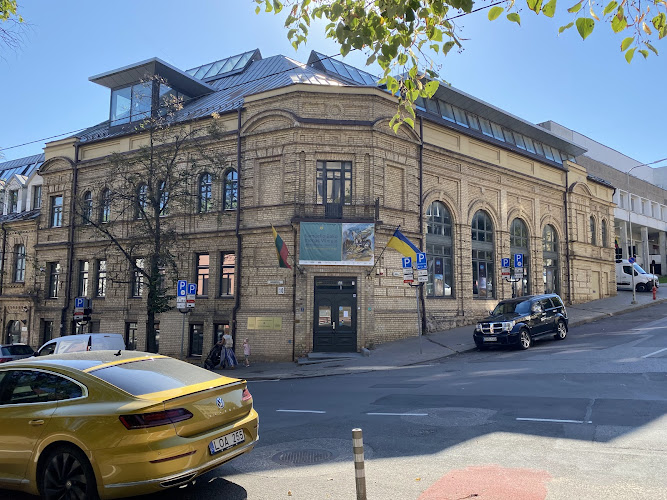
Samuel Bak Museum, Vilna Gaon Museum of Jewish History
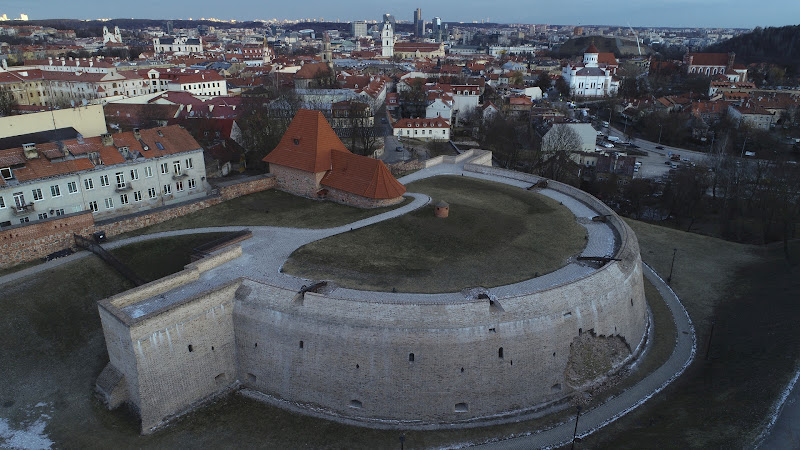
Bastion of the Vilnius Defensive Wall
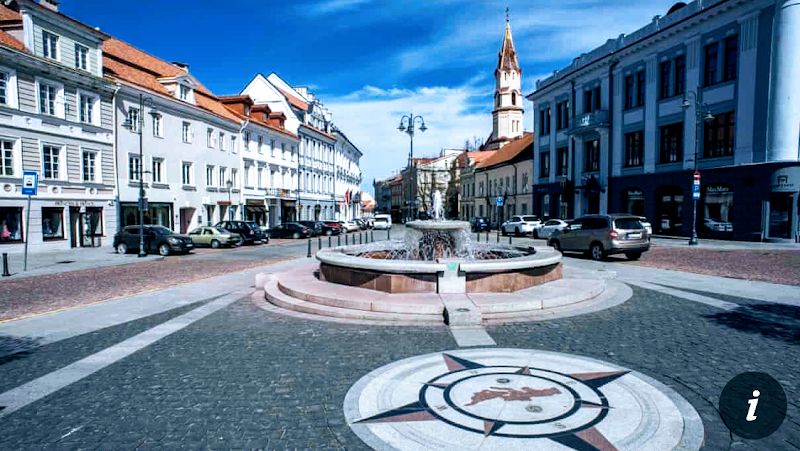
Vilnius Compass
Find Accommodations Nearby
Recommended Tours & Activities
Visitor Reviews
There are no reviews yet. Be the first one to write one.
Share Your Experience
Have you visited Signatories House (The House of Signatories)? Help other travelers by leaving a review.